These September reflections are part of the Seasonal Reflections series — a year-long practice of living with the rhythm of nature.
Psst, can I tell you a secret? September is my favourite month – don’t tell the other months I said that! Whether it’s because of the cooler nights and vibrant colours of early autumn, the back-to-school energy boost, or simply because my birthday’s in September, I do not know. It’s probably the combination of all three. In fact, to me, September feels like a second May with clear, bright blue skies, fresh, vibrant greens and a promising new energy.
👉 In these September reflections, we’ll explore seasonal living in September — from the garden and kitchen to simple ways of making the most of late summer.
After the (more or less) unstructured days of endless summer heat, when we preferred to take a swim in the river, lake, or sea rather than tackle too many tasks, September’s more moderate temperatures bring back our sense of duty and responsibility. And just in time! The garden is still overflowing with ripe vegetables, the orchard is heavy with autumn fruit, and the elderberries are ready to be picked.
We’re on the home stretch of preserving all Mother Nature’s gifts. In a few weeks, the gardening season will come to an end, and September asks us to preserve this abundance before that particular harvesting window closes.
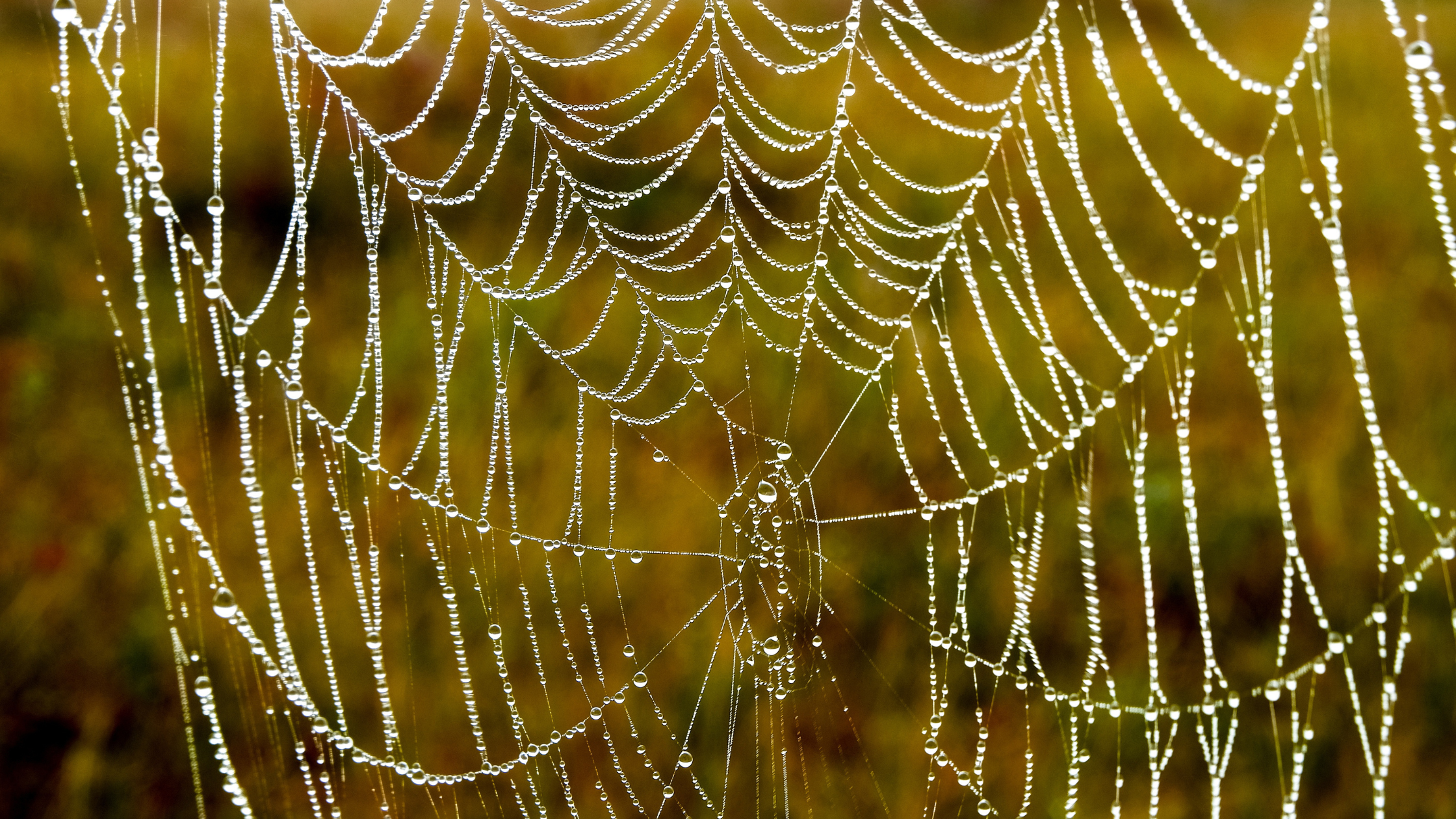
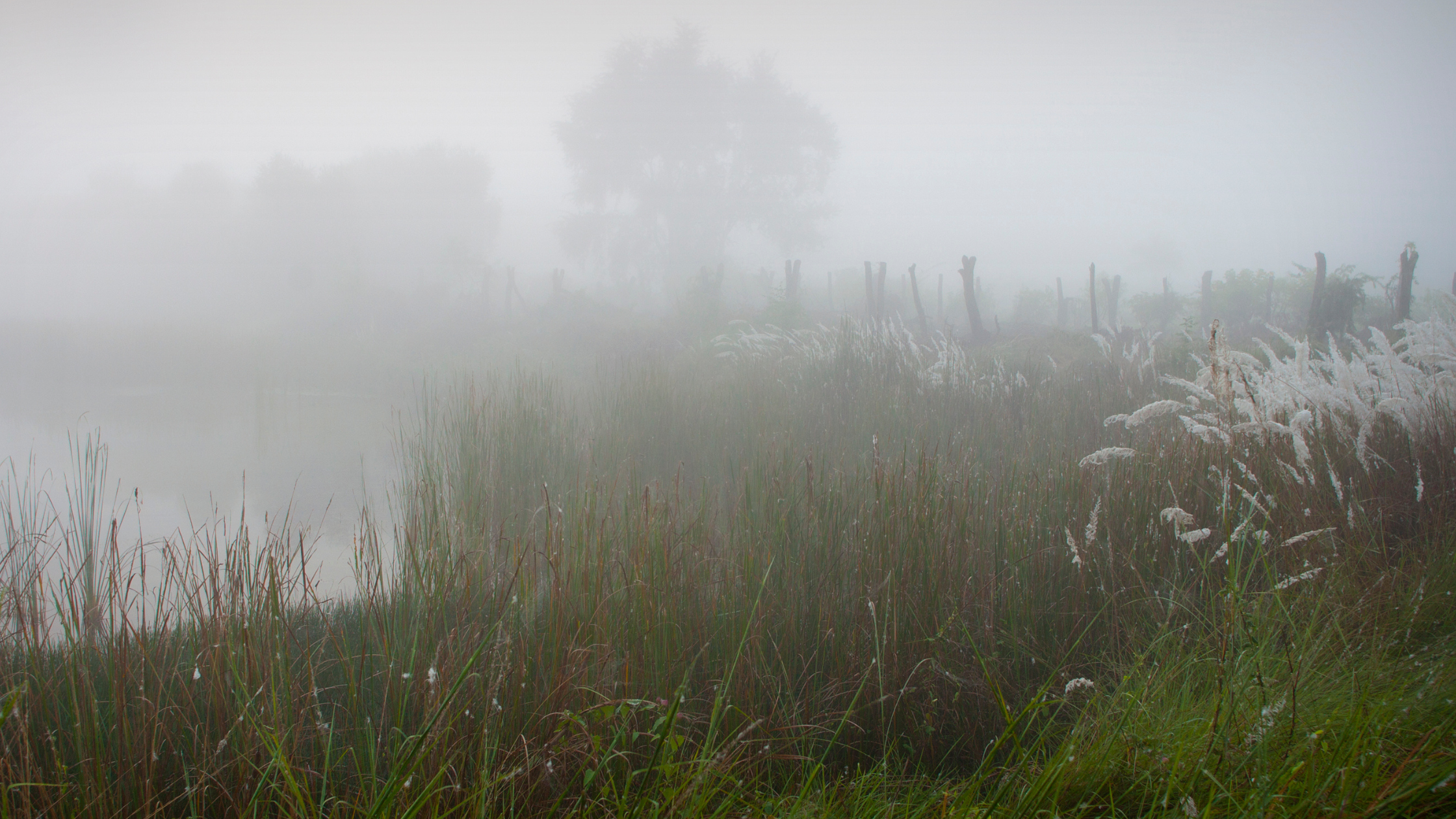
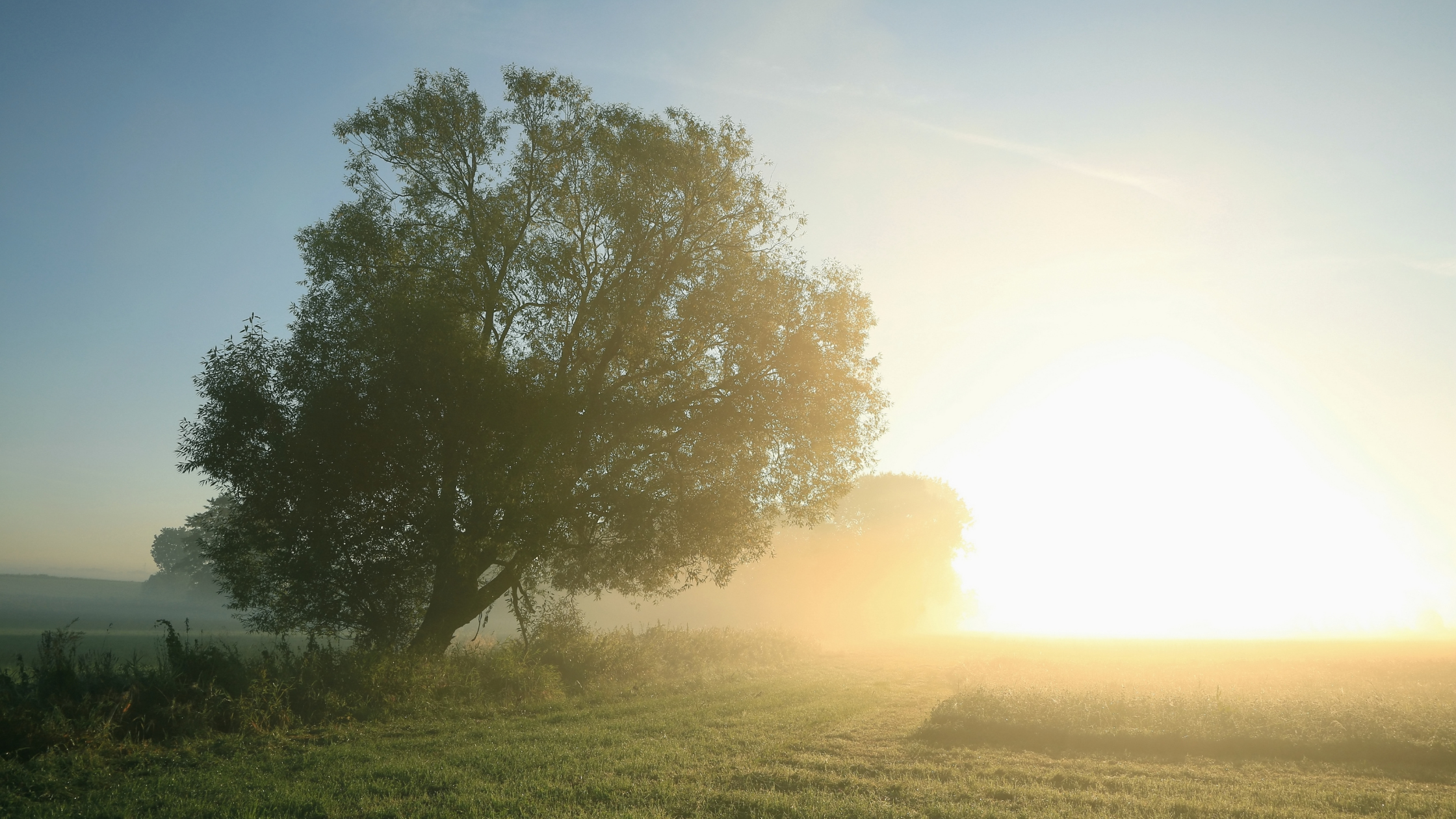
The days grow rapidly shorter now. When I get up in the morning for work, it’s dark again outside. Sometimes, when I drive to work, mists hover in the dips of meadows and fields, cloaking the familiar landscape in something mystic and unknown. On weekends, when I’m early in the garden, I find intricate spider webs on the fence that are embellished with dewdrops, like pearls on a string.
By the end of September (depending on the temperature), the first leaves on the trees will change their colour, ushering in a beautiful golden autumn. In Bavaria, we call those warm, sunny and golden autumn days “Altweibersommer”. This is often translated as “old wives’ summer”, yet another explanation is that it describes the time when fine spider threads float through the air, lending the season a magical gold-shimmering touch.
Nature in September
Now that the grain has been harvested and the last grass has been cut, the farmers are busy bringing the corn in. Later in the month, the potatoes are ready to be pulled from the earth. I remember when I was a child, coming back from school, having a quick lunch, and cycling out to the fields to help on the harvester till it was time to milk the cows.
Flower gardens overflow with an abundant, often second bloom. Roses and phlox take the stage again, while anemones, chrysanthemums and sedums make their first appearance, creating a burst of colour. When the first red and yellow leaves fall and mix with the flowers, I can’t get enough of that beautiful sight! It’s so full of life.
In the vegetable garden, we can still harvest tomatoes, zucchini, peppers, beans and lettuce. At the same time, early white and red cabbage heads are ripe, and we can make the first sauerkraut of the season. Never made it before? Don’t worry, in this easy recipe for homemade sauerkraut, I show you how it’s done.
September Garden Tasks
Now we help our vegetables get to the finish line (that is: harvest) without pests or diseases damaging them before their time. Yes, this is still a topic in September, and I check on my green friends every other day for signs of infection or infestation.
Whenever I harvest plants, I close the gaps by sowing spinach, radishes, lamb’s lettuce and rocket salad for a harvest in late autumn and winter. But that’s not all: we can even sow some plants like broad beans and cold-hardy salads now. In zones 6 – 8, they can overwinter in the garden and be ready for harvesting early next spring. Here’s a comprehensive list of vegetables you can sow in September for an abundant harvest year-round.
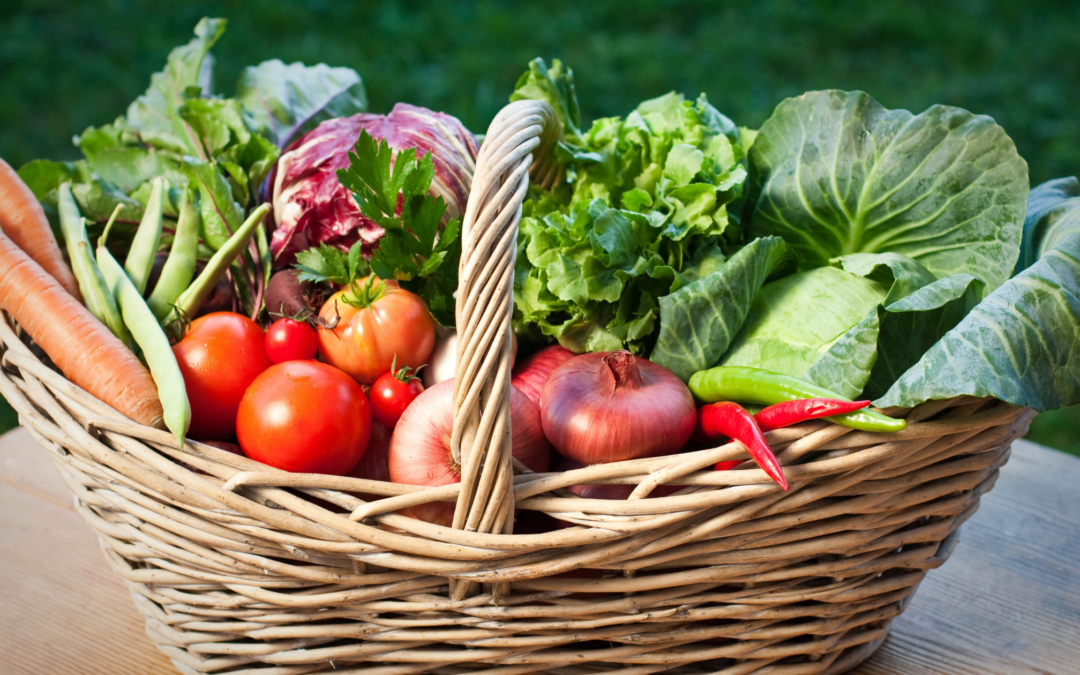
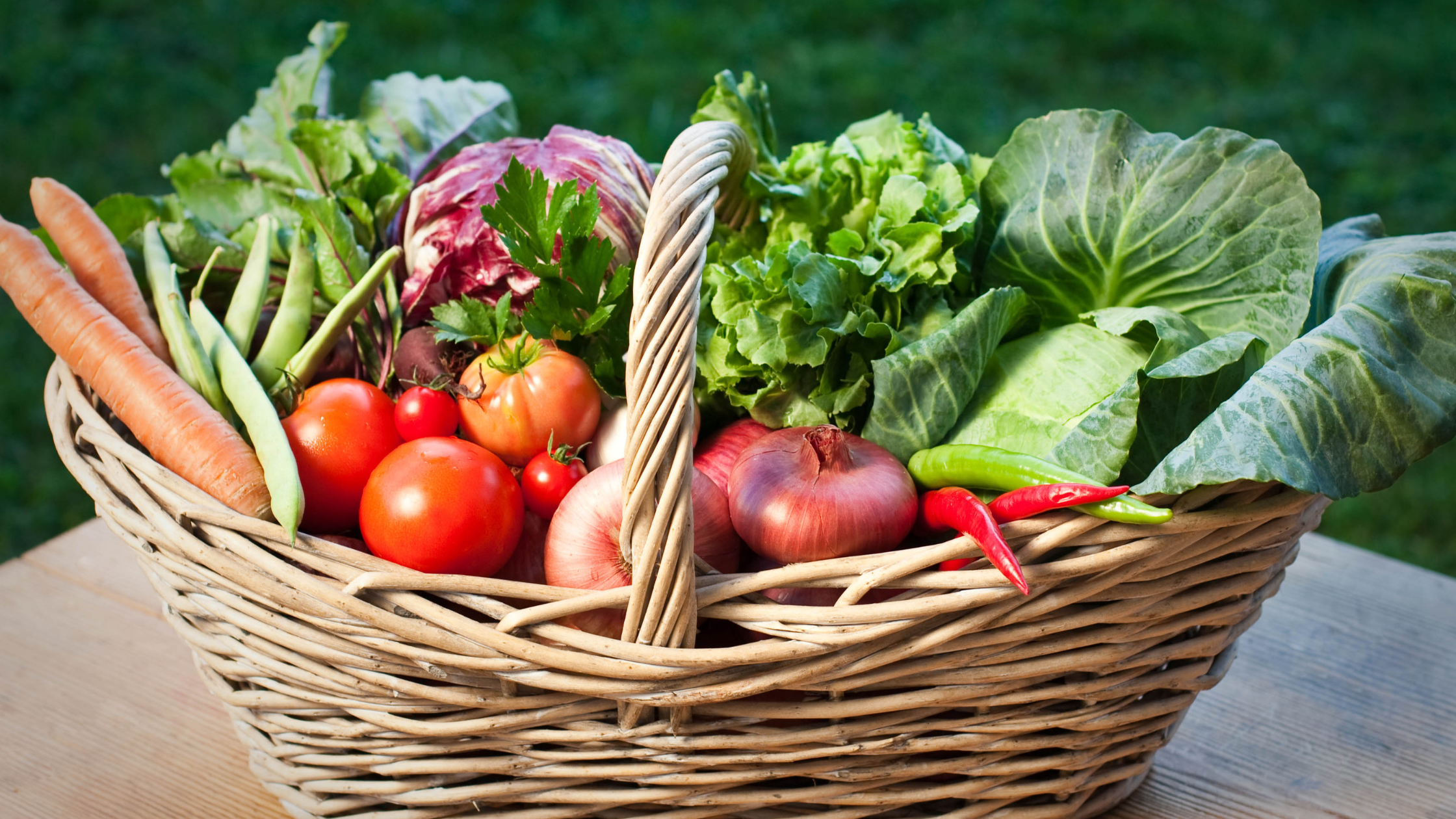
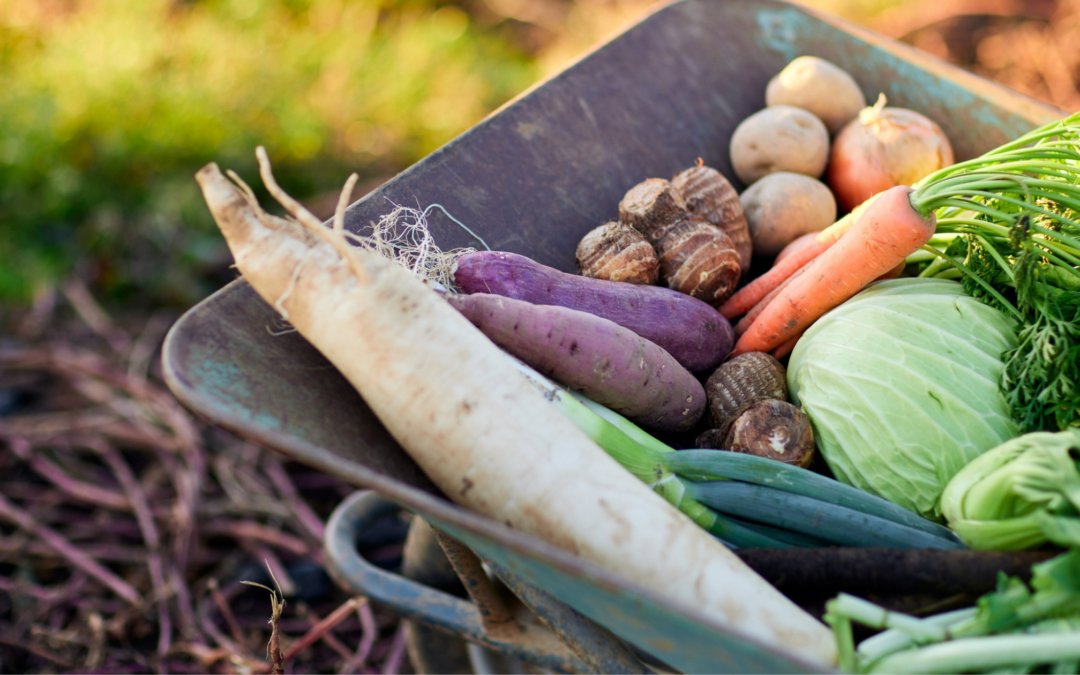
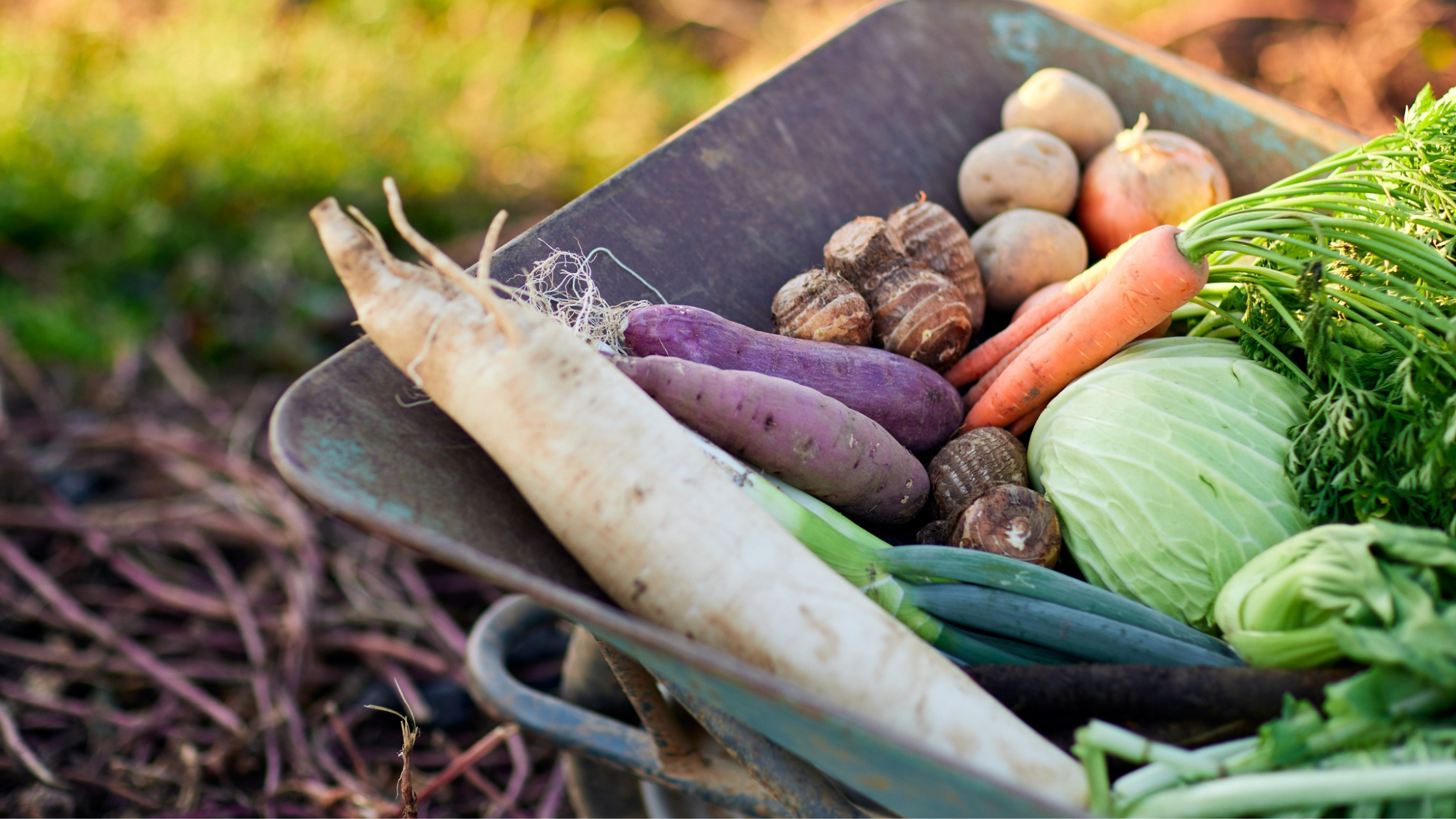
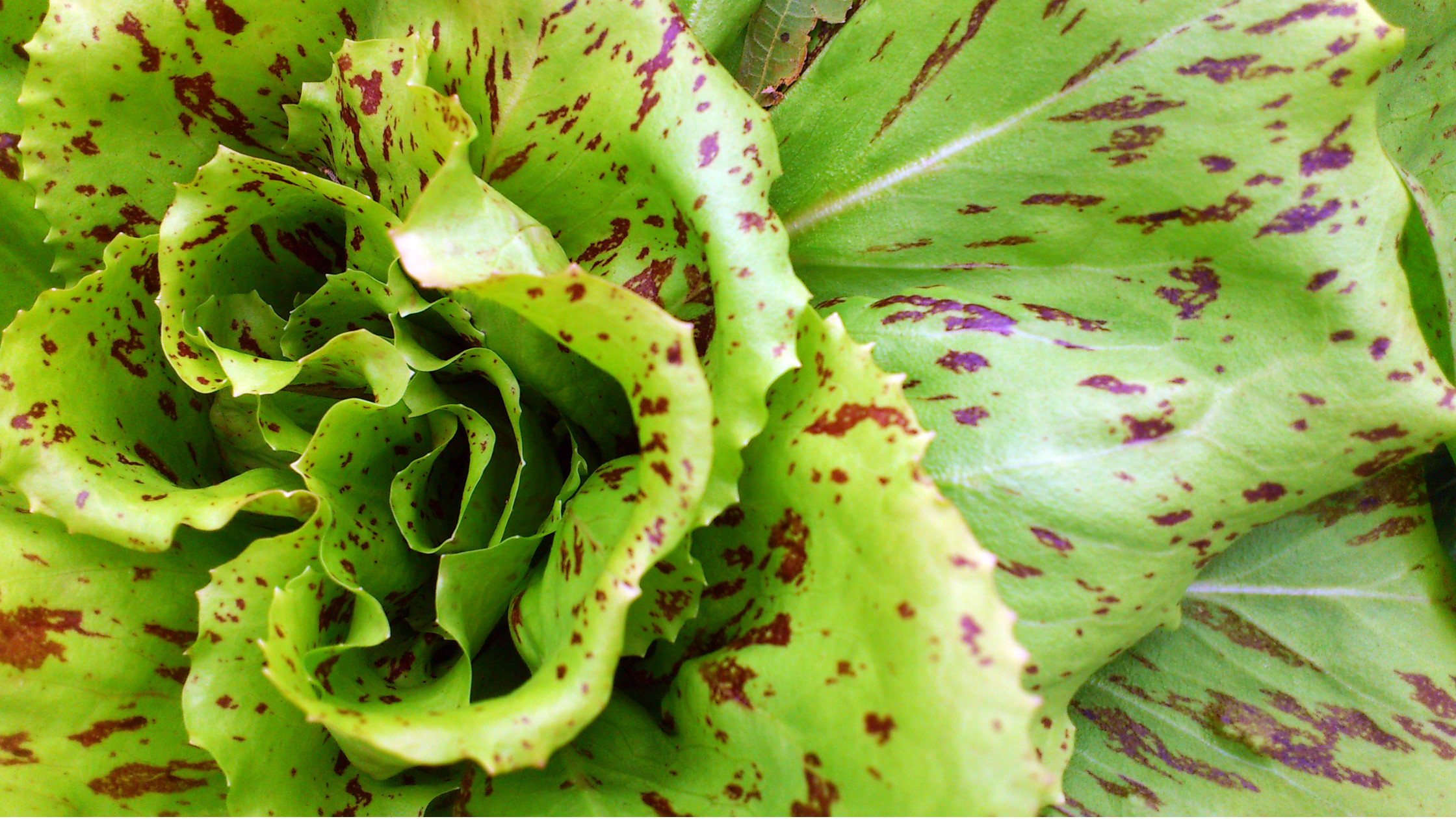
The greatest garden task in September, though, is harvesting! It’s so satisfying to fill my baskets and containers with loads of beans, tomatoes, zucchini, cabbages, corn ears, peppers, herbs and much more. At the end of the month, we can also harvest pumpkins, a second batch of kohlrabi, cauliflower and broccoli and the first autumn lettuce like radicchio, endives and chicory.
Having harvested what’s ripe now, I carry my full baskets into the kitchen.
September in the Kitchen and at Home
Preserving work in the kitchen hasn’t changed much compared to August or July; it’s still fermenting-freezing-drying-canning-making-jams season, my friends! Only the ingredients alter slightly.
From the orchard, blueberries slowly make way for blackberries and elderberries; pears and apples are joined by plums. I love making jam from the berries and freezing the rest. That way, I’ve always got some stock for a quick cake or as a healthy addition to a morning cereal bowl. The pears I love to preserve by canning them with sugar syrup in a water-bath canner or making jam from them. The method differs slightly from making jam from berries, but in this recipe for pear jam, I show you the basic steps. If you feel adventurous, why not try one of these pear jam variations?
Apples are mostly preserved in the form of apple sauce in my household, seeing as my boys consume at least one jar per week. But I make some jars of dry-canned apples for a quick Apfelstrudel or pie-filling. From the scraps, I make loads of apple vinegar each year.
Before temperatures drop too low, I harvest all my basil in the greenhouse in the garden and make a last batch of pesto. If the harvest is large enough, I dry some of the basil for tea. It tastes sweet and light and mixes well with lemon balm and calendula. I dry other herbs like mint, thyme and oregano on a rack for winter.
The back-to-school, it’s-a-home-stretch, let’s-do-this-before-winter-comes energy of September is certainly very helpful for all that simply must be done now. I’m grateful for my newly-found motivation and focus now, don’t get me wrong. It’s almost like in March when I felt my energy levels rise anew and couldn’t wait to get out into the garden.
However, it’s easy to load too much onto our task plates now. With shorter days, I find it more demanding to work long hours. While it was easy to stay up late in July, I get tired by nine now when it has already been dark for almost an hour. Maybe I was a chicken in a former life, craving to snuggle in as soon as the sun sets… Anyway, to accomplish all I want, I know I have to set aside time for myself to make sure I can keep going at my self-induced pace. Let me show you what I do:
Self-Care for Body…
With shorter days and cooler temperatures, I suddenly crave more hearty dishes. A bowl of hot potato soup, roasted root vegetables or simply some cooked beans and cabbage from the garden are what I want now. While cold food like cucumbers and tomatoes were fine during the summer months, I now want something hot and nourishing in September.
To balance that kind of healthy meal, I love some apple pie or plum cake for dessert. Nothing like a large piece of “Augsburger Zwetschgendatschi”, a plum cake with yeast dough and a crumb topping that’s Augsburg’s signature cake, with a healthy dollop of whipped cream to ward off any autumn blues!
I also love making time for exercise. Whether it’s jogging, lifting weights or simply a long stroll through the woods, movement is my key to staying healthy and fit and keeping my energy up. If I can take that movement outside and take in as much sunlight and fresh air as I can get, all the better.
…For Mind…
I’ve got my hands full already with harvesting and preserving in September, and now that school starts again, the load at work increases as well. Everyday routines haven’t established themselves yet, and sometimes it seems as if hundreds of invisible hands were tugging at me and pulling me apart.
To stay calm and keep a level head, I usually try to keep my mind as “clean” as possible. No audiobooks, no mindless scrolling, no challenging books. I’ve learned the hard way that getting too distracted and too “full” now will inevitably lead to irritation, bad sleep and making mistakes.
For that reason, I take the September weeks for a digital detox where I only check my phone twice a day to read my e-mails and respond to texts. And as hard as it is at the beginning, I realise how much calmer I am after a few days.
… And Soul
As often as I can, I go outside to get as much sunlight and fresh air as I can. It’s funny how these easy, free things can do us so much good.
When I realise that my mind is hopping from topic to topic, I sometimes grab my camera, head out and try to capture every aspect of autumn life I can see. That way, I’m not only completely “in the moment”, but I also have some good photos I can print out later for a photo board.
September is also a great time to (re-)connect with friends. In summer, everybody is either on vacation or on some beach or other, but now life has us back, and it’s lovely to meet up, sharing holiday stories or complaining about having to get back to work again 😏. I like it best to organise a gathering where everybody brings something to eat. That way, there’s plenty of food and the workload is manageable.
A New Energy
The summer heat did its best to slow us down, and, to be frank, I quite enjoyed the break. In September, however, life is starting again, and the pace accelerates once more. It’s ok, though, as our energy increases as well.
While August asked us to reflect on the year, September makes us move forward. After all, the year’s got only a few months left, and there’s still so much to do. To keep up with our own expectations, it’s important that we make time for ourselves, new energy or not. Whether it’s taking a stroll outdoors during our lunch break, deeply inhaling the fresh, crisp autumn air, or consciously watching the changes in Nature, doesn’t matter. What matters is that we take those short, conscious breaks from life’s pace to keep our energy levels sufficiently high for the next few months.
Let’s enjoy the sunny days while they last, smell the flowers, eat fresh produce from our gardens and wave summer goodbye. Autumn has arrived and with it an abundance of colour, fragrance and harvest second to none that invites us to a last fabulous dance on the stage of seasons.
Stay in Season
September may bring new energy, but the seasons never stand still for long. If you’d like a little inspiration for making the most of each one, join me in the Seasonal Simple Life newsletter.
Every few weeks, I share seasonal ideas from the garden, kitchen and pantry, along with new articles and simple projects for living a little closer to the rhythm of the year.
Come along, and let’s see what the next season brings.
Every month has its own rhythm — from quiet winter days and the first stirrings of spring to abundant summers and the slow return of autumn.
If you’d like to continue through the year with me, explore the Seasonal Reflections series and discover the small changes, seasonal rituals and everyday moments that make each month different.
A few days ago, an acquaintance said to me: “You’ll sure be glad that things are slowing down in the garden now that it’s September, aren’t you?” Very obviously, she’s not a gardener herself. Otherwise, she would know that September is one of the busiest months in the garden! Mostly it’s about harvesting and preserving said harvest, but there are a few other things we must think about now. Let’s see what garden tasks September has in store.
September Garden Checklist: Essential Tasks at a Glance
If your time is limited, concentrate on these essential September garden jobs:
Harvest ripe vegetables, fruits and herbs
Preserve surplus crops for winter
Sow late-season vegetables for your autumn and winter harvest
Clear finished crops and protect the soil with mulch
Watch the weather forecast and protect tender crops from night frosts
Climate note: These September garden tasks are based on my garden in Bavaria (roughly zone 7b) and are generally suitable for temperate climates. Adjust sowing and frost-protection dates to your local conditions.
Here’s a quick overview of the most important garden tasks to tackle in September:
Garden Task
Best Time in September
Priority
Harvesting
When plants are ripe
High
Preserving harvest
After harvest
High
Checking for diseases
Every second day
High
Sowing
After gaps form due to harvest
High
Cutting off tomato flowers
mid-September
Medium
Mulching
When beds are empty
Medium
Protect tender veggies from frost
When night frost is forecast
High
Propagate strawberries
early September
Medium
Seasons are fluid, as you know, and if you’re just transitioning from late summer into early autumn, you may want to have a look at these August garden tasks. Some jobs started last month and are still to be continued in September – especially harvesting and sowing for a late harvest.
Now let’s look at the most important September gardening jobs that will keep your vegetable garden productive through early autumn:
1. Harvest and Preserve September Crops
✔️ Why it matters: Vegetables harvested at the right time taste better and can be preserved for winter.
In my garden in Bavaria, September is the busiest harvesting and preserving month of the whole year. Many vegetables are ripe now, herbs can be cut and dried, frozen or processed a last time, and apple, pear and plum trees finally can’t hold their load any longer and shed it if we’re not quick enough to pick it.
Some vegetables like tomatoes, potatoes, peppers, beans, zucchini, etc. must be harvested when they’re ripe. If you leave them too long on the plant, they either rot or become too large (hello baseball-bat-zucchini) and tasteless.
Some root vegetables, however, like beetroots, carrots and parsnips, can stay in the soil even when they’ve reached their harvesting size. In fact, with a thick layer of mulch that protects them from the cold, they can easily stay outdoors right into winter and can be harvested as long as the soil’s not frozen solid. Carrots and parsnips can even become sweeter after exposure to cold temperatures.
Need ideas for using your September harvest? Turn freshly harvested beetroot into my quick and easy beetroot curd, preserve the seemingly endless zucchini glut with my zucchini pickles, or explore my Preserving guides for more ways to make your harvest last.
2. Remove Late Tomato Flowers
✔️ Why it matters: Help tomatoes ripen their fruits.
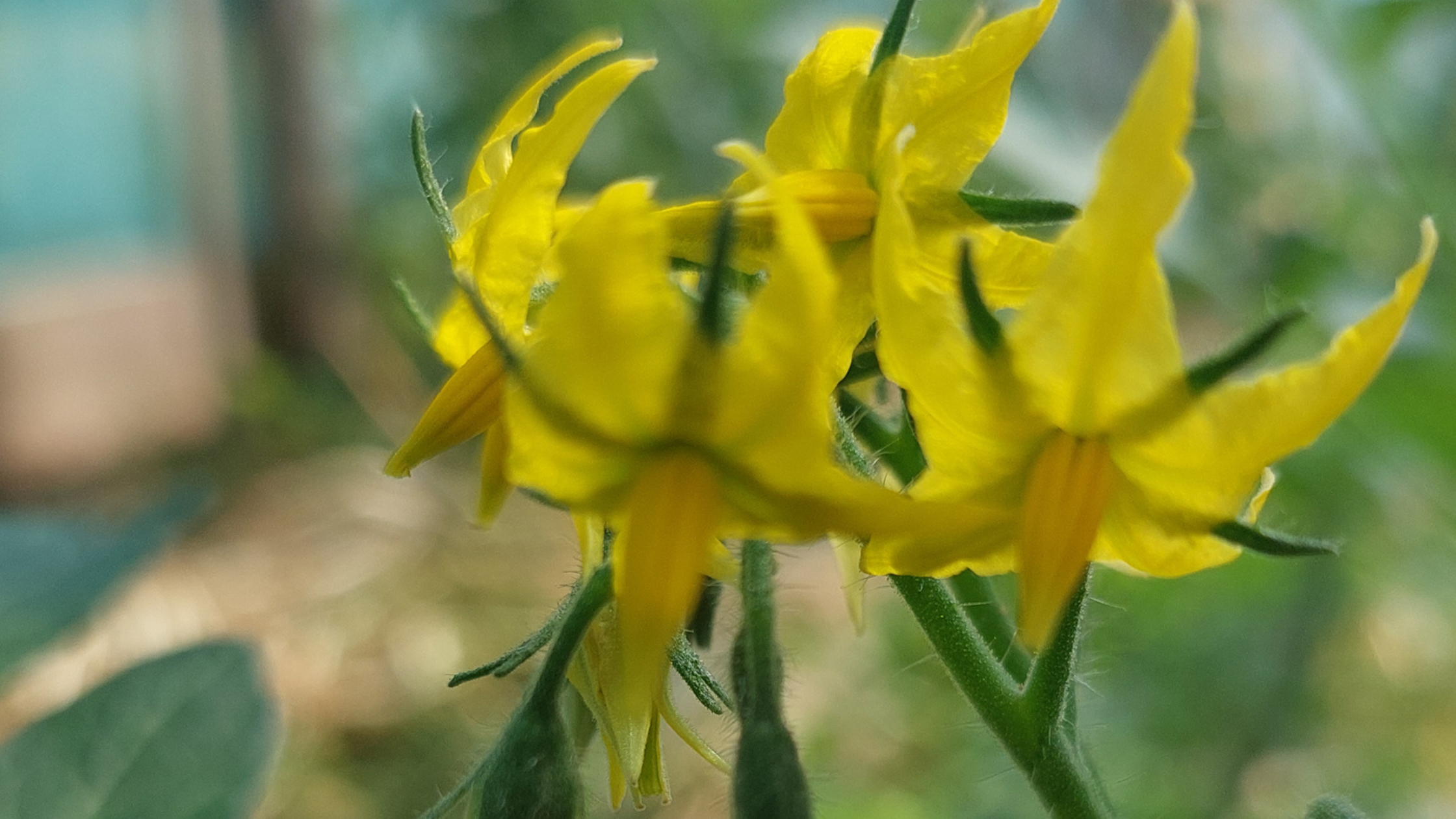
This may sound counterproductive, but here’s the hard truth: here in Bavaria, tomatoes that develop from flowers appearing this late in the season are very unlikely to ripen before temperatures become too cold. For that reason, I cut off all tomato flowers, helping the plants focus all their energy on ripening the tomatoes that have already formed.
✔️ Why it matters: Sowing in September prolongs your harvest through the winter months.
This may be a surprise to you (at least it would be to my acquaintance), but you can still sow vegetables in September. What you sow now will not only feed you in autumn but will make for your winter (and spring!) harvest.
Whenever you harvest a row in your patch, therefore, fill the gap with cold- and winter-hardy seeds, for example lamb’s lettuce, Asian leafy greens, spinach, Swiss chard, radishes or cress. That way, you can harvest and eat fresh produce throughout the winter.
If you’ve got a greenhouse or a cold frame, all the better: your winter vegetables will be more sheltered from cold, wind and frost, although they may still need extra protection during severe cold spells.
You can also sow vegetables now that will overwinter in the beds and can be harvested earlier next season, for example, broad beans or winter-hardy peas.
Want a reminder of what to do in the garden each month? Get seasonal garden tasks, sowing ideas and practical tips delivered straight to your inbox.
4. Clean Up Diseased and Dying Plants
✔️ Why it matters: Cleaning up prevents diseases from spreading
Although it’s comparatively late in the season, it doesn’t mean that plants can’t develop diseases. In fact, September is prime time for powdery mildew, blight and other fungal problems, especially as nights become cooler and damper.
Check your plants regularly for signs of disease and discard infected parts or plants. Don’t use heavily diseased plant material as mulch, though. I also avoid putting it on my home compost, as a small compost pile may not become hot enough to destroy certain pathogens. Dispose of it according to your local recommendations instead.
If you’ve got dead plants or parts of plants on your patches, remove them as well. If they’re not infected with any diseases, you can put them into the compost where they will decompose over the next months and transform into new, nutritious soil. Another way to use dead plants is to use them as mulch (see next point).
5. Protect Empty Garden Beds
✔️ Why it matters: Keep the soil covered to prevent erosion and deep freezing.
When we take a look at Nature, there’s no soil left uncovered. Either something grows, or it’s covered with some form of mulch. In our vegetable gardens, we want to imitate Nature.
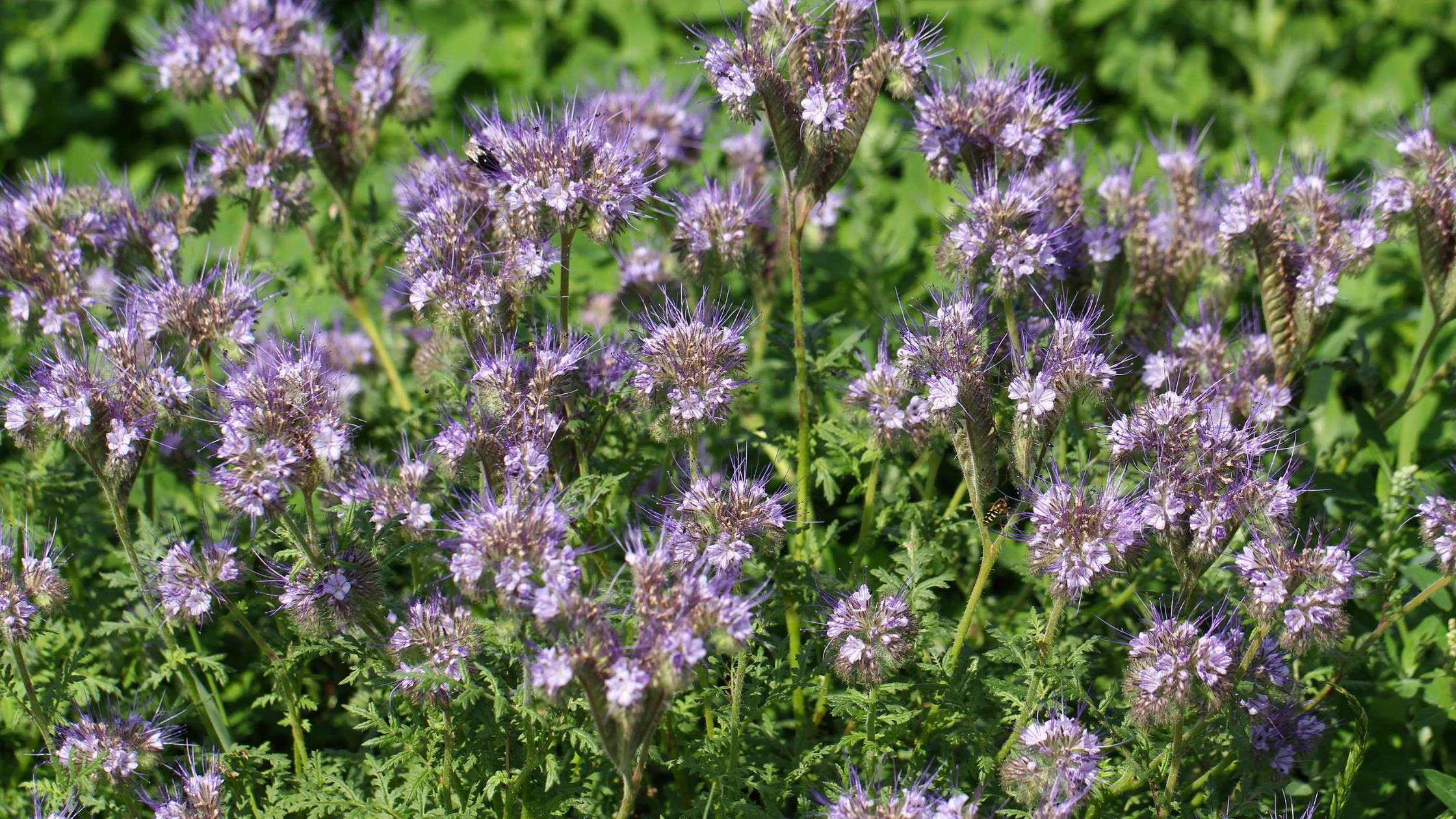
If you don’t want to grow winter vegetables throughout your whole garden, you could sow green manure in the empty patches. Good cover plants include Phacelia, winter rye, or winter peas (not the vegetables we want to eat, but rather a more robust variety that can also be used as animal feed).
Another way to keep our beds protected is by covering them with thick layers of mulch. Dead leaves, grass clippings, cut-up remains of harvested vegetables (if not infected with diseases! see above), sheep wool – these are only a few examples of what you can use as mulch. Cover empty beds with a layer of organic mulch. Around 5–10 cm (2–4 inches) is sufficient for many materials; dry autumn leaves can be applied more generously because they settle considerably.
6. Propagate Strawberry Runners
✔️ Why it matters: Get new plants for free.
While my strawberry bed looked neat and orderly in spring, it’s covered in plants now. The strawberries have developed long stalks that spread out of the plant and have built roots where they touched the soil. That way, new strawberry plants have formed throughout my patch. I could rip them out, of course, but it would be a shame. Instead, I dig up the runners and either plant them in pots or other containers filled with compost or directly into another patch where they will bear fruit next summer.
I always choose healthy, well-rooted daughter plants, preferably those closest to the parent plant, and discard weak or diseased runners.
7. Protect Tender Crops from Early Frosts
✔️ Why it matters: One cold night can end the harvest of tender summer crops prematurely.
Admittedly, here in Bavaria we seldom have frosty nights in September, but it’s not entirely unheard of. That said, and depending on your growing zone, there could be frosty or near-zero temperatures even in September.
Keep an eye on nighttime temperatures, particularly if they are forecast to approach 0°C (32°F). Tender crops such as tomatoes, peppers, cucumbers and courgettes can suffer from cold well before a hard frost, so covering them with horticultural fleece on particularly cold nights can extend the harvest. After all, it may only be one night, and the days will still be warm enough for the plants to ripen properly. It would be a pity if we just let them die before getting that pretty harvest.
Common September Gardening Mistakes
Assuming the growing season is over
September can still provide weeks or even months of productive growing. Empty beds can be replanted with fast-growing or cold-hardy crops.
Leaving ripe vegetables on the plants too long
Regular harvesting keeps many plants productive and prevents courgettes, beans and cucumbers from becoming oversized or poor in quality.
Leaving soil bare over winter
Empty beds are vulnerable to erosion, nutrient loss and weather damage. Sow a cover crop or protect the soil with organic mulch.
Sowing autumn crops too late
Day length decreases rapidly in autumn. Crops sown too late may germinate but barely grow before winter. In September, don’t postpone sowing simply because the weather is still warm.
Ignoring the weather forecast
One unexpectedly cold night can damage tender crops even when another spell of mild weather follows. Keep fleece or another suitable cover ready.
Composting or mulching diseased plants
Healthy plant residues are valuable organic matter, but heavily diseased foliage can carry problems into the next growing season.
Frequently Asked Questions About Gardening in September
What should I do in my vegetable garden in September?
September is mainly a month for harvesting, preserving, sowing cold-hardy vegetables, clearing finished crops and preparing beds for autumn and winter. You should also monitor nighttime temperatures and protect tender crops if unusually cold weather is forecast.
What vegetables can I sow in September?
Depending on your climate, September sowings can include spinach, lamb’s lettuce, winter lettuce, rocket, radishes, winter cress and Asian salad greens. Hardy overwintering peas and broad beans can also be autumn-sown in suitable climates for an earlier crop the following year.
Is September too late to sow vegetables?
No. Although warm-season crops are coming to an end, September is a good time to sow many cold-hardy vegetables. The exact sowing window depends on your climate, daylight and first-frost date.
Should I clear my vegetable garden in September?
Clear finished and diseased plants, but there is no need to leave the soil bare. Empty beds can be planted with winter crops or cover crops, or protected with organic mulch.
Should I cut the flowers off tomato plants in September?
In cool temperate climates, removing new tomato flowers in September can help the plant direct its remaining energy towards fruit that has already formed. In warmer climates with a long autumn growing season, this may not be necessary.
When should I protect vegetables from frost?
Watch your local forecast as autumn approaches. Tender crops such as tomatoes, peppers, courgettes and cucumbers benefit from protection when temperatures become very low or frost is forecast. Hardy autumn and winter vegetables usually need much less protection.
Can carrots and parsnips stay in the ground over winter?
Yes, in many climates carrots and parsnips can remain in the soil well into winter, particularly under a protective layer of mulch. Harvest them before the ground freezes solid or prolonged severe cold makes digging impossible.
What should I do with empty vegetable beds in September?
You can sow another crop, plant a green manure or cover crop, or cover the bed with organic mulch such as autumn leaves, compost or other suitable plant material. Keeping the soil covered protects it and supports soil life.
Follow the seasons with me Get practical ideas for growing, preserving and making the most of each season — one project at a time.
Why September Garden Jobs Make All The Difference
To an outsider (aka non-gardener), it may seem as if the garden season stops in September, but that is definitely not the case! In fact, there are three main pillars that not only keep the harvest going but set the basis for a healthy and fruitful garden next season:
Harvesting and preserving whatever’s ready now
Tending to our vegetables by checking for diseases and discarding infected plants
Setting the foundation for our autumn, winter and even next spring harvest.
Temperatures may have dropped a bit and days noticeably grow shorter, but harvesting is still in full swing. Alongside summer crops like tomatoes, cucumbers and zucchini, the first apples, pears and plums, as well as autumn vegetables like cabbages, are ripe now. It can feel overwhelming to stand in front of a basket (or baskets) full of freshly picked fruits and vegetables and know that they must be preserved. But imagine the joy and deep satisfaction you’ll feel when, in winter, you can “shop” in your pantry for food! That’s worth the effort you’ve got to put in right now.
If your harvest is coming in faster than you can eat it, explore my preserving guides and recipes for ideas on fermenting, pickling, canning and more.
Also, we are already preparing the ground for next year’s season. By sowing autumn and winter crops or green manure and covering empty patches with organic matter, we make sure the soil is covered and well-protected. That way, our garden can rest safely once winter comes and wake up fresh and nutritious when the new season has arrived next spring.
Looking ahead: October will bring another shift in the garden, with fewer summer crops and more preparation for the cold months ahead. Continue with my October garden tasks to see what comes next.
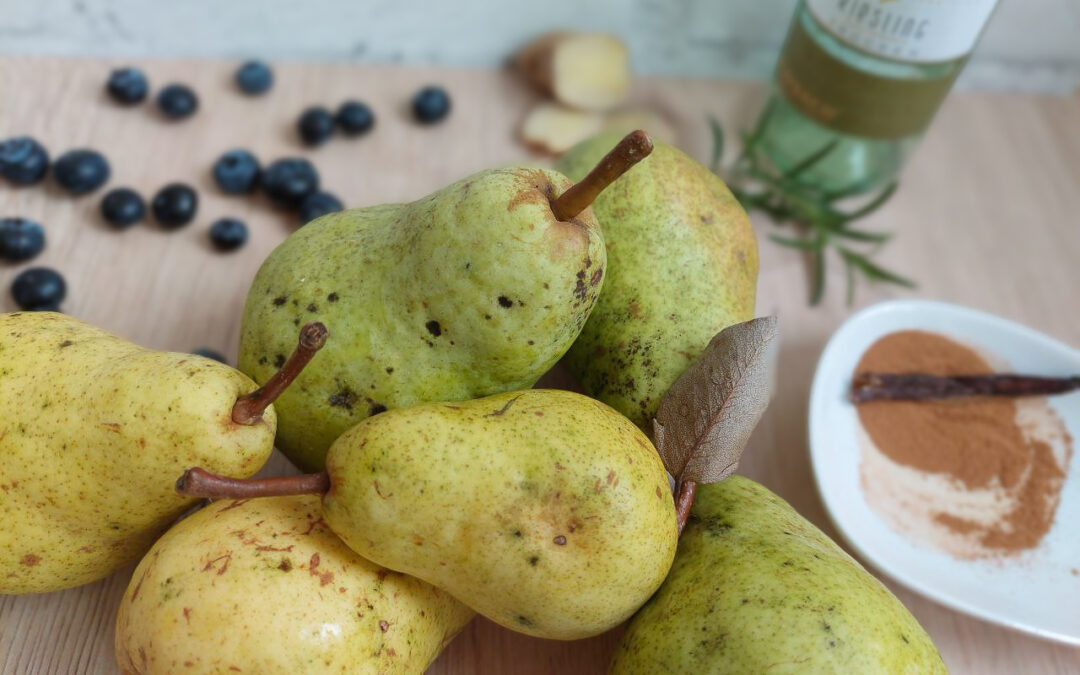
Although it’s still August – well, the end of August to be exact – we can already see the first signs of autumn around here: early morning mists, slightly shorter days and the first pears that are ready to be harvested! A few days ago, my dear colleague Bernadette came round and brought two buckets full of pears. Some of them were picked and unblemished – they will last a bit. But the others have fallen from the tree and have bruises. Those had to be processed as soon as possible. I chose to make jam from them, and although I love the classic pear jam, I didn’t want to make a large batch of just that one type. So, I got creative and paired the pears with different ingredients for warm and spicy as well as fresh and bright variations. They all turned out great!
But I don’t want to keep these heavenly recipes all to myself😊. Read on for my pear jam variations.
Note: Before you start, sterilise your jars and lids properly to prevent your jam from spoiling. In this guide, you can see how it’s done.
Pear Jam with Spices
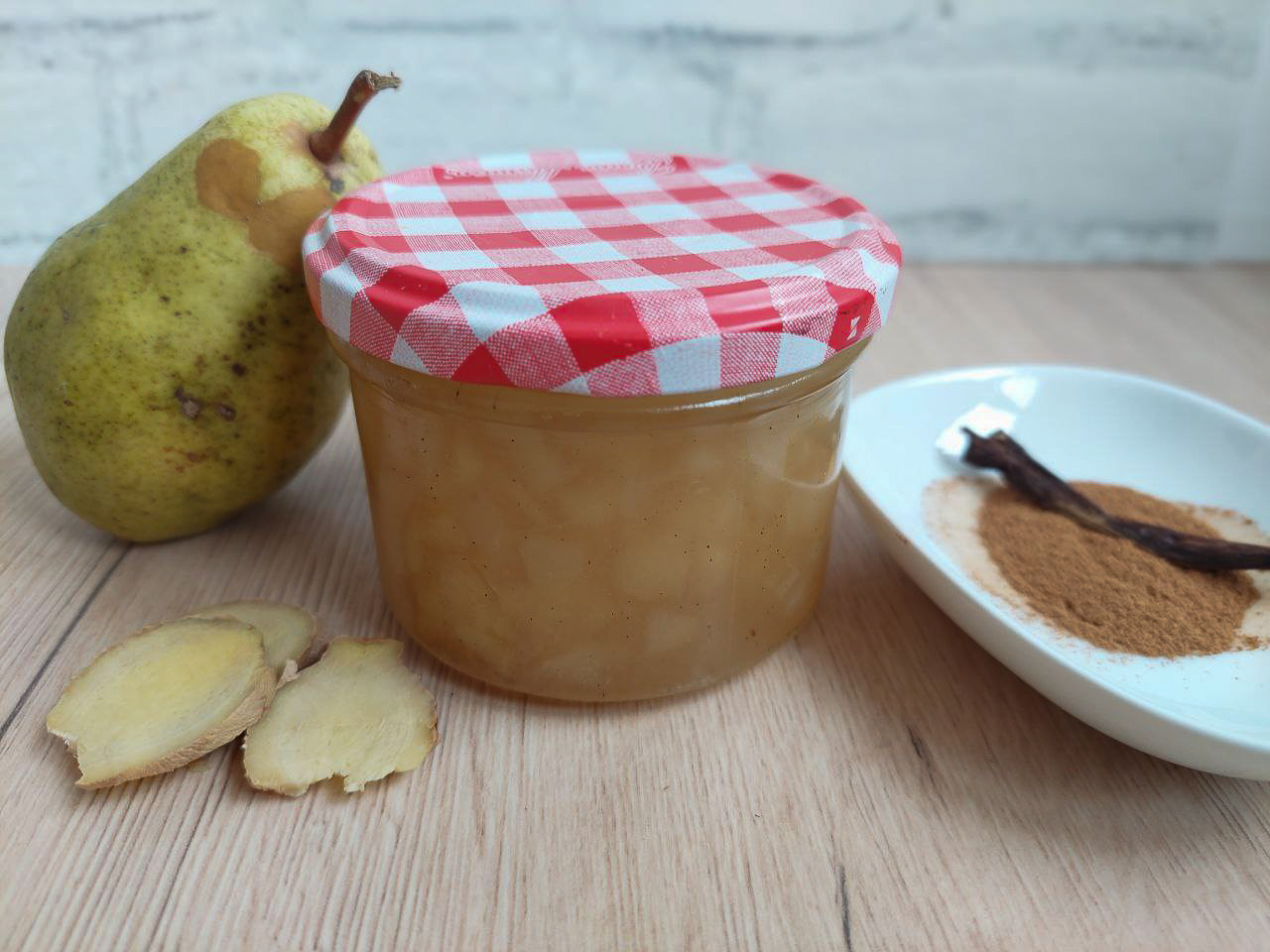
This recipe makes for a wonderfully soft and velvety pear jam. The combination of vanilla, ginger and cardamom adds a warm, yet zesty flavour. A great spread for an autumn breakfast.
1sachetpectinonly if you use normal sugar; leave out if you use jam sugar
2lemons
1/2vanilla pod
1/4tspground cardamom
1/2tspdried ground ginger
Method
Prepare your jars by washing them and the lids with hot water and let them cool on a towel or drying rack.
Wash the pears, peel them and cut them into quarters. Then weigh them.
Cut the pear quarters lengthwise into 2 - 3 slices and chop them finely.
Put the chopped pears in a pot, mix them with sugar and add the cardamom and ginger.
Slice open the vanilla pod and scrape the seeds out. Put the seeds as well as the pod into the pot with the pears.
Squeeze the lemons.
Mix the pears with the sugar, lemon juice and spices and let it all rest for at least 3 hours (you can also let it rest overnight). During that time, juice will form.
Heat the mixture while constantly stirring to prevent it from burning.
When the pears have come to a rolling boil, let it all cook rapidly for 4 minutes.
Pour the jam in jars and immediately close the lids tightly.
Once it's cool, the jam is ready for consumption.
Notes
This is a recipe for a soft pear jam with warm spices and can be stored for up to one year.
Pear Jam with Rosemary
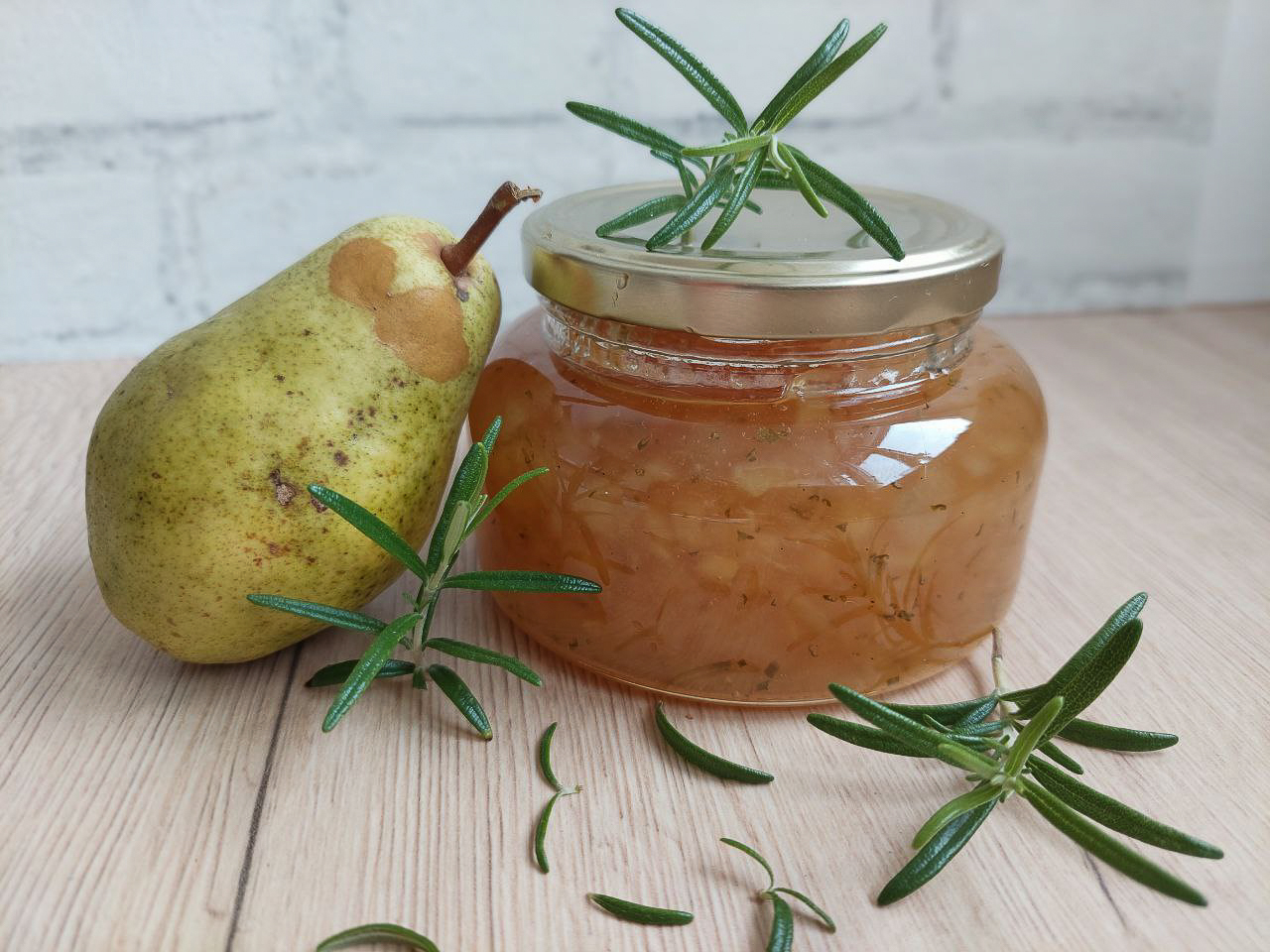
If you like tarte flambée with goat cheese, pears and rosemary, you’ll love this recipe! The combination with pears and rosemary works wonderfully and doesn’t taste too “herbally”. It has a flavour that brings back summer, and as with the tarte flambée, pear jam with rosemary is a great addition to a cheese board.
Angela Braun
Pear Jam with Rosemary
A fresh pear jam variation that brings back summer with the unique rosemary pairing.
1sachetpectinonly if you use normal sugar; leave out if you use jam sugar
2lemons
3 tbspfinely cut rosemary
Method
Prepare your jars by washing them and the lids with hot water, let them cool on a towel or drying rack.
Wash the pears, peel and core them and cut them into quarters. Then weigh them.
Cut he pear quarters lengthwise into 2 - 3 slices and chop them finely.
Squeeze the lemons.
Finely chop the rosemary.
Put the chopped pears in a pot, mix them with sugar, lemon juice and rosemary and let the mixture rest for at least 3 hours (you can also let it rest overnight).
After resting, heat the mixture up and stir constantly to prevent it from burning.
When it all boils, let it cook rapidly for 4 minutes.
Pour the jam in jars and immediately close the lids tightly.
Pear Jam with Riesling
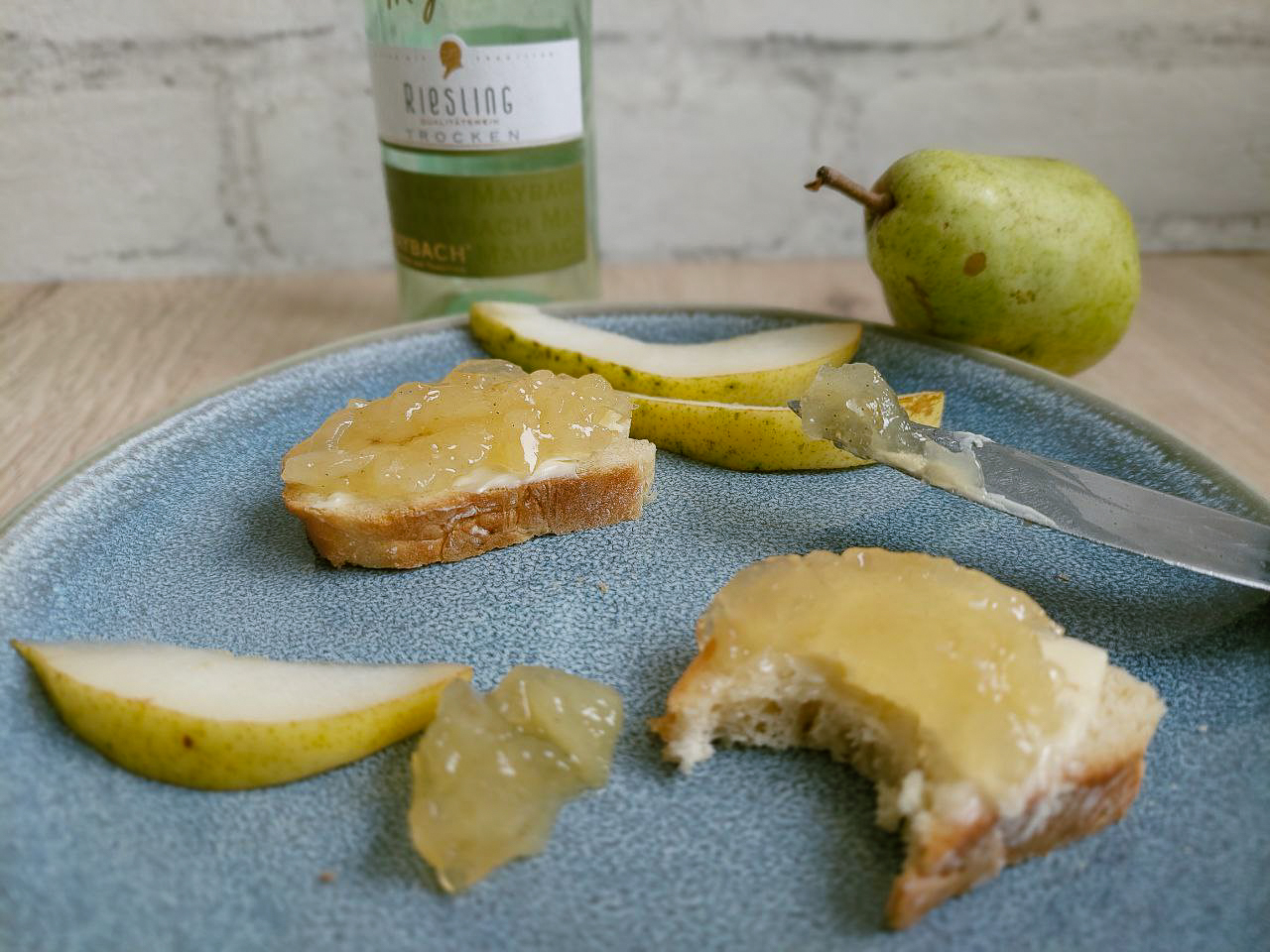
With this pear jam variation, you’ll certainly impress everyone! Pears go very well with white wine, which adds a subtle fruitiness and depth. For this recipe, I’ve chosen a dry Riesling. You can, of course, use any other white wine as long as it’s dry. It will alter the taste, though.
A word of warning: This is not for children! Part of the alcohol in this recipe will evaporate during cooking, but maybe not all.
Angela Braun
Pear Jam with Riesling
The Riesling adds a subtle fruitiness and depth to this pear jam.
1sachetpectinonly if you use normal sugar; if you use jam sugar leave the pectin off
Method
Prepare your jars by washing them and the lids with hot water and let them cool on a towel or drying rack.
Wash the pears, peel and core them and cut them into quarters. Then weigh them.
Cut the pear quarters lengthwise into 2 - 3 slices and chop them finely.
Put the chopped pears in a pot, mix them with the sugar, pectin (if needed) and the Riesling.
Mix it all and let it rest for at least 3 hours (you can also let it rest overnight).
Heat the mixture up while constantly stirring to prevent it from burning.
When the mixture has come to a rolling boil, set your timer and let it all cook rapidly for 4 minutes.
Pour the jam in jars and immediately close the lids tightly.
Once it's cool, the jam is ready for consumption.
Notes
This is not a recipe for children! Part of the alcohol in this recipe will evaporate during cooking, but maybe not all.
Pear-Blueberry Jam with Cinnamon
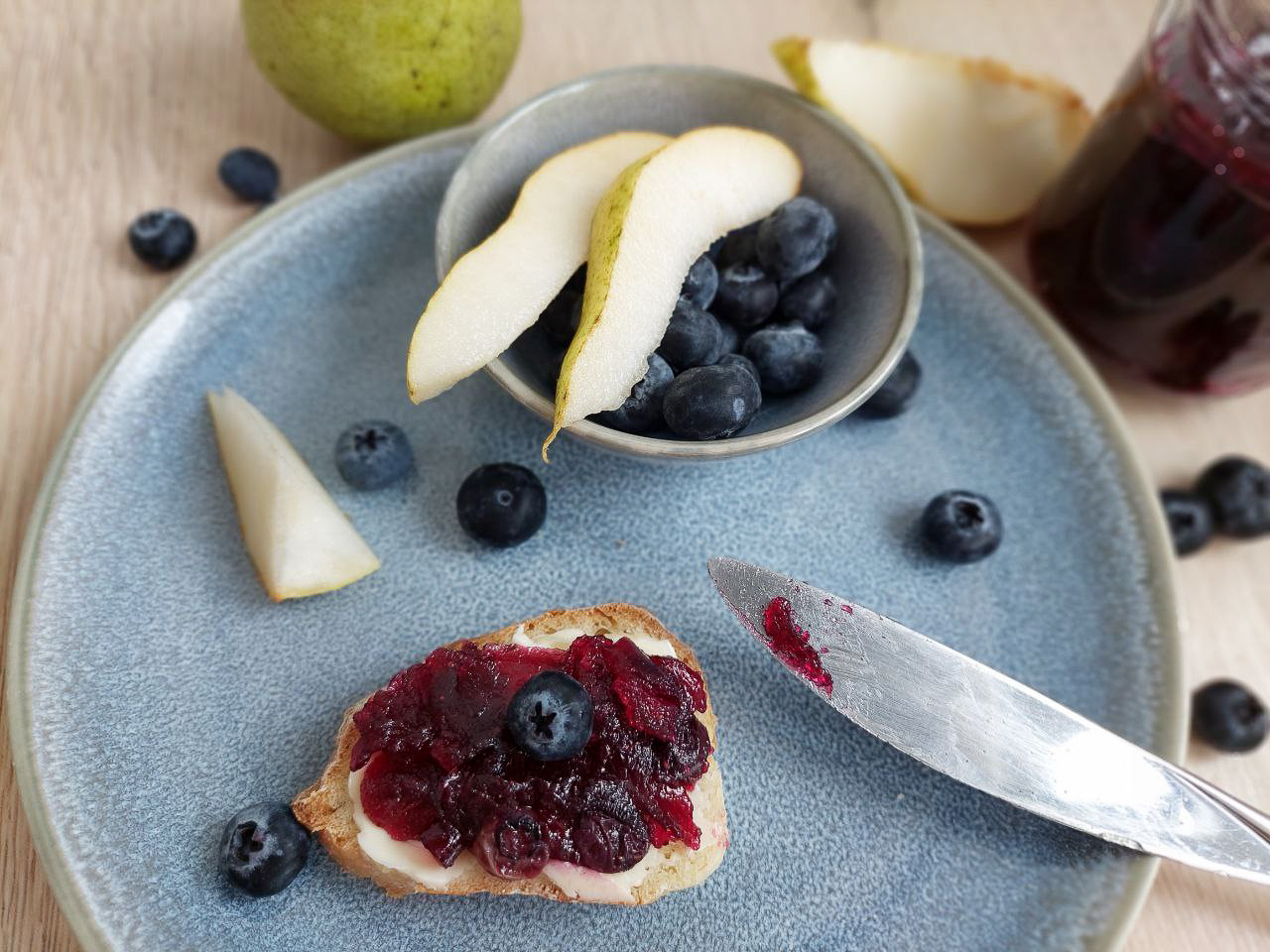
Now this pear jam variation is definitely (but not only) for children! If you had to keep your offspring away from the Riesling jam, offer them this pear-blueberry jam with cinnamon instead. They’ll love it. And with the (late) summer blueberries, the autumn pears and wintery cinnamon, we combine three seasons in one jar.
Angela Braun
Pear-Blueberry Jam with Cinnamon
Three seasons in a jar that will not only delight children!
1 sachetpectinonly if you use normal sugar; if you use jam sugar, leave the pectin off
1tbspground cinnamon
2lemons
Method
Prepare the jars by washing them and the lids with hot water and let them cool on a towel or drying rack.
Wash the pears, peel and core them, and cut them into quarters. Then weigh them.
Cut the pear quarters lengthwise into 2 - 3 slices and chop them finely.
Wash the blueberries.
Squeeze out the lemons.
Put the chopped pears and the blueberries in a pot and mix them with the sugar, pectin (if needed), lemon juice and cinnamon.
Let it all rest for at least 3 hours (you can also let it rest overnight).
Heat the mixture up and stir it all constantly to prevent it from burning.
When the fruits have come to a rolling boil, let it all cook rapidly for 4 minutes.
Pour the jam in jars and immediately close the lids tightly.
Once it's cool, the jam is ready for consumption.
Notes
This is not only a great addition to your breakfast table but also makes a good spread for a quick Victoria sponge roll.
All of the above recipes make 6 jars à 1/4 l and are shelf-stable for up to 1 year. If your family is anything like mine, however, none of these pear jam variations will last that long 😄.
Now it’s your turn! Which of these pear jam variations are you most excited to try? I’d love to know if you lean toward the warm spices of autumn, the sophisticated Riesling version, or the herbaceous rosemary combination. And if you create your own variation, please share—I’m always looking for new flavour inspiration!
Want more jam-making inspiration? Check out this post: