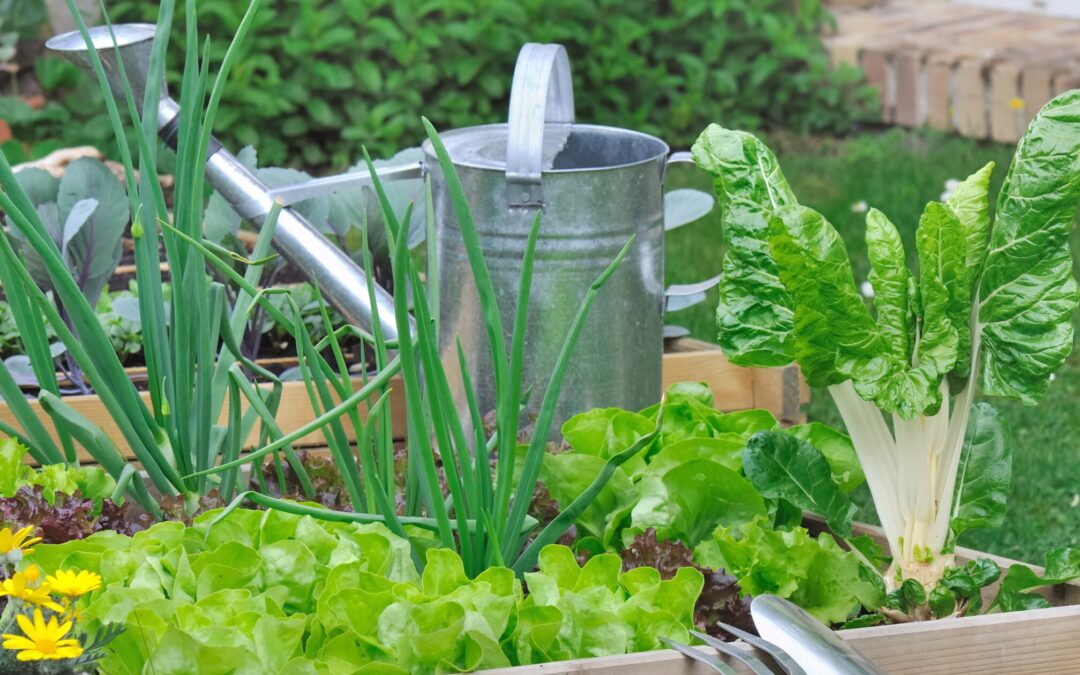
A few days ago, an acquaintance said to me: “You’ll sure be glad that things are slowing down in the garden now that it’s September, aren’t you?” Very obviously, she’s not a gardener herself. Otherwise, she would know that September is one of the busiest months in the garden! Mostly it’s about harvesting and preserving said harvest, but there are a few other things we must think about now. Let’s see what garden tasks September has in store.
September Garden Checklist: Essential Tasks at a Glance
If your time is limited, concentrate on these essential September garden jobs:
Harvest ripe vegetables, fruits and herbs
Preserve surplus crops for winter
Sow late-season vegetables for your autumn and winter harvest
Clear finished crops and protect the soil with mulch
Watch the weather forecast and protect tender crops from night frosts
Climate note: These September garden tasks are based on my garden in Bavaria (roughly zone 7b) and are generally suitable for temperate climates. Adjust sowing and frost-protection dates to your local conditions.
Here’s a quick overview of the most important garden tasks to tackle in September:
Garden Task
Best Time in September
Priority
Harvesting
When plants are ripe
High
Preserving harvest
After harvest
High
Checking for diseases
Every second day
High
Sowing
After gaps form due to harvest
High
Cutting off tomato flowers
mid-September
Medium
Mulching
When beds are empty
Medium
Protect tender veggies from frost
When night frost is forecast
High
Propagate strawberries
early September
Medium
Seasons are fluid, as you know, and if you’re just transitioning from late summer into early autumn, you may want to have a look at these August garden tasks. Some jobs started last month and are still to be continued in September – especially harvesting and sowing for a late harvest.
Now let’s look at the most important September gardening jobs that will keep your vegetable garden productive through early autumn:
1. Harvest and Preserve September Crops
✔️ Why it matters: Vegetables harvested at the right time taste better and can be preserved for winter.
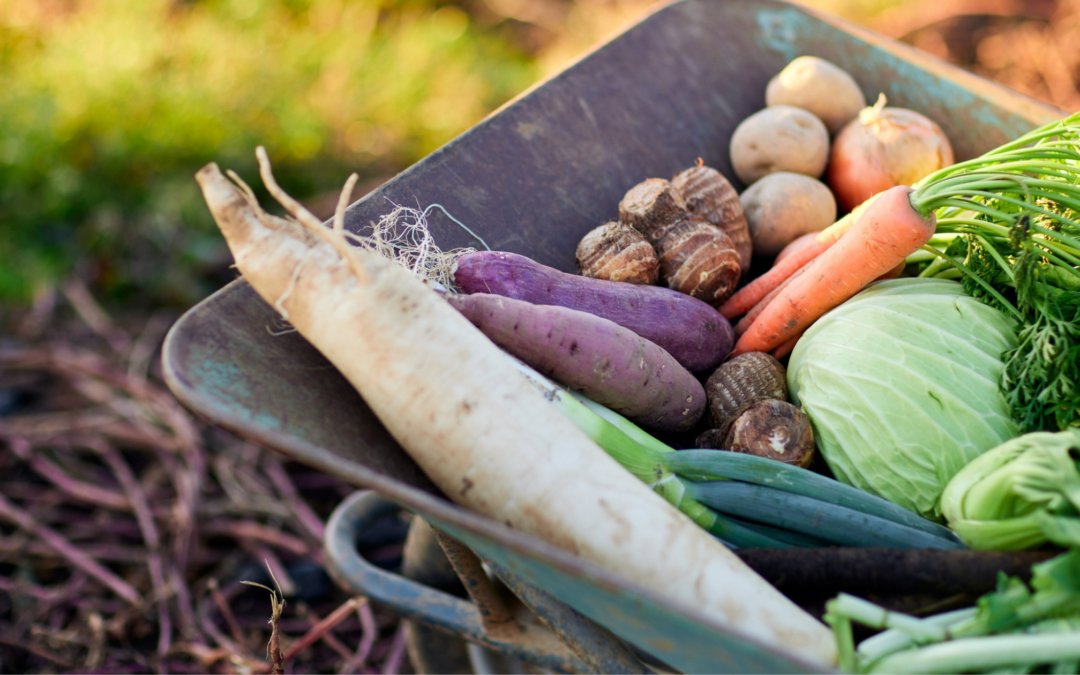
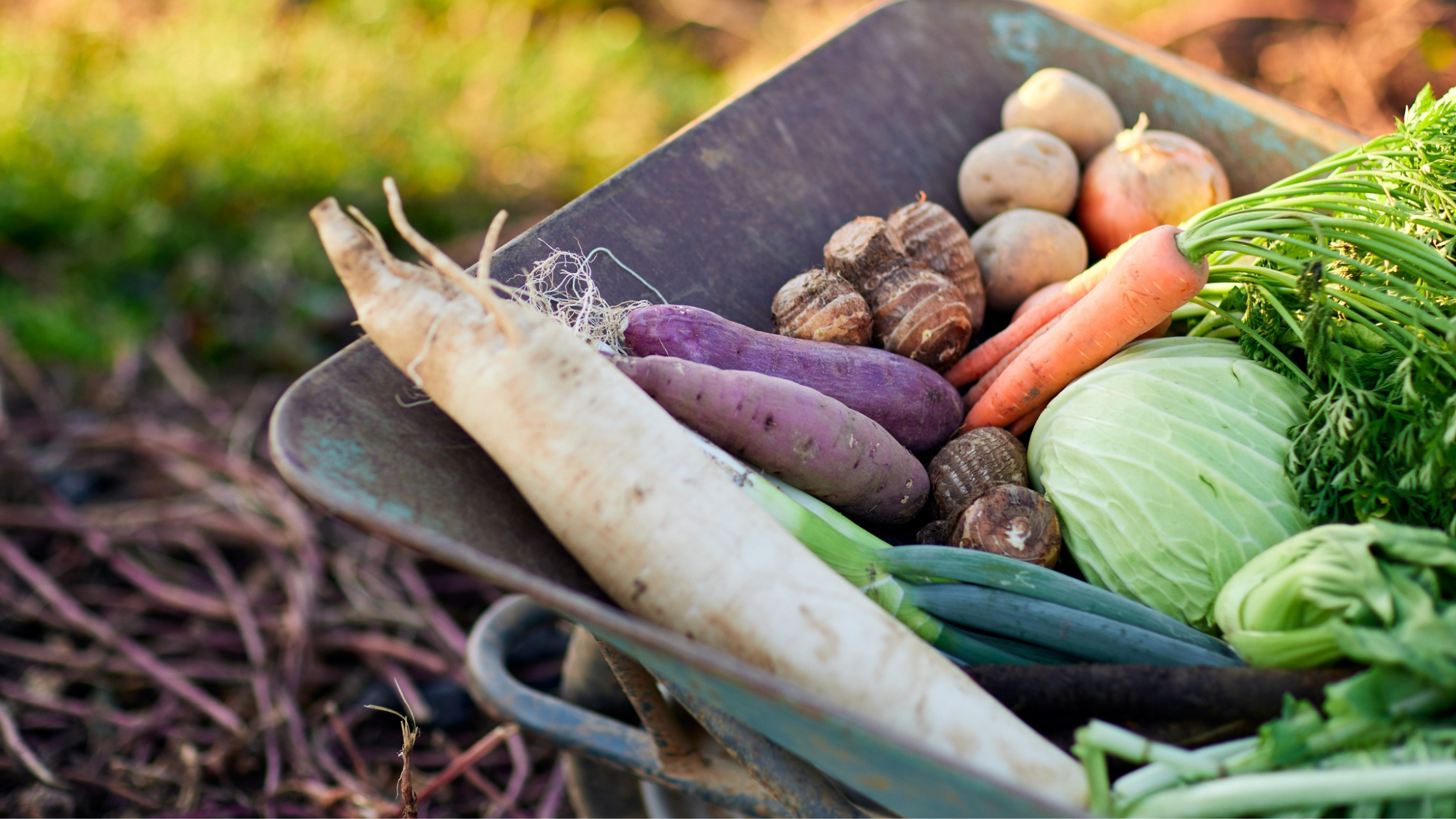
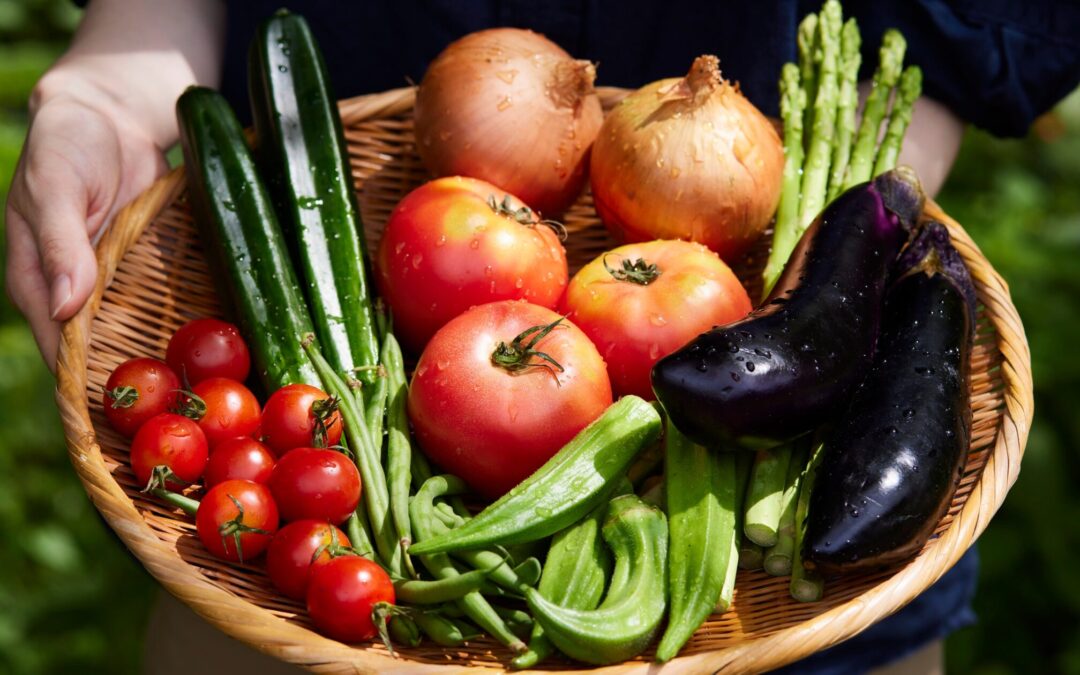
In my garden in Bavaria, September is the busiest harvesting and preserving month of the whole year. Many vegetables are ripe now, herbs can be cut and dried, frozen or processed a last time, and apple, pear and plum trees finally can’t hold their load any longer and shed it if we’re not quick enough to pick it.
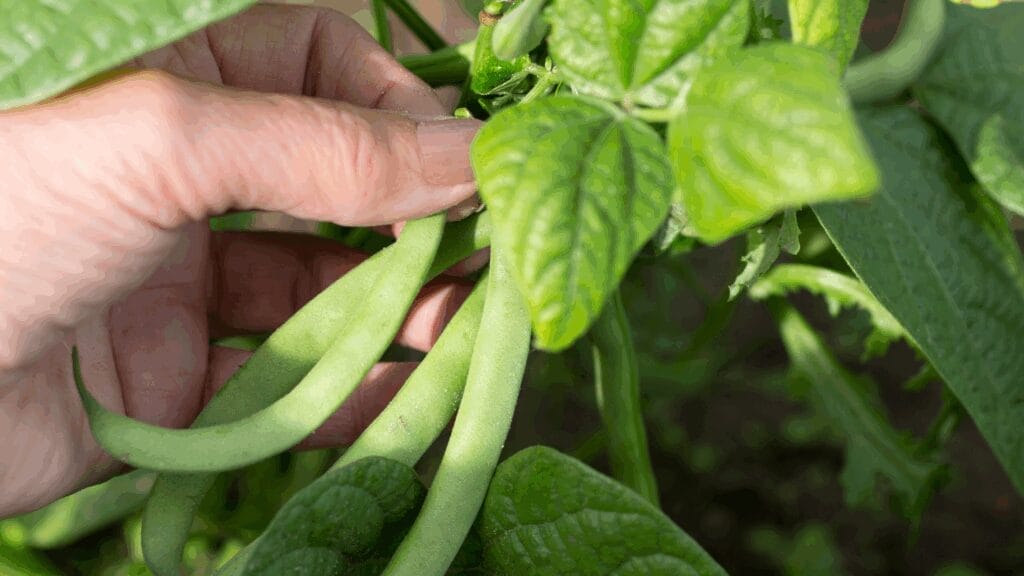
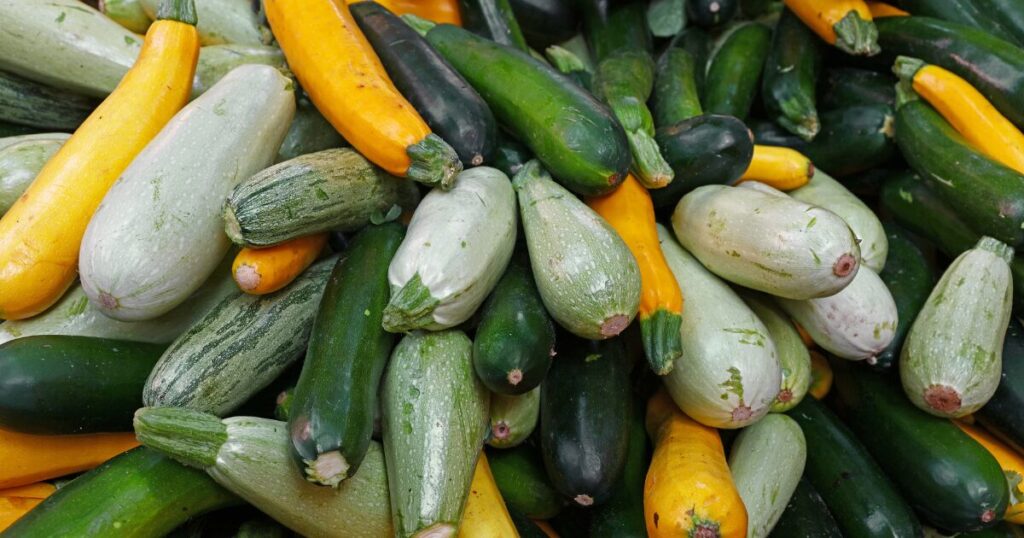
Some vegetables like tomatoes, potatoes, peppers, beans, zucchini, etc. must be harvested when they’re ripe. If you leave them too long on the plant, they either rot or become too large (hello baseball-bat-zucchini) and tasteless.
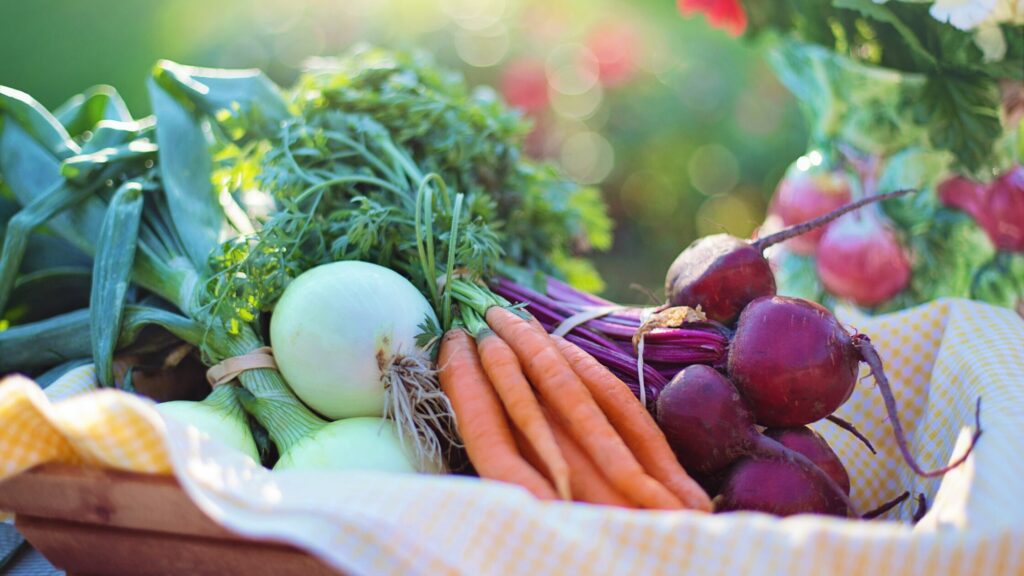
Some root vegetables, however, like beetroots, carrots and parsnips, can stay in the soil even when they’ve reached their harvesting size. In fact, with a thick layer of mulch that protects them from the cold, they can easily stay outdoors right into winter and can be harvested as long as the soil’s not frozen solid. Carrots and parsnips can even become sweeter after exposure to cold temperatures.
Need ideas for using your September harvest? Turn freshly harvested beetroot into my quick and easy beetroot curd, preserve the seemingly endless zucchini glut with my zucchini pickles, or explore my Preserving guides for more ways to make your harvest last.
2. Remove Late Tomato Flowers
✔️ Why it matters: Help tomatoes ripen their fruits.
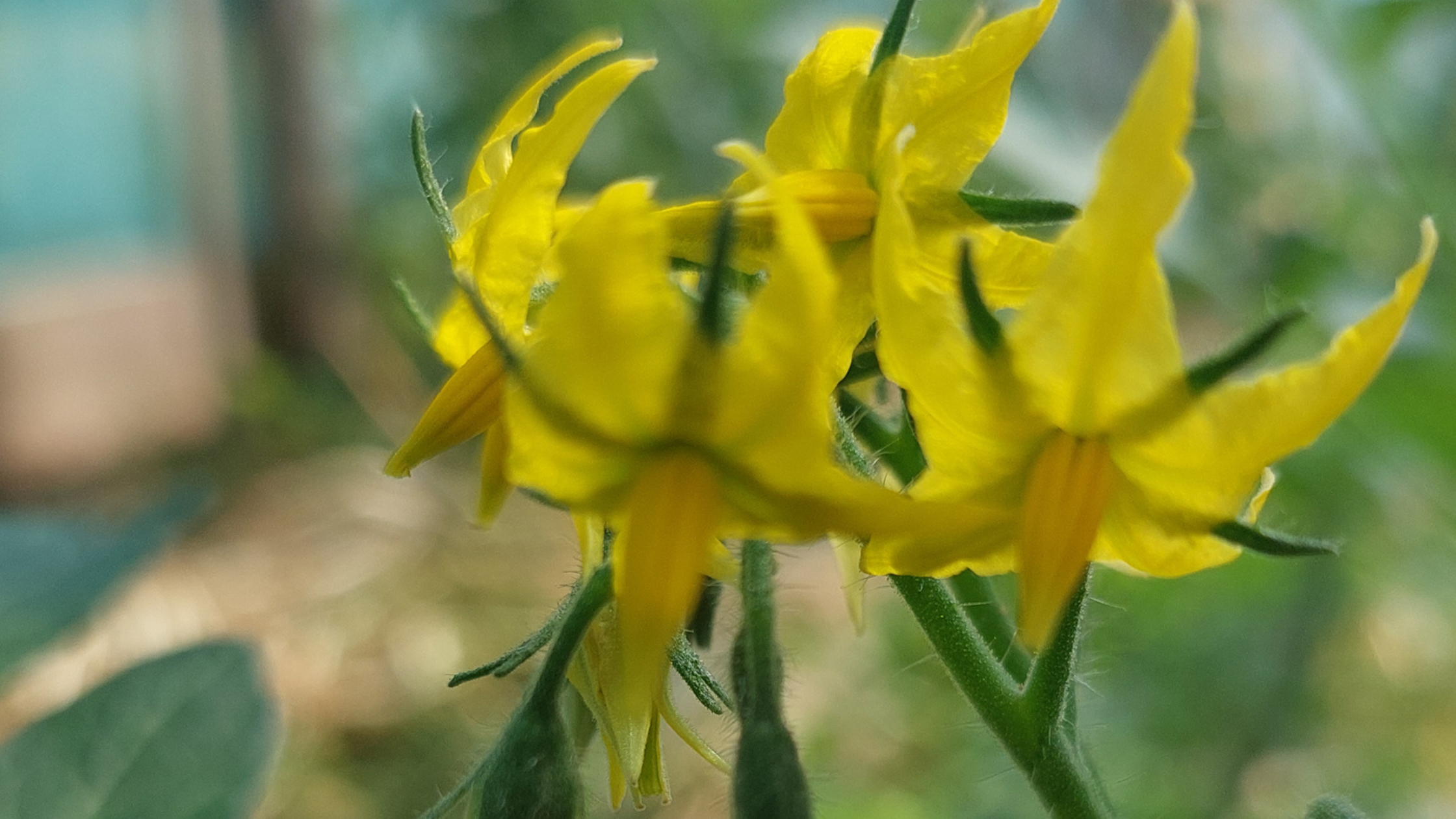
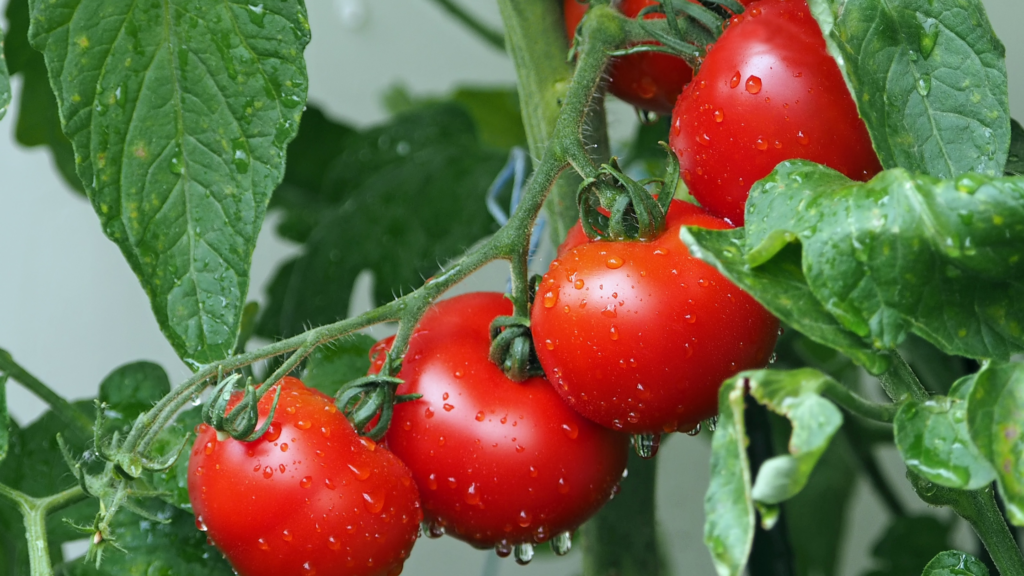
This may sound counterproductive, but here’s the hard truth: here in Bavaria, tomatoes that develop from flowers appearing this late in the season are very unlikely to ripen before temperatures become too cold. For that reason, I cut off all tomato flowers, helping the plants focus all their energy on ripening the tomatoes that have already formed.
✔️ Why it matters: Sowing in September prolongs your harvest through the winter months.
This may be a surprise to you (at least it would be to my acquaintance), but you can still sow vegetables in September. What you sow now will not only feed you in autumn but will make for your winter (and spring!) harvest.
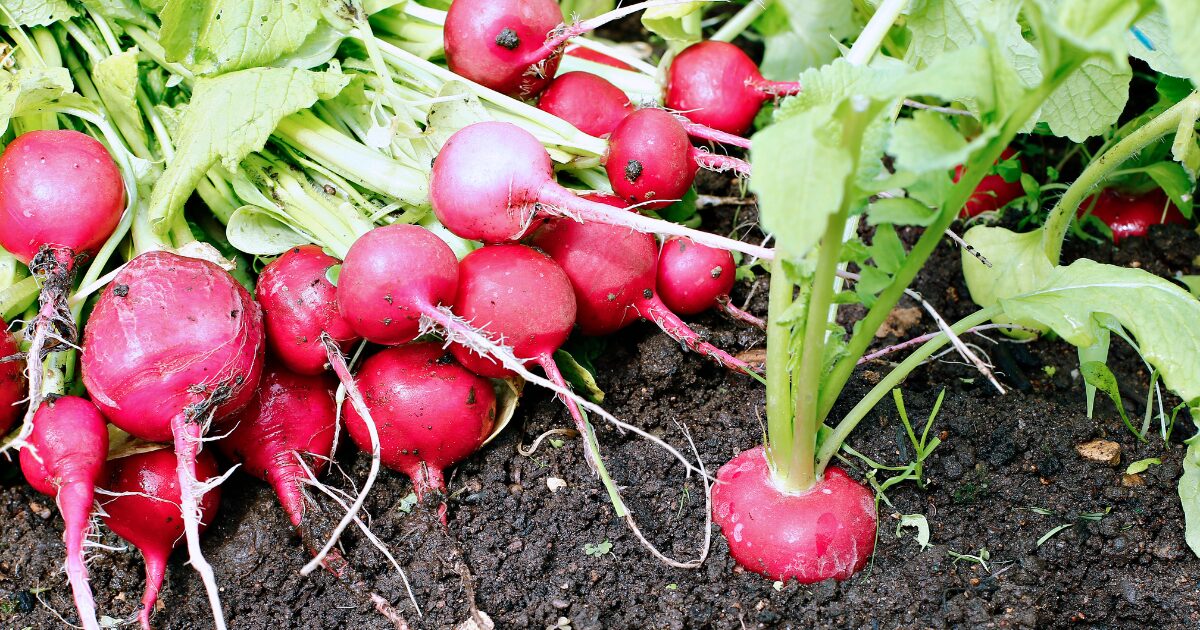
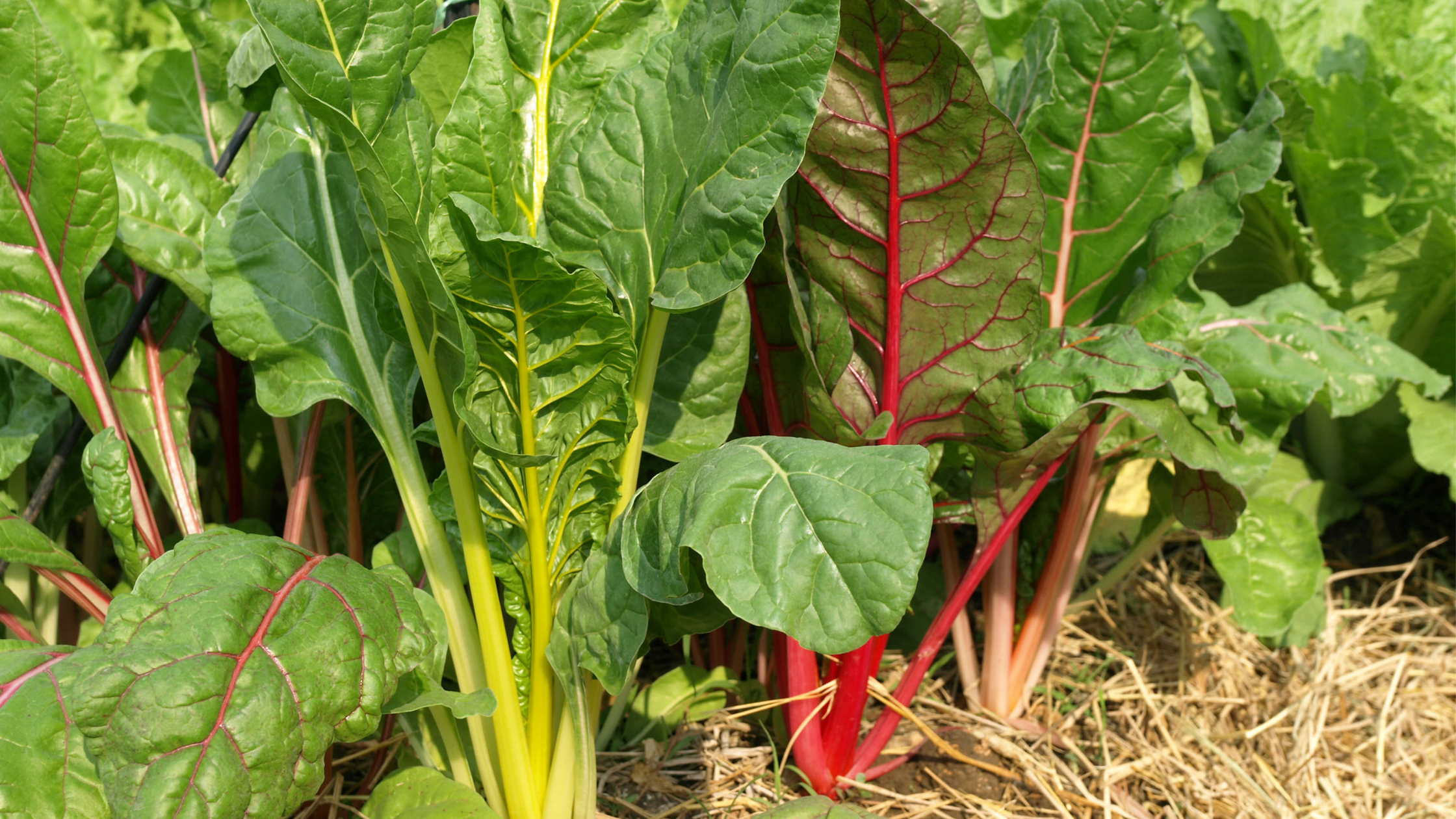
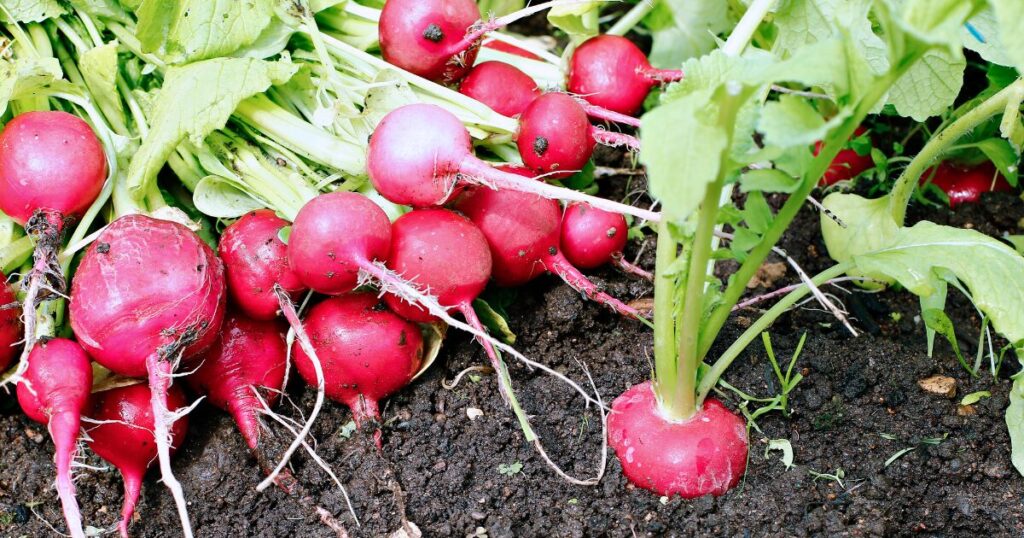
Whenever you harvest a row in your patch, therefore, fill the gap with cold- and winter-hardy seeds, for example lamb’s lettuce, Asian leafy greens, spinach, Swiss chard, radishes or cress. That way, you can harvest and eat fresh produce throughout the winter.
If you’ve got a greenhouse or a cold frame, all the better: your winter vegetables will be more sheltered from cold, wind and frost, although they may still need extra protection during severe cold spells.
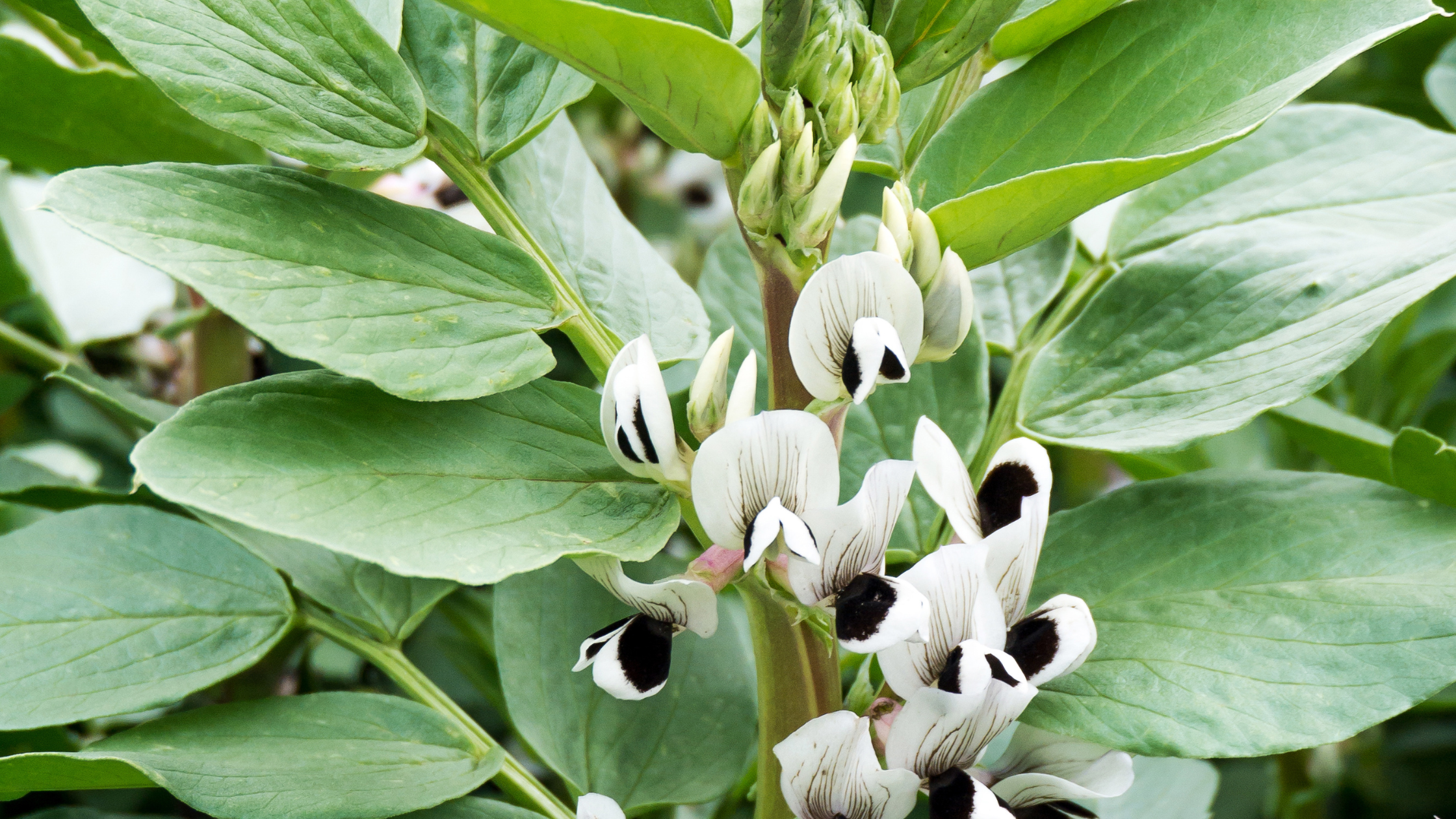
You can also sow vegetables now that will overwinter in the beds and can be harvested earlier next season, for example, broad beans or winter-hardy peas.
Want a reminder of what to do in the garden each month? Get seasonal garden tasks, sowing ideas and practical tips delivered straight to your inbox.
4. Clean Up Diseased and Dying Plants
✔️ Why it matters: Cleaning up prevents diseases from spreading
Although it’s comparatively late in the season, it doesn’t mean that plants can’t develop diseases. In fact, September is prime time for powdery mildew, blight and other fungal problems, especially as nights become cooler and damper.
Check your plants regularly for signs of disease and discard infected parts or plants. Don’t use heavily diseased plant material as mulch, though. I also avoid putting it on my home compost, as a small compost pile may not become hot enough to destroy certain pathogens. Dispose of it according to your local recommendations instead.
If you’ve got dead plants or parts of plants on your patches, remove them as well. If they’re not infected with any diseases, you can put them into the compost where they will decompose over the next months and transform into new, nutritious soil. Another way to use dead plants is to use them as mulch (see next point).
5. Protect Empty Garden Beds
✔️ Why it matters: Keep the soil covered to prevent erosion and deep freezing.
When we take a look at Nature, there’s no soil left uncovered. Either something grows, or it’s covered with some form of mulch. In our vegetable gardens, we want to imitate Nature.
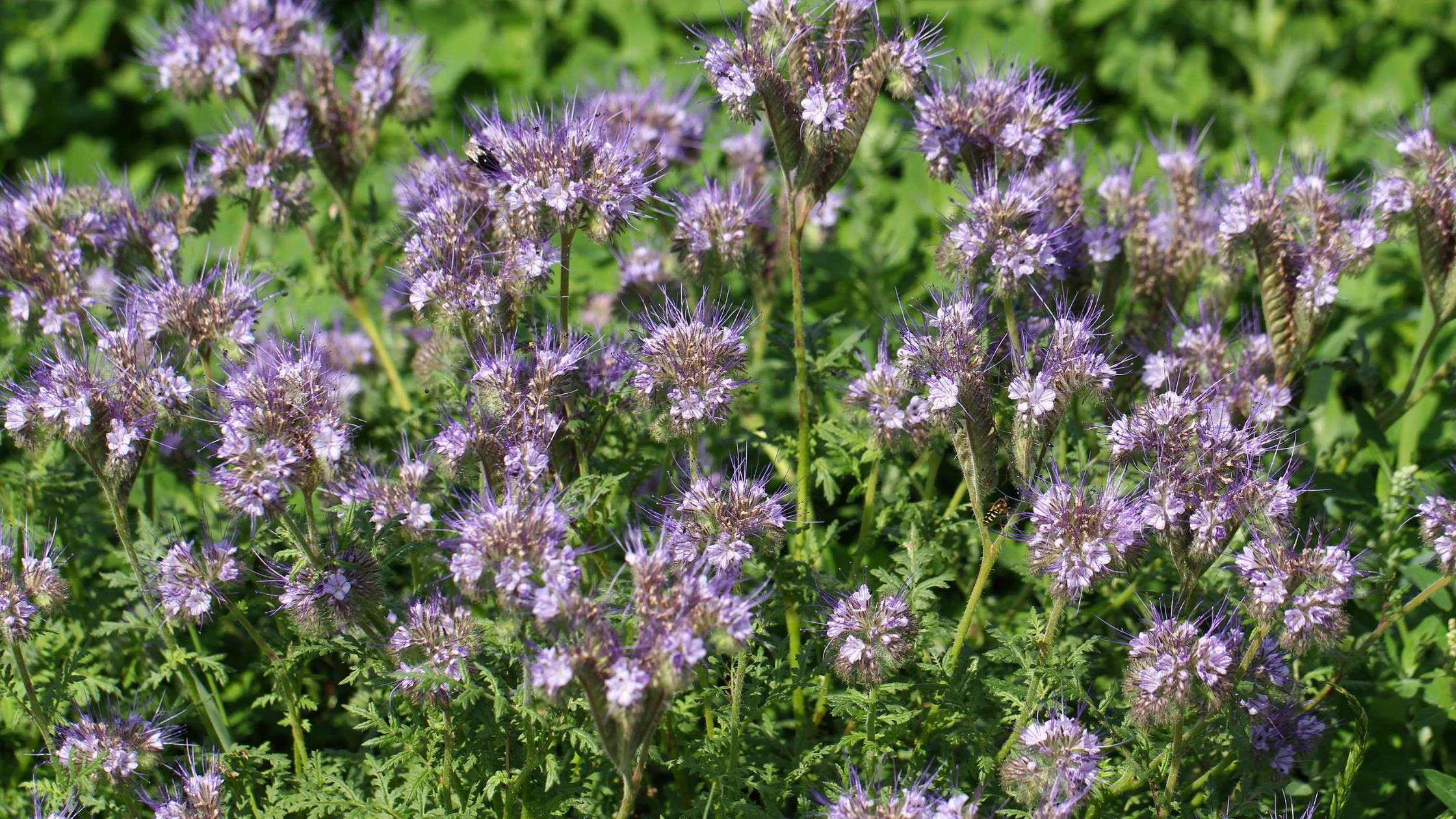
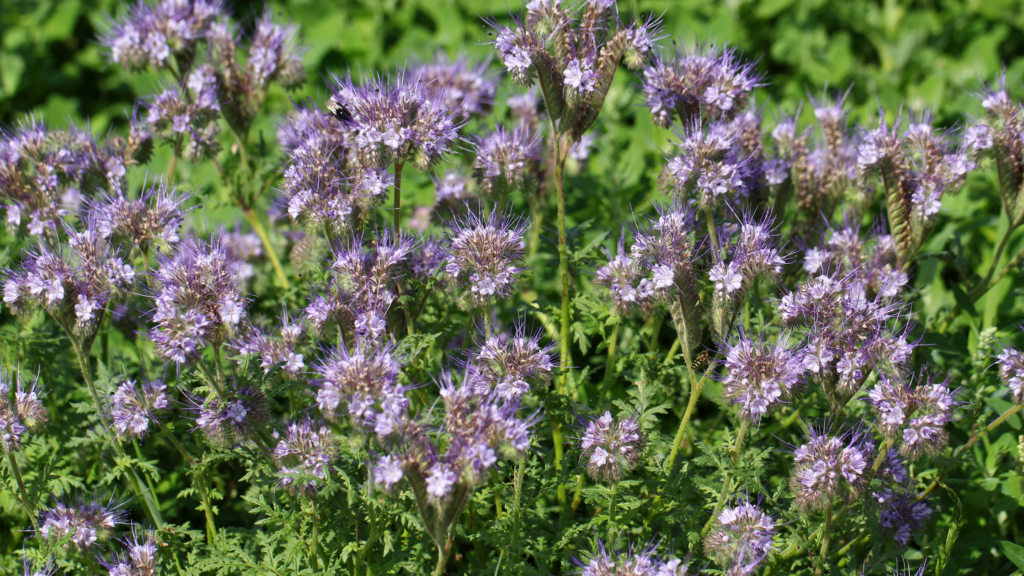
If you don’t want to grow winter vegetables throughout your whole garden, you could sow green manure in the empty patches. Good cover plants include Phacelia, winter rye, or winter peas (not the vegetables we want to eat, but rather a more robust variety that can also be used as animal feed).
Another way to keep our beds protected is by covering them with thick layers of mulch. Dead leaves, grass clippings, cut-up remains of harvested vegetables (if not infected with diseases! see above), sheep wool – these are only a few examples of what you can use as mulch. Cover empty beds with a layer of organic mulch. Around 5–10 cm (2–4 inches) is sufficient for many materials; dry autumn leaves can be applied more generously because they settle considerably.
6. Propagate Strawberry Runners
✔️ Why it matters: Get new plants for free.
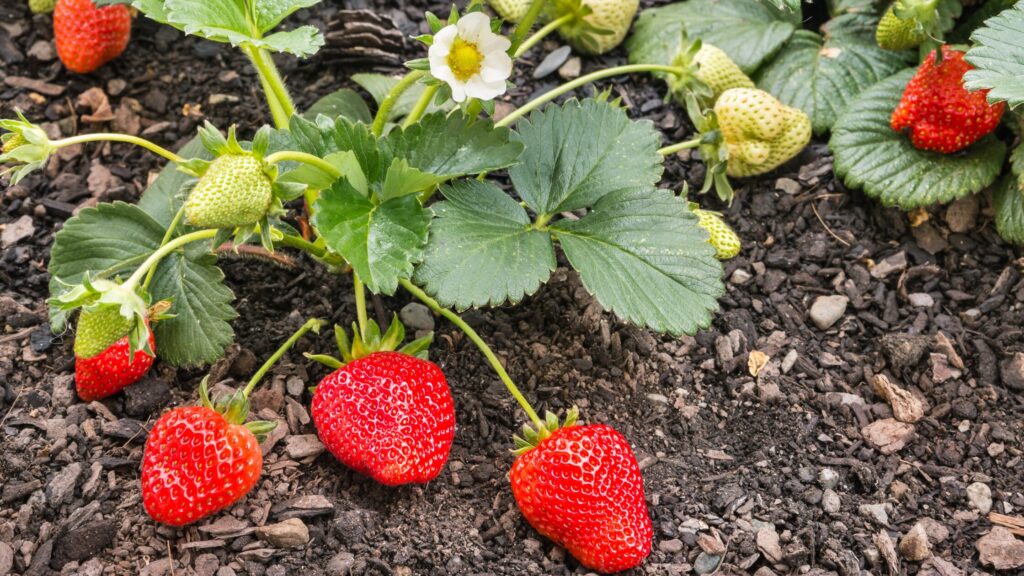
While my strawberry bed looked neat and orderly in spring, it’s covered in plants now. The strawberries have developed long stalks that spread out of the plant and have built roots where they touched the soil. That way, new strawberry plants have formed throughout my patch. I could rip them out, of course, but it would be a shame. Instead, I dig up the runners and either plant them in pots or other containers filled with compost or directly into another patch where they will bear fruit next summer.
I always choose healthy, well-rooted daughter plants, preferably those closest to the parent plant, and discard weak or diseased runners.
7. Protect Tender Crops from Early Frosts
✔️ Why it matters: One cold night can end the harvest of tender summer crops prematurely.
Admittedly, here in Bavaria we seldom have frosty nights in September, but it’s not entirely unheard of. That said, and depending on your growing zone, there could be frosty or near-zero temperatures even in September.
Keep an eye on nighttime temperatures, particularly if they are forecast to approach 0°C (32°F). Tender crops such as tomatoes, peppers, cucumbers and courgettes can suffer from cold well before a hard frost, so covering them with horticultural fleece on particularly cold nights can extend the harvest. After all, it may only be one night, and the days will still be warm enough for the plants to ripen properly. It would be a pity if we just let them die before getting that pretty harvest.
Common September Gardening Mistakes
Assuming the growing season is over
September can still provide weeks or even months of productive growing. Empty beds can be replanted with fast-growing or cold-hardy crops.
Leaving ripe vegetables on the plants too long
Regular harvesting keeps many plants productive and prevents courgettes, beans and cucumbers from becoming oversized or poor in quality.
Leaving soil bare over winter
Empty beds are vulnerable to erosion, nutrient loss and weather damage. Sow a cover crop or protect the soil with organic mulch.
Sowing autumn crops too late
Day length decreases rapidly in autumn. Crops sown too late may germinate but barely grow before winter. In September, don’t postpone sowing simply because the weather is still warm.
Ignoring the weather forecast
One unexpectedly cold night can damage tender crops even when another spell of mild weather follows. Keep fleece or another suitable cover ready.
Composting or mulching diseased plants
Healthy plant residues are valuable organic matter, but heavily diseased foliage can carry problems into the next growing season.
Frequently Asked Questions About Gardening in September
What should I do in my vegetable garden in September?
September is mainly a month for harvesting, preserving, sowing cold-hardy vegetables, clearing finished crops and preparing beds for autumn and winter. You should also monitor nighttime temperatures and protect tender crops if unusually cold weather is forecast.
What vegetables can I sow in September?
Depending on your climate, September sowings can include spinach, lamb’s lettuce, winter lettuce, rocket, radishes, winter cress and Asian salad greens. Hardy overwintering peas and broad beans can also be autumn-sown in suitable climates for an earlier crop the following year.
Is September too late to sow vegetables?
No. Although warm-season crops are coming to an end, September is a good time to sow many cold-hardy vegetables. The exact sowing window depends on your climate, daylight and first-frost date.
Should I clear my vegetable garden in September?
Clear finished and diseased plants, but there is no need to leave the soil bare. Empty beds can be planted with winter crops or cover crops, or protected with organic mulch.
Should I cut the flowers off tomato plants in September?
In cool temperate climates, removing new tomato flowers in September can help the plant direct its remaining energy towards fruit that has already formed. In warmer climates with a long autumn growing season, this may not be necessary.
When should I protect vegetables from frost?
Watch your local forecast as autumn approaches. Tender crops such as tomatoes, peppers, courgettes and cucumbers benefit from protection when temperatures become very low or frost is forecast. Hardy autumn and winter vegetables usually need much less protection.
Can carrots and parsnips stay in the ground over winter?
Yes, in many climates carrots and parsnips can remain in the soil well into winter, particularly under a protective layer of mulch. Harvest them before the ground freezes solid or prolonged severe cold makes digging impossible.
What should I do with empty vegetable beds in September?
You can sow another crop, plant a green manure or cover crop, or cover the bed with organic mulch such as autumn leaves, compost or other suitable plant material. Keeping the soil covered protects it and supports soil life.
Follow the seasons with me Get practical ideas for growing, preserving and making the most of each season — one project at a time.
Why September Garden Jobs Make All The Difference
To an outsider (aka non-gardener), it may seem as if the garden season stops in September, but that is definitely not the case! In fact, there are three main pillars that not only keep the harvest going but set the basis for a healthy and fruitful garden next season:
Harvesting and preserving whatever’s ready now
Tending to our vegetables by checking for diseases and discarding infected plants
Setting the foundation for our autumn, winter and even next spring harvest.
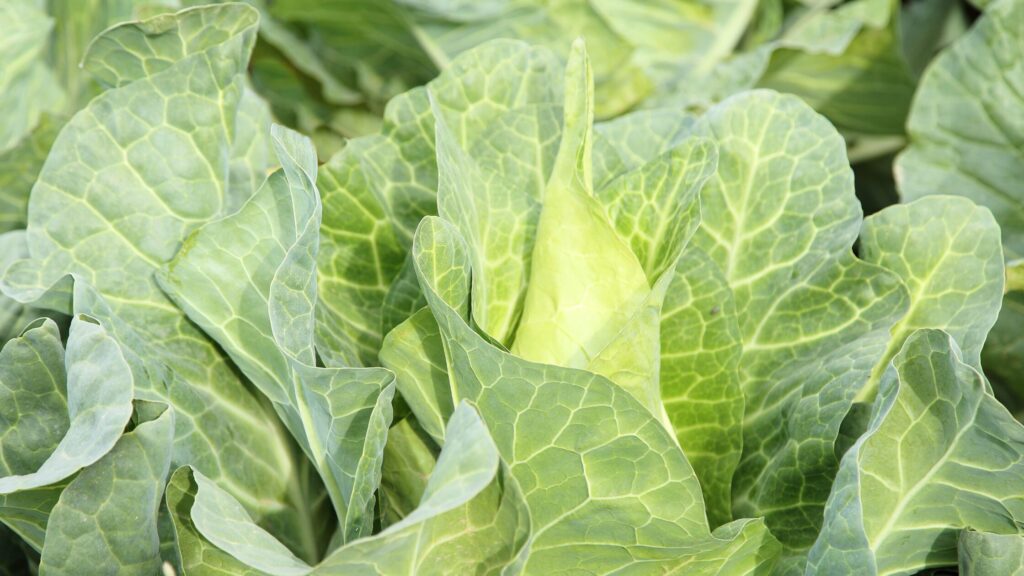
Temperatures may have dropped a bit and days noticeably grow shorter, but harvesting is still in full swing. Alongside summer crops like tomatoes, cucumbers and zucchini, the first apples, pears and plums, as well as autumn vegetables like cabbages, are ripe now. It can feel overwhelming to stand in front of a basket (or baskets) full of freshly picked fruits and vegetables and know that they must be preserved. But imagine the joy and deep satisfaction you’ll feel when, in winter, you can “shop” in your pantry for food! That’s worth the effort you’ve got to put in right now.
If your harvest is coming in faster than you can eat it, explore my preserving guides and recipes for ideas on fermenting, pickling, canning and more.
Also, we are already preparing the ground for next year’s season. By sowing autumn and winter crops or green manure and covering empty patches with organic matter, we make sure the soil is covered and well-protected. That way, our garden can rest safely once winter comes and wake up fresh and nutritious when the new season has arrived next spring.
Looking ahead: October will bring another shift in the garden, with fewer summer crops and more preparation for the cold months ahead. Continue with my October garden tasks to see what comes next.
Wondering what to sow in September? Although one of our most time-consuming jobs right now is harvesting all those gorgeous tomatoes, cucumbers, zucchini, cabbage, herbs and fruits, there are still plenty of vegetables you can sow for autumn, winter and even early spring harvests.
In August, we already started sowing and planting fast-growing and cold-hardy vegetables for an autumn harvest. By September, the planting window is beginning to close for many crops in my climate, but there are still several vegetables you can sow directly wherever a gap appears.
Let me show you.
Planning your garden for the month? Have a look at my September garden tasks for everything else that needs doing in the vegetable garden right now.
Quick Reference: What to Sow in September
Here’s a cheat sheet of what you can sow in September:
Vegetable
Where To Sow
Harvest
Notes
Broad beans
Outdoors
Spring
Choose an overwintering variety
Spinach
Outdoors/Under cover
Autumn - Winter
Choose a cold-hardy variety
Winter lettuce
Outdoors/Under cover
Autumn - Winter
Protection extends harvest
Lamb's lettuce
Outdoors/Under cover
Autumn - Winter
Excellent gap filler
Radishes
Outdoors/Under cover
Autumn
Fast-growing
Winter purslane
Outdoors/Under cover
Winter
Very cold tolerant
Swiss chard
Under cover
Winter - Spring
Better protected this late
Overwintering peas
Outdoors
Spring
Choose a winter-hardy variety
Green manure
Outdoors
---
Protects empty soil
Climate note: These recommendations are based on a temperate climate similar to USDA zones 6–8. September sowing dates vary considerably depending on your first frost date, so gardeners in colder regions may need to sow earlier or use a greenhouse or cold frame.
Before You Sow: A Few Things to Consider in September
September sowing is less about rapid growth and more about cold tolerance, overwintering and getting plants established before winter.
With that in mind, sow autumn/winter vegetables into gaps immediately after harvesting summer crops.
The declining daylight means crops grow more slowly than in spring. That, and the cooler temperatures, make a greenhouse or cold frame a lot more attractive right now.
If you have an unheated greenhouse or cold frame, your September sowing options are considerably wider. Spinach, lamb’s lettuce, winter purslane, radishes, winter salads and Swiss chard all benefit from the extra protection. Growth will eventually slow as daylight decreases, but plants established now can provide harvests well into winter or start growing again very early in spring.
While many people sow broad beans in early spring (depending on your climate zone in February or March), I like sowing them in autumn. That way, they get a head-start and can be harvested some weeks earlier.
Prepare the garden patch by weeding it thoroughly and raking it smooth. Then sow the broad beans with a distance of 8 – 10 cm (3 – 4 inches) between plants and about 60 cm (2 feet) between rows. This may sound like a lot, but next May you can sow corn between the broad bean rows, like I did this season. The broad beans had largely finished by then, giving the young corn plenty of light and space.
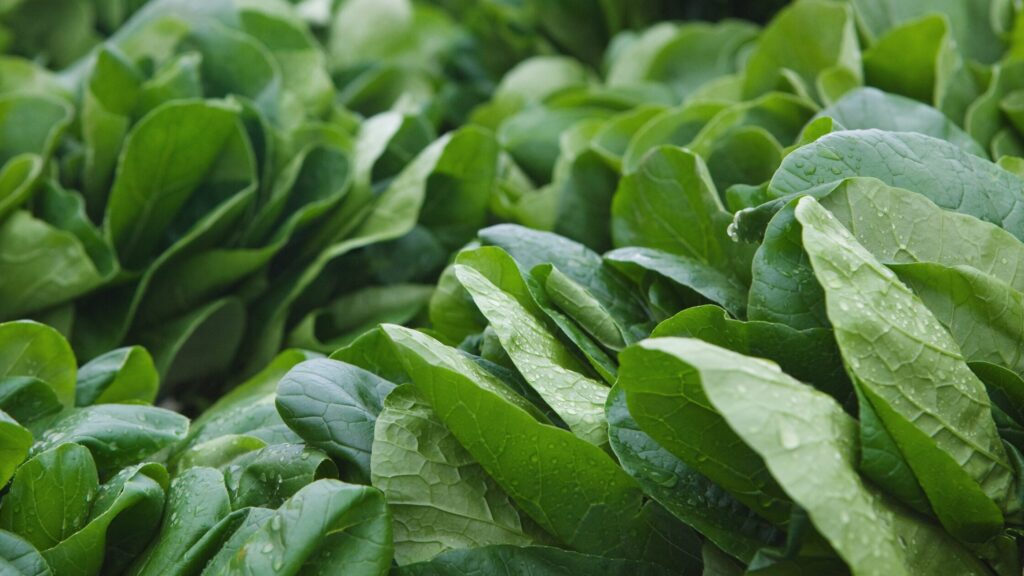
Spinach
If I don’t know what to sow, I always come back to spinach. It’s undemanding, grows easily wherever you sow it and is such a versatile vegetable in the kitchen, for example in this spinach-lemon lasagna.
Just make sure you choose a cold-hardy variety, sow spinach in rows and be aware that growth slows dramatically once light levels and temperatures drop.
If you have a greenhouse or a cold frame, sow spinach in there as well. As temperatures are warmer there, you can harvest the spinach longer; growth will slow considerably during the coldest, darkest part of winter.
Winter salad crops and cold-hardy lettuce
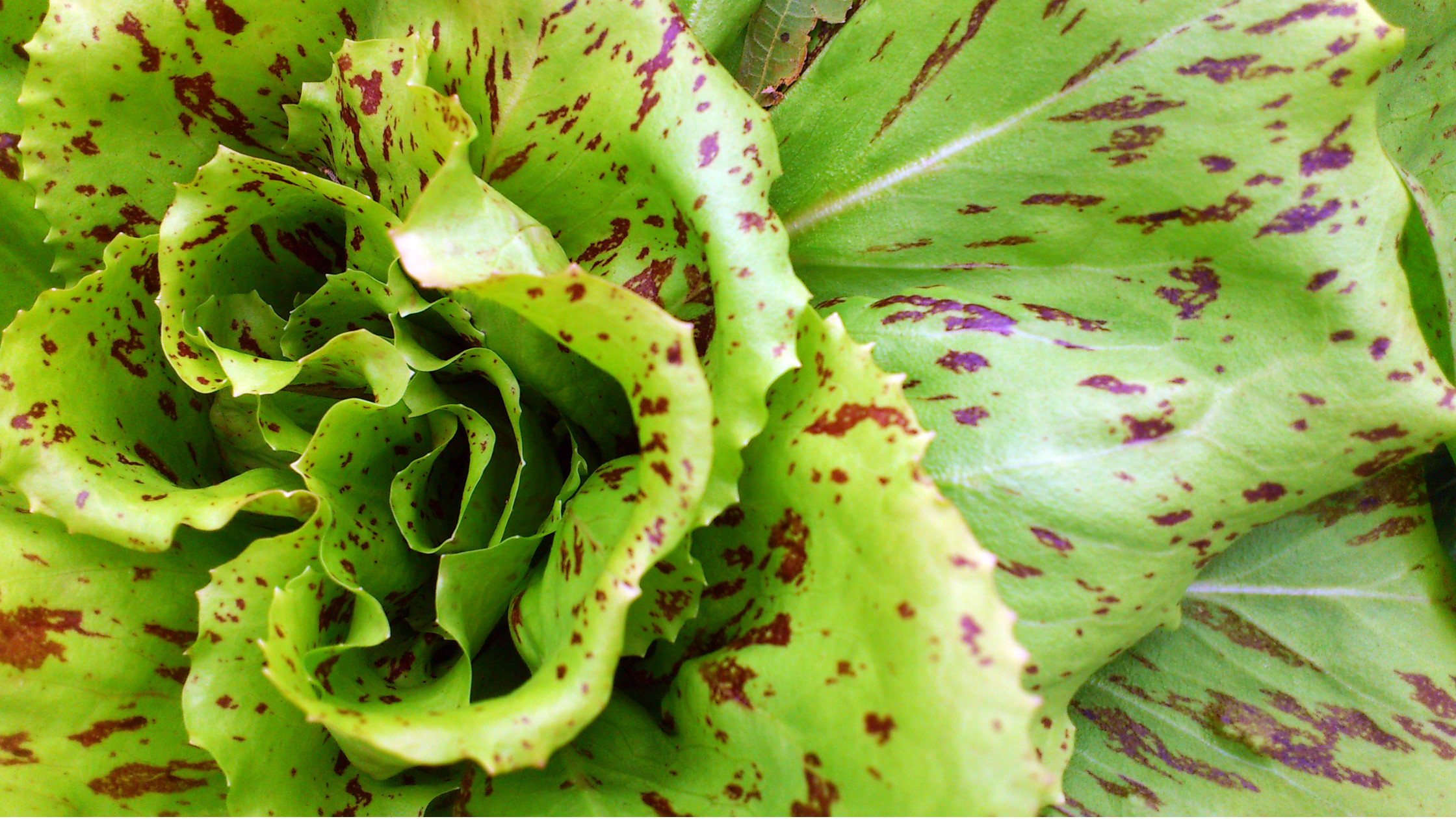
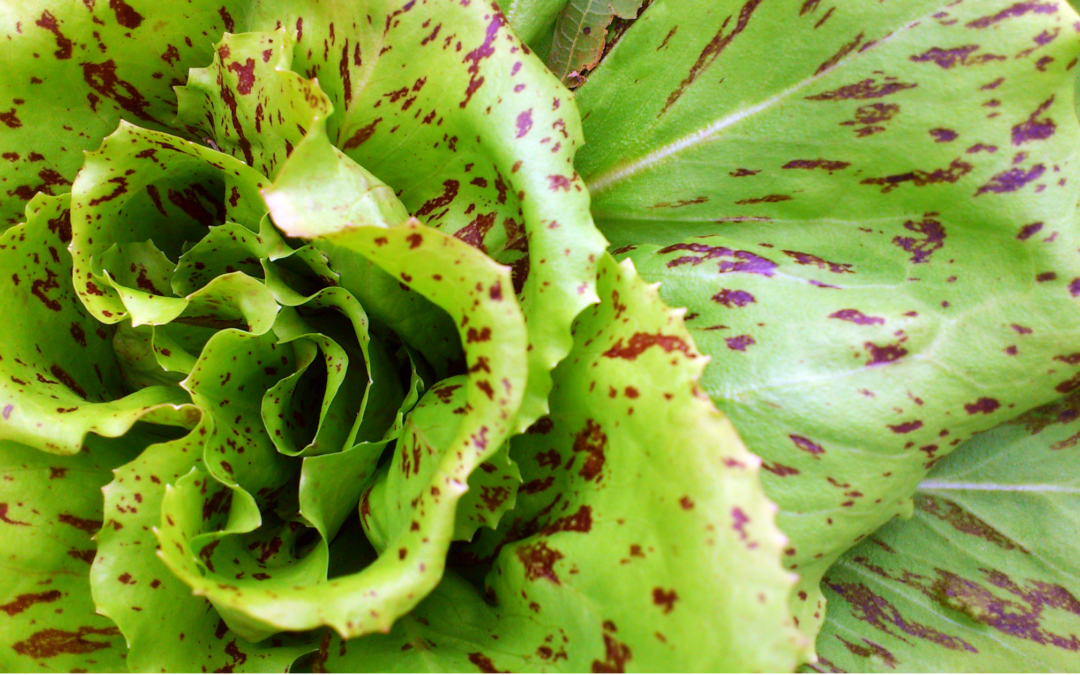
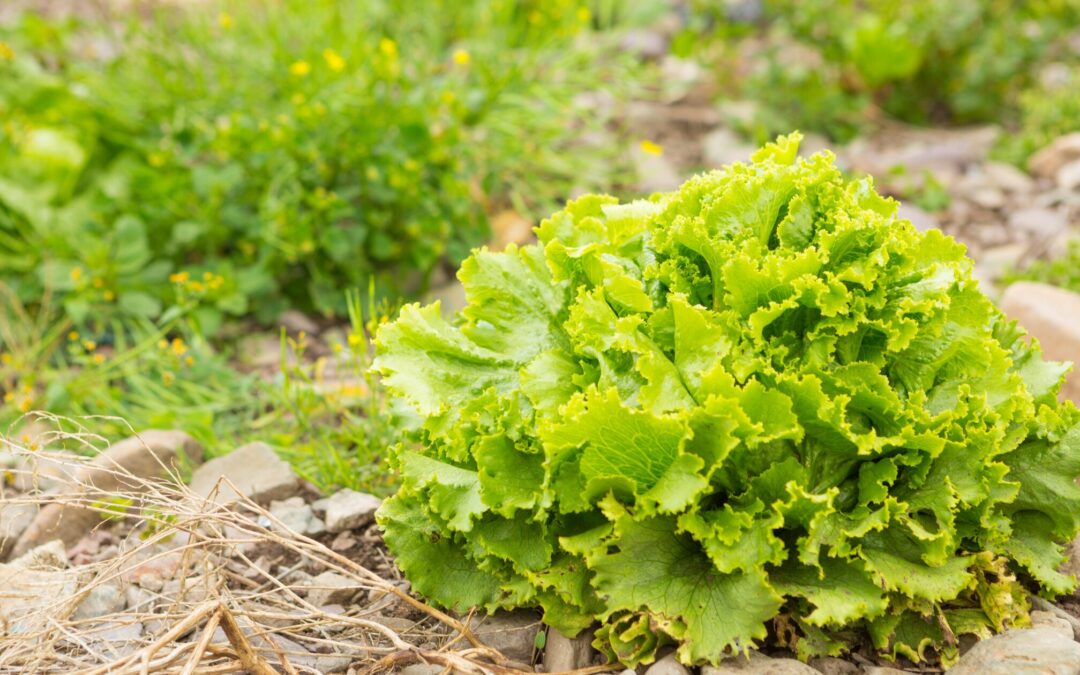
Winter salad crops like radicchio, winter endives, and cold-hardy head lettuce can also be sown in September. That way, they’ll have enough time to grow before the first frost hits. Keep an eye on the weather forecast and protect them with fleece or grow them under cover once temperatures drop. This can extend your harvest and provide fresh greens well into autumn and winter.
Lamb’s lettuce
Apart from spinach, lamb’s lettuce is my favourite winter crop! It’s got a distinct, slightly nutty flavour, yet it feels smooth and velvety as you chew.
What’s more, lamb’s lettuce isn’t closely related to most vegetables we usually grow in our gardens, as it belongs to the Valerian family. That makes it particularly easy to fit into a crop rotation, and its undemanding nature also makes it a useful gap filler between other crops.
In August, I usually sow lamb’s lettuce in rows, but by September I’m so focused on preserving my harvest that I don’t care anymore and sow broadcast.
Radishes
Just in case I haven’t mentioned it in one of my earlier growing guides: radishes are fast-growing, undemanding and simply a perfect gap filler in the vegetable garden. And if you end up with more than you can eat fresh, try one of these quick and easy recipes for fermented radishes.
September is a good time to sow radishes, because the cooler temperatures, especially during the night, reduce the tendency to bolt and keep the roots crisp.
Sow them in rows and harvest them 30 days later. They’re a no-brainer.
Winter purslane
Winter purslane, also known as miner’s lettuce, is a delicate plant whose leaves are usually used in salads or mashed potatoes and vegetables.
Sow winter purslane now outdoors or in the greenhouse for a continuous harvest through winter.
Swiss chard
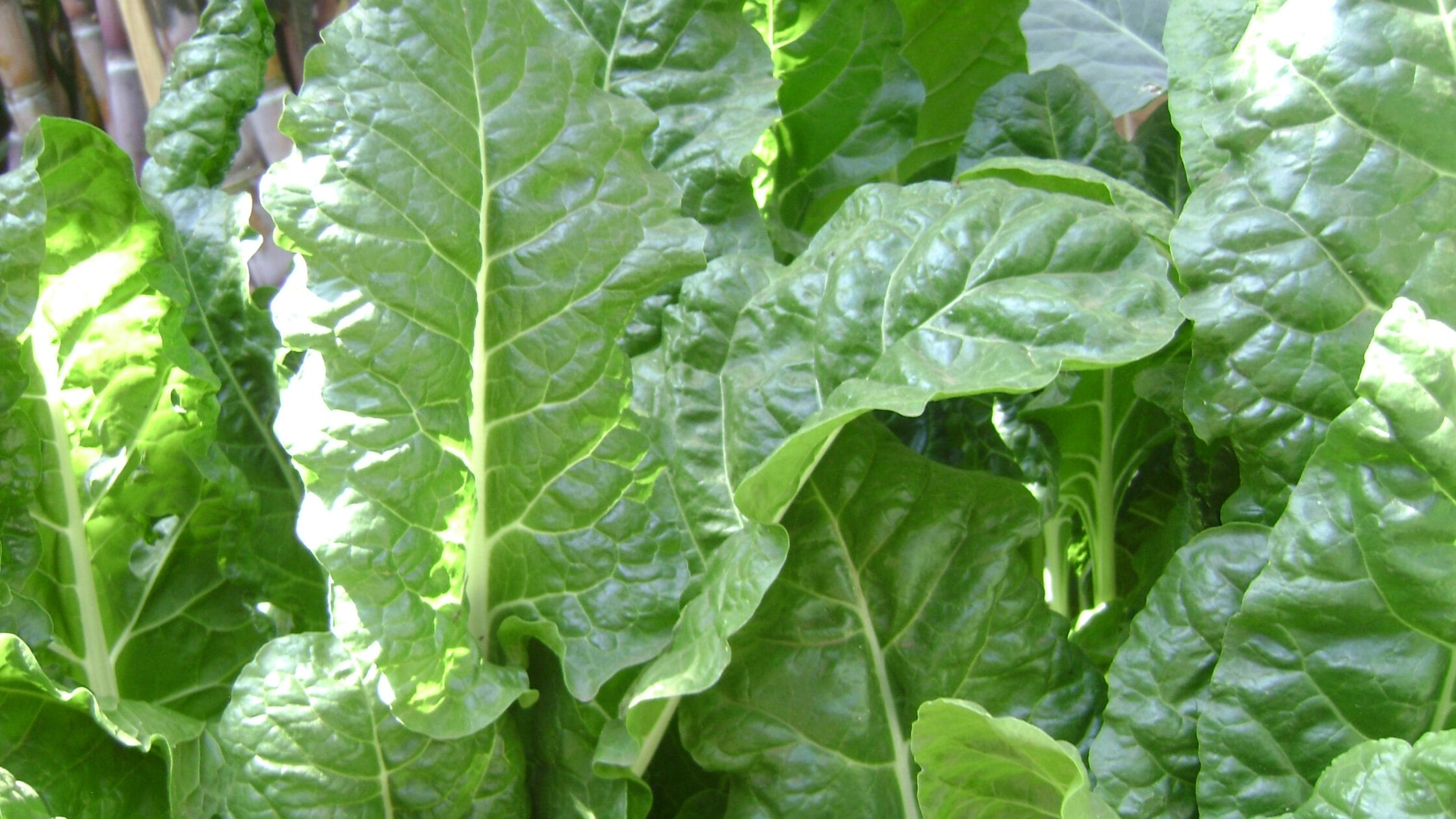
Now is the last chance to sow Swiss chard. I’d only do so in the greenhouse or a cold frame, though, as it may not reach its full size when cultivated outdoors. With some protection against the cold, you can harvest Swiss chard well into winter and even have an early harvest next spring when temperatures rise again.
Overwintering peas
Winter-hardy peas sown in September will overwinter as young plants in the garden and make an early crop for the following spring. They can be harvested as early as May when sown now.
One variety I like to cultivate is “Sima”.
What to Sow in Empty Beds in September
While in spring and summer, I want every square inch of my garden covered with vegetables, I don’t grow that much in autumn and winter. That’s mostly due to my lack of enthusiasm to head down to the garden when it’s freezing outside, and honestly, we can’t eat that much fresh produce in winter.
Green manure
On the other hand, I like my beds to be covered when the frosts strike, and that’s why I grow green manure on empty patches. There’s a variety of plants you can choose from, and not only do they cover the soil, but some of them, like some fodder peas, even enhance the soil with nutrients. You can read up more about green manure in my comprehensive guide on plant fertilisers.
Frequently Asked Questions
What vegetables can I sow in September?
September is a good month to sow cold-hardy and fast-growing vegetables such as spinach, lamb’s lettuce, radishes, winter purslane and winter salads. You can also sow overwintering broad beans and peas for an earlier harvest next spring. What you can sow successfully depends on your climate and first frost date.
Is September too late to sow vegetables?
No. Although the main summer sowing season is over, several vegetables can still be sown in September. The key is to choose fast-growing crops for an autumn harvest or cold-hardy varieties that can tolerate low temperatures and overwinter in the garden.
What can I sow in September for a winter harvest?
Spinach, lamb’s lettuce, winter purslane, radishes and cold-hardy salad crops are good choices for winter growing. An unheated greenhouse, cold frame or fleece can extend the harvest considerably in colder climates.
What can I sow in September for next spring?
Overwintering broad beans and winter-hardy peas can be sown in September for an earlier harvest the following spring. Some hardy leafy vegetables, including spinach and Swiss chard, may also overwinter and start producing fresh growth again when temperatures rise.
What can I sow in an unheated greenhouse in September?
An unheated greenhouse gives you more options for September sowing. Try spinach, lamb’s lettuce, winter purslane, radishes, winter salads and Swiss chard. As daylight and temperatures decrease, growth will slow, but the protection of a greenhouse can considerably extend your growing season.
Can I sow directly outdoors in September?
Yes. Cold-hardy vegetables such as spinach, lamb’s lettuce, radishes, overwintering broad beans and winter-hardy peas can be sown directly outdoors in suitable climates. If early frosts are common where you live, protect young plants with fleece, a cold frame or an unheated greenhouse.
What should I sow in empty vegetable beds in September?
If you don’t need another food crop, sowing green manure is an excellent way to cover empty beds over autumn and winter. Green manure protects bare soil, suppresses weeds and, depending on the plants you choose, can also improve soil fertility and structure.
Want to Know What to Do in the Garden Each Month?
Get seasonal gardening ideas, sowing reminders, and new articles from Seasonal Simple Life delivered straight to your inbox — so you always know what you can sow, grow and harvest next.
September Sowing Summary
September may feel like the end of the gardening season, but there’s still plenty of life left in the vegetable garden. A few rows of spinach, lamb’s lettuce or radishes can keep fresh food coming through autumn, while overwintering broad beans and peas already lay the groundwork for next spring.
And if you really don’t feel like sowing another vegetable after weeks of harvesting and preserving? Sow some green manure, cover the soil — and call it a day. The garden won’t mind.
August brings us an abundance of harvest. Tomatoes, cucumbers, peppers, beans, cauliflower, broccoli and many fruits are ripe now and not only want to be harvested but also preserved for the cold winter months. With all the garden tasks we have to do in August and the work in the kitchen, we can easily forget that what we sow and plant in August lays the foundation for our winter harvest. Preserved food is great, but having fresh produce even when the earth is covered in snow is even better!
What we began in July, we can continue in August: late summer sowing and planting a mixture of cool-season and fast-growing varieties that keep our garden patches covered and are the preparation for a productive garden even in autumn and winter.
While February and March are all about seed-starting indoors, August marks a turning point in the gardening year. By now, most vegetables are best sown directly into the soil, while the seedlings we started in July are ready to move into their final place in the garden.
Quick Reference: What to Sow and Plant in August
Here’s a cheat sheet of what you can sow and plant in August:
Direct-sow outdoors
Plant outdoors
Lamb’s lettuce
Broccoli
Winter lettuce
Kale
Spinach
Fennel
Radishes
Kohlrabi
Rocket lettuce
Spring onions
Purslane
Broad beans
Green manure, e.g. phacelia, buckwheat, winter peas and others
🌱 Prefer a printable version?
Download the printable August Garden Checklist & Planting Guide to keep beside you while you’re working outdoors.
Vegetables to sow in August directly outdoors
Broad Beans
While it’s too late in August to sow bush and runner beans (they need 8 – 10 weeks to mature), it’s the perfect time to sow broad beans. In fact, sowing them now will give them a head start, and we can harvest them earlier next year.
Prepare the garden patch by weeding it thoroughly and raking it smooth. Then sow the broad beans with a distance of 8 – 10 cm (3 – 4 inches) between plants and about 60 cm (2 feet) between rows. This may sound like a lot, but next May you can sow corn between the broad bean rows, like I did this season. The broad beans had largely finished by then, giving the young corn plenty of light and space.
Spinach
Spinach is always a good gap filler. It grows relatively fast, and it tastes delicious. That said, sow spinach now either in rows or broadcast and harvest as much as you can before the first frost. Spinach germinates best once temperatures begin to cool, making late August one of the best sowing times of the year.
Rocket salad
Now is the last chance this season to sow rocket salad. It’ll grow quickly and doesn’t require much. Just sow it, watch it grow quickly, harvest the leaves and – if it’s still time – let a few plants flower if you’d like it to self-seed naturally. That way, it will spread across your garden.
Radishes
Radishes are one of the quickest vegetables, as they need only about 30 days from sowing to harvest. It’s still advisable to choose bolt-resistant varieties now. August may be late summer, but it can still be hot.
Radishes are great for filling empty spaces in the vegetable patch quickly, and they’re a wonderful addition to a salad or make a great staple as fermented radishes.
If I had to choose only one vegetable for winter harvest, I’d take lamb’s lettuce. It’s my favourite winter salad. The rich green leaves, their velvety texture and the wonderful taste of nuts make for a perfect winter side or even main dish.
As lamb’s lettuce belongs to the valerian family, so it fits easily into almost any crop rotation.
Sow lamb’s lettuce in late August when temperatures have dropped. Either sow it in rows or just broadcast wherever there’s a gap in the patches, and look forward to all those delicious bowls of winter salad!
Cold-hardy lettuce
Lamb’s lettuce isn’t the only lettuce we can sow now. In fact, all cold-hardy varieties like romana, winter head lettuce or radicchio can be sown now. With a bit of planning, we can feast on fresh salad throughout the whole winter.
One of my favourite varieties that I sow every year is “Rouge d’Hiver”, but I also like “Bacquieu”.
Green manure
My garden is about 100 square metres (1076 square feet), 130 (1400) if I count the greenhouse as well. I don’t want to cultivate vegetables on the whole area during winter. Yet, I want the soil covered. Partly, I layer it thickly with mulch, and partly I cover it with green manure.
There are different plants you can use as cover crops now, for example, phacelia, buckwheat or winter peas. The plants will reach a good height before the first frost strikes, and sometimes even flower, but, fortunately, won’t have enough time to produce seeds. That way, you won’t have to worry about green manure plants self-sowing in your garden the next season.
Vegetables to Plant Outdoors in August
All vegetables we seed-started indoors or in the greenhouse in July should be planted out now. Remember to harden off the seedlings before transplanting them. For that purpose, put them outside for 2 – 3 hours a day and gradually increase the time over the course of a week. That way, they get used to the conditions outside and get well prepared for your garden.
Brassica
Brassica seedlings we started indoors earlier, such as broccoli, kale, or kohlrabi, should now be planted outdoors in August.
Just make sure you have them properly hardened off, and transplant them on a cloudy day so they don’t get too stressed.
Fennel
Last chance in August to plant the fennel you may have seed-started earlier in July. It should have a good height by now and isn’t prone to as many pests and diseases as spring-started plants. I don’t speak from experience here, as I haven’t had any luck with fennel so far. This year, though, I’ve tried planting it in autumn (that is: in August). I’ll keep you updated on the progress.
Spring onions
If you’ve grown spring onions from seeds (or bought a bunch at the nursery), August is the perfect time to plant them. In spring (as the name indicates), we can harvest the fresh green leaves and chop them into salads, soups or stews.
What Not to Sow in August
Although August is surprisingly productive, some vegetables simply don’t have enough time left to mature before autumn.
Avoid sowing:
Bush beans
Runner beans
Sweet corn
Pumpkins
Winter squash
Zucchini
Cucumbers
Melons
Tomatoes
Peppers
Eggplants
Most of these warm-season vegetables need eight to twelve weeks of warm weather. By the time they begin flowering, temperatures and daylight are already declining.
If you’d still like to use the empty space, sow spinach, lamb’s lettuce, rocket or green manure instead.
Frequently Asked Questions
Can I still sow carrots in August?
Yes, but you must choose a late variety that can stand frost.
Can I grow vegetables in August if I missed spring sowing?
Yes, but as it’s already late in the season, choose cold-hardy vegetables like winter lettuce, spinach and radishes. August is a good month to plant and sow for winter harvest.
Should I seed-start indoors in August?
No, it’s too late by now. The plants wouldn’t ripen. Instead, sow directly into the patches or plant what you’ve seed-started earlier.
How late can I sow spinach?
Spinach can usually be sown until early September in mild climates. Late sowings often overwinter and produce an early spring harvest.
Can I sow lettuce in August?
Yes. Choose cold-hardy varieties that tolerate cool temperatures, such as winter lettuce or romaine types.
Which vegetables can survive winter?
Lamb’s lettuce, spinach, kale and many winter lettuces tolerate frost well and continue growing whenever temperatures rise above freezing.
Should I fertilise vegetables planted in August?
Usually not heavily. Too much nitrogen encourages soft growth that is more susceptible to frost. Well-prepared soil and mature compost are usually enough.
Can I still plant herbs in August?
Many perennial herbs can still be planted early in the month, but annual herbs like basil are nearing the end of their season.
Water your plants deeply during dry spells. Although August borders on autumn, it can still be rather hot, at least here in Bavaria. If it hasn’t rained for some time, check the garden soil and water your plants if necessary. It’s better to water once a week deeply, instead of daily, but only on the surface.
Add another layer of mulch to your beds, either with grass clippings, straw or shredded leaves. Mulch keeps the soil cooler, reduces evaporation and suppresses weeds during hot weather.
Plant new strawberries or blueberries. They have time to settle and grow stable roots so they can produce already in the next season.
Harvest whatever is ready in your garden. August is still a great time to harvest and dry herbs for later use. If you know what else you can do with herbs, read this article on six ways to preserve herbs.
Although August is still quite busy in the garden and kitchen, it also has this air of timelessness and endless days we often remember from our childhood. It’s easy to get lost in thought while picking berries, weeding or just stopping to watch the clouds rolling by and imagining seeing all sorts of things in them. I used to try putting myself back on track whenever I caught myself wool-gathering. Nowadays I just smile and try to grasp that last thought I had before falling out of them and into reality. Sometimes it’s prettier in cloud cuckoo land.
If you feel stressed by all you “must” do, you have my permission to relax. This is the summer we waited for all winter. Grab it and enjoy every minute of it. That doesn’t mean doing nothing, but you could try doing every task intentionally and with all your focus. And if you lose yourself in thoughts while weeding or preparing your vegetables for a cold summer lunch, all the better!
If you’d like to read more about the slower and more reflective side of this season, you may also enjoy my August reflections.
🌿Enjoy slow seasonal gardening?
Join my newsletter for monthly garden guidance aligned with nature’s rhythm.
Still not enough garden talk? Then these posts may interest you:
While August is still warm and often hot, the days have already become noticeably shorter. I notice that, especially in the evenings, when it’s already getting dark by around 10 p.m., if I want to sit outdoors, I have either to accept the dark or light candles and torches.
My vegetable garden seems to produce like mad now, and I’m elbow-deep in harvesting, preserving and maintenance. The gaps that arise when something’s harvested must be closed soon with new seedlings or by sowing fast-growing vegetables. Let’s see what garden tasks August has in store.
August Garden Checklist: Essential Tasks at a Glance
If you only have time for a few things, focus on these essential August garden tasks:
Harvest and preserve regularly
Feed heavy-feeding crops
Sow vegetables for autumn harvest
Water deeply during dry spells
Mulch beds to conserve moisture
Prune and cut back tomatoes
Here’s a quick overview of the most important garden tasks to tackle in August:
Garden task
Best Time in August
Priority
Checking for pests and diseases
Every second day
High
Fertilising
Every 2 – 3 weeks
High
Harvesting
When plants are ripe
High
Preserving harvest
After harvesting
High
Sowing and planting
After gaps form due to harvest
High
Pruning and cutting back tomatoes
When suckers form
Medium
Mulching
When plants are about 10 cm (4 in) high
Medium
Weeding
Twice a week
Medium
Watering
When soil is dry
Medium
Keeping track of all these tasks can be tricky. Download the free August Garden Checklist and take it with you into the garden.
If you’re transitioning from early summer, you might also want to revisit the tasks from July. Many jobs started last month continue now — especially fertilising and mulching. → Continue from last month with my July Garden Tasks checklist.
What to Sow and Plant in August
August is still a good time to sow vegetables directly outdoors to prepare the autumn harvest.
Direct sow outdoors
Good vegetables to sow in August include:
Lamb’s lettuce
Autumn lettuce varieties
Asia salad
Spinach
Radishes
Winter purslane
Broad beans
Green manure
Transplant outdoors
You can also plant cabbage plants like broccoli, kohlrabi and kale, as well as fennel and spring onions.
Now let’s look at the most important August gardening jobs that will keep your vegetable garden productive through late summer:
1. Pruning and cutting tomatoes
✔️ Why it matters: Pruning helps tomatoes form more fruit and stay healthy; cutting off the tips lets the plant direct its energy to fruit building.
Our tomato plants are at their peak now and produce leaves, fruits and shoots like crazy. They seem to have almost endless energy.
As sensible gardeners, however, we know that the colder nights are not far away. When temperatures drop below 15 °C, tomatoes slow down growth considerably, and the same goes for ripening. Not all the fruits they produce now will ripen before temperatures drop.
When we cut off the growing tips now, they redirect their energy to producing larger fruit that can actually ripen in time.
Also, remove diseased leaves near the ground. That way, they won’t get in touch with wet soil, which could lead to blight.
✔️ Why it matters: The one-year-old shoots of summer raspberries must be cut back every year to prevent the spreading of pests and diseases and to induce new growth next season.
August is the perfect time to cut back all one-year-old shoots of raspberries that bear their fruit in summer. Don’t cut raspberries that fruit in autumn or you’ll lose the harvest of this and next year.
Cutting the canes also makes sure to get rid of raspberry maggots that otherwise would now get into the soil where they’d transform into a beetle, which would in turn lay new eggs.
Diseases like spur blight can also be prevented or got rid of by cutting off the shoots of summer raspberries.
I’d always discard the canes in the household bins, never on the compost. If your raspberries were infected by pests or diseases, they’d spread like wildfire.
Leave around 6–8 healthy young canes per metre (or 8–10 per row) for next year’s harvest.
By the way: did you know you can make wonderfully versatile jam with raspberries? In this post I’ve compiled several unusual recipes for raspberry jam.
🌿 Gardener’s Tip: Only cut back summer raspberries
3. Create a New Strawberry Patch
✔️ Why it matters: Strawberries can now root well in a new patch and will produce an abundant harvest next summer.
If you’ve pondered cultivating strawberries in your garden, August is the perfect time to plant them.
Make sure the new bed is weed-free and feed it with mature compost that you roughly rake in. Then plant strawberries at a distance of 25 cm (10 inches) and 50 cm (20 inches) between rows. That way, they’ll get enough sun next season to produce larger, sweet berries. At the same time, leaves can dry off quicker, which makes it harder for mould to develop.
🌿 Gardener’s Tip: When planting strawberries, make sure to keep the crowns at soil level.
4. Water thoughtfully
✔️ Why it matters: All plants need water to survive and thrive.
It can be very hot and dry in August, and some years it’s comparatively cool and moist. Depending on the weather, it can be necessary to water our plants, not only to keep them alive but thriving.
It’s proven to be better when we water once to twice a week thoroughly instead of watering every day just a little bit. That way, the plant’s roots grow deep where they get access to water from even deeper regions. Which, in the end, will help us water less.
If you cultivate vegetables in raised beds or containers, this rule doesn’t apply, though! They can’t grow out of their pots and need regular watering.
Water your raised beds at least every other day and your containers at least once a day. If it’s really hot and dry, even more often.
🌿Gardener’s tip: The best time for watering is in the morning, as the water can soak into the soil before the midday heat. It also helps leaves to dry quickly, reducing the risk of fungal diseases
5. Mulching
✔️ Why it matters: Mulching keeps the soil moist and suppresses weeds
As I’ve been mulching the whole season, my garden beds are pretty well covered by now. We mustn’t forget, though, that all that mulch degrades over time and becomes thinner. For that reason, it’s important to upholster the mulch by adding another layer.
Whenever I scythe around my vegetable garden, for example, I let the grass dry for 1 – 2 days (depending on the heat) and then use it to cover the soil around my plants. Nothing goes to waste; the grass transformed from a nuisance to valuable mulch, and I, the veggies, and the soil organisms are happy 😊. It’s a win-win-win situation.
🌿 Gardener’s Tip: Keep mulch a few centimetres away from plant stems to prevent rot.
6. Weeding
✔️ Why it matters: Weeds compete for nutrients.
I don’t know about your garden, but mine shows a lull regarding weed production in August. Maybe it’s that by constantly weeding since early spring, no weed seeds could germinate or that they finally get it that they’ll never stand a chance against Weed-Inator Me. I usually don’t have as many weeds in August in my garden as in spring.
Nevertheless, check for weeds regularly and either eat them (in this article I describe how to make pesto from wild plants) or make food for your plants( Read here how to make nettle manure.
🌿 Gardener’s Tip: Rip weeds out as soon as they occur.
7. Fertilise with measure
✔️ Why it matters: Heavy feeders need a lot of nutrients to produce an abundant harvest.
Talking of plant food: our heavy-feeders like tomatoes, pumpkins, zucchini, cucumbers, peppers and cabbages need a healthy dose of fertiliser every 2 – 3 weeks. For medium-feeders, a fertilisation schedule of 3 – 4 weeks is sufficient. By the end of August, however, I’d slow that rhythm down. With too many nutrients, the plants would produce more fruits. Seeing as autumn is already ante portas, even though we can’t see it yet, those fruits wouldn’t ripen before temperatures drop.
Reducing nitrogen fertiliser towards the end of August encourages plants to ripen existing fruits instead of producing excessive leafy growth.
✔️ Why it matters: Vegetables harvested at the right time taste better, stay tender, and encourage plants to remain productive.
August is a very productive month in the vegetable garden. In fact, I can harvest tomatoes, cucumbers, zucchini, lettuce, and much more almost daily. I know it can be tempting to let ripe fruits hang on the plants and simply enjoy the beautiful sight. After all, that’s what we’ve worked for so long, and people (and we) shall see it. But if you harvest too late, the flavour will become watery or even bitter, the plants get fibrous, too large (hello my zucchini-demons) or turn brown.
Harvesting regularly also induces the plant to grow more fruits, leaves or whatever we cultivate it for.
9. Preserving our harvest
✔️ Why it matters: Preserving makes our harvest last throughout the year
I’m a huge fan of eating as much fresh produce as we can during summer. In August, however, the garden usually produces more than we can eat. So, being the glutton I am, I now preserve all that doesn’t get snacked away by either me or the children.
When we open jars of jam, sauerkraut,pickled zucchini or fermented gherkins in winter, we remember the hot days of August when we picked those very same vegetables and made them last till the next season.
If you want to check your fermentation equipment, here’s a list of what you really need (hint: it’s less than you may think and definitely nothing fancy).
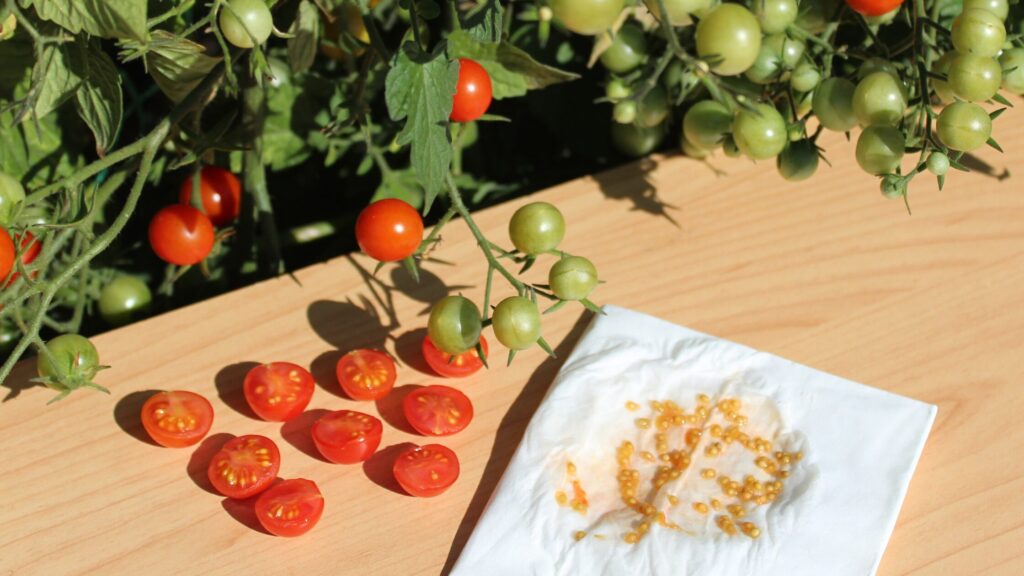
You thought you harvested every bean, but then you detect some of them hidden under some leaves? Don’t worry. Let them hang on the plant until the pod becomes dry and the beans rattle when you shake the pod. Peel them out of the pod, let them dry and store them in a paper bag in a cool and dark place. Congratulations! You’ve successfully grown next year’s harvest!
Harvesting seeds from plants that already grew in your garden not only makes you independent from seed companies but also eventually develops plants that are better adapted to your garden’s microclimate.
11. Sowing and planting
✔️ Why it matters: Sowing and planting in August prepare our autumn and winter harvest.
With all that harvesting, we suddenly have a few gaps in our vegetable garden beds. But if you think August is too late to sow and plant anything, think again. Now is the perfect time to lay the foundation for our autumn and winter harvest. So let’s fill up all the gaps with seeds or seedlings. For a quick overview of what to sow now, check the list above or read this comprehensive list of vegetables we can sow and plant in August in our garden beds.
🌿 Gardener’s Tip: Always close gaps in the beds to keep the soil covered and harvest continually.
Sow broad beans
Broad beans are often sown in early spring, but this year, I’ll try sowing them already in August. They’re said to develop plants of 10 – 20 cm (4 – 8 inches) before the frost strikes, overwinter on the patch and produce a considerably earlier harvest the next season. I haven’t any experience with sowing broad beans in August yet, but stay tuned; I’ll keep you updated.
Sow green manure
If you’ve already sown and planted whatever you wanted for a later harvest but still have gaps or even whole patches lying empty, sowing green manure is a good solution. Not only will it cover the soil and keep it from eroding or leaching out, but it’ll also enrich the soil with nutrients, usually nitrogen. In fact, green manure plants like clover or phacelia, for example, build Rhizobiaceae at their roots, where they store nitrogen. When the plant dies in winter, the nitrogen stays in the soil, attached to the roots and is slowly released when it gets warm again in spring.
Frequently Asked Questions About Gardening in August
What vegetables can I still plant in August?
Many fast-growing vegetables can still be sown in August, including Swiss chard, radishes and rocket salad. August is also ideal for succession sowing to extend harvests into autumn.
Can I still start a vegetable garden in August?
Yes. While spring is the traditional planting season, many fast-growing vegetables such as radishes, Asian greens, spinach and Swiss chard can still be sown in August. You can also plant lamb’s ear and other late lettuce varieties like chicory, winter purslane and radicchio.
Should I keep fertilising tomatoes in August?
Continue feeding while the plants are actively producing fruit, but gradually reduce nitrogen-rich fertilisers towards the end of the month so the plant focuses on ripening existing tomatoes.
Should I prune tomato leaves in August?
Yes, remove yellow or diseased leaves and improve airflow around the plants. Avoid removing too many healthy leaves at once since they still feed developing fruit.
How often should I water my garden in August?
Water deeply whenever the soil becomes dry rather than giving plants small amounts every day. Containers and raised beds usually need watering much more frequently.
Can I plant strawberries in August?
Yes. August is one of the best planting times because the plants establish strong roots before winter and often produce an excellent crop the following year.
Should I remove old vegetable plants after harvest?
Yes. Once crops have finished producing, remove diseased plants promptly and compost healthy material. Replant the space with autumn vegetables or green manure whenever possible.
Common August Gardening Mistakes
Mistakes can happen, even when you’re an experienced gardener. To help you prevent them, I’ve listed the most common mistakes:
1. Watering little and often
Frequent shallow watering encourages shallow roots, making plants less drought-tolerant.
2. Forgetting to harvest regularly
Overripe beans, cucumbers and zucchini slow further production.
3. Leaving empty beds bare
Bare soil quickly dries out, and weeds move in.
Always sow another crop or green manure.
4. Continuing heavy fertilising into autumn
Too much nitrogen late in the season encourages leafy growth instead of ripening fruit.
5. Ignoring pests because the season is nearly over
Aphids, powdery mildew, tomato blight and cabbage pests remain active well into late summer.
6. Forgetting to preserve surplus harvest
August abundance disappears surprisingly quickly.
Freeze, ferment, dry or preserve fruits and vegetables while they’re at their peak.
7. Letting weeds go to seed
One neglected week in August can mean thousands of weed seeds for next year.
🌿 August Gardening Checklist: Quick Summary
Focus on:
– Watering, mulching and fertilising actively growing plants
– Harvesting and preserving what’s in season
– Closing gaps in the beds by sowing and planting autumn veggies
Why Gardening in August Matters
Gardening in August is essentially based on three pillars:
Harvesting and preserving what’s ready now
Tending for what needs a bit more time
Setting the foundation for our autumn and winter harvest.
Sometimes it may feel like doing a mad dance between watering, checking for pests, harvesting loadfuls of fresh fruit and preserving them at night in the kitchen. All while it’s still hot outside, but already sensing autumn around the corner.
August is a month of abundance. Learn which garden tasks to prioritise now—from harvesting and preserving to sowing autumn vegetables—so your garden stays productive well into the next season.
It’s busy for us gardeners now, I won’t deny it. But it’s also very rewarding. Not only can we eat fresh produce for every meal if we like, but we can also watch our pantry stock up. Every jar of jam, pickle or ferment, every package of frozen vegetables, every dried bunch of herbs provides for our and our families‘ well-being while at the same time linking us to all those generations before us who did exactly the same.
🌿Enjoy slow seasonal gardening?
Join my newsletter for monthly garden guidance aligned with nature’s rhythm.
Seasonal inspiration for your garden, kitchen, and home—delivered with care every week.
Can’t get enough of gardening? These articles may also interest you:
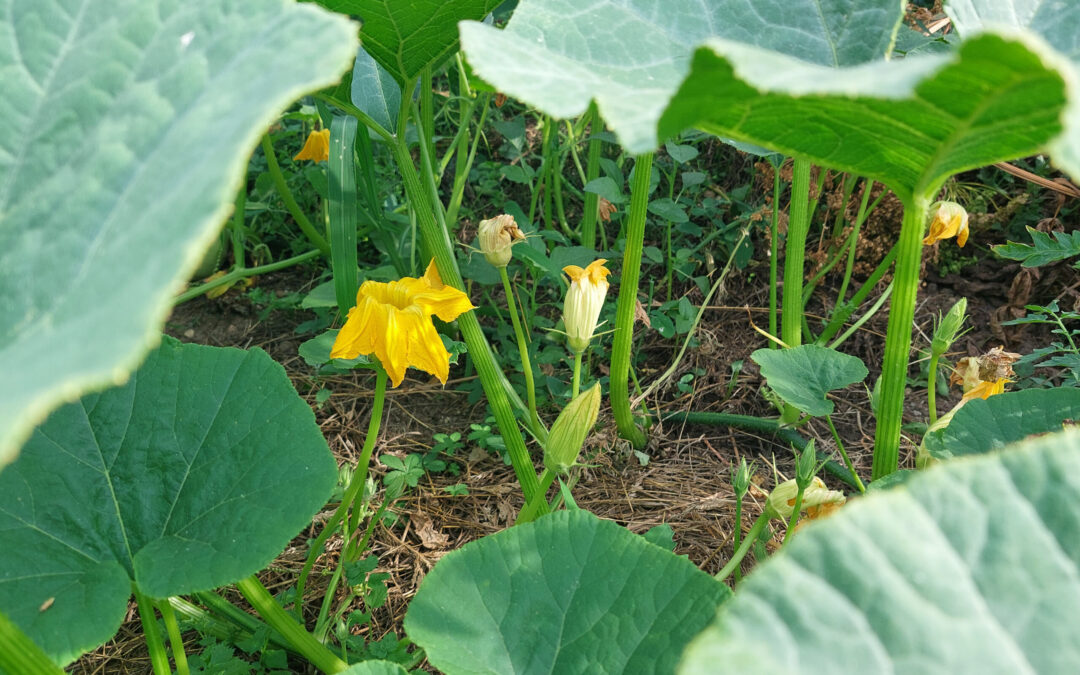
I was just visiting my garden and checking on the veggies. When I looked after my pumpkins, I realised that some of them are already bearing fruit, while others only show male flowers but no pumpkins.
If your pumpkin plant has plenty of flowers but still isn’t producing pumpkins, there are several possible reasons. In this article, we’ll look at one of the most common: plants that produce only male flowers. I’ll explain why it happens and what you can do about it.
Normally, male flowers develop earlier so that their pollen is ready for pollination as soon as the female flowers open.
Sometimes, though, a pumpkin plant keeps producing only male flowers and no female flowers. Without female flowers, there can be no pumpkins. In this article, I’ll explain why that happens and what you can do about it.
Why do some pumpkins have only male flowers?
Pumpkin plants produce both male and female flowers.
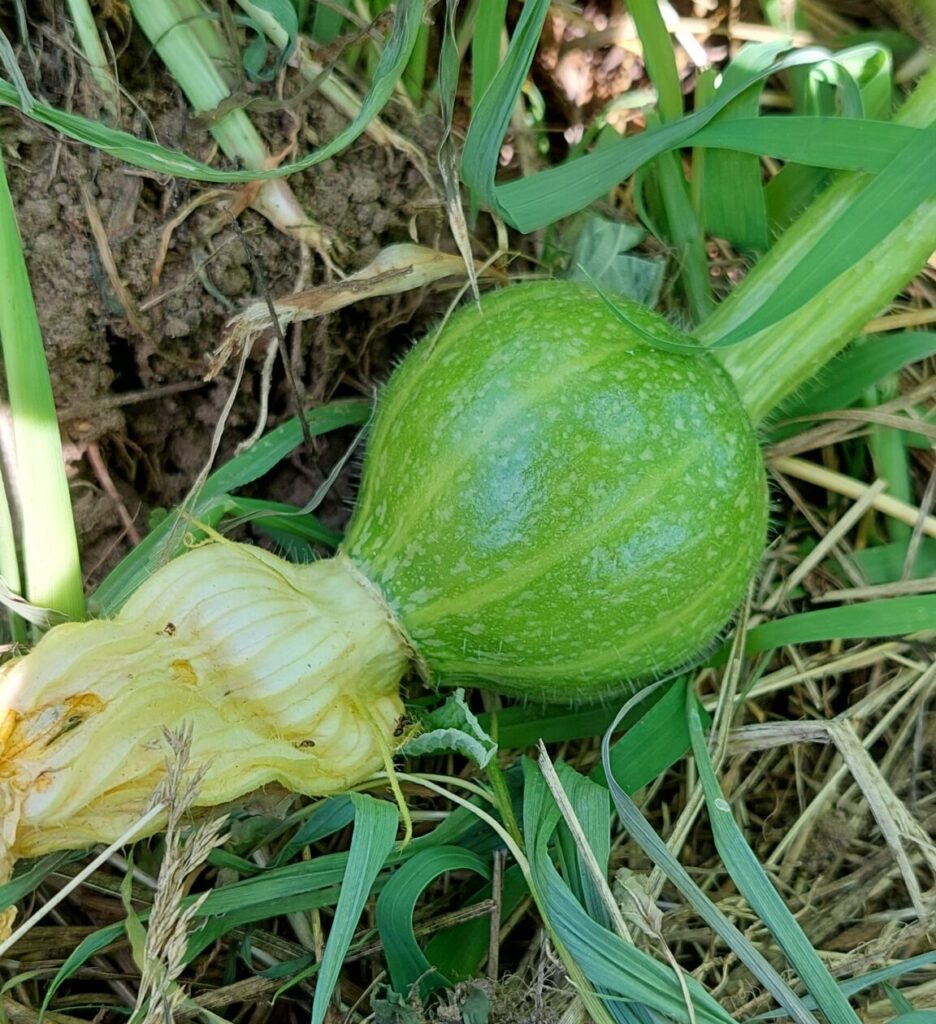
You can distinguish them by the characteristic ovary under the female flowers that looks like a mini pumpkin. In the middle of the flower, there’s a so-called stigma which looks a bit like a small crater.
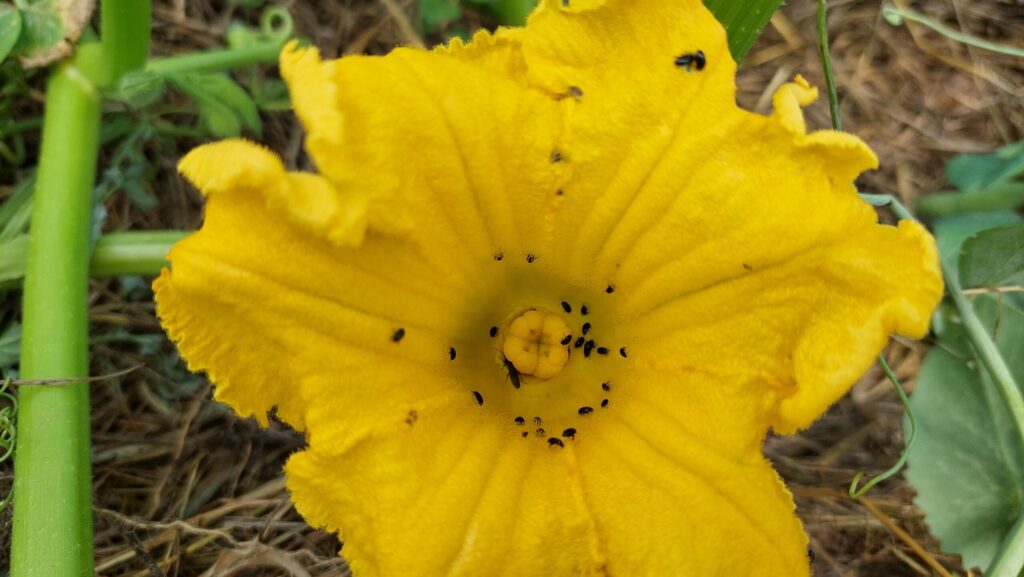
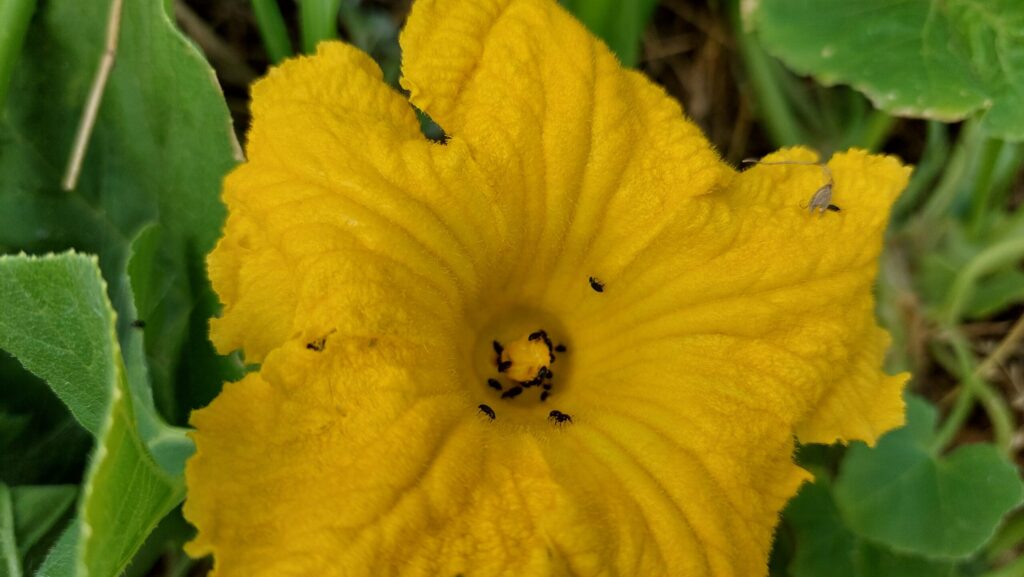
Male flowers, on the other hand, grow just on a long stem (no mini fruit here). Inside the flower are several pollen-covered stamens. It’s normal for a pumpkin plant to produce more male than female flowers. What’s not normal is when a pumpkin plant does not produce any female flowers at all. There are several reasons for that phenomenon:
Don’t panic – Male flowers develop first
Young pumpkin plants naturally begin by producing male flowers. In fact, 2 – 3 weeks before the first female flowers show, there are already male flowers on the plant, so they’re ready to pollinate the first female flowers when they open.
So don’t panic when your plant has just started to show flowers. As long as the plant is growing vigorously and looks healthy, patience is often all that’s needed.
Variety
Some vigorous pumpkin varieties produce lots of male flowers before switching. If you’ve chosen one of those varieties, you may want to wait another few weeks.
Too little nutrition
When a pumpkin doesn’t show any female flowers, the plant could have a nutrient deficiency. When the soil hasn’t had many nutrients to begin with or just doesn’t have the right kind of nutrients, a pumpkin plant can’t produce female flowers.
Too much nitrogen
On the other hand, too much fertilisation—especially with nitrogen—can also prevent pumpkins from producing female flowers. Too much nitrogen encourages leafy growth instead of flowering and fruit production.
Wrong place
Pumpkins originally come from warm regions, and they still love the sun. When planning your vegetable garden, choose a place where they get at least 6 – 8 hours of sunlight. In a shady spot, therefore, they don’t grow well.
Wrong watering
When pumpkins aren’t watered properly while they’re in bloom, the harvest will suffer.
In normal weather, pumpkins usually benefit from one deep watering each week. During hot, dry spells, they may need watering every day. Very cold water straight from the hose can stress the plants, especially during hot weather. If possible, let the water warm up a little first. In fact, it’s best to store the water during the day in an outdoor container so that it adopts the temperature of its surroundings.
Another point we must observe when watering pumpkins is to avoid spraying the part of the stem that grows out from the soil. When this root stem becomes wet, the plant can rot.
Temperature
Although pumpkins are sun-lovers, they suffer from very high temperatures. Heat waves with temperatures above about 32 °C (92 °F) can delay the production of female flowers.
Too little distance between plants
Truth be told, I’ve been guilty of that. In May, when we can finally transplant our pumpkins into the garden beds, it’s tempting to ignore the recommended distance between plants of about one metre (3 feet). The pumpkin plants are still relatively small, and although I know they’ll become immense, I pretend I couldn’t imagine it and “use the space better”.
Plants that grow too tightly together get less light and compete for nutrients. And as we’ve learned earlier in that article: no nutrients, no female flowers.
Too many leaves and shoots
When the plant produces too many leaves and shoots, that’s often a symptom of too much nitrogen. The plant goes full into “green mode”, growing leaves and shoots like mad and then doesn’t have any energy left for building flowers and fruits.
How to Help Your Pumpkin Produce Female Flowers
Let me show you what we can do if our pumpkins only show male flowers:
Fertilise correctly
Pumpkins are heavy feeders and must be fed enough nutrients.
About a week before transplanting, add compost to the patch where you want to grow the pumpkins. When I finally plant the pumpkins, I usually put some well-rotted, moist manure into the planting hole. That way, the plant has enough nutrients and moisture to grow well at the beginning.
When the plant has produced its first 4 – 5 real leaves, we must fertilise it for the first time. For heavy feeders like pumpkins, tomatoes or cucumbers, I mostly use my homemade nettle manure, but horn shavings are equally good.
During the growing season, from mid-summer until August, I fertilise my pumpkins every 2 weeks, alternating between the nitrogen-rich nettle manure and some phosphorus-containing fertiliser for fruit-building.
The right location
As we learned before, pumpkins are sun-lovers and need a place with at least 6 – 8 hours of sunlight per day. They can grow in the shade, but not well, and they’ll definitely produce fewer and smaller fruits there – if any at all.
The best place to grow pumpkins is a sunny bed near a compost heap where they get enough nutrients, light and water.
Watering correctly
It’s essential for the development of healthy pumpkin plants that they get enough water on a regular basis. Usually, it’s enough to water them once a week, but thoroughly so that the soil is well soaked.
During dry and hot summers, however, it may be necessary to water them daily.
Let the water warm up before, at best, by storing it in a rainwater barrel or another container during the day so that it can adopt the temperature of its surroundings.
The best times to water plants are the mornings and evenings. Just make sure to water where the roots grow (avoiding watering the root stem) and not hit the leaves.
Sufficient planting distance
Make sure to keep enough distance between pumpkin plants (remember, they’ll get massive!).
When they compete for nutrients and water, they can’t grow optimally, and they don’t get enough light and sunshine.
Want healthier vegetables all season long?
From pumpkins and tomatoes to cucumbers and beans, successful gardening is all about knowing what your plants need at the right time. Join my newsletter for practical gardening tips, traditional techniques and seasonal inspiration straight from my garden to yours.
Sign up here:
Pollinate pumpkins by hand 🎃
Once female flowers show, you can pollinate them by hand. Hand pollination should be carried out in the morning on the day when a female flower opens.
Choose a male flower for pollination and check by brushing with a finger over the stamen and look if you’ve got pollen on it. If so, remove the petals so that the style is exposed.
Carefully hold back the female flower’s petals and brush the pollen-covered stamens of the male flower against the stigma in the centre of the female flower.
Hand pollination is a good method to make sure that a pumpkin plant produces fruit.
Frequently Asked Questions
Should I remove male pumpkin flowers?
No. Leave them where they are, because they’re necessary for pollination.
Are pumpkin flowers edible?
All pumpkin flowers are edible, except those of ornamental pumpkins. They can be filled with ricotta and baked in a pan and have a slightly nut-like flavour.
How long do pumpkin flowers stay open?
Every pumpkin flower opens only for one day. If the female flower isn’t pollinated during that day, it withers and falls off.
How do I know if a pumpkin flower is pollinated?
The only way to be sure is by pollinating the female flower by hand.
Why do my baby pumpkins turn yellow and fall off?
That’s usually due to incomplete pollination. The pumpkins that turn yellow are just the ovaries at the bottom of the flower. When they have not been pollinated, they will fall off.
How many pumpkins grow on one plant?
A pumpkin plant can produce between one and 10 pumpkins, with small varieties up to 15.
Where can I learn more about cultivating pumpkins?
This is a good reminder that even experienced gardeners sometimes need to play detective. Remember when I told you at the beginning that two of my pumpkin plants showed only male flowers?
Rather than assuming something is wrong with the plant itself, it’s often worth looking around it. In my case, I suspect the neighbouring kohlrabi are shading the pumpkins more than I’d realised.
The plants I’m referring to grow under the corn in a three-sister bed. (For those of you who don’t know: this is a combination of corn, pumpkin and beans; read more about it in this guide on companion planting.)
However, south of them, blocking the sun, still grow some soon-to-be-harvested kohlrabi. I think the problem the pumpkins have is too little sunlight. As I’m going to pick the kohlrabi anytime soon, I’m optimistic that the pumpkins will enjoy the newfound sunlight and celebrate by producing lots of female flowers.
I’m so looking forward to my pumpkin harvest this autumn—and I hope you’ll be harvesting plenty of pumpkins, too. If you’re wondering what to do with them all, here’s my favourite sweet-and-sour pumpkin recipe.
Looking for more practical gardening tips? Browse my Gardening Hub, where you’ll find step-by-step guides, seasonal advice and tried-and-tested solutions to help your garden thrive.
In July, the vegetable garden is at its peak. Raised beds and vegetable patches are overflowing with ripe produce, and every day brings something new to harvest. While we’re busy watering, harvesting and preserving the summer abundance, it’s easy to overlook one important fact: July is one of the best months to start vegetables for autumn and winter.
Now we can maximise our growing season with strategic planting. In fact, July presents ideal conditions for both cool-season succession plantings and fast-growing vegetables that still have plenty of warm weeks left to mature.
The key idea here is succession planting. After all, we don’t want to have an overwhelming harvest once, only to find our patches empty for the rest of the season. Smart planning this month sets the foundation for a productive garden that bridges the gap between summer’s abundance and winter harvest.
Instead of leaving empty spaces after harvesting early crops, we immediately replace them with new plants. That way, every square metre continues producing food well into autumn.
Quick Reference: What to Sow and Plant in July
Here’s a cheatsheet of what you can sow and plant in July:
Sow indoors
Direct-sow outdoors
Plant outdoors
Kohlrabi
Spinach
Brassicas
Chinese cabbage
Beans
Zucchini
Brussels sprouts
Rocket salad
Lettuce
Autumn lettuce, like Radicchio
Radishes
Leek
Fennel
Swiss chard
Welsh Onions
🌱 Prefer a printable version?
Download the free July Garden Checklist & Planting Guide — a calm, practical companion for what to sow, plant, and harvest this month.
Vegetables to Seed-Start Indoors in July
If you’re new to seed-starting, you may want to learn more in my beginner’s guide to seed starting. I’ve gone back to seed-starting indoors again because the greenhouse is already fully covered with vegetables. If you have room there, however, the greenhouse is a wonderful place to seed-start the following veggies:
Brassicas
July is the last chance to seed-start Brussels sprouts, Chinese cabbage and a second batch of kohlrabi indoors. That way, whenever there’s a gap in a patch, you can fill it up with these plants.
Lettuce
As you’ll know by now, I’m a strong advocate for regularly seed-starting lettuce. A four-week rhythm has worked well in my own garden. By seed-starting lettuce every four weeks, I have a continuous supply of plants and never run out of fresh lettuce during the growing season.
In July, it’s time to think about autumn and winter harvest. We can now seed-start lettuce varieties like radicchio, romana and bolt-resistant oak leaf lettuce.
🌿 Gardener’s Tip
Keep a few seed trays going throughout July.
Succession planting becomes much easier when young seedlings are always ready to fill empty gaps.
Fennel
I have to admit that fennel has never been one of my gardening successes. Every attempt so far has failed. Many experienced gardeners recommend sowing it in July instead of spring, though, so that’s exactly what I’m trying this year. I’ll let you know how it goes.
Welsh onions (Winterheckenzwiebeln)
Welsh onions, also known as bunching onions, can be sown in July to prepare a harvest for the following year. These hardy perennial onions tolerate frost well and can remain in the garden for many years.
Vegetables to sow directly outdoors in July
Beans
Both bush and runner beans can still be sown in July, either as a gap filler when some other vegetables are harvested or between heavy feeders like cabbages, cucumbers or tomatoes. This is the last chance to sow them, though, (at least in my zone) as they need 8 – 10 weeks to produce.
Spinach, Swiss chard
Both vegetables are wonderful gap fillers that grow fast and thus cover the ground. Additionally, they taste delicious and – mostly in the case of the Swiss chard – are a very pretty sight.
Sow little and often every two or three weeks rather than all at once.
Rocket salad
Sow it, watch it grow quickly, harvest the leaves and let it bloom. That way, it will spread across your garden.
Radishes
Like in June, choose bolt-resistant varieties of radishes and sow them directly into the soil. As radishes need only about 30 days from sowing to harvest, they’re great for filling empty spaces in the vegetable patch quickly. And they’re a wonderful addition for a lunch salad, a cool supper or as fermented radishes for storage.
All seed-started vegetables, whether you grew them in your house or the greenhouse, must be hardened off before they can be transplanted outdoors. Start by putting your plants outside for 2 – 3 hours at first and gradually increase that time over a week. That way, you make sure that your veggies will cope with being outside.
🌿 Gardener’s Tip:
Grow a few extra seedlings in pots.
When an early crop finishes or a plant fails, you can quickly fill empty spaces and keep your garden productive.
Brassica
Brassica seedlings we started earlier indoors, like broccoli, Savoy cabbage, Brussels sprouts and cauliflower, can still be planted outdoors in July.
Just make sure you have them properly hardened off and transplant them on a cloudy day so that they don’t get stressed too much.
Lettuce
As in the weeks before, our monthly batch of lettuce wants to be planted outside.
Zucchini
Depending on the weather, zucchini in the garden may have developed diseases like powdery mildew or downy mildew by July. It comes in handy, then, if you have seed-started another batch of zucchini a few weeks earlier. Instead of trying to keep the infected plants alive, remove them completely and discard them and any leaves or remains of fruits in the household garbage. Never throw them in the compost, where the disease would spread the next year!
Fill the gaps where the zucchini were with any plants or seeds I mentioned earlier, and transplant the young zucchini plants into another patch.
That way, you’ll have a continuous harvest of healthy zucchini right until the first frost.
Leek
If you still have some winter leek plants left, now’s the last chance to plant them outdoors. Great companions for leeks are carrots or parsnips, as they both keep each other’s pests away.
Water leek thoroughly after transplanting.
What Not to Sow in July
Some cool-season vegetables struggle in July heat and tend to bolt quickly, especially in warmer climates. Avoid sowing:
early spinach varieties
spring radishes
peas
lamb’s lettuce (Wait until temperatures begin to cool again in late August or September.)
Instead, wait until late summer or early autumn.
Frequently Asked Questions
Can I still sow carrots in July?
Yes, but you must choose a late variety that can stand frost.
Can I grow vegetables in July if I missed spring sowing?
Absolutely. In fact, July is the perfect month to prepare for autumn and winter harvest.
Which vegetables grow fastest from a July sowing?
Radishes, rocket salad, lettuce, spinach and Swiss chard grow fast.
Should I seed-start indoors in July?
Yes. Many brassicas and lettuces benefit from indoor seed-starting in July, especially for autumn and winter harvests.
Fertilise all heavy-feeders like tomatoes, cucumbers, zucchini, pumpkins and cabbage plants regularly. That way, they get all the nutrients they need to produce healthy fruits. At the same time, they stay strong and sturdy and can better fight off diseases and pests.
Water your plants deeply during dry spells. Here in Bavaria, July can get pretty hot and dry, but we also know temperate and humid Julys. When it’s too dry for too long, though, check the garden soil and water your plants thoroughly. It’s better to water them once a week deeply instead of daily, but only on the surface.
If you haven’t already, mulch your beds with grass clippings, straw or shredded leaves. Mulch keeps the soil cooler, reduces evaporation and suppresses weeds during hot weather.
Harvest whatever is ready in your garden. July is still a great time to harvest and dry herbs for later use. If you know what else you can do with herbs, read this article on six ways to preserve herbs.
July is quite a busy month in the garden with sowing, planting and harvesting almost constantly.
It’s the circle of life in fast motion.
Don’t forget to pause intentionally from time to time and just admire what Nature – with your support – produces for us each year. Isn’t it marvellous to step into the greenhouse and snack on some fresh tomatoes? The plants we started and tended earlier, and transplanted eight weeks ago, are now bursting with fruits of the best flavour you can imagine. It’s a miracle every year!
If you’d like to explore the slower and more reflective side of this season, you may also enjoy my July reflections.
Everything we harvest now makes room for new seedlings, and every gap in the patch becomes another opportunity to extend the season. Good planning now is the basis for a good autumn harvest.
🌿Enjoy slow seasonal gardening?
Join my newsletter for monthly garden guidance aligned with nature’s rhythm.
Still not enough garden talk? Then these posts may interest you: