.
A few days ago, an acquaintance said to me: “You’ll sure be glad that things are slowing down in the garden now that it’s September, aren’t you?” Very obviously, she’s not a gardener herself. Otherwise, she would know that September is one of the busiest months in the garden! Mostly it’s about harvesting and preserving said harvest, but there are a few other things we must think about now. Let’s see what garden tasks September has in store.
September Garden Checklist: Essential Tasks at a Glance
If your time is limited, concentrate on these essential September garden jobs:
- Harvest ripe vegetables, fruits and herbs
- Preserve surplus crops for winter
- Sow late-season vegetables for your autumn and winter harvest
- Clear finished crops and protect the soil with mulch
- Watch the weather forecast and protect tender crops from night frosts
Climate note: These September garden tasks are based on my garden in Bavaria (roughly zone 7b) and are generally suitable for temperate climates. Adjust sowing and frost-protection dates to your local conditions.
Here’s a quick overview of the most important garden tasks to tackle in September:
| Garden Task | Best Time in September | Priority |
|---|---|---|
| Harvesting | When plants are ripe | High |
| Preserving harvest | After harvest | High |
| Checking for diseases | Every second day | High |
| Sowing | After gaps form due to harvest | High |
| Cutting off tomato flowers | mid-September | Medium |
| Mulching | When beds are empty | Medium |
| Protect tender veggies from frost | When night frost is forecast | High |
| Propagate strawberries | early September | Medium |
Seasons are fluid, as you know, and if you’re just transitioning from late summer into early autumn, you may want to have a look at these August garden tasks. Some jobs started last month and are still to be continued in September – especially harvesting and sowing for a late harvest.
→ Continue from last month with my August garden checklist.
Now let’s look at the most important September gardening jobs that will keep your vegetable garden productive through early autumn:
1. Harvest and Preserve September Crops
✔️ Why it matters: Vegetables harvested at the right time taste better and can be preserved for winter.
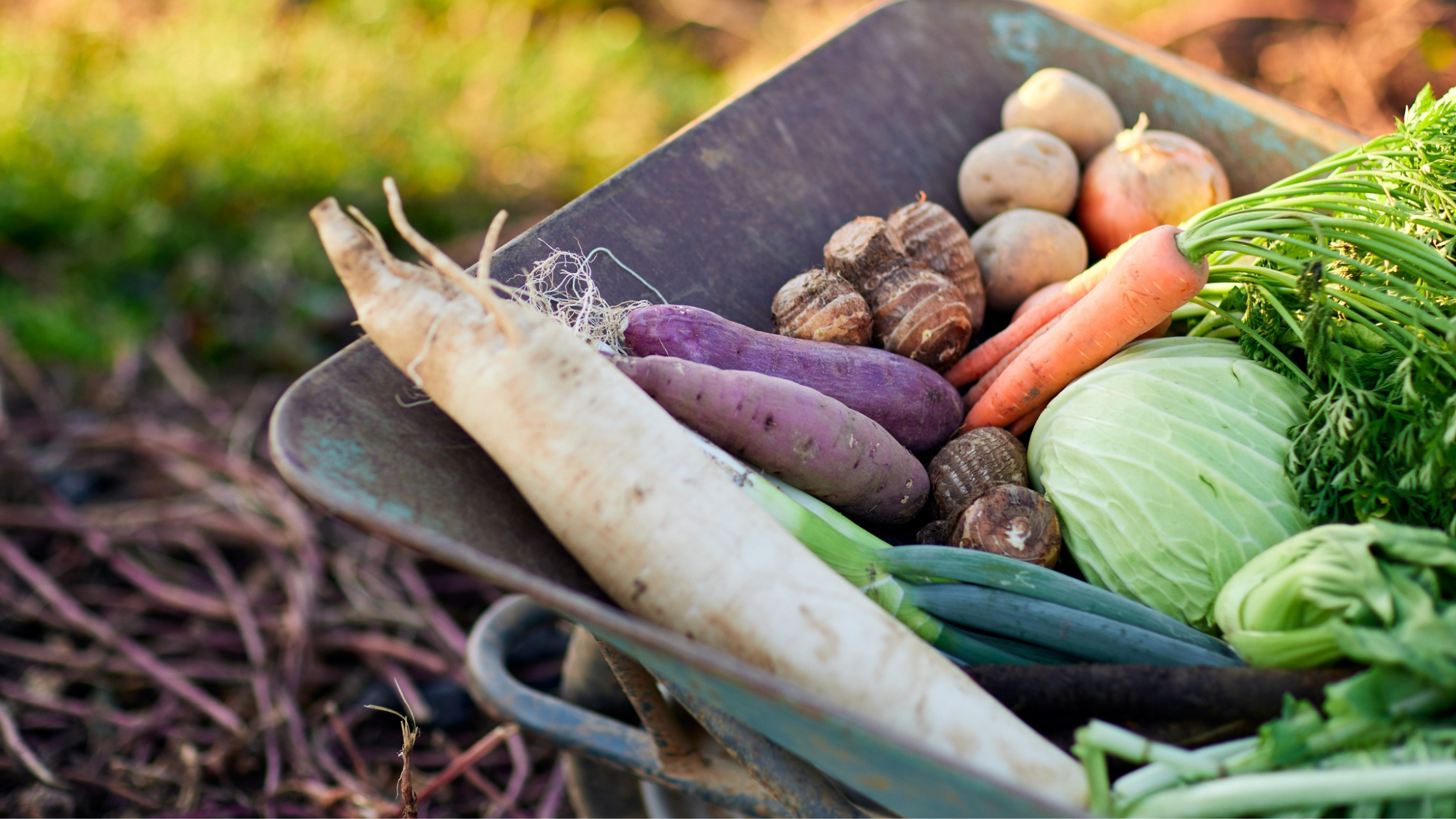
In my garden in Bavaria, September is the busiest harvesting and preserving month of the whole year. Many vegetables are ripe now, herbs can be cut and dried, frozen or processed a last time, and apple, pear and plum trees finally can’t hold their load any longer and shed it if we’re not quick enough to pick it.
Some vegetables like tomatoes, potatoes, peppers, beans, zucchini, etc. must be harvested when they’re ripe. If you leave them too long on the plant, they either rot or become too large (hello baseball-bat-zucchini) and tasteless.
Some root vegetables, however, like beetroots, carrots and parsnips, can stay in the soil even when they’ve reached their harvesting size. In fact, with a thick layer of mulch that protects them from the cold, they can easily stay outdoors right into winter and can be harvested as long as the soil’s not frozen solid. Carrots and parsnips can even become sweeter after exposure to cold temperatures.
Need ideas for using your September harvest? Turn freshly harvested beetroot into my quick and easy beetroot curd, preserve the seemingly endless zucchini glut with my zucchini pickles, or explore my Preserving guides for more ways to make your harvest last.
2. Remove Late Tomato Flowers
✔️ Why it matters: Help tomatoes ripen their fruits.
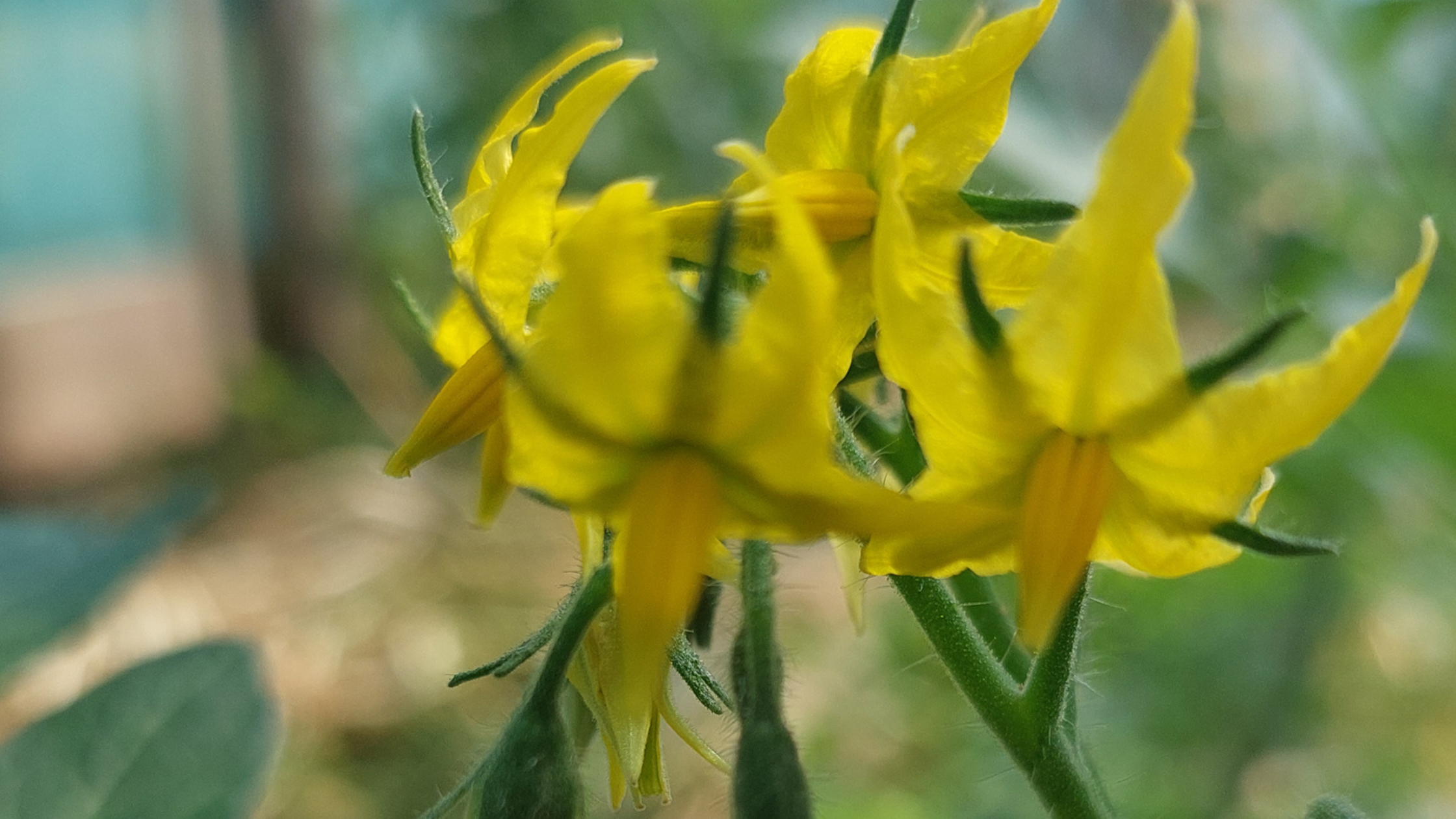
This may sound counterproductive, but here’s the hard truth: here in Bavaria, tomatoes that develop from flowers appearing this late in the season are very unlikely to ripen before temperatures become too cold. For that reason, I cut off all tomato flowers, helping the plants focus all their energy on ripening the tomatoes that have already formed.
→ Find more late-season tomato advice in my complete guide to growing tomatoes.
3. Sow Vegetables for Winter and Spring
✔️ Why it matters: Sowing in September prolongs your harvest through the winter months.
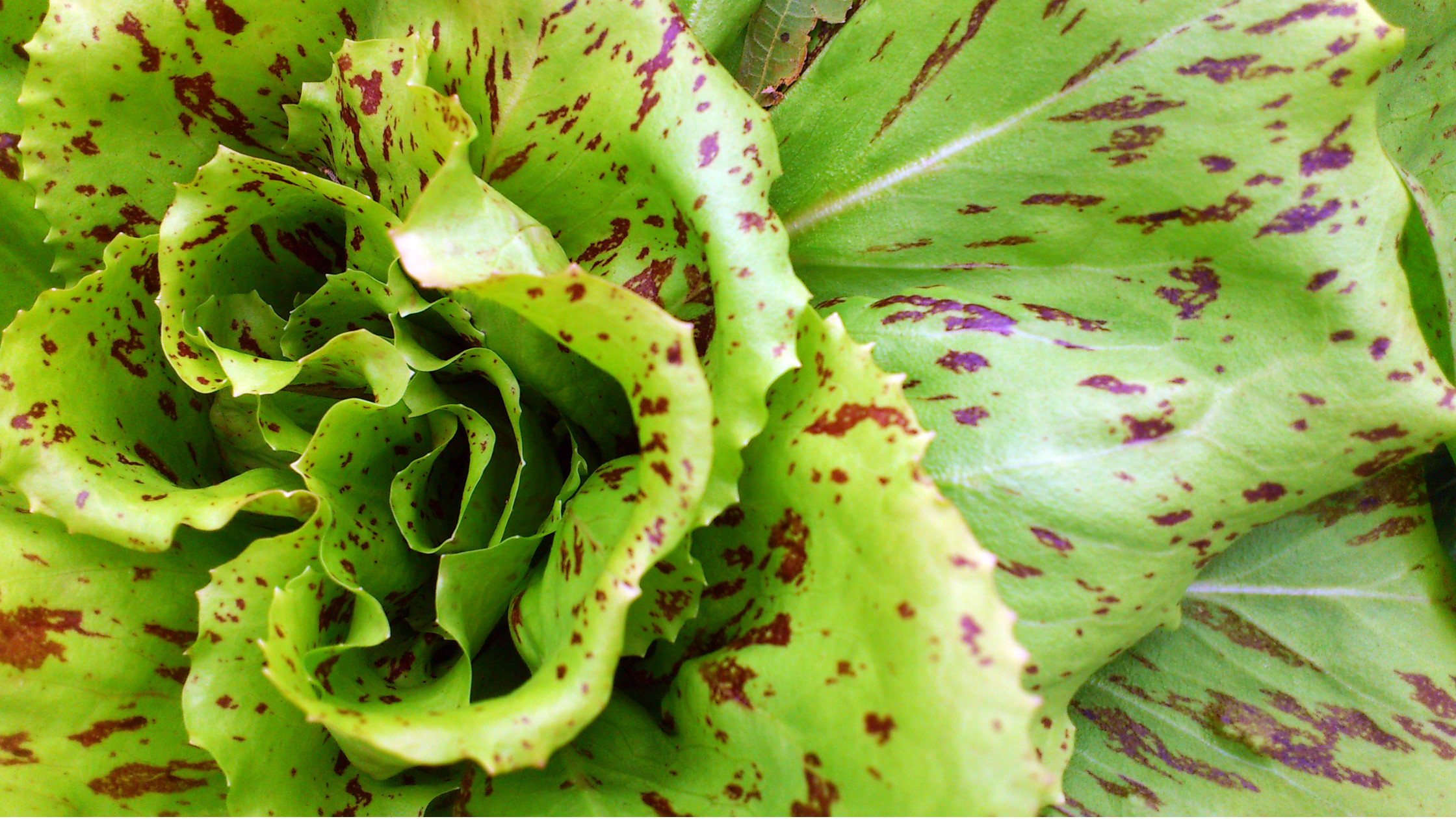
This may be a surprise to you (at least it would be to my acquaintance), but you can still sow vegetables in September. What you sow now will not only feed you in autumn but will make for your winter (and spring!) harvest.
Whenever you harvest a row in your patch, therefore, fill the gap with cold- and winter-hardy seeds, for example lamb’s lettuce, Asian leafy greens, spinach, Swiss chard, radishes or cress. That way, you can harvest and eat fresh produce throughout the winter.
→ For a complete overview, read my full guide on what to sow in September.
If you’ve got a greenhouse or a cold frame, all the better: your winter vegetables will be more sheltered from cold, wind and frost, although they may still need extra protection during severe cold spells.
You can also sow vegetables now that will overwinter in the beds and can be harvested earlier next season, for example, broad beans or winter-hardy peas.
Want a reminder of what to do in the garden each month?
Get seasonal garden tasks, sowing ideas and practical tips delivered straight to your inbox.
4. Clean Up Diseased and Dying Plants
✔️ Why it matters: Cleaning up prevents diseases from spreading
Although it’s comparatively late in the season, it doesn’t mean that plants can’t develop diseases. In fact, September is prime time for powdery mildew, blight and other fungal problems, especially as nights become cooler and damper.
Check your plants regularly for signs of disease and discard infected parts or plants. Don’t use heavily diseased plant material as mulch, though. I also avoid putting it on my home compost, as a small compost pile may not become hot enough to destroy certain pathogens. Dispose of it according to your local recommendations instead.
If you’ve got dead plants or parts of plants on your patches, remove them as well. If they’re not infected with any diseases, you can put them into the compost where they will decompose over the next months and transform into new, nutritious soil. Another way to use dead plants is to use them as mulch (see next point).
5. Protect Empty Garden Beds
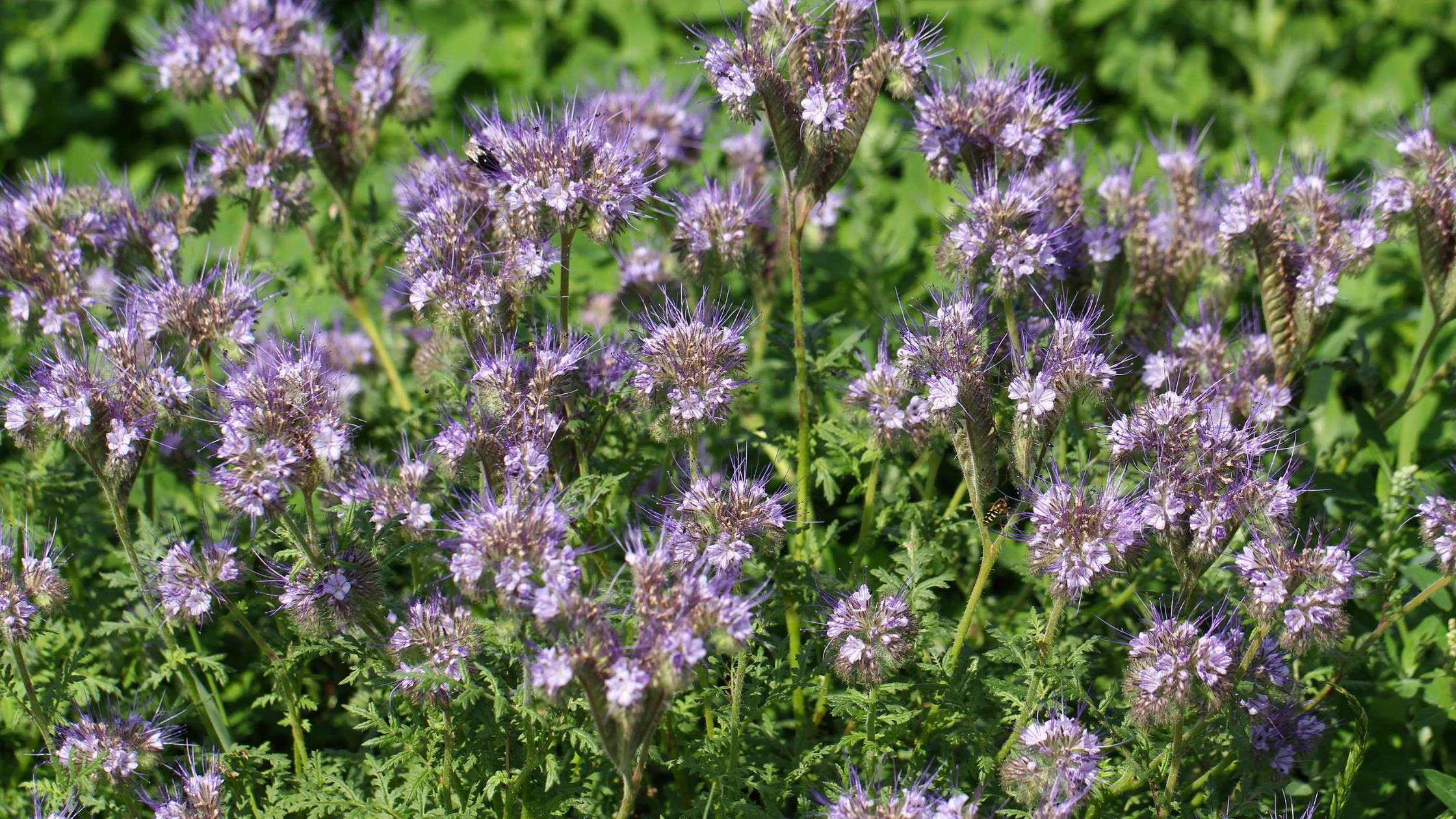
✔️ Why it matters: Keep the soil covered to prevent erosion and deep freezing.
When we take a look at Nature, there’s no soil left uncovered. Either something grows, or it’s covered with some form of mulch. In our vegetable gardens, we want to imitate Nature.
If you don’t want to grow winter vegetables throughout your whole garden, you could sow green manure in the empty patches. Good cover plants include Phacelia, winter rye, or winter peas (not the vegetables we want to eat, but rather a more robust variety that can also be used as animal feed).
Another way to keep our beds protected is by covering them with thick layers of mulch. Dead leaves, grass clippings, cut-up remains of harvested vegetables (if not infected with diseases! see above), sheep wool – these are only a few examples of what you can use as mulch. Cover empty beds with a layer of organic mulch. Around 5–10 cm (2–4 inches) is sufficient for many materials; dry autumn leaves can be applied more generously because they settle considerably.
6. Propagate Strawberry Runners
✔️ Why it matters: Get new plants for free.
While my strawberry bed looked neat and orderly in spring, it’s covered in plants now. The strawberries have developed long stalks that spread out of the plant and have built roots where they touched the soil. That way, new strawberry plants have formed throughout my patch. I could rip them out, of course, but it would be a shame. Instead, I dig up the runners and either plant them in pots or other containers filled with compost or directly into another patch where they will bear fruit next summer.
I always choose healthy, well-rooted daughter plants, preferably those closest to the parent plant, and discard weak or diseased runners.
7. Protect Tender Crops from Early Frosts
✔️ Why it matters: One cold night can end the harvest of tender summer crops prematurely.
Admittedly, here in Bavaria we seldom have frosty nights in September, but it’s not entirely unheard of. That said, and depending on your growing zone, there could be frosty or near-zero temperatures even in September.
Keep an eye on nighttime temperatures, particularly if they are forecast to approach 0°C (32°F). Tender crops such as tomatoes, peppers, cucumbers and courgettes can suffer from cold well before a hard frost, so covering them with horticultural fleece on particularly cold nights can extend the harvest. After all, it may only be one night, and the days will still be warm enough for the plants to ripen properly. It would be a pity if we just let them die before getting that pretty harvest.
Common September Gardening Mistakes
Assuming the growing season is over
September can still provide weeks or even months of productive growing. Empty beds can be replanted with fast-growing or cold-hardy crops.
Leaving ripe vegetables on the plants too long
Regular harvesting keeps many plants productive and prevents courgettes, beans and cucumbers from becoming oversized or poor in quality.
Leaving soil bare over winter
Empty beds are vulnerable to erosion, nutrient loss and weather damage. Sow a cover crop or protect the soil with organic mulch.
Sowing autumn crops too late
Day length decreases rapidly in autumn. Crops sown too late may germinate but barely grow before winter. In September, don’t postpone sowing simply because the weather is still warm.
Ignoring the weather forecast
One unexpectedly cold night can damage tender crops even when another spell of mild weather follows. Keep fleece or another suitable cover ready.
Composting or mulching diseased plants
Healthy plant residues are valuable organic matter, but heavily diseased foliage can carry problems into the next growing season.
Frequently Asked Questions About Gardening in September
What should I do in my vegetable garden in September?
September is mainly a month for harvesting, preserving, sowing cold-hardy vegetables, clearing finished crops and preparing beds for autumn and winter. You should also monitor nighttime temperatures and protect tender crops if unusually cold weather is forecast.
What vegetables can I sow in September?
Depending on your climate, September sowings can include spinach, lamb’s lettuce, winter lettuce, rocket, radishes, winter cress and Asian salad greens. Hardy overwintering peas and broad beans can also be autumn-sown in suitable climates for an earlier crop the following year.
Is September too late to sow vegetables?
No. Although warm-season crops are coming to an end, September is a good time to sow many cold-hardy vegetables. The exact sowing window depends on your climate, daylight and first-frost date.
Should I clear my vegetable garden in September?
Clear finished and diseased plants, but there is no need to leave the soil bare. Empty beds can be planted with winter crops or cover crops, or protected with organic mulch.
Should I cut the flowers off tomato plants in September?
In cool temperate climates, removing new tomato flowers in September can help the plant direct its remaining energy towards fruit that has already formed. In warmer climates with a long autumn growing season, this may not be necessary.
When should I protect vegetables from frost?
Watch your local forecast as autumn approaches. Tender crops such as tomatoes, peppers, courgettes and cucumbers benefit from protection when temperatures become very low or frost is forecast. Hardy autumn and winter vegetables usually need much less protection.
Can carrots and parsnips stay in the ground over winter?
Yes, in many climates carrots and parsnips can remain in the soil well into winter, particularly under a protective layer of mulch. Harvest them before the ground freezes solid or prolonged severe cold makes digging impossible.
What should I do with empty vegetable beds in September?
You can sow another crop, plant a green manure or cover crop, or cover the bed with organic mulch such as autumn leaves, compost or other suitable plant material. Keeping the soil covered protects it and supports soil life.
Follow the seasons with me
Get practical ideas for growing, preserving and making the most of each season — one project at a time.
Why September Garden Jobs Make All The Difference
To an outsider (aka non-gardener), it may seem as if the garden season stops in September, but that is definitely not the case! In fact, there are three main pillars that not only keep the harvest going but set the basis for a healthy and fruitful garden next season:
- Harvesting and preserving whatever’s ready now
- Tending to our vegetables by checking for diseases and discarding infected plants
- Setting the foundation for our autumn, winter and even next spring harvest.
Temperatures may have dropped a bit and days noticeably grow shorter, but harvesting is still in full swing. Alongside summer crops like tomatoes, cucumbers and zucchini, the first apples, pears and plums, as well as autumn vegetables like cabbages, are ripe now. It can feel overwhelming to stand in front of a basket (or baskets) full of freshly picked fruits and vegetables and know that they must be preserved. But imagine the joy and deep satisfaction you’ll feel when, in winter, you can “shop” in your pantry for food! That’s worth the effort you’ve got to put in right now.
If your harvest is coming in faster than you can eat it, explore my preserving guides and recipes for ideas on fermenting, pickling, canning and more.
Also, we are already preparing the ground for next year’s season. By sowing autumn and winter crops or green manure and covering empty patches with organic matter, we make sure the soil is covered and well-protected. That way, our garden can rest safely once winter comes and wake up fresh and nutritious when the new season has arrived next spring.
Looking ahead: October will bring another shift in the garden, with fewer summer crops and more preparation for the cold months ahead. Continue with my October garden tasks to see what comes next.
0 Comments