
Preserving
Make the most of each season by preserving what’s abundant now. Whether you want to ferment vegetables, make jams and syrups, pickle your harvest or preserve herbs, you’ll find practical guides and recipes here to help you enjoy seasonal food for longer.
New to preserving? Start with the basics or explore the different preserving methods below.
PRESERVE THIS MONTH
What to Preserve in September
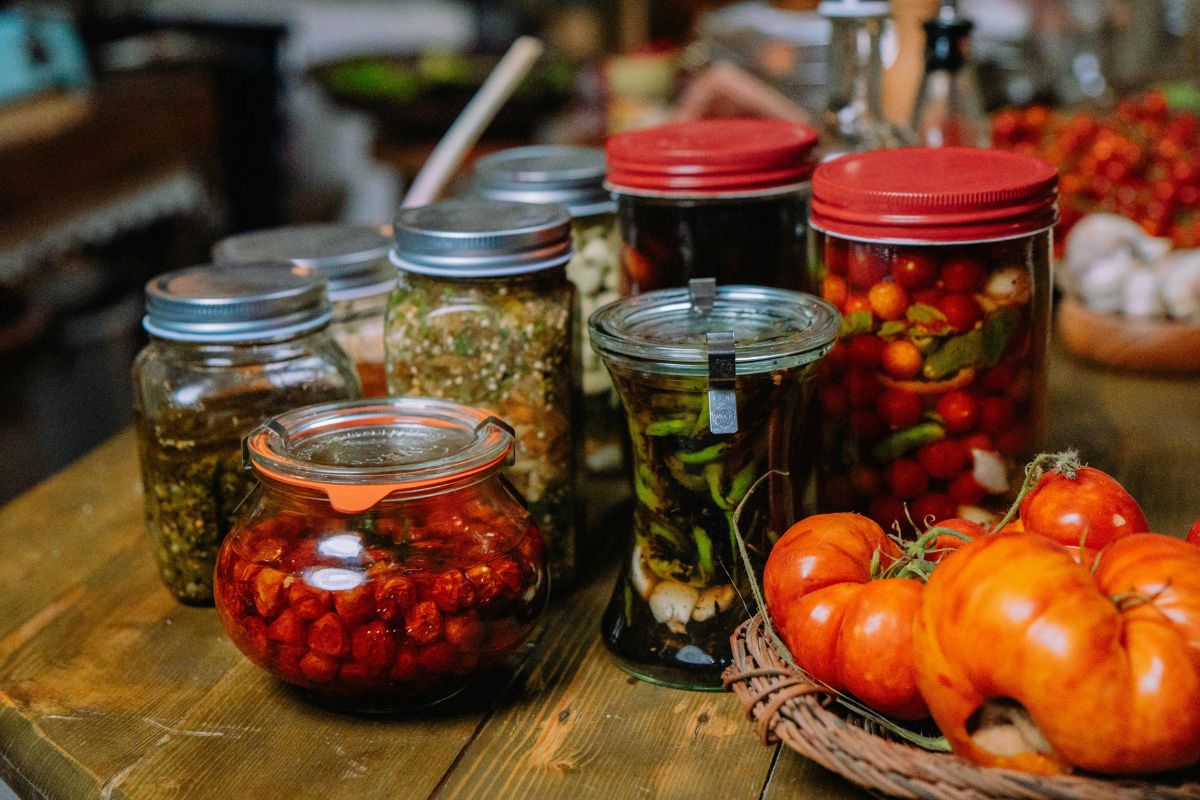
September is one of the busiest months for preserving, with plenty of fruit and vegetables still coming in from the garden and orchards. These seasonal recipes and guides will help you preserve the harvest and fill your pantry for the months ahead.

Pickled Zucchini: From Garden Surplus to Flavour-Packed Treasure
Every gardener knows the cycle: the first zucchini of the season is a celebrated trophy, but by number ten, the family is in full revolt. If you’re watching your zucchini plants with a mix of pride and panic, this pickled zucchini recipe is your salvation. This simple preservation method transforms your garden surplus into flavor-packed jars that will brighten winter meals for months to come. The best part? No salting required, any size zucchini works (even those that have grown into baseball bats), and the recipe comes together in under an hour. With a tangy brine infused with curry, dill, and mustard seeds, these pickles are perfect for sandwiches, cheese boards, or mixed into potato mash for an unexpected flavor boost. Stop letting those zucchini go to waste—turn your overflow into a pantry treasure you’ll actually be excited to use all year long.Claude is AI and can make mistakes. Please double-check responses.
From Orchard to Jar: 4 Heavenly Pear Jam Variations
When my colleague brought over two buckets of freshly harvested pears, I knew I wanted to create something special beyond classic pear jam. These four heavenly pear jam variations capture everything from warm autumn spices to bright summer flavours, each bringing its own unique character to your breakfast table. Try the velvety Pear Jam with Spices featuring vanilla, ginger, and cardamom for cosy autumn mornings. The Pear Jam with Rosemary offers a fresh, herbaceous twist that’s perfect for cheese boards. For something sophisticated, the Pear Jam with Riesling adds subtle fruitiness and depth. And the kid-friendly Pear-Blueberry Jam with Cinnamon combines three seasons in one jar. Each recipe follows the same simple process and uses just a handful of ingredients. Whether you’re working with freshly picked pears or windfall fruit that needs quick processing, these creative variations will help you preserve the harvest in delicious new ways.
How to Make Perfect Pear Jam: From Tree to Jar
Autumn’s bounty doesn’t last forever — and that’s exactly why making pear jam feels like capturing sunshine in a jar. 🍐✨ Unlike water-rich berries, pears need a little extra technique to turn into a rich, velvety jam, and this step-by-step guide walks you through it from orchard to pantry. You’ll peel and prepare ripe pears, mix them with sugar and a touch of lemon, then let the fruit rest so it naturally releases its juices before a short, fragrant boil brings everything together. The result? A beautifully balanced preserve with a subtle sweetness and delicate texture that’s perfect on toast, paired with cheese, or tucked into holiday baking. Plus, once you’ve mastered the basics, there’s room to play with spices or herbs to make your own signature jar of pear goodness.
EXPLORE PRESERVING
Explore Preserving Topics
Choose a preserving method and find practical guides, recipes and troubleshooting advice to help you preserve seasonal ingredients with confidence.
Fermentation
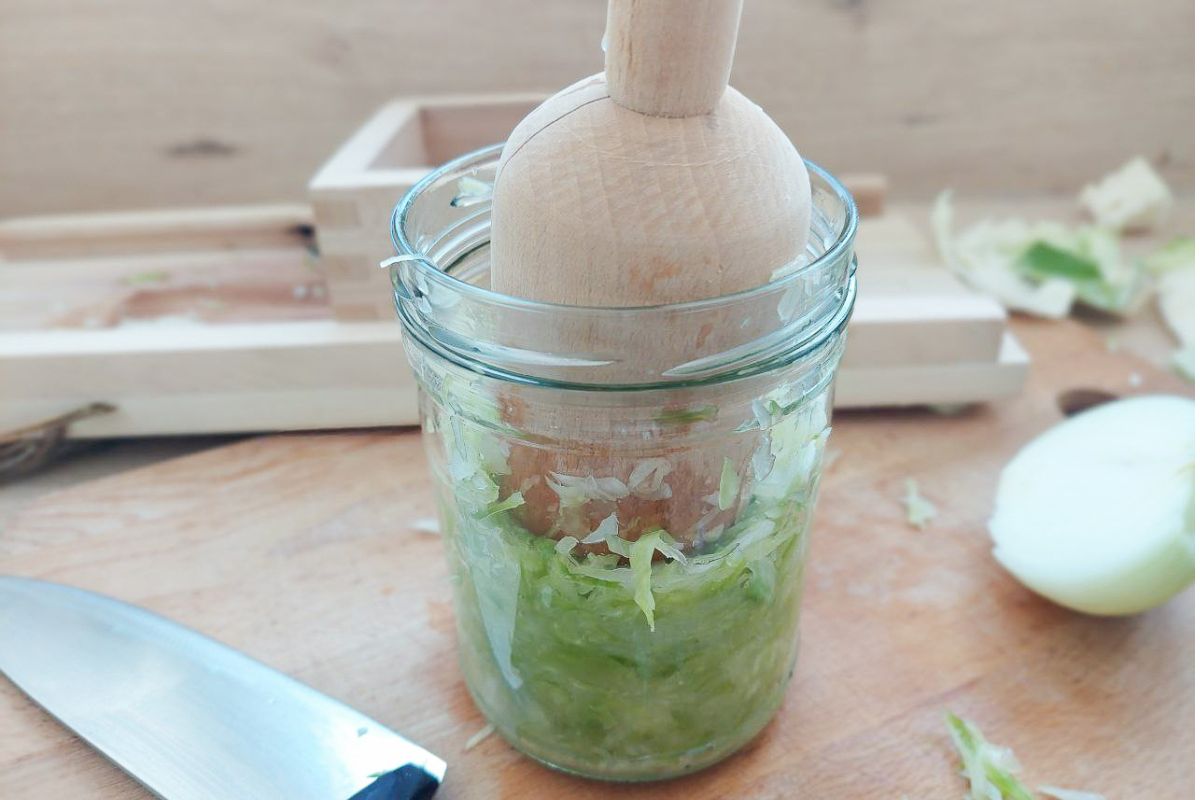
Learn the basics of fermentation, troubleshoot common problems and find recipes for turning seasonal ingredients into flavourful ferments.
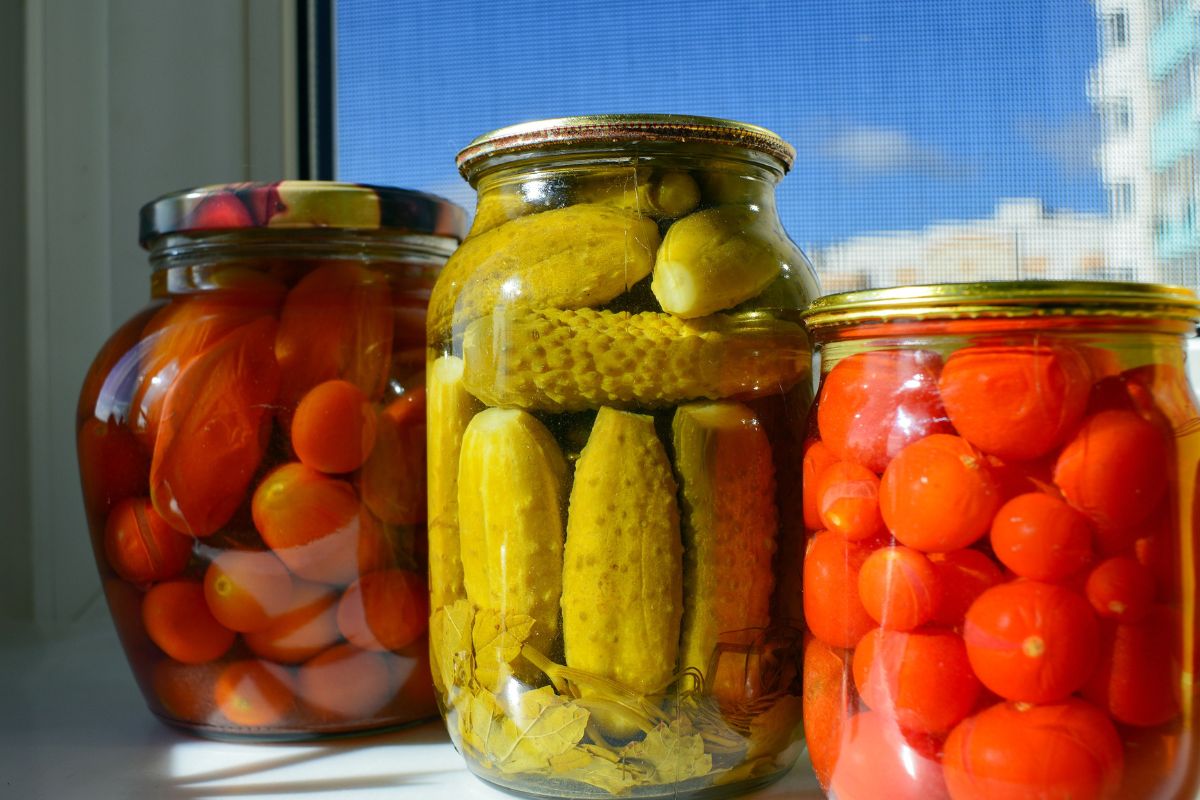
Pickling & Preserving
Find practical recipes and guides for pickling vegetables and preserving fruit and other seasonal produce in jars.
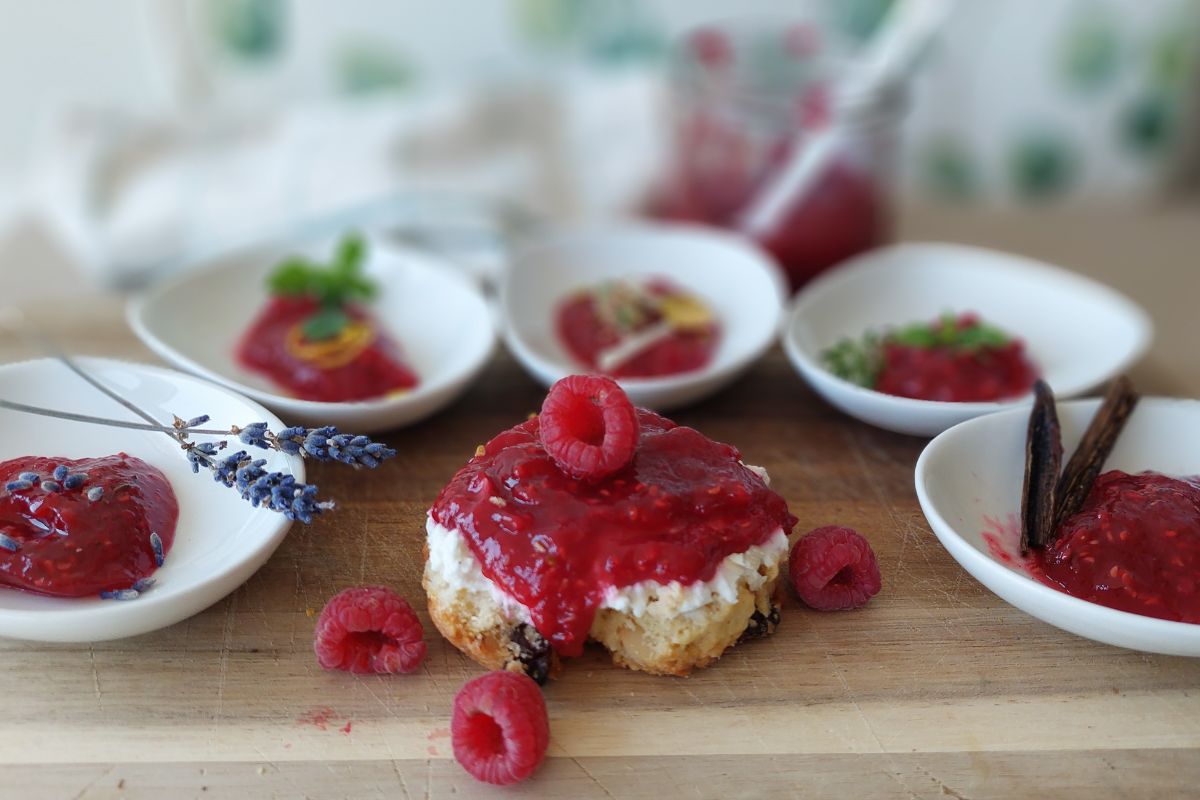
Jams, Jellies & Syrups
Turn seasonal fruit, flowers and herbs into homemade jams, jellies and syrups to enjoy long after their season has passed.
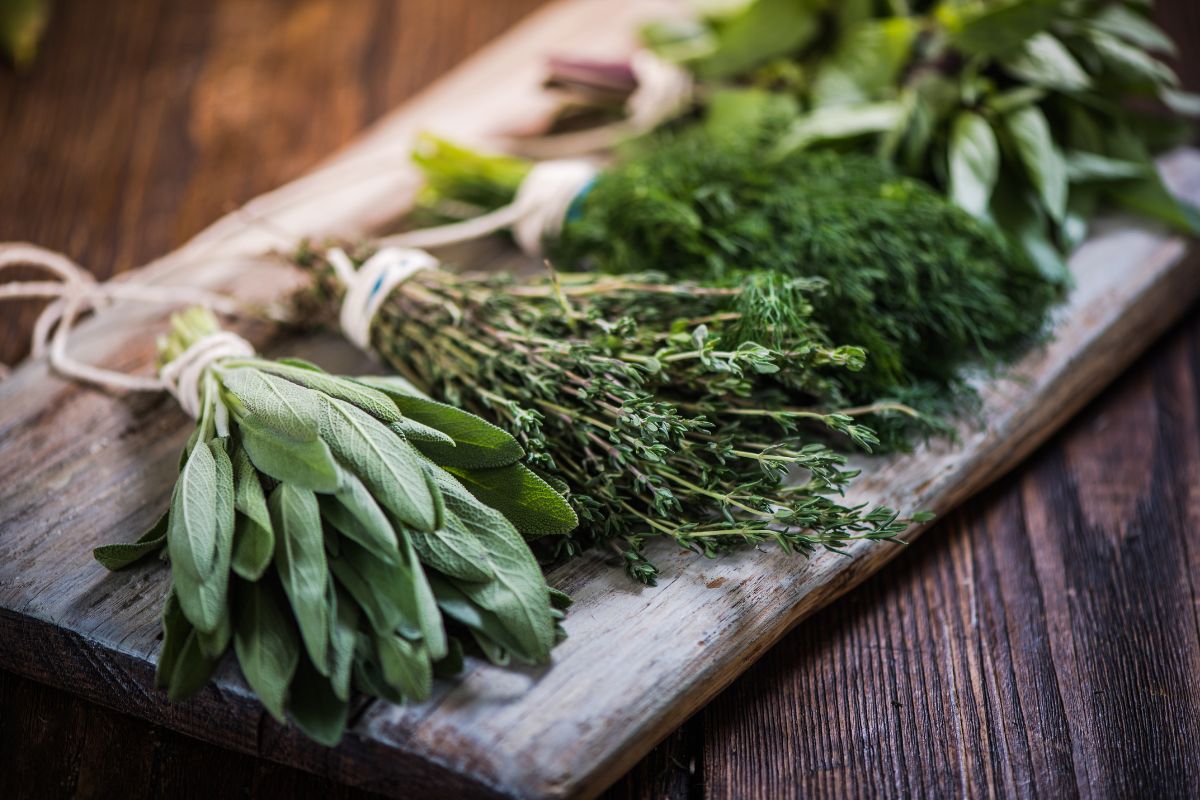
Herbs & Other Preserves
Explore simple ways to dry, freeze and preserve herbs and other seasonal ingredients that don’t quite fit into the preserving jar.
KEEP IN TOUCH
More Seasonal Ideas, Straight to Your Inbox
Follow the seasons with me. Get practical gardening, preserving and recipe ideas, new projects and occasional inspiration for making more of what each season has to offer