These September reflections are part of the Seasonal Reflections series — a year-long practice of living with the rhythm of nature.
Psst, can I tell you a secret? September is my favourite month – don’t tell the other months I said that! Whether it’s because of the cooler nights and vibrant colours of early autumn, the back-to-school energy boost, or simply because my birthday’s in September, I do not know. It’s probably the combination of all three. In fact, to me, September feels like a second May with clear, bright blue skies, fresh, vibrant greens and a promising new energy.
👉 In these September reflections, we’ll explore seasonal living in September — from the garden and kitchen to simple ways of making the most of late summer.
After the (more or less) unstructured days of endless summer heat, when we preferred to take a swim in the river, lake, or sea rather than tackle too many tasks, September’s more moderate temperatures bring back our sense of duty and responsibility. And just in time! The garden is still overflowing with ripe vegetables, the orchard is heavy with autumn fruit, and the elderberries are ready to be picked.
We’re on the home stretch of preserving all Mother Nature’s gifts. In a few weeks, the gardening season will come to an end, and September asks us to preserve this abundance before that particular harvesting window closes.
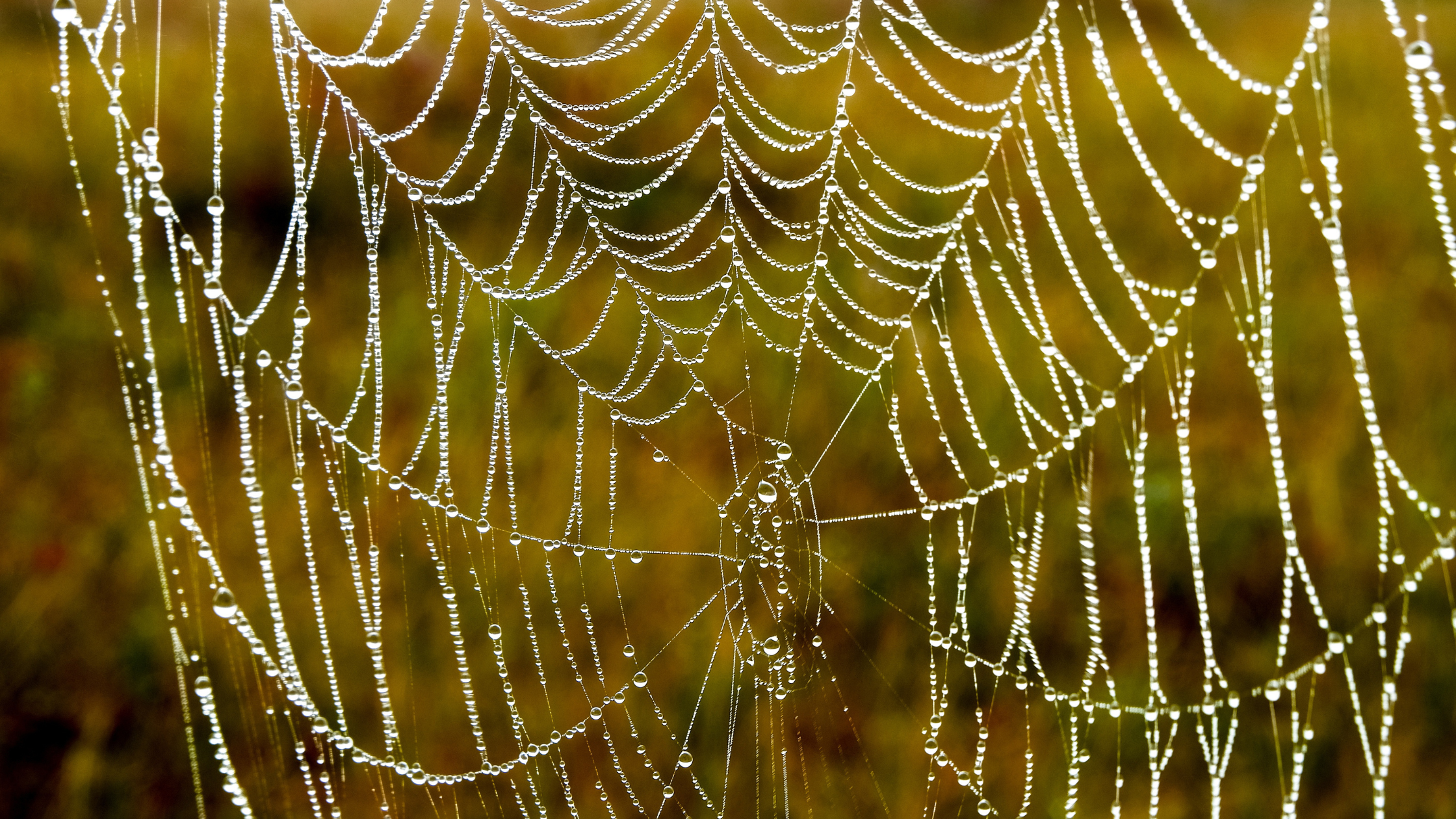
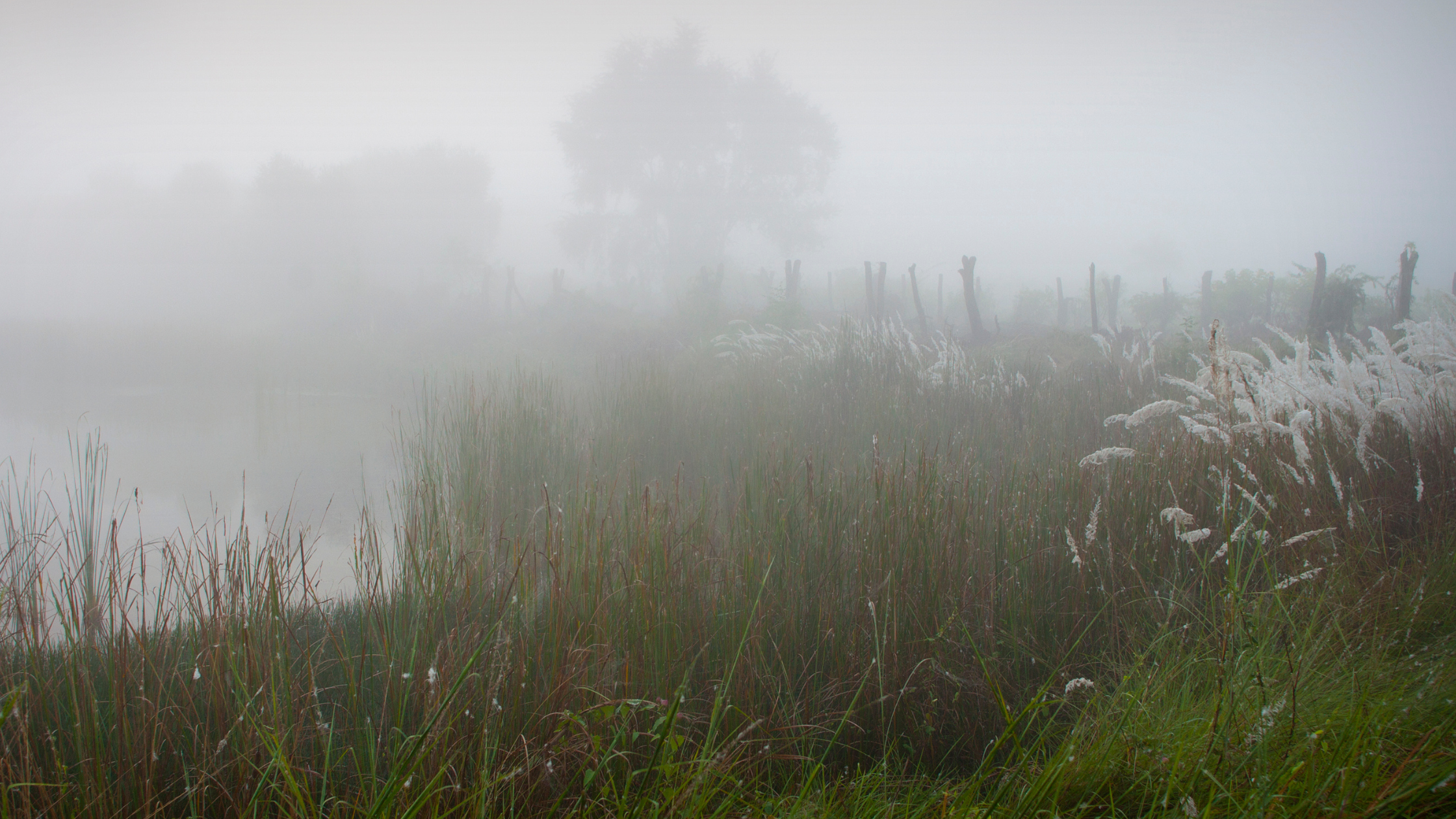
The days grow rapidly shorter now. When I get up in the morning for work, it’s dark again outside. Sometimes, when I drive to work, mists hover in the dips of meadows and fields, cloaking the familiar landscape in something mystic and unknown. On weekends, when I’m early in the garden, I find intricate spider webs on the fence that are embellished with dewdrops, like pearls on a string.
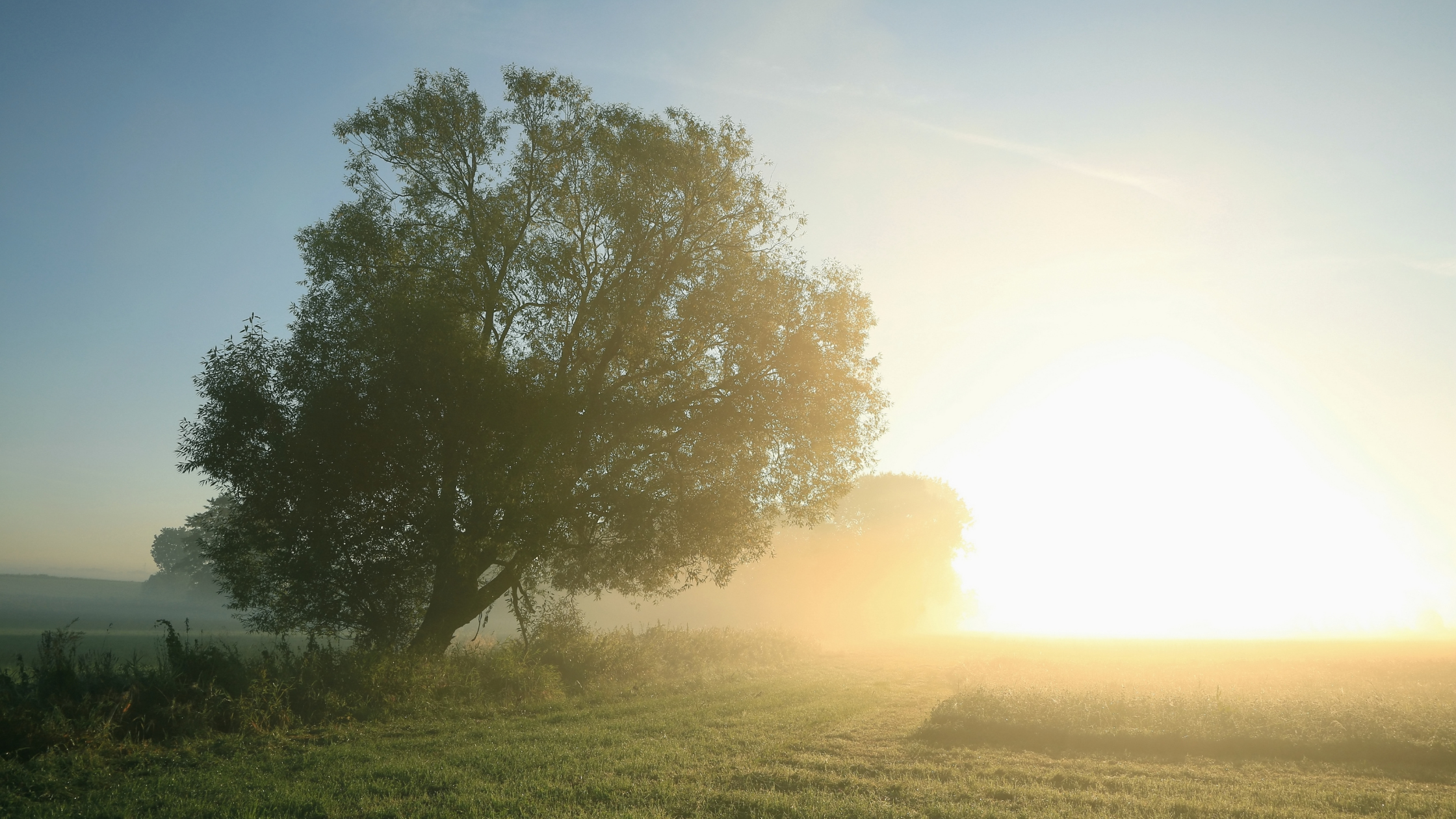
By the end of September (depending on the temperature), the first leaves on the trees will change their colour, ushering in a beautiful golden autumn. In Bavaria, we call those warm, sunny and golden autumn days “Altweibersommer”. This is often translated as “old wives’ summer”, yet another explanation is that it describes the time when fine spider threads float through the air, lending the season a magical gold-shimmering touch.
Nature in September
Now that the grain has been harvested and the last grass has been cut, the farmers are busy bringing the corn in. Later in the month, the potatoes are ready to be pulled from the earth. I remember when I was a child, coming back from school, having a quick lunch, and cycling out to the fields to help on the harvester till it was time to milk the cows.
Flower gardens overflow with an abundant, often second bloom. Roses and phlox take the stage again, while anemones, chrysanthemums and sedums make their first appearance, creating a burst of colour. When the first red and yellow leaves fall and mix with the flowers, I can’t get enough of that beautiful sight! It’s so full of life.
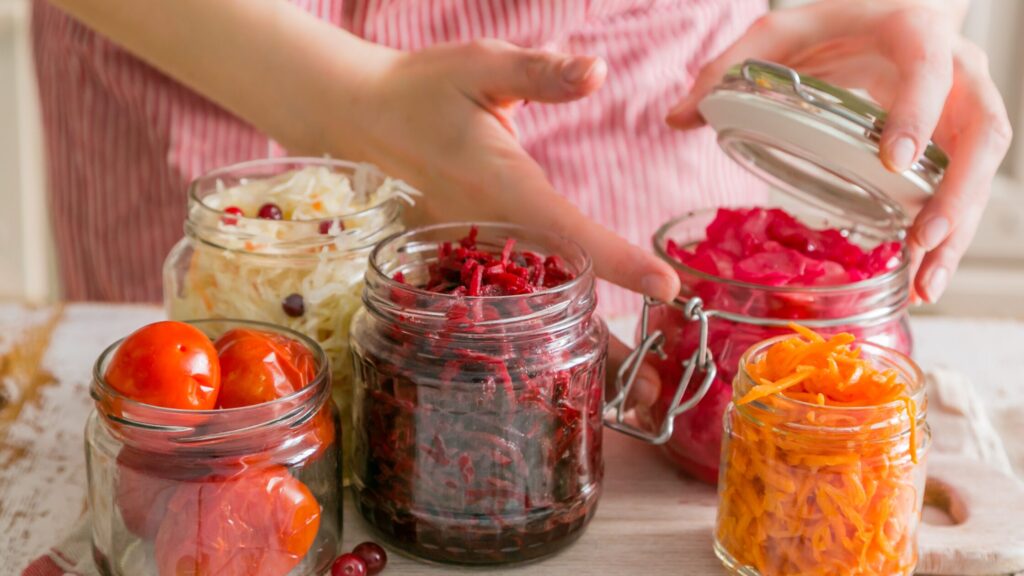
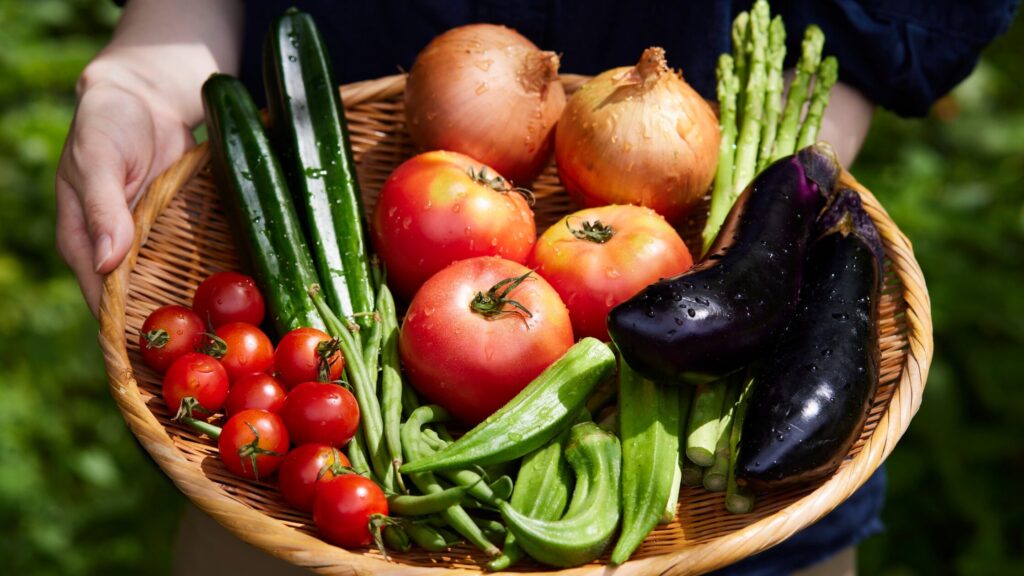
In the vegetable garden, we can still harvest tomatoes, zucchini, peppers, beans and lettuce. At the same time, early white and red cabbage heads are ripe, and we can make the first sauerkraut of the season. Never made it before? Don’t worry, in this easy recipe for homemade sauerkraut, I show you how it’s done.
September Garden Tasks
Now we help our vegetables get to the finish line (that is: harvest) without pests or diseases damaging them before their time. Yes, this is still a topic in September, and I check on my green friends every other day for signs of infection or infestation.
Whenever I harvest plants, I close the gaps by sowing spinach, radishes, lamb’s lettuce and rocket salad for a harvest in late autumn and winter. But that’s not all: we can even sow some plants like broad beans and cold-hardy salads now. In zones 6 – 8, they can overwinter in the garden and be ready for harvesting early next spring. Here’s a comprehensive list of vegetables you can sow in September for an abundant harvest year-round.
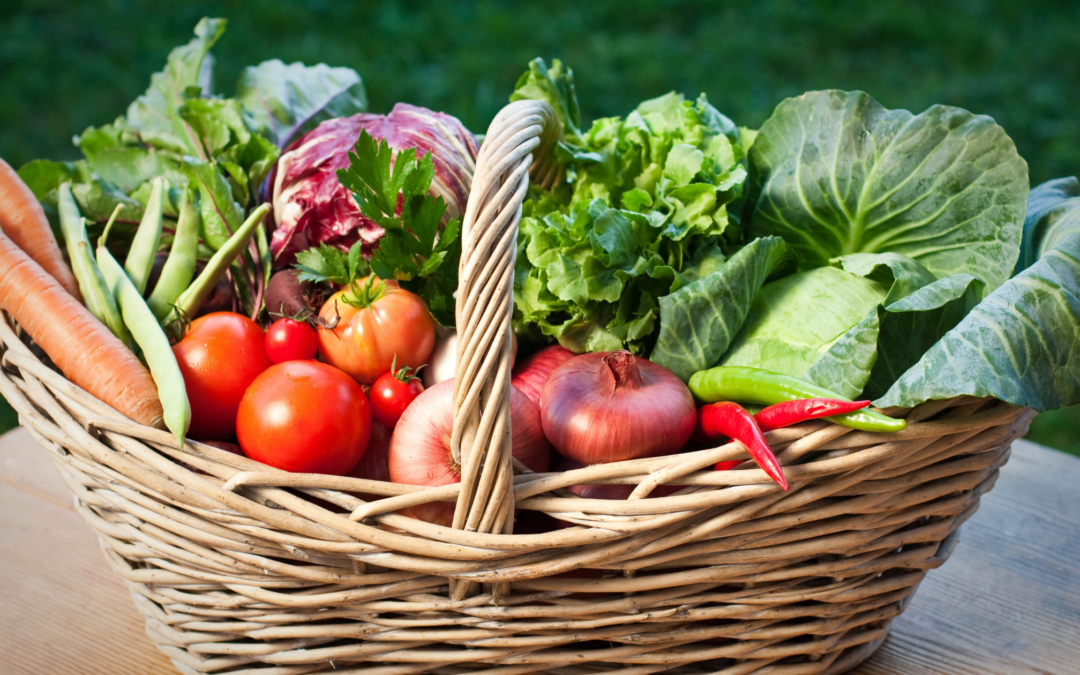
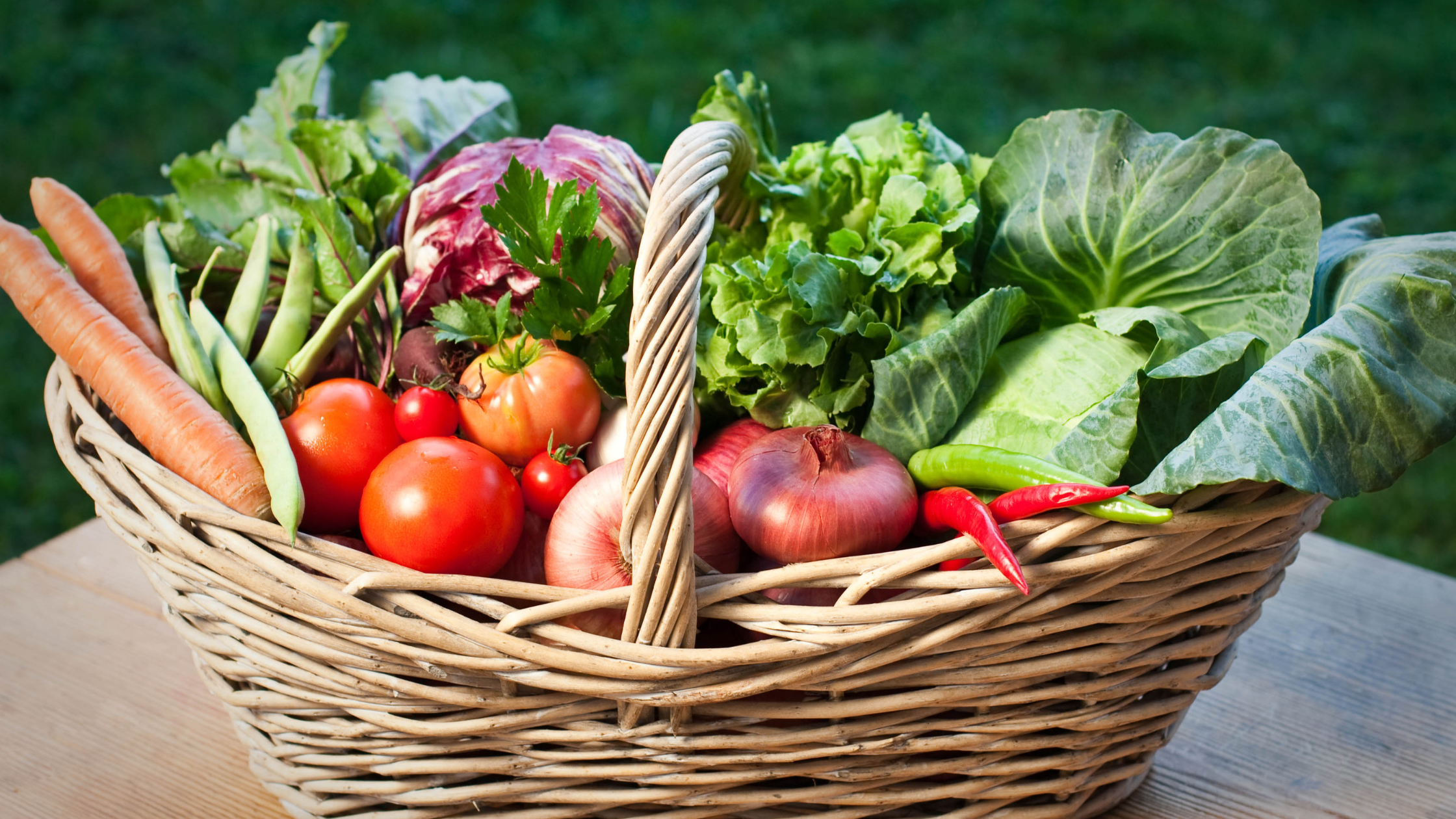
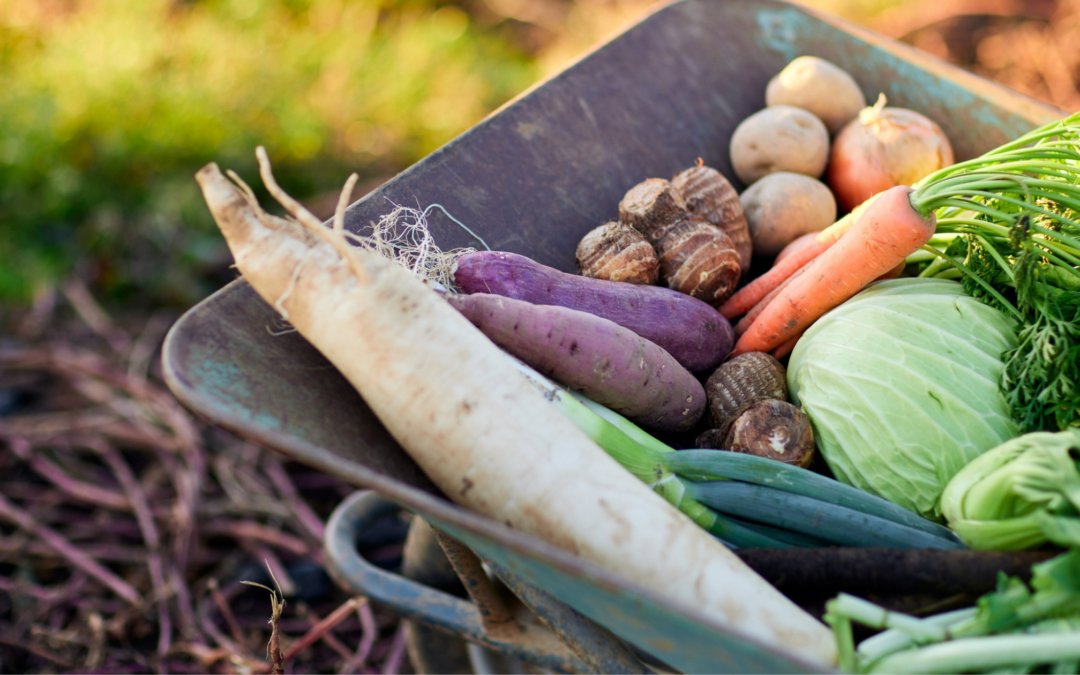
The greatest garden task in September, though, is harvesting! It’s so satisfying to fill my baskets and containers with loads of beans, tomatoes, zucchini, cabbages, corn ears, peppers, herbs and much more. At the end of the month, we can also harvest pumpkins, a second batch of kohlrabi, cauliflower and broccoli and the first autumn lettuce like radicchio, endives and chicory.
Having harvested what’s ripe now, I carry my full baskets into the kitchen.
September in the Kitchen and at Home
Preserving work in the kitchen hasn’t changed much compared to August or July; it’s still fermenting-freezing-drying-canning-making-jams season, my friends! Only the ingredients alter slightly.
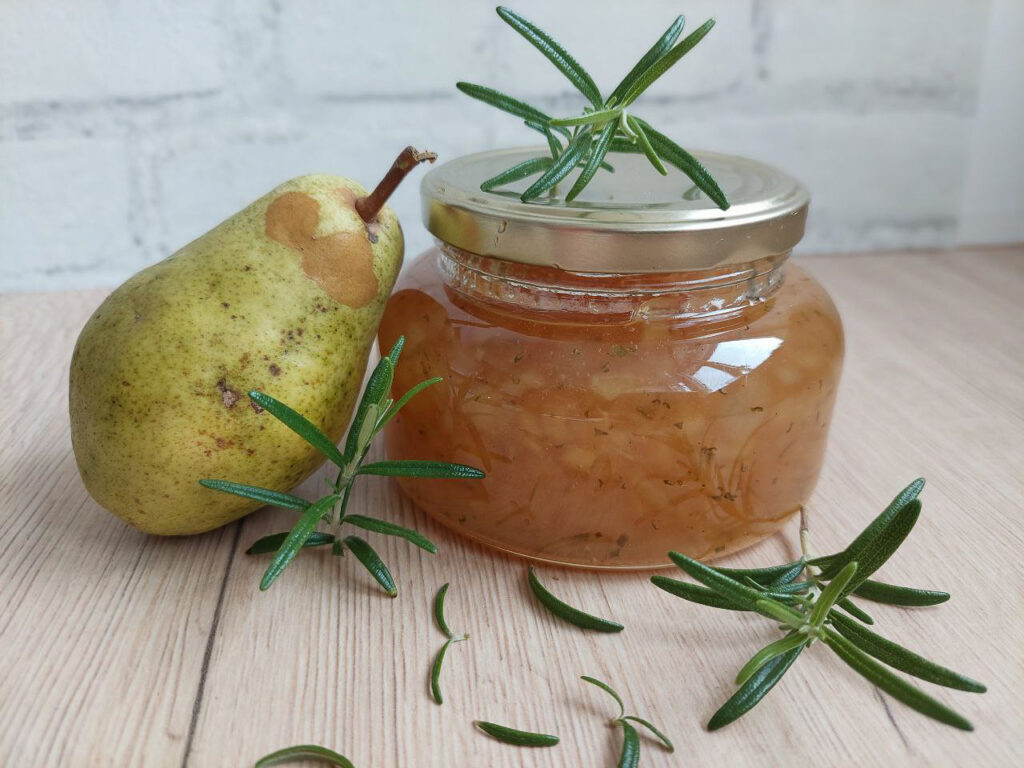
From the orchard, blueberries slowly make way for blackberries and elderberries; pears and apples are joined by plums. I love making jam from the berries and freezing the rest. That way, I’ve always got some stock for a quick cake or as a healthy addition to a morning cereal bowl. The pears I love to preserve by canning them with sugar syrup in a water-bath canner or making jam from them. The method differs slightly from making jam from berries, but in this recipe for pear jam, I show you the basic steps. If you feel adventurous, why not try one of these pear jam variations?
Apples are mostly preserved in the form of apple sauce in my household, seeing as my boys consume at least one jar per week. But I make some jars of dry-canned apples for a quick Apfelstrudel or pie-filling. From the scraps, I make loads of apple vinegar each year.
Before temperatures drop too low, I harvest all my basil in the greenhouse in the garden and make a last batch of pesto. If the harvest is large enough, I dry some of the basil for tea. It tastes sweet and light and mixes well with lemon balm and calendula. I dry other herbs like mint, thyme and oregano on a rack for winter.
The back-to-school, it’s-a-home-stretch, let’s-do-this-before-winter-comes energy of September is certainly very helpful for all that simply must be done now. I’m grateful for my newly-found motivation and focus now, don’t get me wrong. It’s almost like in March when I felt my energy levels rise anew and couldn’t wait to get out into the garden.
However, it’s easy to load too much onto our task plates now. With shorter days, I find it more demanding to work long hours. While it was easy to stay up late in July, I get tired by nine now when it has already been dark for almost an hour. Maybe I was a chicken in a former life, craving to snuggle in as soon as the sun sets… Anyway, to accomplish all I want, I know I have to set aside time for myself to make sure I can keep going at my self-induced pace. Let me show you what I do:
Self-Care for Body…
With shorter days and cooler temperatures, I suddenly crave more hearty dishes. A bowl of hot potato soup, roasted root vegetables or simply some cooked beans and cabbage from the garden are what I want now. While cold food like cucumbers and tomatoes were fine during the summer months, I now want something hot and nourishing in September.
To balance that kind of healthy meal, I love some apple pie or plum cake for dessert. Nothing like a large piece of “Augsburger Zwetschgendatschi”, a plum cake with yeast dough and a crumb topping that’s Augsburg’s signature cake, with a healthy dollop of whipped cream to ward off any autumn blues!
I also love making time for exercise. Whether it’s jogging, lifting weights or simply a long stroll through the woods, movement is my key to staying healthy and fit and keeping my energy up. If I can take that movement outside and take in as much sunlight and fresh air as I can get, all the better.
…For Mind…
I’ve got my hands full already with harvesting and preserving in September, and now that school starts again, the load at work increases as well. Everyday routines haven’t established themselves yet, and sometimes it seems as if hundreds of invisible hands were tugging at me and pulling me apart.
To stay calm and keep a level head, I usually try to keep my mind as “clean” as possible. No audiobooks, no mindless scrolling, no challenging books. I’ve learned the hard way that getting too distracted and too “full” now will inevitably lead to irritation, bad sleep and making mistakes.
For that reason, I take the September weeks for a digital detox where I only check my phone twice a day to read my e-mails and respond to texts. And as hard as it is at the beginning, I realise how much calmer I am after a few days.
… And Soul
As often as I can, I go outside to get as much sunlight and fresh air as I can. It’s funny how these easy, free things can do us so much good.
When I realise that my mind is hopping from topic to topic, I sometimes grab my camera, head out and try to capture every aspect of autumn life I can see. That way, I’m not only completely “in the moment”, but I also have some good photos I can print out later for a photo board.
September is also a great time to (re-)connect with friends. In summer, everybody is either on vacation or on some beach or other, but now life has us back, and it’s lovely to meet up, sharing holiday stories or complaining about having to get back to work again 😏. I like it best to organise a gathering where everybody brings something to eat. That way, there’s plenty of food and the workload is manageable.
A New Energy
The summer heat did its best to slow us down, and, to be frank, I quite enjoyed the break. In September, however, life is starting again, and the pace accelerates once more. It’s ok, though, as our energy increases as well.
While August asked us to reflect on the year, September makes us move forward. After all, the year’s got only a few months left, and there’s still so much to do. To keep up with our own expectations, it’s important that we make time for ourselves, new energy or not. Whether it’s taking a stroll outdoors during our lunch break, deeply inhaling the fresh, crisp autumn air, or consciously watching the changes in Nature, doesn’t matter. What matters is that we take those short, conscious breaks from life’s pace to keep our energy levels sufficiently high for the next few months.
Let’s enjoy the sunny days while they last, smell the flowers, eat fresh produce from our gardens and wave summer goodbye. Autumn has arrived and with it an abundance of colour, fragrance and harvest second to none that invites us to a last fabulous dance on the stage of seasons.
Stay in Season
September may bring new energy, but the seasons never stand still for long. If you’d like a little inspiration for making the most of each one, join me in the Seasonal Simple Life newsletter.
Every few weeks, I share seasonal ideas from the garden, kitchen and pantry, along with new articles and simple projects for living a little closer to the rhythm of the year.
Come along, and let’s see what the next season brings.
Every month has its own rhythm — from quiet winter days and the first stirrings of spring to abundant summers and the slow return of autumn.
If you’d like to continue through the year with me, explore the Seasonal Reflections series and discover the small changes, seasonal rituals and everyday moments that make each month different.
A few days ago, an acquaintance said to me: “You’ll sure be glad that things are slowing down in the garden now that it’s September, aren’t you?” Very obviously, she’s not a gardener herself. Otherwise, she would know that September is one of the busiest months in the garden! Mostly it’s about harvesting and preserving said harvest, but there are a few other things we must think about now. Let’s see what garden tasks September has in store.
September Garden Checklist: Essential Tasks at a Glance
If your time is limited, concentrate on these essential September garden jobs:
Harvest ripe vegetables, fruits and herbs
Preserve surplus crops for winter
Sow late-season vegetables for your autumn and winter harvest
Clear finished crops and protect the soil with mulch
Watch the weather forecast and protect tender crops from night frosts
Climate note: These September garden tasks are based on my garden in Bavaria (roughly zone 7b) and are generally suitable for temperate climates. Adjust sowing and frost-protection dates to your local conditions.
Here’s a quick overview of the most important garden tasks to tackle in September:
Garden Task
Best Time in September
Priority
Harvesting
When plants are ripe
High
Preserving harvest
After harvest
High
Checking for diseases
Every second day
High
Sowing
After gaps form due to harvest
High
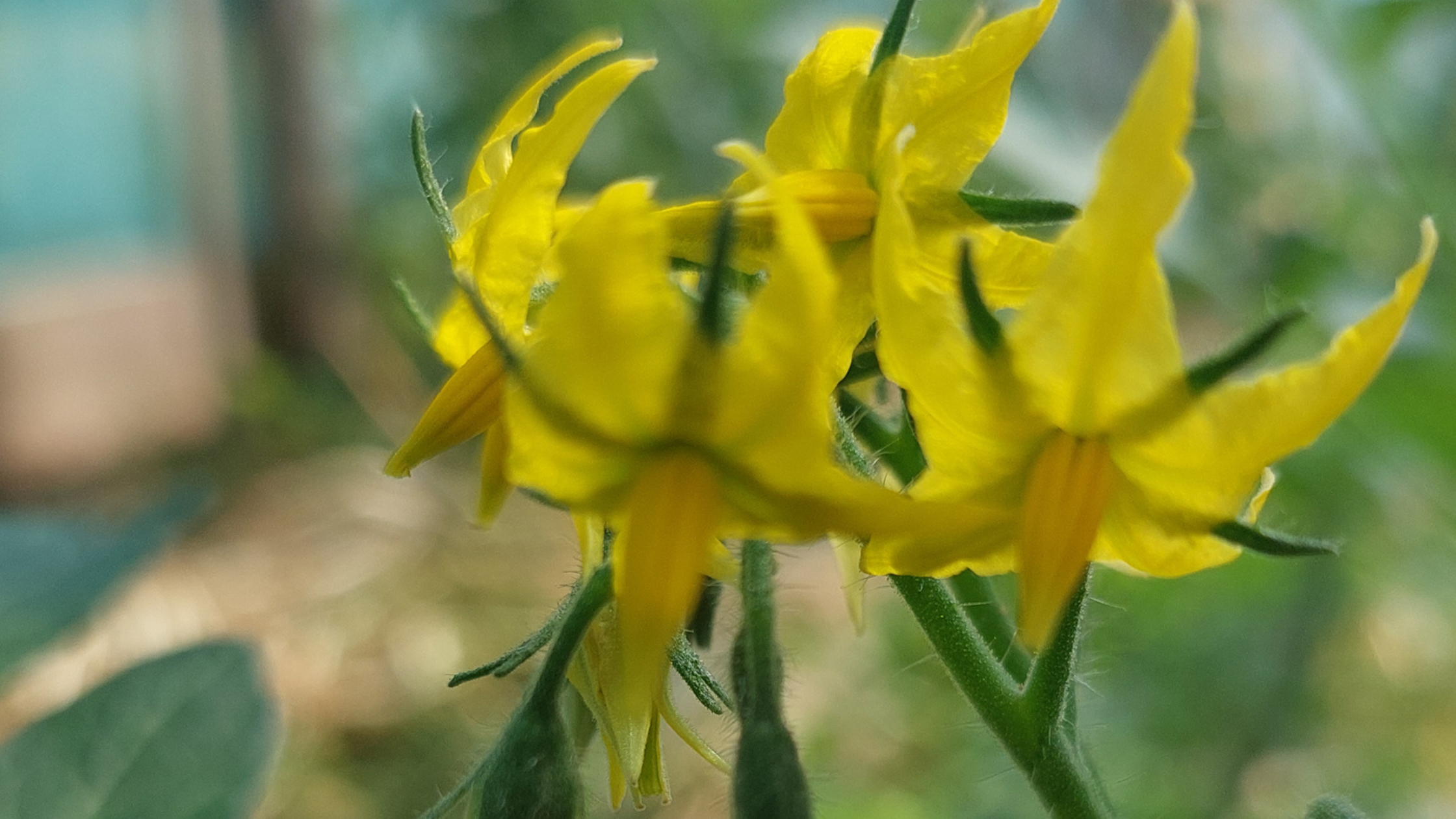
Cutting off tomato flowers
mid-September
Medium
Mulching
When beds are empty
Medium
Protect tender veggies from frost
When night frost is forecast
High
Propagate strawberries
early September
Medium
Seasons are fluid, as you know, and if you’re just transitioning from late summer into early autumn, you may want to have a look at these August garden tasks. Some jobs started last month and are still to be continued in September – especially harvesting and sowing for a late harvest.
Now let’s look at the most important September gardening jobs that will keep your vegetable garden productive through early autumn:
1. Harvest and Preserve September Crops
✔️ Why it matters: Vegetables harvested at the right time taste better and can be preserved for winter.
In my garden in Bavaria, September is the busiest harvesting and preserving month of the whole year. Many vegetables are ripe now, herbs can be cut and dried, frozen or processed a last time, and apple, pear and plum trees finally can’t hold their load any longer and shed it if we’re not quick enough to pick it.
Some vegetables like tomatoes, potatoes, peppers, beans, zucchini, etc. must be harvested when they’re ripe. If you leave them too long on the plant, they either rot or become too large (hello baseball-bat-zucchini) and tasteless.
Some root vegetables, however, like beetroots, carrots and parsnips, can stay in the soil even when they’ve reached their harvesting size. In fact, with a thick layer of mulch that protects them from the cold, they can easily stay outdoors right into winter and can be harvested as long as the soil’s not frozen solid. Carrots and parsnips can even become sweeter after exposure to cold temperatures.
Need ideas for using your September harvest? Turn freshly harvested beetroot into my quick and easy beetroot curd, preserve the seemingly endless zucchini glut with my zucchini pickles, or explore my Preserving guides for more ways to make your harvest last.
2. Remove Late Tomato Flowers
✔️ Why it matters: Help tomatoes ripen their fruits.
This may sound counterproductive, but here’s the hard truth: here in Bavaria, tomatoes that develop from flowers appearing this late in the season are very unlikely to ripen before temperatures become too cold. For that reason, I cut off all tomato flowers, helping the plants focus all their energy on ripening the tomatoes that have already formed.
✔️ Why it matters: Sowing in September prolongs your harvest through the winter months.
This may be a surprise to you (at least it would be to my acquaintance), but you can still sow vegetables in September. What you sow now will not only feed you in autumn but will make for your winter (and spring!) harvest.
Whenever you harvest a row in your patch, therefore, fill the gap with cold- and winter-hardy seeds, for example lamb’s lettuce, Asian leafy greens, spinach, Swiss chard, radishes or cress. That way, you can harvest and eat fresh produce throughout the winter.
If you’ve got a greenhouse or a cold frame, all the better: your winter vegetables will be more sheltered from cold, wind and frost, although they may still need extra protection during severe cold spells.
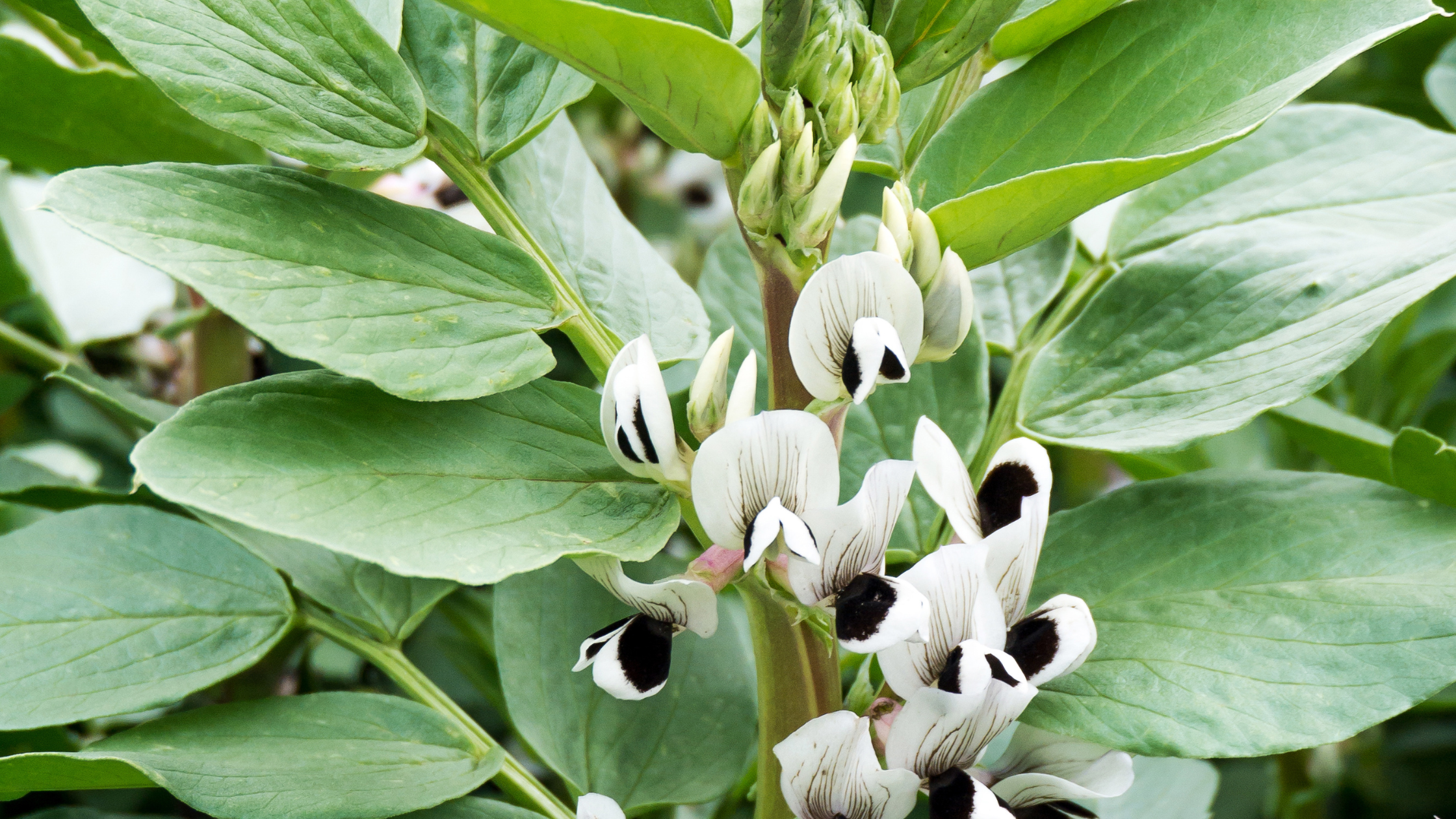
You can also sow vegetables now that will overwinter in the beds and can be harvested earlier next season, for example, broad beans or winter-hardy peas.
Want a reminder of what to do in the garden each month? Get seasonal garden tasks, sowing ideas and practical tips delivered straight to your inbox.
4. Clean Up Diseased and Dying Plants
✔️ Why it matters: Cleaning up prevents diseases from spreading
Although it’s comparatively late in the season, it doesn’t mean that plants can’t develop diseases. In fact, September is prime time for powdery mildew, blight and other fungal problems, especially as nights become cooler and damper.
Check your plants regularly for signs of disease and discard infected parts or plants. Don’t use heavily diseased plant material as mulch, though. I also avoid putting it on my home compost, as a small compost pile may not become hot enough to destroy certain pathogens. Dispose of it according to your local recommendations instead.
If you’ve got dead plants or parts of plants on your patches, remove them as well. If they’re not infected with any diseases, you can put them into the compost where they will decompose over the next months and transform into new, nutritious soil. Another way to use dead plants is to use them as mulch (see next point).
5. Protect Empty Garden Beds
✔️ Why it matters: Keep the soil covered to prevent erosion and deep freezing.
When we take a look at Nature, there’s no soil left uncovered. Either something grows, or it’s covered with some form of mulch. In our vegetable gardens, we want to imitate Nature.
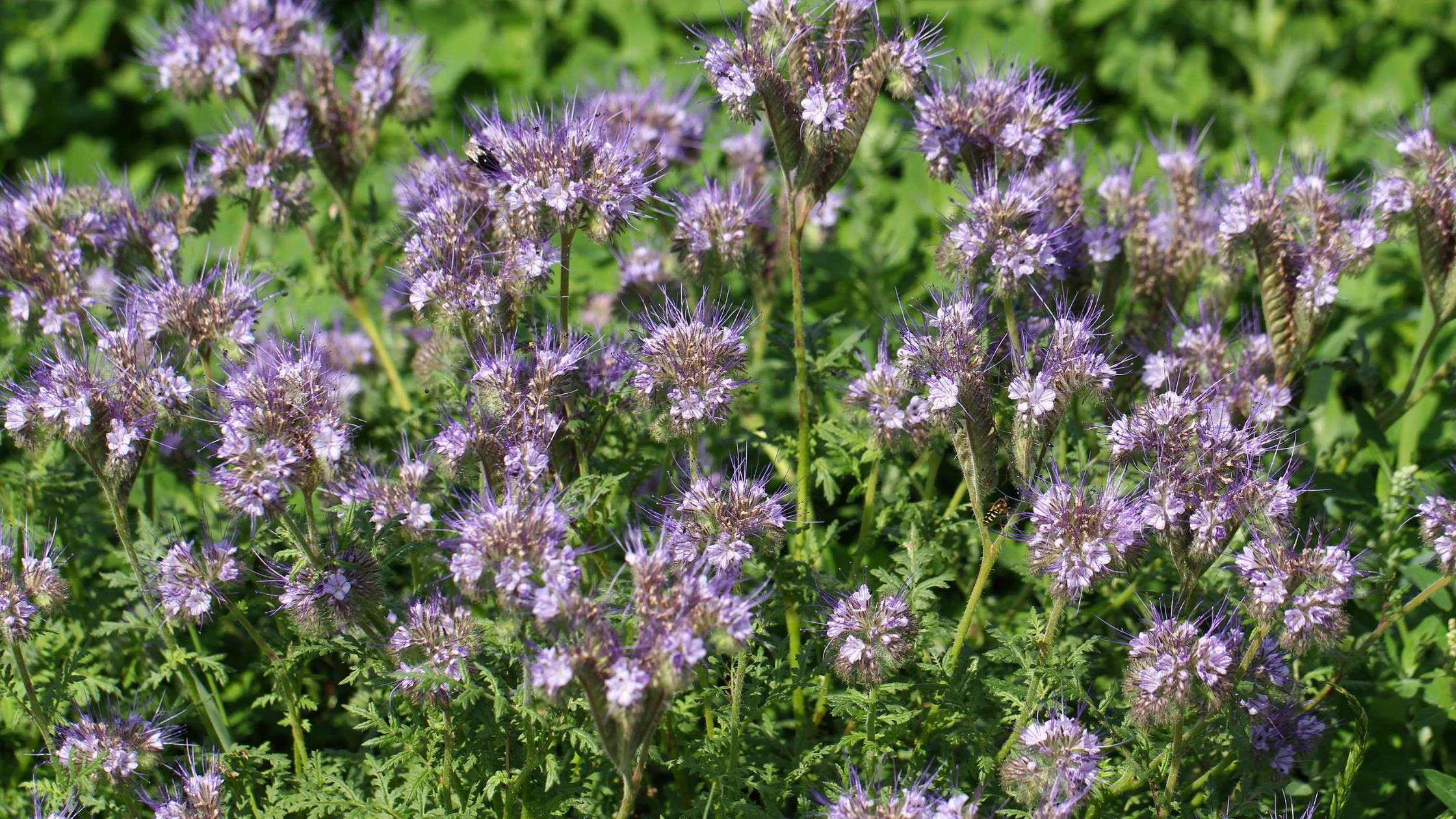
If you don’t want to grow winter vegetables throughout your whole garden, you could sow green manure in the empty patches. Good cover plants include Phacelia, winter rye, or winter peas (not the vegetables we want to eat, but rather a more robust variety that can also be used as animal feed).
Another way to keep our beds protected is by covering them with thick layers of mulch. Dead leaves, grass clippings, cut-up remains of harvested vegetables (if not infected with diseases! see above), sheep wool – these are only a few examples of what you can use as mulch. Cover empty beds with a layer of organic mulch. Around 5–10 cm (2–4 inches) is sufficient for many materials; dry autumn leaves can be applied more generously because they settle considerably.
6. Propagate Strawberry Runners
✔️ Why it matters: Get new plants for free.
While my strawberry bed looked neat and orderly in spring, it’s covered in plants now. The strawberries have developed long stalks that spread out of the plant and have built roots where they touched the soil. That way, new strawberry plants have formed throughout my patch. I could rip them out, of course, but it would be a shame. Instead, I dig up the runners and either plant them in pots or other containers filled with compost or directly into another patch where they will bear fruit next summer.
I always choose healthy, well-rooted daughter plants, preferably those closest to the parent plant, and discard weak or diseased runners.
7. Protect Tender Crops from Early Frosts
✔️ Why it matters: One cold night can end the harvest of tender summer crops prematurely.
Admittedly, here in Bavaria we seldom have frosty nights in September, but it’s not entirely unheard of. That said, and depending on your growing zone, there could be frosty or near-zero temperatures even in September.
Keep an eye on nighttime temperatures, particularly if they are forecast to approach 0°C (32°F). Tender crops such as tomatoes, peppers, cucumbers and courgettes can suffer from cold well before a hard frost, so covering them with horticultural fleece on particularly cold nights can extend the harvest. After all, it may only be one night, and the days will still be warm enough for the plants to ripen properly. It would be a pity if we just let them die before getting that pretty harvest.
Common September Gardening Mistakes
Assuming the growing season is over
September can still provide weeks or even months of productive growing. Empty beds can be replanted with fast-growing or cold-hardy crops.
Leaving ripe vegetables on the plants too long
Regular harvesting keeps many plants productive and prevents courgettes, beans and cucumbers from becoming oversized or poor in quality.
Leaving soil bare over winter
Empty beds are vulnerable to erosion, nutrient loss and weather damage. Sow a cover crop or protect the soil with organic mulch.
Sowing autumn crops too late
Day length decreases rapidly in autumn. Crops sown too late may germinate but barely grow before winter. In September, don’t postpone sowing simply because the weather is still warm.
Ignoring the weather forecast
One unexpectedly cold night can damage tender crops even when another spell of mild weather follows. Keep fleece or another suitable cover ready.
Composting or mulching diseased plants
Healthy plant residues are valuable organic matter, but heavily diseased foliage can carry problems into the next growing season.
Frequently Asked Questions About Gardening in September
What should I do in my vegetable garden in September?
September is mainly a month for harvesting, preserving, sowing cold-hardy vegetables, clearing finished crops and preparing beds for autumn and winter. You should also monitor nighttime temperatures and protect tender crops if unusually cold weather is forecast.
What vegetables can I sow in September?
Depending on your climate, September sowings can include spinach, lamb’s lettuce, winter lettuce, rocket, radishes, winter cress and Asian salad greens. Hardy overwintering peas and broad beans can also be autumn-sown in suitable climates for an earlier crop the following year.
Is September too late to sow vegetables?
No. Although warm-season crops are coming to an end, September is a good time to sow many cold-hardy vegetables. The exact sowing window depends on your climate, daylight and first-frost date.
Should I clear my vegetable garden in September?
Clear finished and diseased plants, but there is no need to leave the soil bare. Empty beds can be planted with winter crops or cover crops, or protected with organic mulch.
Should I cut the flowers off tomato plants in September?
In cool temperate climates, removing new tomato flowers in September can help the plant direct its remaining energy towards fruit that has already formed. In warmer climates with a long autumn growing season, this may not be necessary.
When should I protect vegetables from frost?
Watch your local forecast as autumn approaches. Tender crops such as tomatoes, peppers, courgettes and cucumbers benefit from protection when temperatures become very low or frost is forecast. Hardy autumn and winter vegetables usually need much less protection.
Can carrots and parsnips stay in the ground over winter?
Yes, in many climates carrots and parsnips can remain in the soil well into winter, particularly under a protective layer of mulch. Harvest them before the ground freezes solid or prolonged severe cold makes digging impossible.
What should I do with empty vegetable beds in September?
You can sow another crop, plant a green manure or cover crop, or cover the bed with organic mulch such as autumn leaves, compost or other suitable plant material. Keeping the soil covered protects it and supports soil life.
Follow the seasons with me Get practical ideas for growing, preserving and making the most of each season — one project at a time.
Why September Garden Jobs Make All The Difference
To an outsider (aka non-gardener), it may seem as if the garden season stops in September, but that is definitely not the case! In fact, there are three main pillars that not only keep the harvest going but set the basis for a healthy and fruitful garden next season:
Harvesting and preserving whatever’s ready now
Tending to our vegetables by checking for diseases and discarding infected plants
Setting the foundation for our autumn, winter and even next spring harvest.
Temperatures may have dropped a bit and days noticeably grow shorter, but harvesting is still in full swing. Alongside summer crops like tomatoes, cucumbers and zucchini, the first apples, pears and plums, as well as autumn vegetables like cabbages, are ripe now. It can feel overwhelming to stand in front of a basket (or baskets) full of freshly picked fruits and vegetables and know that they must be preserved. But imagine the joy and deep satisfaction you’ll feel when, in winter, you can “shop” in your pantry for food! That’s worth the effort you’ve got to put in right now.
If your harvest is coming in faster than you can eat it, explore my preserving guides and recipes for ideas on fermenting, pickling, canning and more.
Also, we are already preparing the ground for next year’s season. By sowing autumn and winter crops or green manure and covering empty patches with organic matter, we make sure the soil is covered and well-protected. That way, our garden can rest safely once winter comes and wake up fresh and nutritious when the new season has arrived next spring.
Looking ahead: October will bring another shift in the garden, with fewer summer crops and more preparation for the cold months ahead. Continue with my October garden tasks to see what comes next.
Wondering what to sow in September? Although one of our most time-consuming jobs right now is harvesting all those gorgeous tomatoes, cucumbers, zucchini, cabbage, herbs and fruits, there are still plenty of vegetables you can sow for autumn, winter and even early spring harvests.
In August, we already started sowing and planting fast-growing and cold-hardy vegetables for an autumn harvest. By September, the planting window is beginning to close for many crops in my climate, but there are still several vegetables you can sow directly wherever a gap appears.
Let me show you.
Planning your garden for the month? Have a look at my September garden tasks for everything else that needs doing in the vegetable garden right now.
Quick Reference: What to Sow in September
Here’s a cheat sheet of what you can sow in September:
Vegetable
Where To Sow
Harvest
Notes
Broad beans
Outdoors
Spring
Choose an overwintering variety
Spinach
Outdoors/Under cover
Autumn - Winter
Choose a cold-hardy variety
Winter lettuce
Outdoors/Under cover
Autumn - Winter
Protection extends harvest
Lamb's lettuce
Outdoors/Under cover
Autumn - Winter
Excellent gap filler
Radishes
Outdoors/Under cover
Autumn
Fast-growing
Winter purslane
Outdoors/Under cover
Winter
Very cold tolerant
Swiss chard
Under cover
Winter - Spring
Better protected this late
Overwintering peas
Outdoors
Spring
Choose a winter-hardy variety
Green manure
Outdoors
---
Protects empty soil
Climate note: These recommendations are based on a temperate climate similar to USDA zones 6–8. September sowing dates vary considerably depending on your first frost date, so gardeners in colder regions may need to sow earlier or use a greenhouse or cold frame.
Before You Sow: A Few Things to Consider in September
September sowing is less about rapid growth and more about cold tolerance, overwintering and getting plants established before winter.
With that in mind, sow autumn/winter vegetables into gaps immediately after harvesting summer crops.
The declining daylight means crops grow more slowly than in spring. That, and the cooler temperatures, make a greenhouse or cold frame a lot more attractive right now.
If you have an unheated greenhouse or cold frame, your September sowing options are considerably wider. Spinach, lamb’s lettuce, winter purslane, radishes, winter salads and Swiss chard all benefit from the extra protection. Growth will eventually slow as daylight decreases, but plants established now can provide harvests well into winter or start growing again very early in spring.
While many people sow broad beans in early spring (depending on your climate zone in February or March), I like sowing them in autumn. That way, they get a head-start and can be harvested some weeks earlier.
Prepare the garden patch by weeding it thoroughly and raking it smooth. Then sow the broad beans with a distance of 8 – 10 cm (3 – 4 inches) between plants and about 60 cm (2 feet) between rows. This may sound like a lot, but next May you can sow corn between the broad bean rows, like I did this season. The broad beans had largely finished by then, giving the young corn plenty of light and space.
Spinach
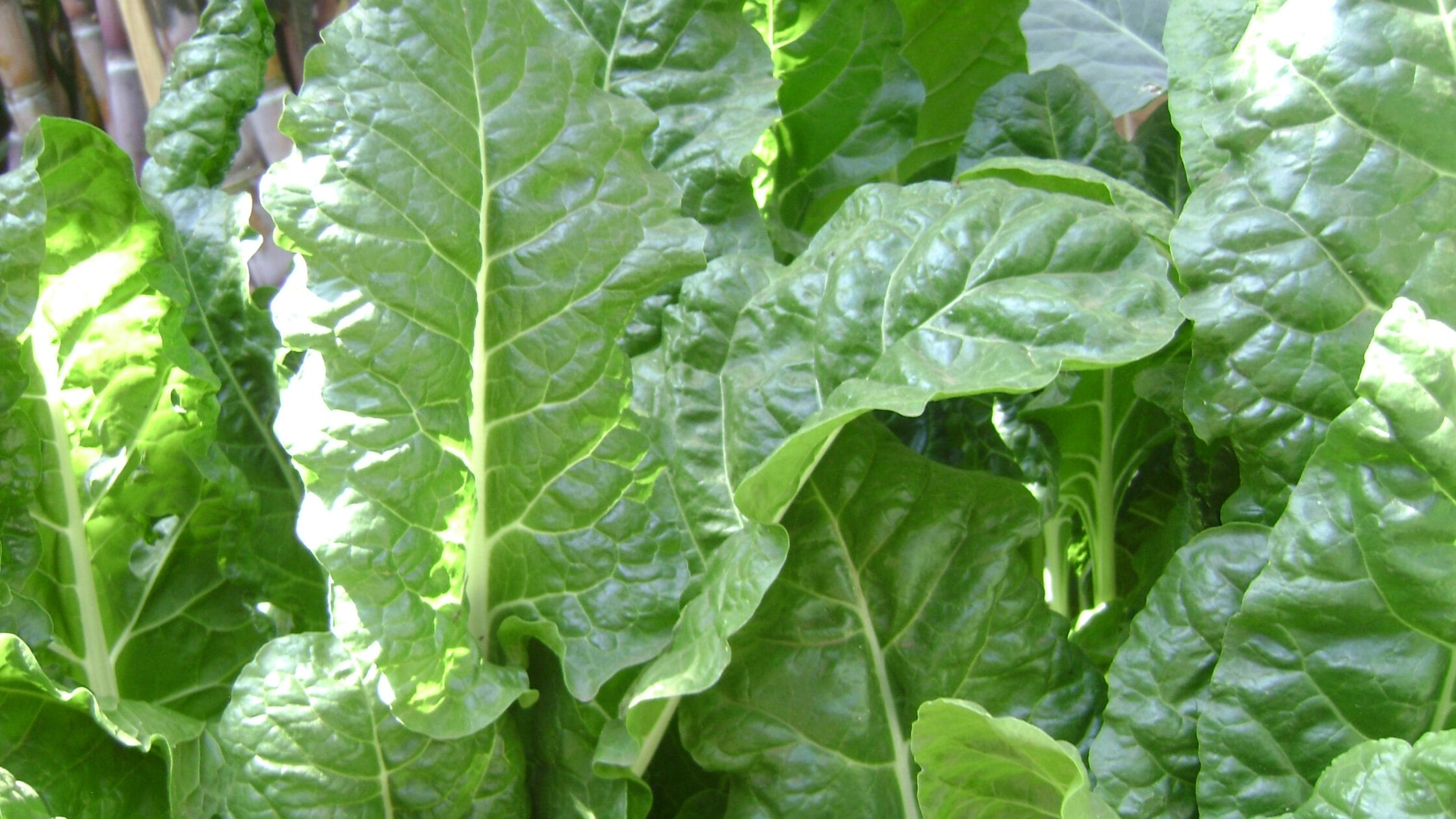
If I don’t know what to sow, I always come back to spinach. It’s undemanding, grows easily wherever you sow it and is such a versatile vegetable in the kitchen, for example in this spinach-lemon lasagna.
Just make sure you choose a cold-hardy variety, sow spinach in rows and be aware that growth slows dramatically once light levels and temperatures drop.
If you have a greenhouse or a cold frame, sow spinach in there as well. As temperatures are warmer there, you can harvest the spinach longer; growth will slow considerably during the coldest, darkest part of winter.
Winter salad crops and cold-hardy lettuce
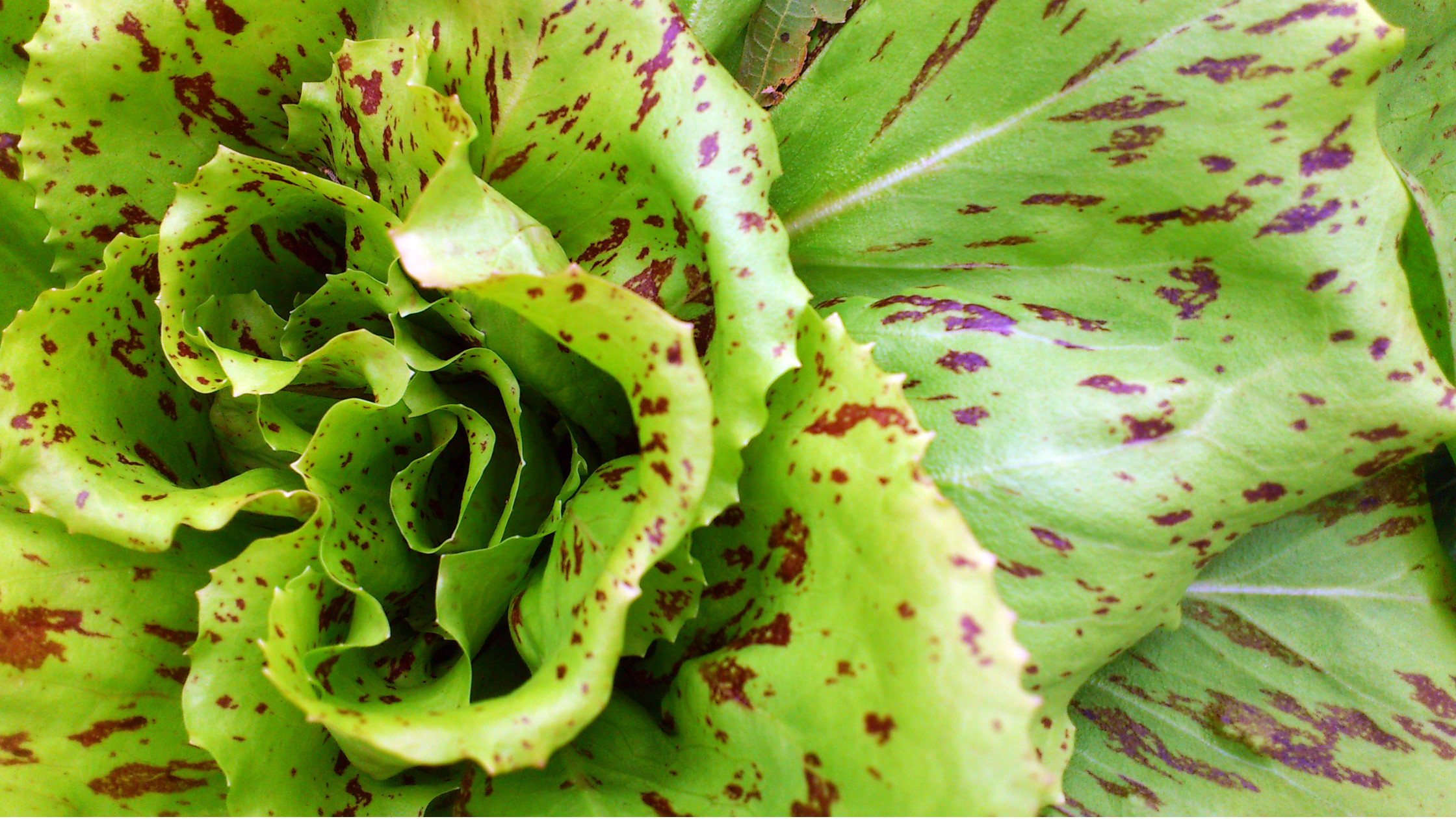
Winter salad crops like radicchio, winter endives, and cold-hardy head lettuce can also be sown in September. That way, they’ll have enough time to grow before the first frost hits. Keep an eye on the weather forecast and protect them with fleece or grow them under cover once temperatures drop. This can extend your harvest and provide fresh greens well into autumn and winter.
Lamb’s lettuce
Apart from spinach, lamb’s lettuce is my favourite winter crop! It’s got a distinct, slightly nutty flavour, yet it feels smooth and velvety as you chew.
What’s more, lamb’s lettuce isn’t closely related to most vegetables we usually grow in our gardens, as it belongs to the Valerian family. That makes it particularly easy to fit into a crop rotation, and its undemanding nature also makes it a useful gap filler between other crops.
In August, I usually sow lamb’s lettuce in rows, but by September I’m so focused on preserving my harvest that I don’t care anymore and sow broadcast.
Radishes
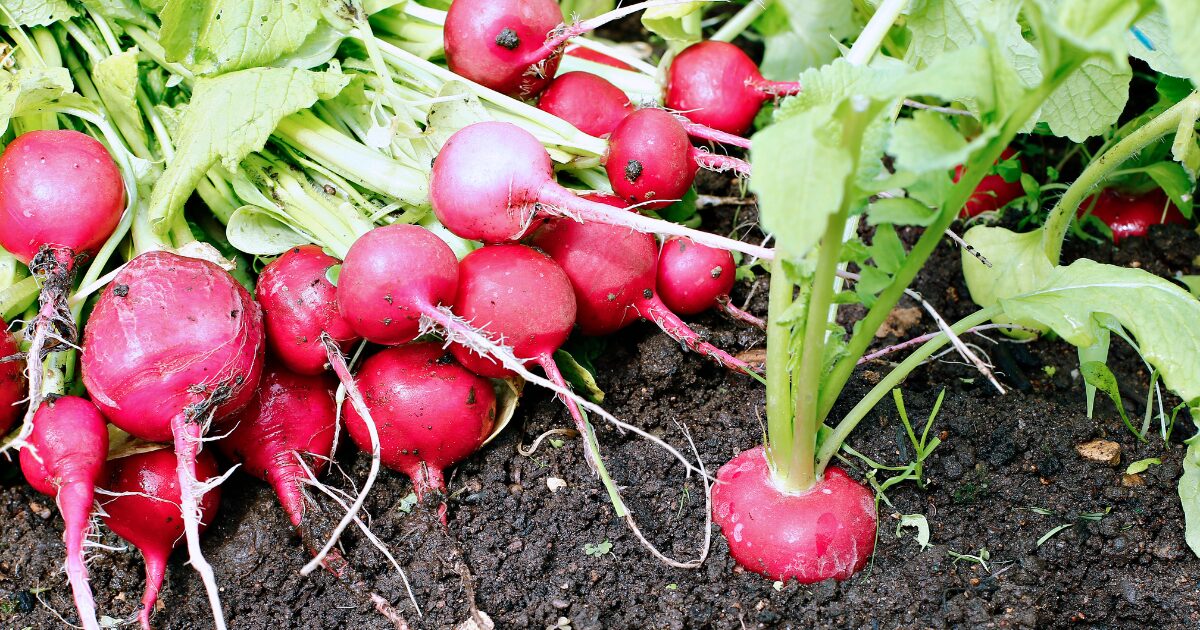
Just in case I haven’t mentioned it in one of my earlier growing guides: radishes are fast-growing, undemanding and simply a perfect gap filler in the vegetable garden. And if you end up with more than you can eat fresh, try one of these quick and easy recipes for fermented radishes.
September is a good time to sow radishes, because the cooler temperatures, especially during the night, reduce the tendency to bolt and keep the roots crisp.
Sow them in rows and harvest them 30 days later. They’re a no-brainer.
Winter purslane
Winter purslane, also known as miner’s lettuce, is a delicate plant whose leaves are usually used in salads or mashed potatoes and vegetables.
Sow winter purslane now outdoors or in the greenhouse for a continuous harvest through winter.
Swiss chard
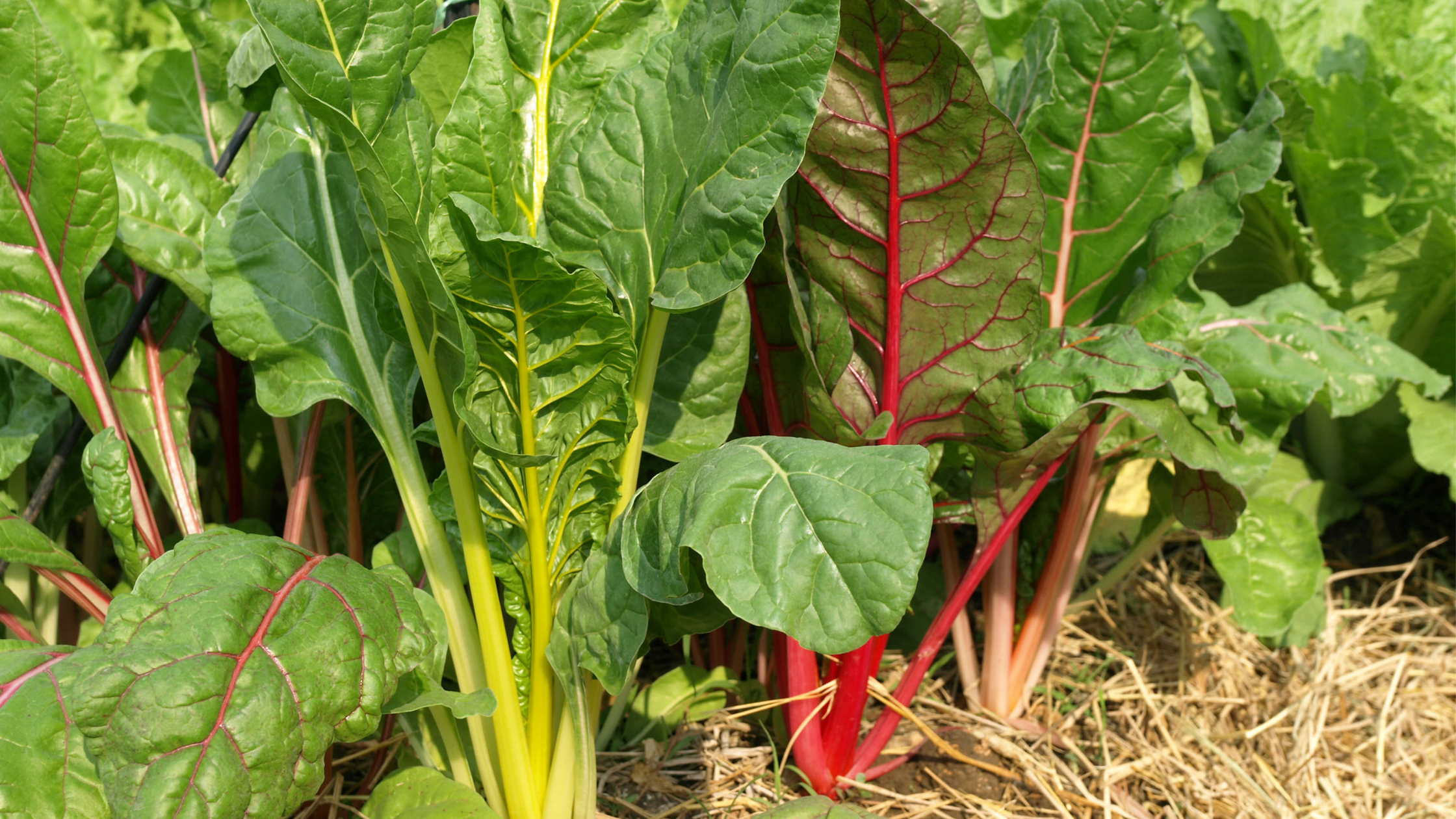
Now is the last chance to sow Swiss chard. I’d only do so in the greenhouse or a cold frame, though, as it may not reach its full size when cultivated outdoors. With some protection against the cold, you can harvest Swiss chard well into winter and even have an early harvest next spring when temperatures rise again.
Overwintering peas
Winter-hardy peas sown in September will overwinter as young plants in the garden and make an early crop for the following spring. They can be harvested as early as May when sown now.
One variety I like to cultivate is “Sima”.
What to Sow in Empty Beds in September
While in spring and summer, I want every square inch of my garden covered with vegetables, I don’t grow that much in autumn and winter. That’s mostly due to my lack of enthusiasm to head down to the garden when it’s freezing outside, and honestly, we can’t eat that much fresh produce in winter.
Green manure
On the other hand, I like my beds to be covered when the frosts strike, and that’s why I grow green manure on empty patches. There’s a variety of plants you can choose from, and not only do they cover the soil, but some of them, like some fodder peas, even enhance the soil with nutrients. You can read up more about green manure in my comprehensive guide on plant fertilisers.
Frequently Asked Questions
What vegetables can I sow in September?
September is a good month to sow cold-hardy and fast-growing vegetables such as spinach, lamb’s lettuce, radishes, winter purslane and winter salads. You can also sow overwintering broad beans and peas for an earlier harvest next spring. What you can sow successfully depends on your climate and first frost date.
Is September too late to sow vegetables?
No. Although the main summer sowing season is over, several vegetables can still be sown in September. The key is to choose fast-growing crops for an autumn harvest or cold-hardy varieties that can tolerate low temperatures and overwinter in the garden.
What can I sow in September for a winter harvest?
Spinach, lamb’s lettuce, winter purslane, radishes and cold-hardy salad crops are good choices for winter growing. An unheated greenhouse, cold frame or fleece can extend the harvest considerably in colder climates.
What can I sow in September for next spring?
Overwintering broad beans and winter-hardy peas can be sown in September for an earlier harvest the following spring. Some hardy leafy vegetables, including spinach and Swiss chard, may also overwinter and start producing fresh growth again when temperatures rise.
What can I sow in an unheated greenhouse in September?
An unheated greenhouse gives you more options for September sowing. Try spinach, lamb’s lettuce, winter purslane, radishes, winter salads and Swiss chard. As daylight and temperatures decrease, growth will slow, but the protection of a greenhouse can considerably extend your growing season.
Can I sow directly outdoors in September?
Yes. Cold-hardy vegetables such as spinach, lamb’s lettuce, radishes, overwintering broad beans and winter-hardy peas can be sown directly outdoors in suitable climates. If early frosts are common where you live, protect young plants with fleece, a cold frame or an unheated greenhouse.
What should I sow in empty vegetable beds in September?
If you don’t need another food crop, sowing green manure is an excellent way to cover empty beds over autumn and winter. Green manure protects bare soil, suppresses weeds and, depending on the plants you choose, can also improve soil fertility and structure.
Want to Know What to Do in the Garden Each Month?
Get seasonal gardening ideas, sowing reminders, and new articles from Seasonal Simple Life delivered straight to your inbox — so you always know what you can sow, grow and harvest next.
September Sowing Summary
September may feel like the end of the gardening season, but there’s still plenty of life left in the vegetable garden. A few rows of spinach, lamb’s lettuce or radishes can keep fresh food coming through autumn, while overwintering broad beans and peas already lay the groundwork for next spring.
And if you really don’t feel like sowing another vegetable after weeks of harvesting and preserving? Sow some green manure, cover the soil — and call it a day. The garden won’t mind.
Let’s address the elephant in the room, shall we? Whenever I talk about fermentation, someone eventually asks the same question: “That sounds great—but is homemade fermentation safe?”
Few topics create as much anxiety among beginner fermenters as food safety. Some people say fermentation is perfectly safe, others warn about deadly bacteria, and somewhere online you’ll inevitably stumble across frightening stories about botulism.
The good news is that traditional vegetable fermentation is one of the oldest and safest methods of food preservation—provided you follow a few simple principles. So yes, homemade vegetable fermentation is remarkably safe when you use the correct amount of salt, keep your vegetables submerged beneath the brine, and practise good hygiene.
In this guide, I’ll explain what actually keeps fermented foods safe, what can go wrong, and when you should throw a batch away.
To answer the question if fermentation is safe quickly: Yes, as long as you observe certain rules.
Can fermented vegetables be dangerous?
✔ Usually not.
Traditional lacto-fermentation naturally creates an acidic environment that prevents harmful bacteria from growing. As long as you:
use clean equipment
keep vegetables submerged
use enough salt
discard obviously spoiled batches
home fermentation is remarkably safe.
What Makes Fermentation Safe?
To determine that fermentation is a safe process, we must first understand how fermentation works. Please note that I’m talking mainly about lactic acid fermentation in this article.
The (originally Latin) word „fermentation“ means „transformation of a substance“. When food is fermented, the transformation is carried out by the smallest creatures, called microorganisms or microbes, such as bacteria and yeasts.
In simple terms, fermentation is a preservation method that uses beneficial microorganisms to transform and protect food.
Microorganisms which are naturally present on vegetables, fruits and other food break down the natural sugars and transform them into alcohol, acids or other by-products.
Depending on the type of fermentation, the microorganisms involved in the process vary. When we ferment sauerkraut, for example, we apply lactic acid fermentation and the most common bacteria responsible for that process are the Lactobacillus species.
Now, there aren’t only beneficial bacteria on our food, but also some that could do us harm. To keep them at bay and even kill them off, we use salt in lactic acid fermentation.
These three factors work together to make lactic acid fermentation remarkably safe.
Salt
If you have ever made sauerkraut, you know that we just need two ingredients: cabbage and salt.
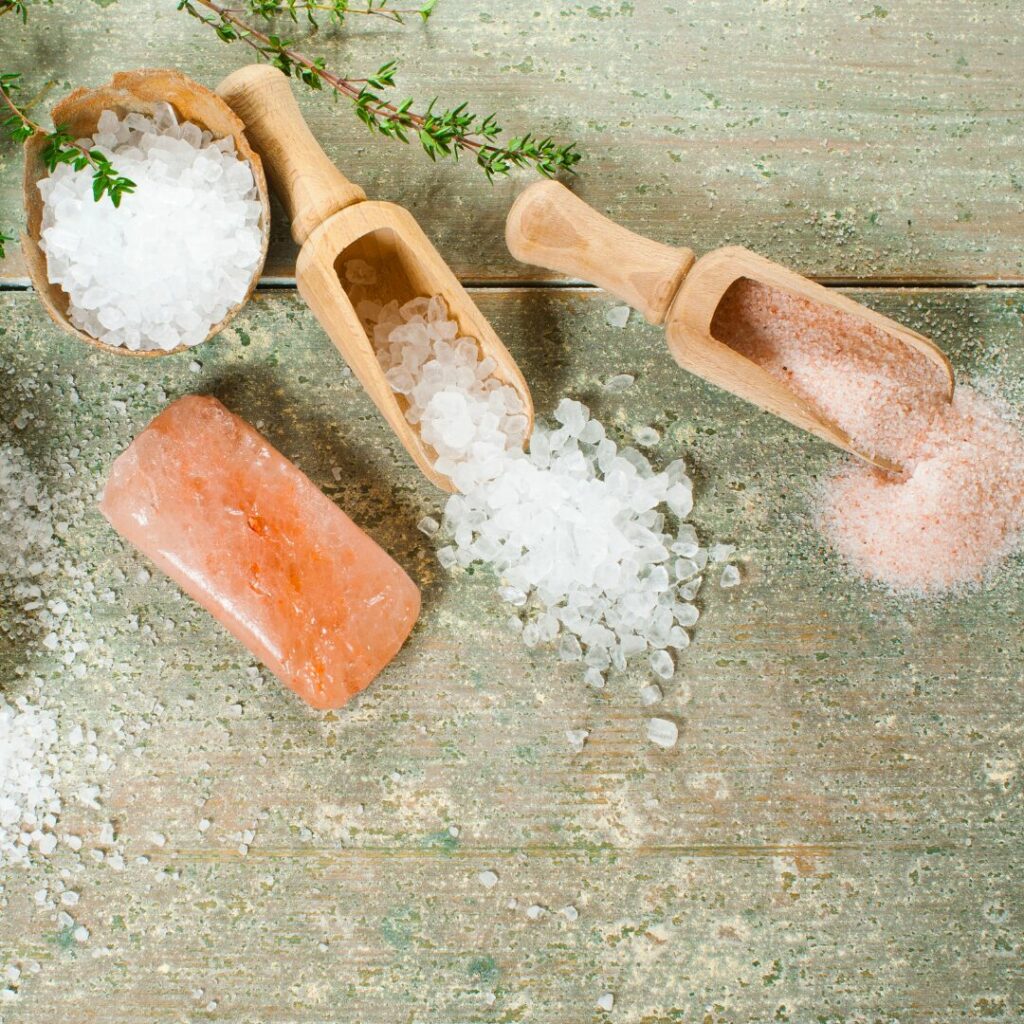
The amount of salt is determined by the net weight of the cabbage. After slicing the cabbage, we weigh it and add 3 % of its weight in salt.
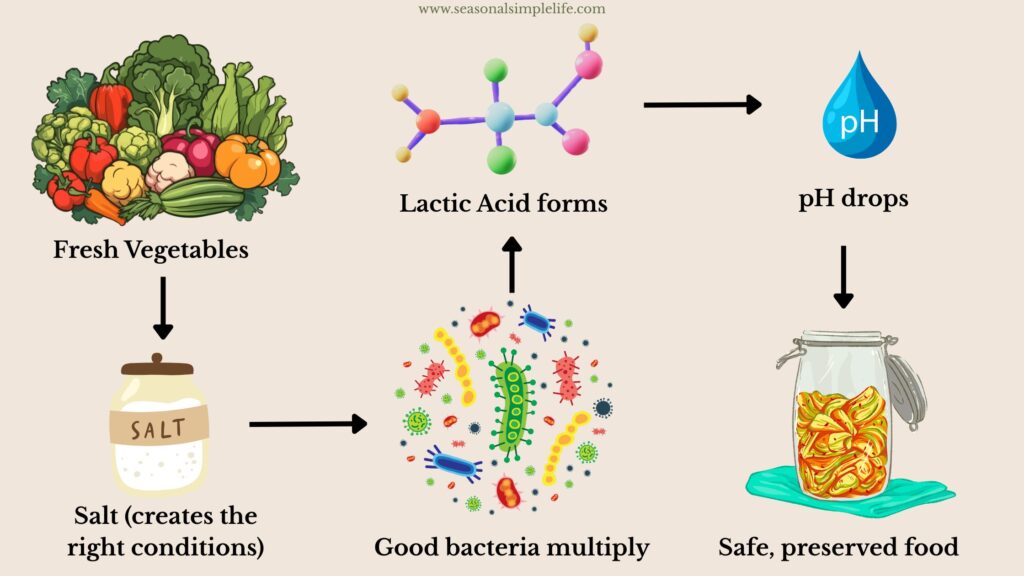
This step is essential for the safety of the fermented food later. Salt slows down undesirable microbes while at the same time giving lactic acid bacteria an advantage. The latter can handle the salty environment much better, allowing them to multiply faster and displacing unbeneficial microbes.
Oxygen removal
Another crucial point in lactic acid fermentation is the removal of oxygen in the jars or crock.
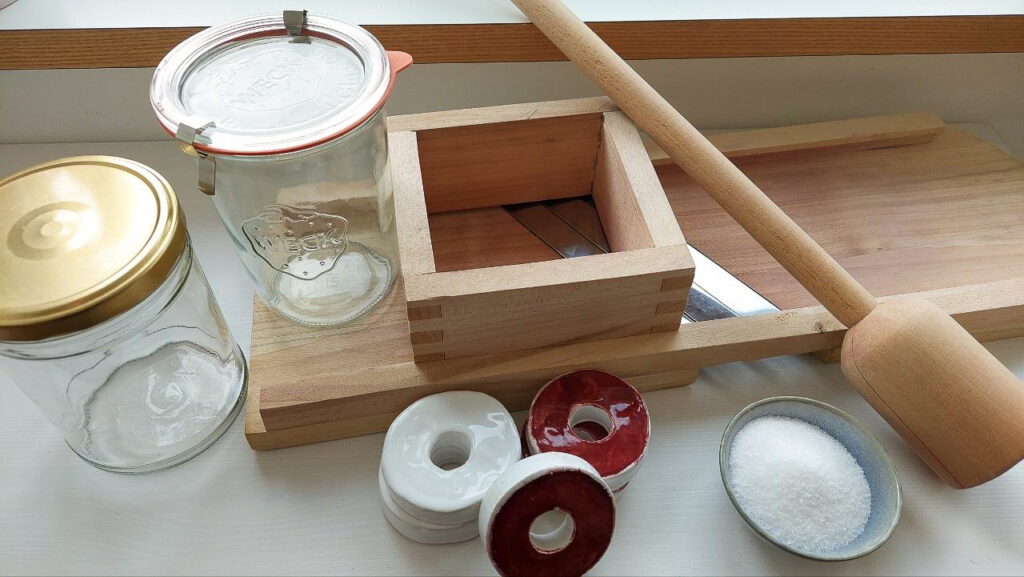
Let’s take sauerkraut again as an example: when we’ve sliced the cabbage and added the salt, we knead the cabbage with our hands until a brine forms. Then we pack the cabbage tightly into jars or a crock, pounding it down so that any air pockets get removed. The brine will eventually cover the cabbage.
When we’ve packed enough cabbage in the jar, we cover the surface with a weight, keeping everything under the brine, that is, without oxygen.
Why is this important? Well, certain harmful microorganisms need oxygen to survive and grow. Mould, for example, usually forms on the surface of the brine when it’s been exposed to air. Kahm yeast, though not toxic, is another example.
I can hear you ask now: “But although the cabbage may be under the brine, there’s always oxygen between the brine surface and the jar lid. Wouldn’t mould form as a consequence?”
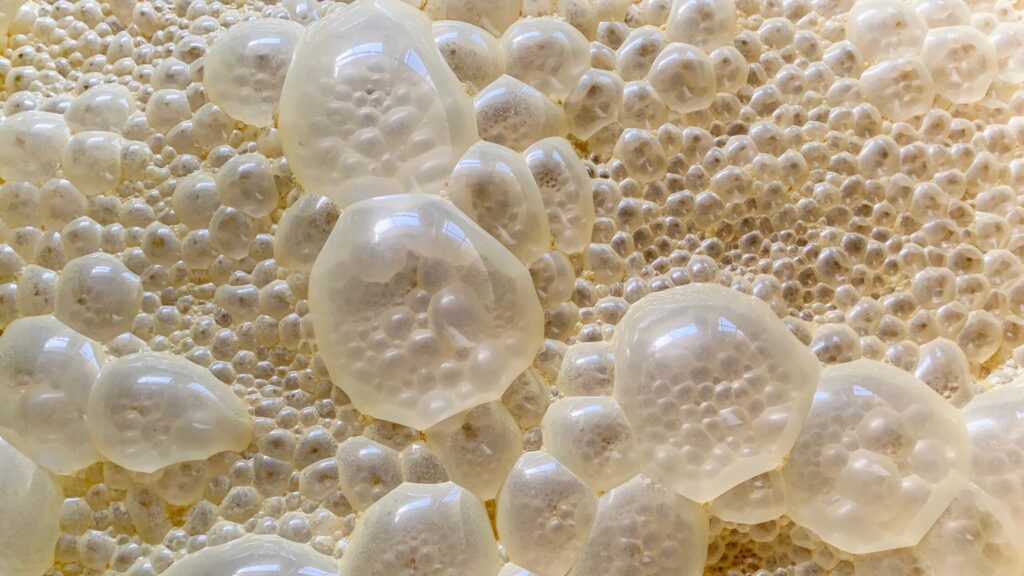
The short answer is: No. You see, during fermentation, gases will be built up. We can witness this process by the bubbles that form and the occasional “burp”. The gases develop so much pressure that they’re gradually pressed out from under the lid. That way, they also displace the oxygen that has been in the jar in the first place.
Lactic acid
After a few days, the fermentation process will start. As I mentioned before, we can see bubbles and the gases that form not only take oxygen with them, but sometimes also a bit of brine. These are the visual clues for a successful fermentation process.
What we can’t see – but could measure – is that the brine’s pH level continually drops. After all, it’s called lactic acid fermentation for a reason: the Lactobacilli transform the sugars in the vegetables into acid, which naturally lowers the pH to between 3.8 and 4.2.
Although properly fermented vegetables usually reach a pH below 4.6, most home fermenters don’t need to measure it. If you follow the basic rules—adequate salt, submerged vegetables, and sufficient fermentation time—the acidity develops naturally.
In this acid environment, harmful microorganisms like putrid bacteria or alcohol-producing yeasts can’t exist.
Pretty cool, right?
Together, these three factors—salt, oxygen removal and acid production—create an environment in which beneficial bacteria thrive while harmful microorganisms struggle to survive. That’s the foundation of safe vegetable fermentation.
Even with all these natural safety mechanisms in place, many people still confuse fermentation with food spoilage. When talking about fermentation, one woman once said to me that to her fermentation is just rotted food. Let me show you why fermentation is something entirely different:
Why Fermentation Isn’t “Rotting”
Rotting is always an uncontrolled (and uncontrollable) process where many different microorganisms are involved. The results are always several unpleasant compounds. Thankfully, we can detect them in multiple ways, either by their abhorrent smell, alarming colours (black, violet, orange, etc.) or their repugnant appearance.
Humans are naturally repelled by rotten food. We have an inherent toxicity detector that alerts us when food is off.
Fermentation, on the other hand, is a controlled process that is dominated by beneficial microbes. In the case of lactic acid fermentation, these microbes produce acid, which not only gives our food a sour taste but also protects it from any harmful microorganisms.
Fermented vegetables smell slightly sour but not repugnant, and they look perfectly well.
Can You Get Botulism from Fermented Vegetables?
It’s important to distinguish vegetable fermentation from low-acid home canning. Although both preserve food, they rely on completely different principles and carry different risks.
Botulism is a rare but life-threatening poisoning that is caused by the bacterium Clostridium botulinum. This poison usually results from rotten meat or insufficiently canned food.
If someone were to eat food contaminated with Clostridium botulinum, they’d develop severe symptoms that could even be lethal. Although botulism is extremely rare, isolated cases do occur, which is why people are understandably concerned.
But: Properly fermented vegetables are a very poor environment for Clostridium botulinum. The ferments become too acidic for botulism bacteria to grow or produce toxin.
When we apply the right amount of salt to our vegetables when fermenting them and see that everything remains submerged, we have done everything to make sure our ferments will be safe to eat.
But how will we know that?
Signs Your Ferment Is Healthy
The best way to check whether our ferment is healthy is by using our senses:
✔ The content of the jar has a sour smell.
✔ When fermentation starts, bubbles form.
✔ The brine eventually becomes cloudy.
✔ We can even detect a slight yeast aroma.
✔ When you eat a forkful, you’ll notice that the vegetables have been softened.
✔ The vegetables change their colour during the fermentation process and usually become duller.
Now that we know what a good ferment looks and smells like, what about one that’s gone south?
Signs Something Went Wrong
This table will show you at a glance whether your ferment is good-to-eat or must be thrown away:
Normal 👍🏻
Discard ⚠️
Cloudy brine
Fuzzy mould
White kahm yeast
Pink mould
Bubbles
Black mould
Sour smell
Rotten, putrid smell
Sediment
Slimy, foul ferment
Let me show you the difference between kahm yeast and mould:
Kahm Yeast vs Mould
Kahm yeast is a layer of wild yeasts that forms on lacto-fermented goods. It always appears on the surface; that is exactly where the ferment has contact with oxygen.
It may develop an unpleasant flavour, but overall it’s harmless.
Its typical appearance is flat and sometimes slightly wrinkled, but it never shows a furry structure. And that’s the great difference between Kahm yeast and mould.
Important: Kahm yeast is not mould. It occurs when oxygen comes into contact with the ferment.
Mould: While Kahm yeast is flat, even and like a white film on the surface, mould grows in sections. It’s often coloured – either green, black, blue, or even pink – and, most importantly, it has a fuzzy, hairy appearance that’s growing upward.
Contrary to Kahm yeast, mouldy ferments must always be discarded.
If in doubt, throw it out!
If you’re ever genuinely unsure whether a ferment is safe, don’t taste it.
Fermentation should build confidence—not anxiety. When a batch shows obvious mould, smells rotten or makes you uneasy, discard it and start again.
There are some common mistakes to avoid when fermenting vegetables:
Using too little salt
Initially, it seems like a large amount of salt we have to use when fermenting vegetables, and we may be tempted to cut it down. Unfortunately, that’s a sure way to produce something rotten.
As we’ve learned, the salt kills harmful microorganisms and promotes beneficial ones, which will thrive and multiply happily in the salt brine. Eventually, they will create an acidic environment that helps keep the ferment safe for a long time.
Vegetables floating above the brine
Fermentation is an anaerobic process, which means without oxygen. When vegetables are not constantly submerged but stick out of the brine, they’ll get in touch with the little oxygen that’s left in the jar and eventually will start to mould.
Dirty utensils
Hygiene is important in any preserving process, and also in fermentation. The jars and lids we use needn’t be sterile (see below) but clean. The same goes for knives, cutting boards, the tamper and fermentation weights. Clean them in hot soap water and let them dry before you use them.
While you should close the lid on fermentation jars, it’s sufficient to only screw them slightly. That way, gases that form during fermentation as well as the occasional drop of brine can get out from under the lid. If you seal the jars too tightly, the gases have no way of escaping and pressure will build up, which could even lead to the jar exploding.
Opening constantly
When I first fermented in jars, I opened them once a day because I feared they might explode otherwise.
And to have a peek inside. Not that I’m curious. I just wanted to check that everything’s alright.
Unfortunately, this non-curiosity allowed the oxygen to flow back, and from the five jars I had initially used for fermentation, I had to throw out three because they got mouldy.
By now you know how to recognise a healthy ferment and avoid the most common mistakes. If you’d like a printable reminder while making your first batch, I’ve put together a free checklist you can keep beside your jar.
Common Questions During Fermentation
A healthy ferment can still surprise you. Here are a few common questions that often come up during the fermentation process.
Should You Sterilise Jars?
It’s a great myth that still circles around in fermentation groups that the jars and lids you use must be sterilised.
While that’s perfectly true and necessary for canning or preserving jam, sterilising isn’t necessary for vegetable fermentation.
After all, we make use of microorganisms that occur naturally on vegetables and fruits – and also our clean hands with which we have touched the jars.
Clean is enough when it comes to fermentation equipment. Just wash it all in hot soap water and let it dry before use.
Is White Sediment Dangerous?
Often, there’s a white sediment forming at the bottom of the jar, especially some time after the initial fermentation process has ended. This sediment is completely normal.
During fermentation, dead lactic acid bacteria and vegetable particles can settle at the bottom of the jar. It’s harmless and a normal sign of fermentation.
Does Fermentation Continue in the Fridge?
To start the fermentation process, we need temperatures between 20 – 24 °C ideally. After the initial fermentation is finished, we put our jars in a cool place, usually the fridge. There, the process doesn’t stop entirely, but slows down considerably so that the ferment can be stored longer without becoming too sour.
Can You Eat Fermented Food If It Smells Strong?
Especially beginners get hit in the face when they open their first jar of home-fermented vegetables, because the smell is unfamiliar and they wonder whether what they produce is safe to eat.
Look, fermented food doesn’t smell in the least like fresh vegetables. Freshly sliced cabbage, for example, has a slightly stale smell, but nothing strong. Sauerkraut, on the other hand, smells sour, tangy and even a bit sulphuric, and that’s perfectly fine.
Depending on what you fermented, the smells may differ.
Garlic, for example, develops a very sharp, pronounced smell once it’s fermented. I’ve put my small jar of fermented garlic paste into another jar, because the smell was so pronounced that the whole fridge reeked of it.
Even a slightly yeasty smell is perfectly normal in a ferment. After all, there are also yeasts involved in lactic acid fermentation.
There are, however, smells that tell us that this jar has to be thrown out.
When a ferment smells truly repugnant, rotten and like garbage or rotten meat, the only way is to discard it. A bad smell usually goes with mould, pink or orange slime on the surface, and maybe even a lid that explodes in your face when you open the jar.
Frequently Asked Questions
Can harmful bacteria survive fermentation?
Not when you use the right amount of salt, have observed hygiene and made sure that everything is submerged.
How much salt makes fermentation safe?
Depending on the vegetables you use, a salt ratio between 2 and 5 % is safe.
Should I remove kahm yeast?
Yes, I’d recommend carefully removing it. Otherwise, mould could form.
Can I scrape mould off and keep the ferment?
Mould develops long “roots” that penetrate the whole ferment, but is invisible to the naked eye. Mouldy ferments should always be discarded.
Is cloudy brine normal?
Yes. Microorganisms and yeasts make the brine cloudy.
Can I use tap water?
Yes, but only if it’s not chlorinated. Chlorine will harm the fermentation process.
Is fermentation safe for children?
Yes, children benefit as much from fermentation as adults.
Can pregnant women eat fermented vegetables?
Yes, it won’t harm them or the baby.
Can I eat fermented vegetables if they taste very sour?
Yes. A stronger sour taste simply means fermentation has progressed further. The vegetables are still perfectly safe, although you may prefer storing them in the refrigerator sooner next time if you enjoy a milder flavour.
Why does my ferment smell like cheese?
During fermentation, many different aromatic compounds are produced. Depending on the vegetables and the microorganisms involved, some ferments can briefly develop a smell reminiscent of cheese or feet. As long as the smell isn’t rotten, putrid or accompanied by mould, this is usually a normal stage of fermentation.
Does vinegar make fermentation safer?
No, it would, on the contrary, inhibit the process. Vinegar is used in pickling, which is different from fermentation.
Common Fermentation Safety Myths
Somehow there are still some fermentation myths out there that refuse to die, no matter how often someone has proven them wrong. Let me show them to you, so that next time one of them comes up in conversation, you can confidently clear it up.
Myth 1: If there’s no mould, it’s always safe
I wish this were true, but as we’ve learned, there are several factors that matter when it comes to food safety in ferments.
The first, of course, is smell. If there’s no mould but your nose tells you it’s dying from the smell, discard the ferment.
Other factors are acidity and a properly performed fermentation process.
Myth 2: Every white film is mould
More often than not, a white film on the brine surface is just kahm yeast, which is harmless.
Myth 3: Fermentation needs special bacteria
Fresh vegetables and fruits naturally carry all the microbes needed for fermentation.
Myth 4: Sterilising everything makes fermentation safer
While clean equipment is important, sterile conditions are neither necessary nor desirable for vegetable fermentation.
Myth 5: Fermentation is unpredictable
On the contrary: once you understand the basic principles, fermentation is remarkably consistent.
Final Thoughts
For thousands of years, our ancestors have preserved food through fermentation.
While no method of food preparation is entirely without risk, vegetable fermentation is surprisingly forgiving. By understanding the basic principles—salt, submersion, cleanliness, and patience—you’ll soon learn to recognise the difference between a healthy ferment and one that should be discarded.
Confidence comes with experience, and after a few successful batches, you’ll likely find fermentation far less mysterious than it first appeared.
Something doesn’t look quite right? Learn how to diagnose soft vegetables, white film, strange smells and other common fermentation issues in my complete troubleshooting guide.
Continue Your Fermentation Journey
Just getting started? These guides will help you take the next step:
These August reflections are part of the Seasonal Reflections series — a year-long practice of living with the rhythm of nature.
And suddenly it’s August, the last month of summer.
The garden is producing generously, piling up enough fruits, vegetables and herbs to preserve for winter. We’re almost as busy in the kitchen as in the garden, what with fermenting gherkins, freezing excess broccoli, cauliflower and beans and cooking tomato sauce. Blackberries and blueberries have superseded gooseberries and raspberries, waiting not-so-patiently to be cooked into jams. Herbs are either hanging from the ceiling, drying quietly, lying in oil to flavour it or being transformed into pesto.
It’s still hot during the days, and when we’re not busy preserving our harvest, we try to escape the heat.
And yet, we can feel a subtle shift in August: the days are perceptibly shorter, the evenings can already be cool enough to make us wear a cardigan, and on some mornings, mist meanders across the meadows, telling us that autumn sends its regards.
👉 In these August reflections, we’ll explore seasonal living in August — from the garden and kitchen to simple ways of making the most of late summer.
August asks us to embrace abundance. The harvest is generous, the days are still long, and there is plenty to gather, preserve and enjoy before autumn quietly begins its approach.
As I work in a school, I have most of August off and can celebrate summer to the fullest during these hot weeks. Whenever the weather allows it, I’m either in the garden, going for a stroll through the meadows and woods where I pick wild herbs and flowers, or at the banks of the river Lech to cool down.
In the evenings I enjoy sitting on the balcony with family and friends, sharing simple summer snacks and cold drinks, playing games, talking and laughing. While we could sit outside late into the nights in July, it gets dark earlier now and with darkness often comes a chill in the air. It’s not really cold yet, but cool enough to fetch a sweater or a blanket.
We often light candles outside now and sometimes even torches. We do have solar lights, but the natural flicker of the flames adds a different level of that special feeling we Bavarians call Gemütlichkeit – warmth, comfort and togetherness – to the whole late summer night atmosphere, don’t you think?
These are the endless summer evenings we remember from childhood—the ones that seemed as though they’d never end.
August at a Glance
🌞 Season: Late summer
🌱 Garden focus: harvest, preservation, planting for autumn
🏡 Home rhythms: linen, decorations with grain, wild herbs and flowers
🧘 Seasonal rituals: picnics, swimming in the sea, a lake or river, eating outdoors
Nature in August
While in July, the farmers were beginning to harvest grains, they’re finished now. In some fields, the straw is still lying on the fields, waiting to be pressed into bales and brought into the barn for winter. My dad always aimed to have all grains harvested by mid-August so that he (and thus: we) had a short time of rest before potato harvest started. It always depends on the weather, of course, but most years, he managed it, and we had one or even two weeks, where we would enjoy the lull by doing what children do: seemingly nothing and yet everything.
Wild herbs like Saint John’s Wort, yarrow and tansy can be found on field edges, fallows, and light woods now, while the sunflowers in the gardens tell everybody what season it is.
In the vegetable garden, beans, broccoli and cauliflower are ready to be harvested now, and we certainly have no shortage of choice about what to eat every day. What’s too much, I freeze, can or ferment.
August Garden Tasks
Depending on the weather, the most time-consuming garden task in August will be watering. August is usually a hot and dry month (although we have had exceptions), and our primary goal now must be to keep alive what cannot be harvested yet. I usually check my garden’s soil daily and water deeply every 2 – 3 days during dry spells. That sounds easier than it is, because I don’t have a water connection in my garden, but depend on collected rainwater, or, if that’s not enough, on driving water canisters to the garden.
Some vegetables that stay long in the patch, like pumpkins or cabbages, get a last dose of fertiliser by the end of August. Nutrients, especially nitrogen, that are fed after that time would only lead to excess leaf growth instead of flavourful cabbage heads or pumpkins.
The most rewarding August garden task, though, is harvesting! Cucumbers, tomatoes, peppers, zucchini, beans, cauliflower, broccoli, all seem to be ripe at once and at the same time. The time of abundant harvest we dreamed about in winter? That’s now.
Apropos winter: August is the perfect time to prepare for your winter harvest. Here’s a list of vegetables you can sow and plant in August for an abundant harvest year-round.
The garden has done its work. Now it’s the kitchen’s turn.
Seasonal Living in August: Kitchen and Home
Like in July, it’s still peak preserving time. Brambles and blueberries have replaced raspberries and gooseberries, and wait to be frozen, fermented or cooked into jams. One harvest quietly hands over to the next, and without noticing it we’re already preparing for autumn.
Additionally, early pears can be harvested now, and either be eaten on the spot (which I must confess I often do until my belly hurts), baked into pies, canned or transformed into jam. If you’ve never made pear jam (or simply want to look it up again), here’s a basic recipe for a wonderfully smooth and flavourful pear jam. If you want to try some new flavour combinations, have a look at these pear jam variations.
Beans are still in high season, and you can easily freeze, can or ferment them for winter. The same goes for zucchini: whenever I’ve averted my gaze from them, they have grown again. Massively. If your zucchinis are the same, preserve them as zucchini pickles, zucchini bread or grate and freeze them.
With all the gardening and preserving, I don’t want to add anything else to my to-do list. Whenever I come across another “August bucket list”, therefore, I instantly click away.
After all, August is the time we craved during those long, dark winter months, the endless days of just being and enjoying we remember from our childhood. I don’t want to overload that time with another list of boxes to tick. We still have plenty to do, what with gardening, preserving, eating, and breathing. Let’s take the speed out of August and allow ourselves some room to breathe, shall we?
Self-Care for Body…
Whenever the weather – and the garden – allow, I’m outside, taking in as much sunlight and fresh air as I can get. I enjoy going for a jog in the mornings, when it’s still temperate or at least not too hot yet. I was a bit negligent regarding sports during the heat wave in July, and I’m happy to be back at it. Jogging makes my head free – all thoughts come up at one time, spin around in the circle of thoughts that lives in my mind and bow out silently. When I come home, sweaty and tired, I still feel exhilarated and able to tackle what the day will bring.
Another great way to get some exercise now is swimming. The river Lech is a 10-minute drive away from my home, and I often just grab a towel, something to drink, and my car keys and head out for a short break at the river banks. The Lech is always cold enough to be refreshing, and a short nap afterwards under the trees helps me re-energise.
I love making ice cream in August, partly because my eldest celebrates his birthday in mid-August and almost always likes to have ice cream with his cakes. All that energy that got burned off during swimming and running must be replaced…
… For Mind…
August also gives me time to return to slower hobbies that require patience.
After all the busyness at the end of the school year that each July brings, I’m happy to have enough time now to do what I had to postpone earlier. Knit that scarf, for example, that I want to wear on chilly evenings. I’m not very experienced with knitting, and a project like this requires a lot of time, focus, and mental energy on my side. August is just the perfect time to do it.
I also love listening to and studying music I want to get to know better. This year, I’ve chosen to get better acquainted with Handel’s “Messiah”, an oratorio I’ve listened to several times, but which I haven’t grasped fully yet. The score’s already here, and I’m looking forward to immersing myself in this beautiful music.
When in July my mind was full of tasks that still needed to be done and things to think about, working with my hands calmed me down. This month, provided I’ve done my gardening and kitchen work, I allow myself to do only what I like to do and without driving myself into exhaustion.
…And Soul
Sunlight and fresh air are not only good for the body but also for the soul. So go outside every minute you can.
The sun’s rising later now, so that’s a good opportunity to get up early and watch a sunrise. Or walk somewhere new and watch a sunset, alone or with friends and family. Put your phone away and just look at the sun, witness it slowly setting and changing the light until it has finally disappeared.
Another simple idea is trying a phone-free day. Instead of doom-scrolling (yes, guilty here) and only witnessing your life through the lens of a smartphone, watch your surroundings closely, try to notice everything that’s happening. It doesn’t matter if you’re out alone on a stroll through quiet woods or sitting in a café on a busy street, looking at the buildings around you and watching people. Just be and see and don’t let yourself be disturbed by a digital device.
If you feel adventurous now, explore somewhere you’ve never been before. You needn’t go on vacation or drive far to do that. I’m sure there are museums, neighbourhoods, restaurants and cafés in your hometown that you haven’t discovered yet or have wanted to visit for some time.
A deep breath before autumn
To me, August feels like a caesura in the symphony of the year—a brief pause before autumn begins its next movement. Maybe because I have the time off or maybe because August feels slower in general, it feels like a break to me. A slower time that invites us to become slower ourselves.
And I usually accept that invitation and let myself take a short mental break from all the hustle and bustle of the months before. Now is a good time to look back at the year and ask ourselves what we’ve learned and what we’re grateful for. And maybe we even have some intentions for how we want the next months to be.
Let’s soak up every minute of this glorious late summer month, get outside as often as we can, and be grateful for beautiful, endless summer days. Autumn has already packed its belongings and is about to get on its way. Let’s take this small summer break and recharge our batteries so that we can be fully focused again when autumn knocks on the door.
If you’d like to walk through the seasons with me, I’d love to welcome you to the Seasonal Simple Life newsletter. Every few weeks I share new seasonal inspiration, recipes, gardening tips and simple ways to slow down and enjoy the time of year we’re in.
Come along, and let’s celebrate each season together.
Join the Seasonal Simple Life Community!
Seasonal inspiration for your garden, kitchen, and home—delivered with care every week.
If you’d like to keep walking through the seasons, you’ll find the rest of the Seasonal Reflections series below.