
Latest Posts
Dirt, Seeds, and Potential: What to sow and plant in March
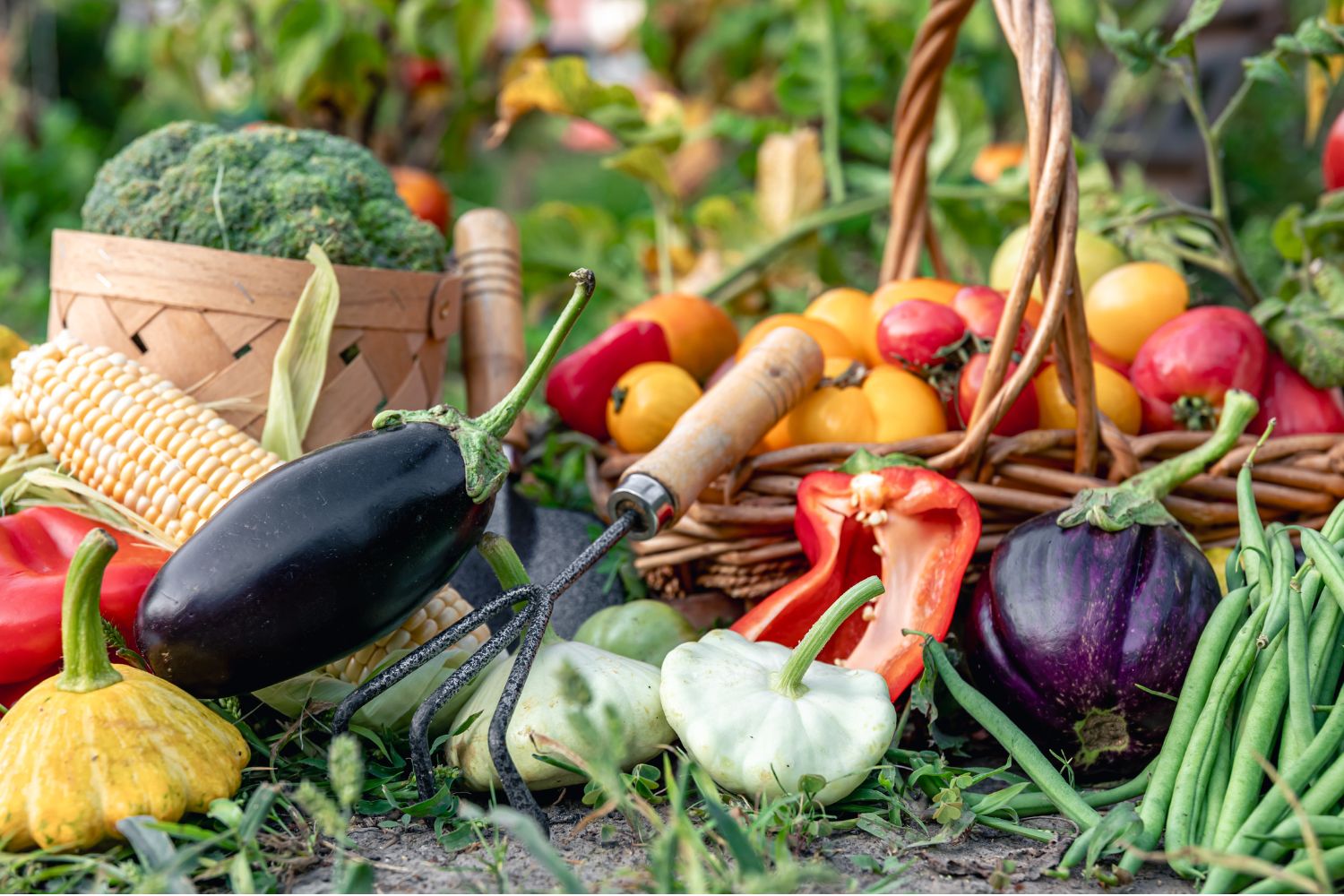
March is spring with a hint of winter—that magical transition when my too-clean fingers start itching to dig in the dirt.
Indoors, start tomatoes for outdoor growing, greenhouse cucumbers, and pre-sprout potatoes on a sunny windowsill. Sow lettuce every few weeks for continuous harvest. Don’t forget nasturtium—it protects cucumbers from pests while adding edible flowers.
Outdoors, hardy vegetables like sugar peas, early carrots, broad beans, and spinach can handle the cold with protective fleece. Transplant February-started lettuce and strawberries after hardening them off gradually.
Label everything—you won’t recognize seedlings later. Get out and have fun in the dirt!
Garden Tasks in March: 11 Essential Jobs to Awaken Your Garden
March arrives with frost still nipping at night, but your garden is ready to wake up. Top up raised beds with fresh compost, remove winter mulch by raking it to the edges so soil warms faster, and pull out any weeds hiding underneath.
Give potatoes a head start by sprouting them on a sunny windowsill. Try covering rhubarb with a bucket—the warmth underneath produces tender stalks in just four to six weeks. Indoors, tend your seedlings daily. Outdoors, hardy vegetables like broad beans, spinach, and early carrots can brave the chill with protection.
The months of dreaming are over. Grab your gloves—your garden is waiting.
Dampfnudeln Recipe: Authentic Bavarian Steamed Buns with a Caramelised Crust
These authentic Bavarian Dampfnudeln are soft, fluffy and finished with a delicate caramelised crust. A traditional step-by-step recipe inspired by Oma, with practical tips to help you make them perfectly at home.
From the Garden
Dirt, Seeds, and Potential: What to sow and plant in March
March is spring with a hint of winter—that magical transition when my too-clean fingers start itching to dig in the dirt.
Indoors, start tomatoes for outdoor growing, greenhouse cucumbers, and pre-sprout potatoes on a sunny windowsill. Sow lettuce every few weeks for continuous harvest. Don’t forget nasturtium—it protects cucumbers from pests while adding edible flowers.
Outdoors, hardy vegetables like sugar peas, early carrots, broad beans, and spinach can handle the cold with protective fleece. Transplant February-started lettuce and strawberries after hardening them off gradually.
Label everything—you won’t recognize seedlings later. Get out and have fun in the dirt!
Garden Tasks in March: 11 Essential Jobs to Awaken Your Garden
March arrives with frost still nipping at night, but your garden is ready to wake up. Top up raised beds with fresh compost, remove winter mulch by raking it to the edges so soil warms faster, and pull out any weeds hiding underneath.
Give potatoes a head start by sprouting them on a sunny windowsill. Try covering rhubarb with a bucket—the warmth underneath produces tender stalks in just four to six weeks. Indoors, tend your seedlings daily. Outdoors, hardy vegetables like broad beans, spinach, and early carrots can brave the chill with protection.
The months of dreaming are over. Grab your gloves—your garden is waiting.
Seed Starting for Beginners: Complete Guide (2026)
Seed-starting saves money, unlocks incredible variety, and gives heat-loving plants the head start they need. You’ll need cultivation soil, containers, plant lamps, and proper timing based on your hardiness zone. Sow seeds at the right depth, maintain proper temperature, thin seedlings when they develop true leaves, and harden them off before transplanting. With the right light and moisture, you’ll grow sturdy plants that yield abundant harvests.
From the Pantry
How to Do a Pantry Audit: Step-by-Step Organisation and Rotation System
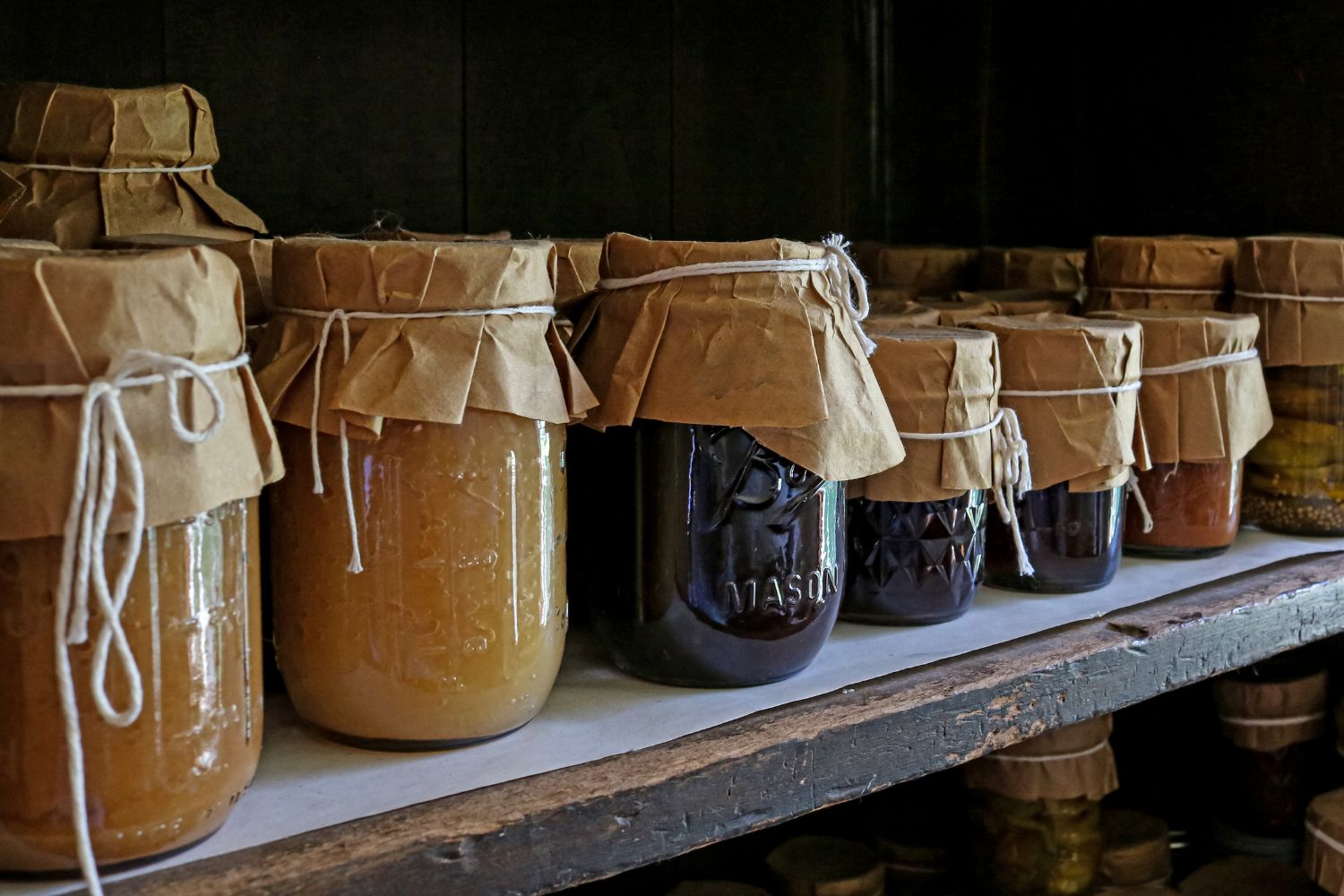
When my son brought me a six-year-old jar of brown, sluggish pumpkin from our pantry, I knew something had to change. A proper pantry audit and rotation system isn’t just about organisation—it saves money, reduces food waste, and ensures you’re always eating fresh ingredients. Learn how to transform your pantry chaos into an efficient system that actually works in real life.
13 Ways to Use Orange Peels at Home — From Food to Cleaning
Discover 13 creative zero-waste uses for organic orange peels! From candied treats and flavored oils to natural cleaners and body scrubs, learn how to transform orange peels into useful products that save money and reduce waste. Never throw away an orange peel again!
Non-Bitter Orange Marmalade (Just 3 Ingredients!)
Traditional marmalade too bitter for you? This easy orange marmalade recipe changes everything. With just fresh orange juice, zest, and sugar—no pith, no bitterness—you’ll have sweet, glossy marmalade in about 30 minutes. Perfect on toast, in yoghurt, or as homemade gifts!
From the Kitchen
Dampfnudeln Recipe: Authentic Bavarian Steamed Buns with a Caramelised Crust
These authentic Bavarian Dampfnudeln are soft, fluffy and finished with a delicate caramelised crust. A traditional step-by-step recipe inspired by Oma, with practical tips to help you make them perfectly at home.
Bavarian Sauerkraut Strudel Recipe (Easy & Authentic)
Crispy strudel dough meets tangy sauerkraut in this authentic Bavarian recipe. A hearty winter comfort food that transforms simple preserved cabbage into something truly special.
The Best Orange Christmas Cookies Recipe (Soft, Citrusy & Festive!)
These orange Christmas cookies are soft, citrusy, and absolutely irresistible! Made with homemade candied orange peel and non-bitter orange marmalade, they’re elegant enough for any holiday cookie plate. The secret to their incredible flavor? A double dose of orange in both the dough and the filling!
Home and Hearth
13 Ways to Use Orange Peels at Home — From Food to Cleaning
Discover 13 creative zero-waste uses for organic orange peels! From candied treats and flavored oils to natural cleaners and body scrubs, learn how to transform orange peels into useful products that save money and reduce waste. Never throw away an orange peel again!
Homemade Chestnut Laundry Detergent: Simple, Sustainable and Free
Those gorgeous chestnuts falling in autumn aren’t just for decoration – they make amazing free laundry detergent! Learn how to forage and prepare horse chestnuts, extract their natural cleaning power, and use them for sustainable laundry. This beginner-friendly guide includes two simple methods, practical tips, and everything you need to know about washing with nature’s gift.
How to Make Chestnut Soap: Easy Homemade Recipe & Instructions
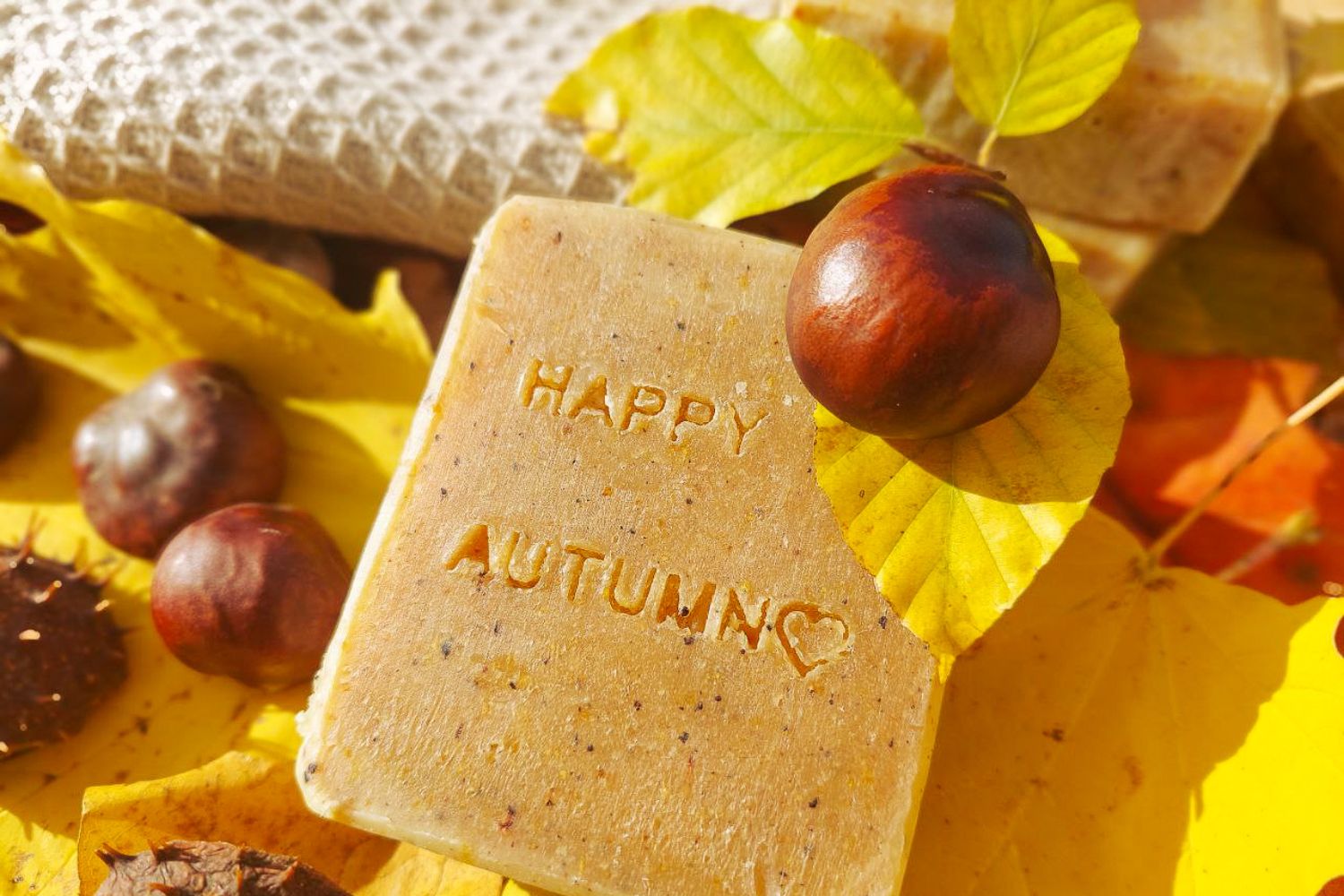
Learn how to make natural chestnut soap from foraged horse chestnuts! This sustainable soap recipe uses the natural saponins in chestnuts to create a gentle cleanser. Includes step-by-step instructions, safety guidelines, and an optional chestnut powder for exfoliation.
About Me
Imagine growing your own herbs on a windowsill, turning summer tomatoes into winter comfort, or creating your own gentle soaps with ingredients you can pronounce.
These aren’t impossible dreams—they’re your next small steps toward a more self-sufficient life.
Whether you’re planting your first seeds or you’ve been gardening for years, every season offers fresh opportunities to grow your skills, reduce your footprint, and reconnect with the natural rhythms that sustain us all.

Hi, I’m Angela, the “face” behind Seasonal Simple Life. Welcome to this blog!
Do you dream of creating a colourful and lively vegetable garden where you’ll cultivate all the vegetables you want?
Without chemistry but diversity and many tried and tested varieties that will fill your harvest basket with healthy and tasty fruit and vegetables?
In the evenings, the flavour of freshly cooked tomato sauce flows through the house; winter will come, eventually, and your pantry won’t fill on its own…
Do you want to live a seasonal simple life, decorate your house, craft things that make you happy and add beauty to your home?
Let’s do this together!
If you want to learn more about me, click here.