
.
Wondering what to sow in September? Although one of our most time-consuming jobs right now is harvesting all those gorgeous tomatoes, cucumbers, zucchini, cabbage, herbs and fruits, there are still plenty of vegetables you can sow for autumn, winter and even early spring harvests.
In August, we already started sowing and planting fast-growing and cold-hardy vegetables for an autumn harvest. By September, the planting window is beginning to close for many crops in my climate, but there are still several vegetables you can sow directly wherever a gap appears.
Let me show you.
Planning your garden for the month? Have a look at my September garden tasks for everything else that needs doing in the vegetable garden right now.
Quick Reference: What to Sow in September
Here’s a cheat sheet of what you can sow in September:
| Vegetable | Where To Sow | Harvest | Notes |
|---|---|---|---|
| Broad beans | Outdoors | Spring | Choose an overwintering variety |
| Spinach | Outdoors/Under cover | Autumn - Winter | Choose a cold-hardy variety |
| Winter lettuce | Outdoors/Under cover | Autumn - Winter | Protection extends harvest |
| Lamb's lettuce | Outdoors/Under cover | Autumn - Winter | Excellent gap filler |
| Radishes | Outdoors/Under cover | Autumn | Fast-growing |
| Winter purslane | Outdoors/Under cover | Winter | Very cold tolerant |
| Swiss chard | Under cover | Winter - Spring | Better protected this late |
| Overwintering peas | Outdoors | Spring | Choose a winter-hardy variety |
| Green manure | Outdoors | --- | Protects empty soil |
Climate note: These recommendations are based on a temperate climate similar to USDA zones 6–8. September sowing dates vary considerably depending on your first frost date, so gardeners in colder regions may need to sow earlier or use a greenhouse or cold frame.
Before You Sow: A Few Things to Consider in September
September sowing is less about rapid growth and more about cold tolerance, overwintering and getting plants established before winter.
With that in mind, sow autumn/winter vegetables into gaps immediately after harvesting summer crops.
The declining daylight means crops grow more slowly than in spring. That, and the cooler temperatures, make a greenhouse or cold frame a lot more attractive right now.
If you have an unheated greenhouse or cold frame, your September sowing options are considerably wider. Spinach, lamb’s lettuce, winter purslane, radishes, winter salads and Swiss chard all benefit from the extra protection. Growth will eventually slow as daylight decreases, but plants established now can provide harvests well into winter or start growing again very early in spring.
Don’t have a greenhouse yet, but are considering building one? September is a good time to do so. In my comprehensive DIY guide, I show you how to build a greenhouse from scratch.
What Vegetables Can You Sow in September?
Broad Beans
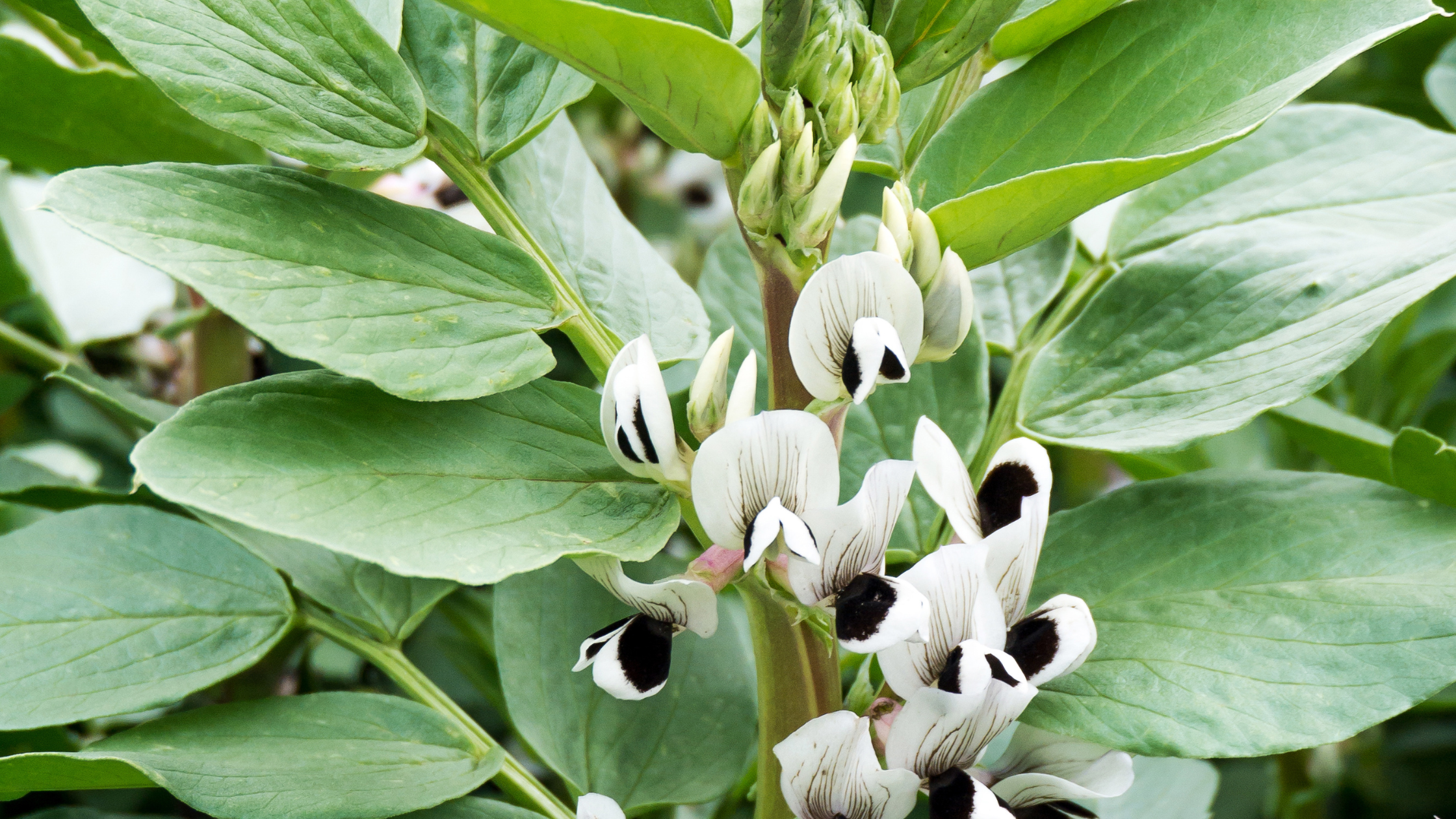
While many people sow broad beans in early spring (depending on your climate zone in February or March), I like sowing them in autumn. That way, they get a head-start and can be harvested some weeks earlier.
Prepare the garden patch by weeding it thoroughly and raking it smooth. Then sow the broad beans with a distance of 8 – 10 cm (3 – 4 inches) between plants and about 60 cm (2 feet) between rows. This may sound like a lot, but next May you can sow corn between the broad bean rows, like I did this season. The broad beans had largely finished by then, giving the young corn plenty of light and space.
Spinach
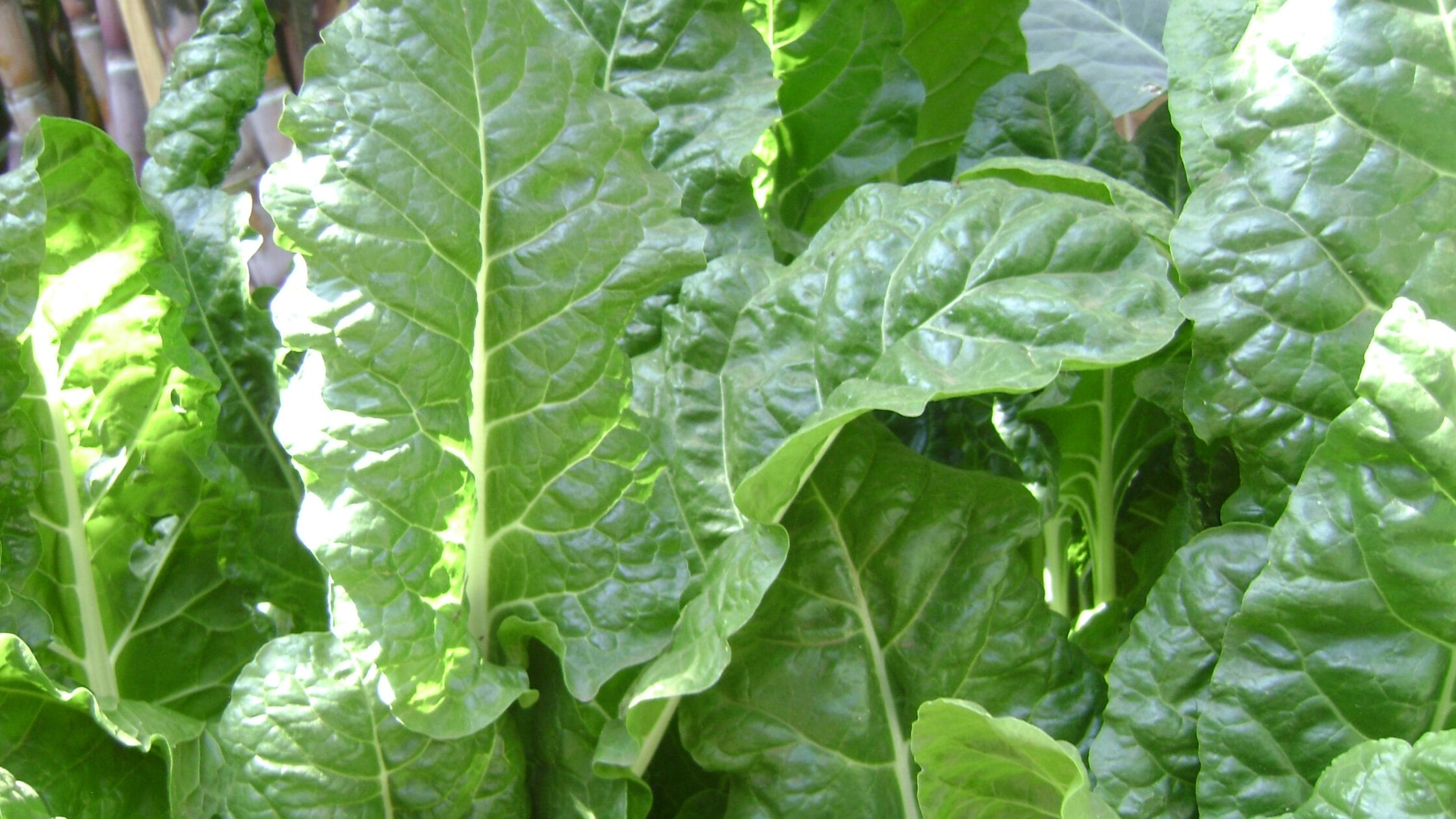
If I don’t know what to sow, I always come back to spinach. It’s undemanding, grows easily wherever you sow it and is such a versatile vegetable in the kitchen, for example in this spinach-lemon lasagna.
Just make sure you choose a cold-hardy variety, sow spinach in rows and be aware that growth slows dramatically once light levels and temperatures drop.
If you have a greenhouse or a cold frame, sow spinach in there as well. As temperatures are warmer there, you can harvest the spinach longer; growth will slow considerably during the coldest, darkest part of winter.
Winter salad crops and cold-hardy lettuce
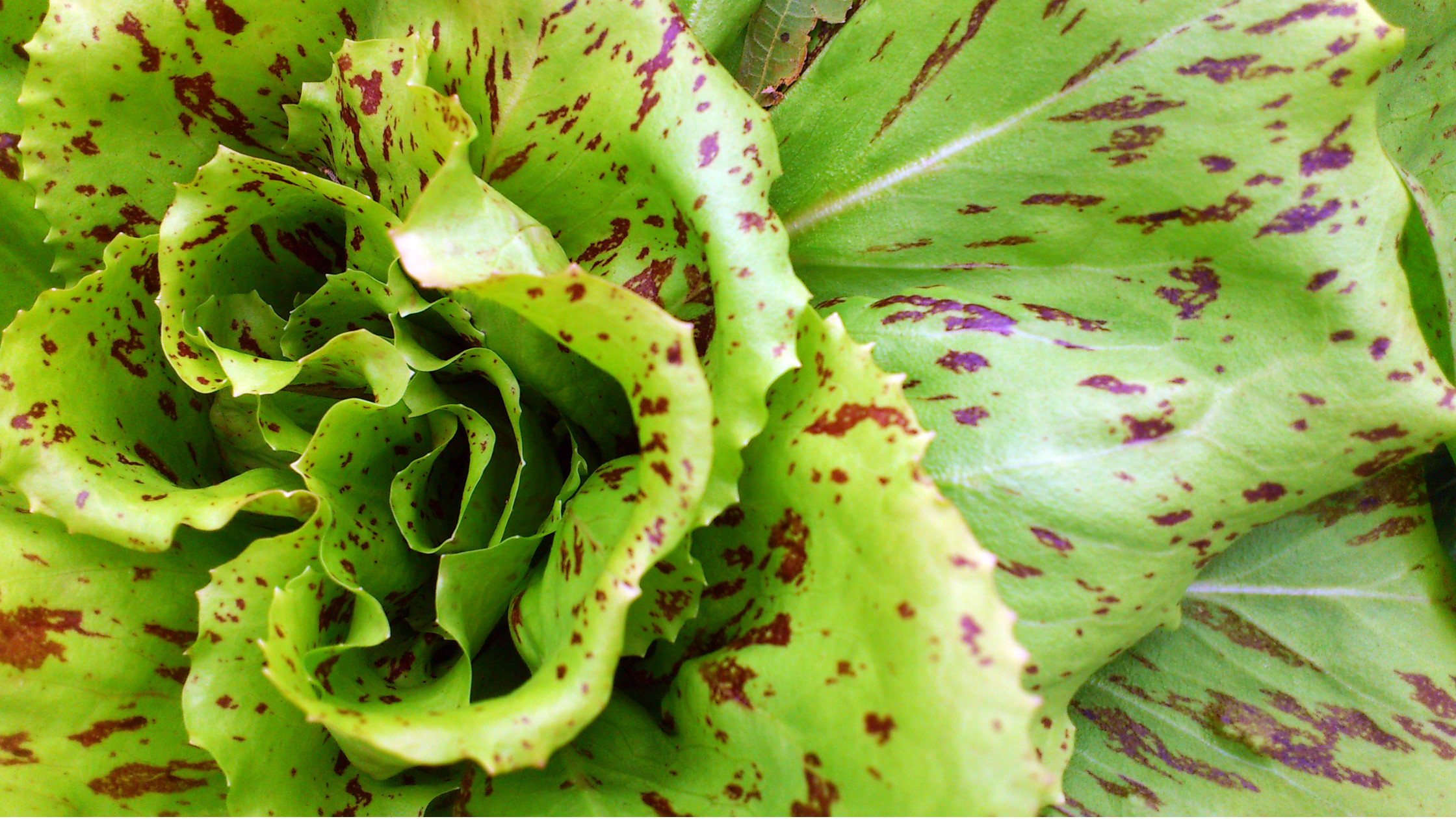
Winter salad crops like radicchio, winter endives, and cold-hardy head lettuce can also be sown in September. That way, they’ll have enough time to grow before the first frost hits. Keep an eye on the weather forecast and protect them with fleece or grow them under cover once temperatures drop. This can extend your harvest and provide fresh greens well into autumn and winter.
Lamb’s lettuce
Apart from spinach, lamb’s lettuce is my favourite winter crop! It’s got a distinct, slightly nutty flavour, yet it feels smooth and velvety as you chew.
What’s more, lamb’s lettuce isn’t closely related to most vegetables we usually grow in our gardens, as it belongs to the Valerian family. That makes it particularly easy to fit into a crop rotation, and its undemanding nature also makes it a useful gap filler between other crops.
In August, I usually sow lamb’s lettuce in rows, but by September I’m so focused on preserving my harvest that I don’t care anymore and sow broadcast.
Radishes
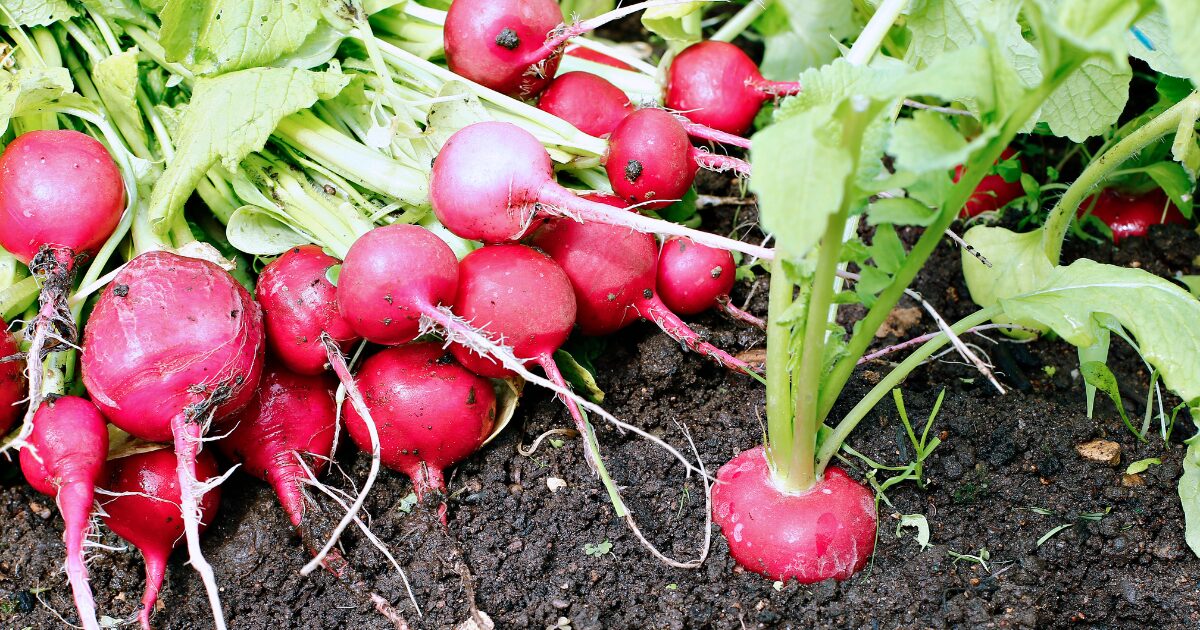
Just in case I haven’t mentioned it in one of my earlier growing guides: radishes are fast-growing, undemanding and simply a perfect gap filler in the vegetable garden. And if you end up with more than you can eat fresh, try one of these quick and easy recipes for fermented radishes.
September is a good time to sow radishes, because the cooler temperatures, especially during the night, reduce the tendency to bolt and keep the roots crisp.
Sow them in rows and harvest them 30 days later. They’re a no-brainer.
Winter purslane
Winter purslane, also known as miner’s lettuce, is a delicate plant whose leaves are usually used in salads or mashed potatoes and vegetables.
Sow winter purslane now outdoors or in the greenhouse for a continuous harvest through winter.
Swiss chard
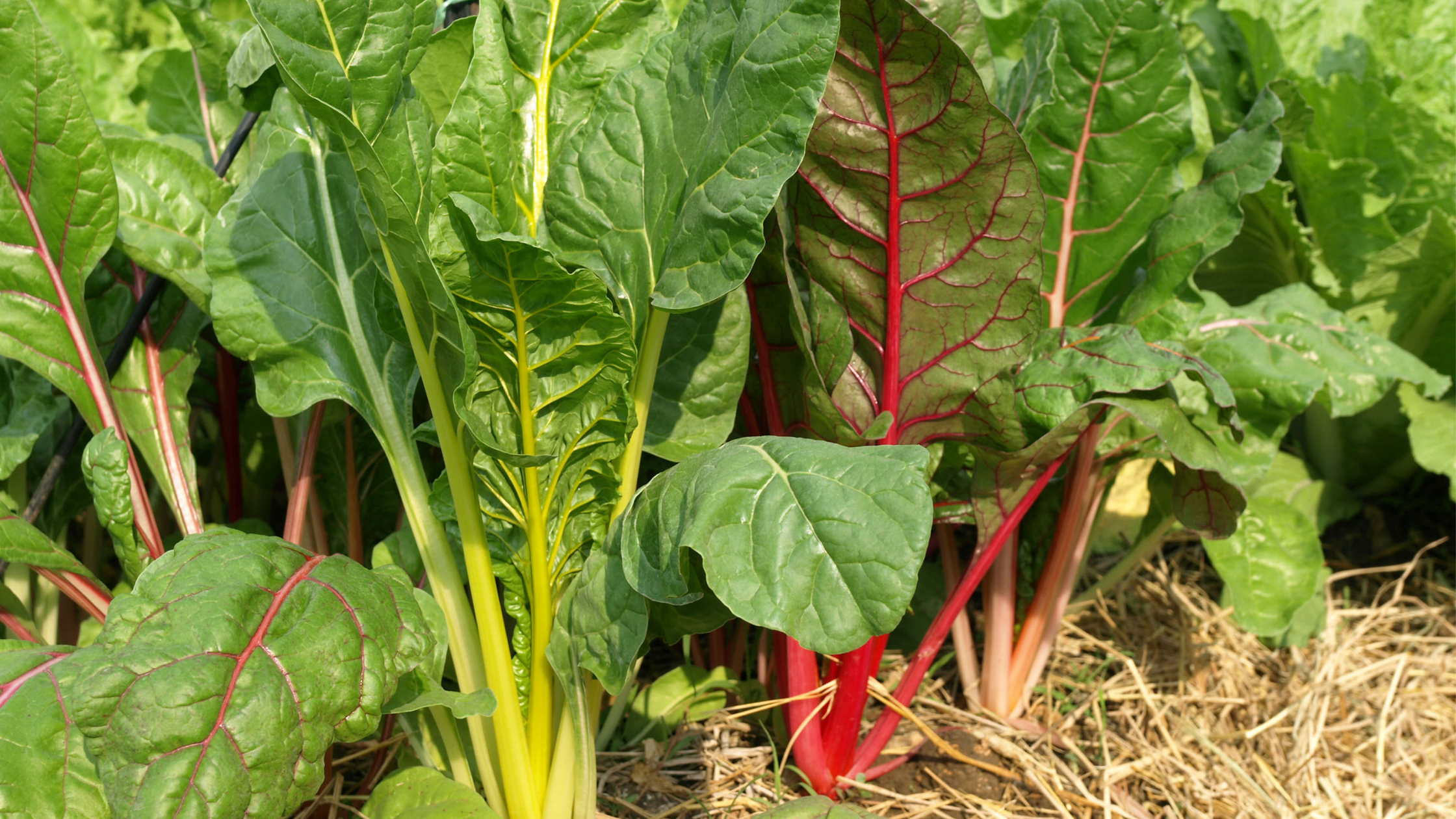
Now is the last chance to sow Swiss chard. I’d only do so in the greenhouse or a cold frame, though, as it may not reach its full size when cultivated outdoors. With some protection against the cold, you can harvest Swiss chard well into winter and even have an early harvest next spring when temperatures rise again.
Overwintering peas
Winter-hardy peas sown in September will overwinter as young plants in the garden and make an early crop for the following spring. They can be harvested as early as May when sown now.
One variety I like to cultivate is “Sima”.
What to Sow in Empty Beds in September
While in spring and summer, I want every square inch of my garden covered with vegetables, I don’t grow that much in autumn and winter. That’s mostly due to my lack of enthusiasm to head down to the garden when it’s freezing outside, and honestly, we can’t eat that much fresh produce in winter.
Green manure
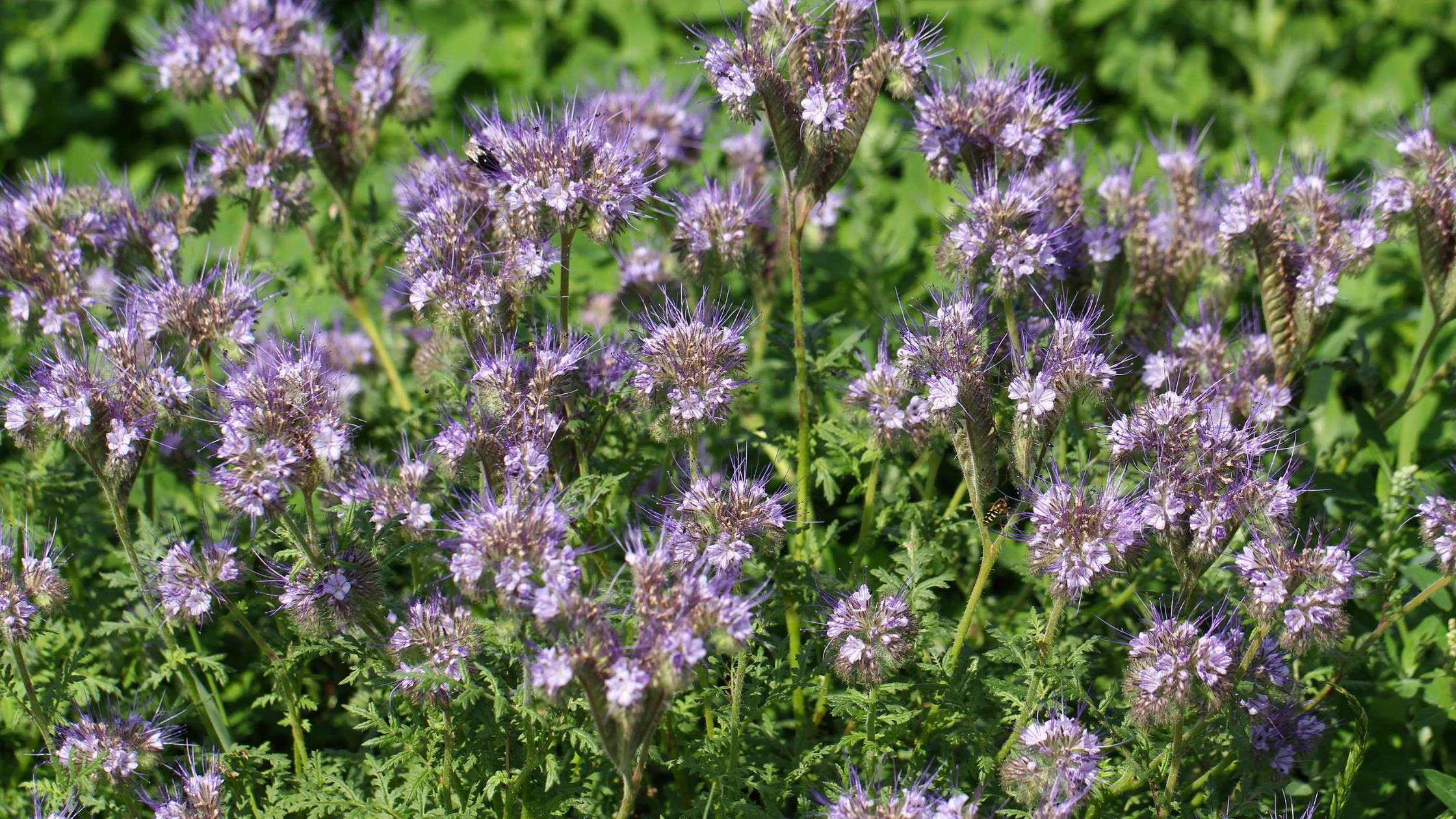
On the other hand, I like my beds to be covered when the frosts strike, and that’s why I grow green manure on empty patches. There’s a variety of plants you can choose from, and not only do they cover the soil, but some of them, like some fodder peas, even enhance the soil with nutrients. You can read up more about green manure in my comprehensive guide on plant fertilisers.
Frequently Asked Questions
What vegetables can I sow in September?
September is a good month to sow cold-hardy and fast-growing vegetables such as spinach, lamb’s lettuce, radishes, winter purslane and winter salads. You can also sow overwintering broad beans and peas for an earlier harvest next spring. What you can sow successfully depends on your climate and first frost date.
Is September too late to sow vegetables?
No. Although the main summer sowing season is over, several vegetables can still be sown in September. The key is to choose fast-growing crops for an autumn harvest or cold-hardy varieties that can tolerate low temperatures and overwinter in the garden.
What can I sow in September for a winter harvest?
Spinach, lamb’s lettuce, winter purslane, radishes and cold-hardy salad crops are good choices for winter growing. An unheated greenhouse, cold frame or fleece can extend the harvest considerably in colder climates.
What can I sow in September for next spring?
Overwintering broad beans and winter-hardy peas can be sown in September for an earlier harvest the following spring. Some hardy leafy vegetables, including spinach and Swiss chard, may also overwinter and start producing fresh growth again when temperatures rise.
What can I sow in an unheated greenhouse in September?
An unheated greenhouse gives you more options for September sowing. Try spinach, lamb’s lettuce, winter purslane, radishes, winter salads and Swiss chard. As daylight and temperatures decrease, growth will slow, but the protection of a greenhouse can considerably extend your growing season.
Can I sow directly outdoors in September?
Yes. Cold-hardy vegetables such as spinach, lamb’s lettuce, radishes, overwintering broad beans and winter-hardy peas can be sown directly outdoors in suitable climates. If early frosts are common where you live, protect young plants with fleece, a cold frame or an unheated greenhouse.
What should I sow in empty vegetable beds in September?
If you don’t need another food crop, sowing green manure is an excellent way to cover empty beds over autumn and winter. Green manure protects bare soil, suppresses weeds and, depending on the plants you choose, can also improve soil fertility and structure.
Want to Know What to Do in the Garden Each Month?
Get seasonal gardening ideas, sowing reminders, and new articles from Seasonal Simple Life delivered straight to your inbox — so you always know what you can sow, grow and harvest next.
September Sowing Summary
September may feel like the end of the gardening season, but there’s still plenty of life left in the vegetable garden. A few rows of spinach, lamb’s lettuce or radishes can keep fresh food coming through autumn, while overwintering broad beans and peas already lay the groundwork for next spring.
And if you really don’t feel like sowing another vegetable after weeks of harvesting and preserving? Sow some green manure, cover the soil — and call it a day. The garden won’t mind.
0 Comments