
.
While August is still warm and often hot, the days have already become noticeably shorter. I notice that, especially in the evenings, when it’s already getting dark by around 10 p.m., if I want to sit outdoors, I have either to accept the dark or light candles and torches.
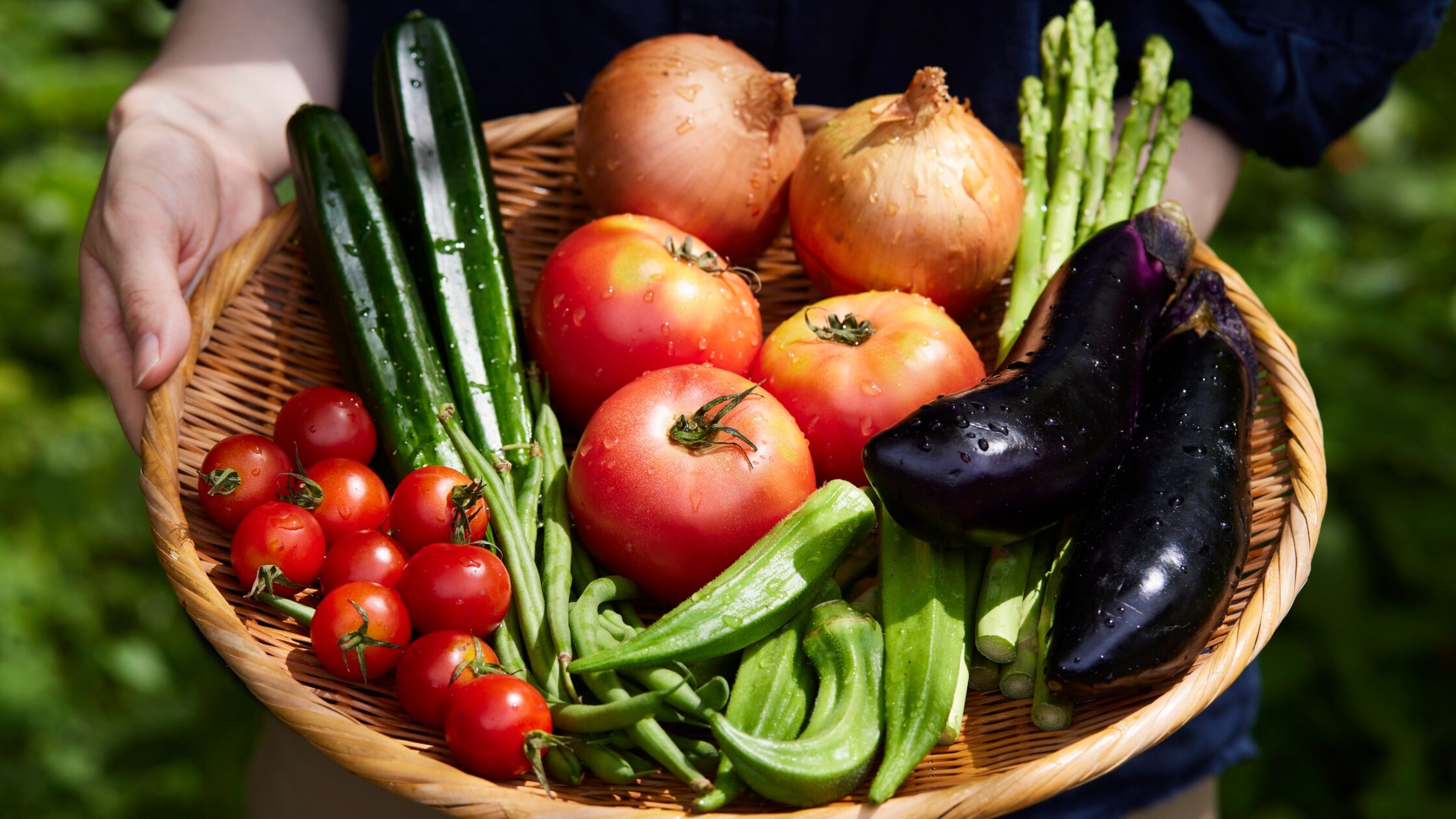
My vegetable garden seems to produce like mad now, and I’m elbow-deep in harvesting, preserving and maintenance. The gaps that arise when something’s harvested must be closed soon with new seedlings or by sowing fast-growing vegetables. Let’s see what garden tasks August has in store.
August Garden Checklist: Essential Tasks at a Glance
If you only have time for a few things, focus on these essential August garden tasks:
- Harvest and preserve regularly
- Feed heavy-feeding crops
- Sow vegetables for autumn harvest
- Water deeply during dry spells
- Mulch beds to conserve moisture
- Prune and cut back tomatoes
Here’s a quick overview of the most important garden tasks to tackle in August:
| Garden task | Best Time in August | Priority |
| Checking for pests and diseases | Every second day | High |
| Fertilising | Every 2 – 3 weeks | High |
| Harvesting | When plants are ripe | High |
| Preserving harvest | After harvesting | High |
| Sowing and planting | After gaps form due to harvest | High |
| Pruning and cutting back tomatoes | When suckers form | Medium |
| Mulching | When plants are about 10 cm (4 in) high | Medium |
| Weeding | Twice a week | Medium |
| Watering | When soil is dry | Medium |
Keeping track of all these tasks can be tricky. Download the free August Garden Checklist and take it with you into the garden.
If you’re transitioning from early summer, you might also want to revisit the tasks from July. Many jobs started last month continue now — especially fertilising and mulching.
→ Continue from last month with my July Garden Tasks checklist.
What to Sow and Plant in August
August is still a good time to sow vegetables directly outdoors to prepare the autumn harvest.
Direct sow outdoors
Good vegetables to sow in August include:
- Lamb’s lettuce
- Autumn lettuce varieties
- Asia salad
- Spinach
- Radishes
- Winter purslane
- Broad beans
- Green manure
Transplant outdoors
You can also plant cabbage plants like broccoli, kohlrabi and kale, as well as fennel and spring onions.
→ For a complete overview, read my full guide on what to sow and plant in August.
Now let’s look at the most important August gardening jobs that will keep your vegetable garden productive through late summer:
1. Pruning and cutting tomatoes
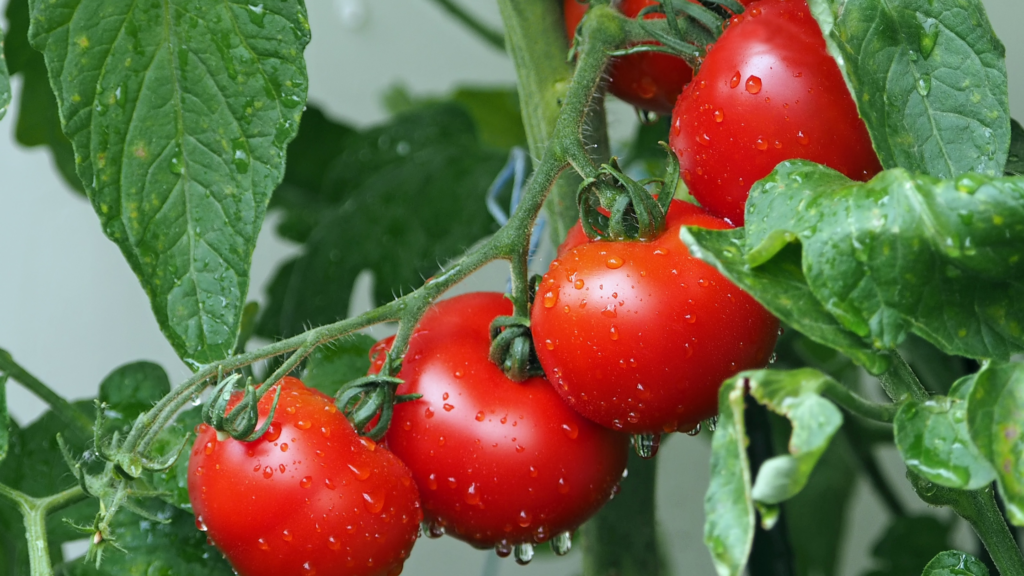
✔️ Why it matters: Pruning helps tomatoes form more fruit and stay healthy; cutting off the tips lets the plant direct its energy to fruit building.
Our tomato plants are at their peak now and produce leaves, fruits and shoots like crazy. They seem to have almost endless energy.
As sensible gardeners, however, we know that the colder nights are not far away. When temperatures drop below 15 °C, tomatoes slow down growth considerably, and the same goes for ripening. Not all the fruits they produce now will ripen before temperatures drop.
When we cut off the growing tips now, they redirect their energy to producing larger fruit that can actually ripen in time.
Also, remove diseased leaves near the ground. That way, they won’t get in touch with wet soil, which could lead to blight.
If you want to learn more, you’ll find a detailed guide on how to grow tomatoes over here.
2. Cut back summer raspberries
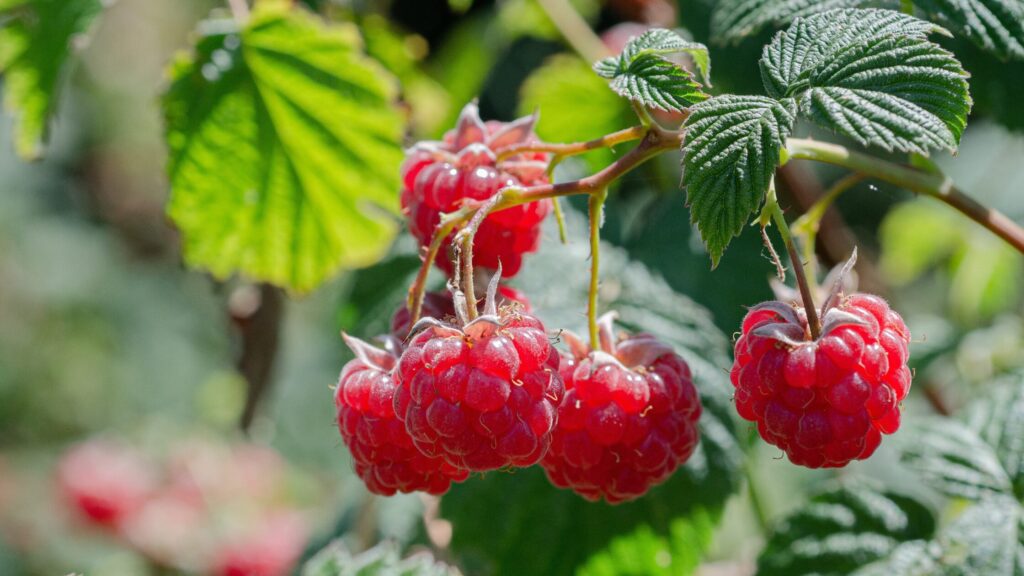
✔️ Why it matters: The one-year-old shoots of summer raspberries must be cut back every year to prevent the spreading of pests and diseases and to induce new growth next season.
August is the perfect time to cut back all one-year-old shoots of raspberries that bear their fruit in summer. Don’t cut raspberries that fruit in autumn or you’ll lose the harvest of this and next year.
Cutting the canes also makes sure to get rid of raspberry maggots that otherwise would now get into the soil where they’d transform into a beetle, which would in turn lay new eggs.
Diseases like spur blight can also be prevented or got rid of by cutting off the shoots of summer raspberries.
I’d always discard the canes in the household bins, never on the compost. If your raspberries were infected by pests or diseases, they’d spread like wildfire.
Leave around 6–8 healthy young canes per metre (or 8–10 per row) for next year’s harvest.
By the way: did you know you can make wonderfully versatile jam with raspberries? In this post I’ve compiled several unusual recipes for raspberry jam.
🌿 Gardener’s Tip: Only cut back summer raspberries
3. Create a New Strawberry Patch
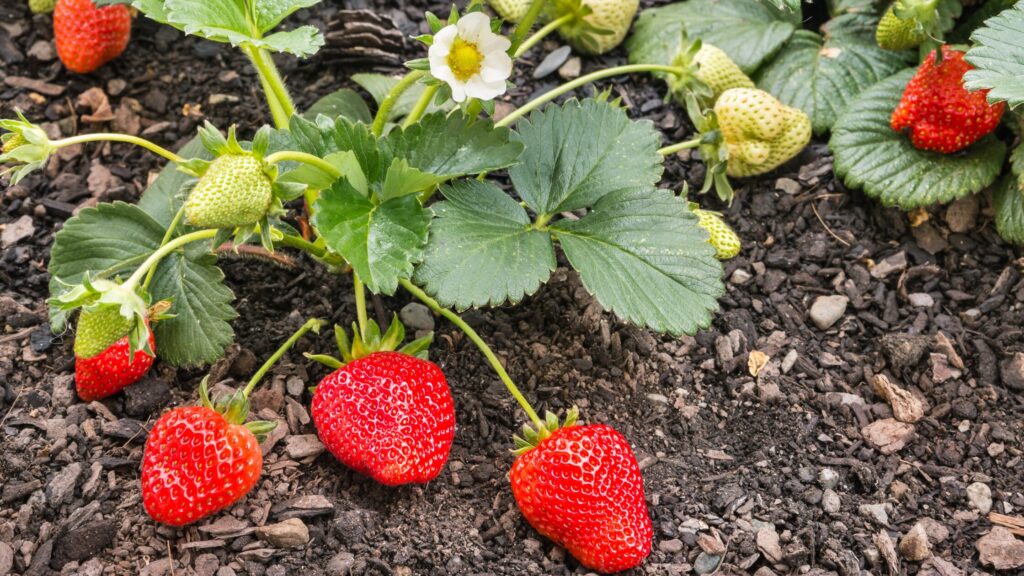
✔️ Why it matters: Strawberries can now root well in a new patch and will produce an abundant harvest next summer.
If you’ve pondered cultivating strawberries in your garden, August is the perfect time to plant them.
Make sure the new bed is weed-free and feed it with mature compost that you roughly rake in. Then plant strawberries at a distance of 25 cm (10 inches) and 50 cm (20 inches) between rows. That way, they’ll get enough sun next season to produce larger, sweet berries. At the same time, leaves can dry off quicker, which makes it harder for mould to develop.
Fancy strawberry jam? Here’s a recipe compilation of strawberry jams with a twist.
🌿 Gardener’s Tip: When planting strawberries, make sure to keep the crowns at soil level.
4. Water thoughtfully
✔️ Why it matters: All plants need water to survive and thrive.
It can be very hot and dry in August, and some years it’s comparatively cool and moist. Depending on the weather, it can be necessary to water our plants, not only to keep them alive but thriving.
It’s proven to be better when we water once to twice a week thoroughly instead of watering every day just a little bit. That way, the plant’s roots grow deep where they get access to water from even deeper regions. Which, in the end, will help us water less.
If you cultivate vegetables in raised beds or containers, this rule doesn’t apply, though! They can’t grow out of their pots and need regular watering.
Water your raised beds at least every other day and your containers at least once a day. If it’s really hot and dry, even more often.
🌿 Gardener’s tip: The best time for watering is in the morning, as the water can soak into the soil before the midday heat. It also helps leaves to dry quickly, reducing the risk of fungal diseases
5. Mulching
✔️ Why it matters: Mulching keeps the soil moist and suppresses weeds
As I’ve been mulching the whole season, my garden beds are pretty well covered by now. We mustn’t forget, though, that all that mulch degrades over time and becomes thinner. For that reason, it’s important to upholster the mulch by adding another layer.
Whenever I scythe around my vegetable garden, for example, I let the grass dry for 1 – 2 days (depending on the heat) and then use it to cover the soil around my plants. Nothing goes to waste; the grass transformed from a nuisance to valuable mulch, and I, the veggies, and the soil organisms are happy 😊. It’s a win-win-win situation.
🌿 Gardener’s Tip: Keep mulch a few centimetres away from plant stems to prevent rot.
6. Weeding
✔️ Why it matters: Weeds compete for nutrients.
I don’t know about your garden, but mine shows a lull regarding weed production in August. Maybe it’s that by constantly weeding since early spring, no weed seeds could germinate or that they finally get it that they’ll never stand a chance against Weed-Inator Me. I usually don’t have as many weeds in August in my garden as in spring.
Nevertheless, check for weeds regularly and either eat them (in this article I describe how to make pesto from wild plants) or make food for your plants( Read here how to make nettle manure.
🌿 Gardener’s Tip: Rip weeds out as soon as they occur.
7. Fertilise with measure
✔️ Why it matters: Heavy feeders need a lot of nutrients to produce an abundant harvest.
Talking of plant food: our heavy-feeders like tomatoes, pumpkins, zucchini, cucumbers, peppers and cabbages need a healthy dose of fertiliser every 2 – 3 weeks. For medium-feeders, a fertilisation schedule of 3 – 4 weeks is sufficient. By the end of August, however, I’d slow that rhythm down. With too many nutrients, the plants would produce more fruits. Seeing as autumn is already ante portas, even though we can’t see it yet, those fruits wouldn’t ripen before temperatures drop.
Reducing nitrogen fertiliser towards the end of August encourages plants to ripen existing fruits instead of producing excessive leafy growth.
🌿 Gardener’s Tip: Use homemade nettle manure to fertilise your plants.
If you’d like to explore more natural ways to feed your garden, these guides cover plant-based, animal-based and even human-derived fertilisers.
8. Harvesting time
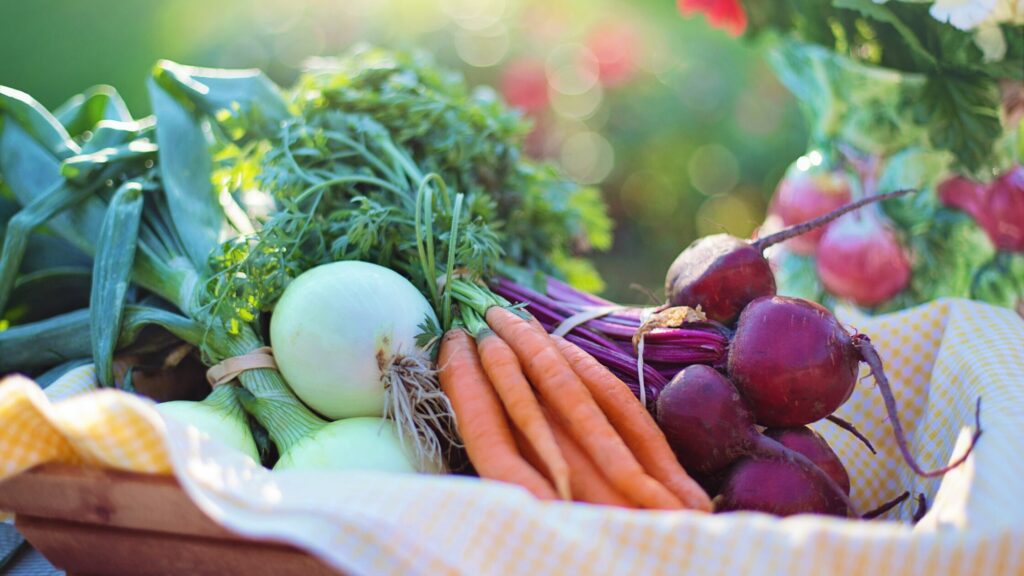
✔️ Why it matters: Vegetables harvested at the right time taste better, stay tender, and encourage plants to remain productive.
August is a very productive month in the vegetable garden. In fact, I can harvest tomatoes, cucumbers, zucchini, lettuce, and much more almost daily. I know it can be tempting to let ripe fruits hang on the plants and simply enjoy the beautiful sight. After all, that’s what we’ve worked for so long, and people (and we) shall see it. But if you harvest too late, the flavour will become watery or even bitter, the plants get fibrous, too large (hello my zucchini-demons) or turn brown.
Harvesting regularly also induces the plant to grow more fruits, leaves or whatever we cultivate it for.
9. Preserving our harvest
✔️ Why it matters: Preserving makes our harvest last throughout the year
I’m a huge fan of eating as much fresh produce as we can during summer. In August, however, the garden usually produces more than we can eat. So, being the glutton I am, I now preserve all that doesn’t get snacked away by either me or the children.
When we open jars of jam, sauerkraut, pickled zucchini or fermented gherkins in winter, we remember the hot days of August when we picked those very same vegetables and made them last till the next season.
It’s a good time to check your preserving equipment, for example when you want to ferment any of your vegetables, which I highly recommend! Fermentation is the oldest and most satisfying way to preserve vegetables, and if you want to learn more about lacto-fermentation and how it works, here’s a comprehensive overview.
If you want to check your fermentation equipment, here’s a list of what you really need (hint: it’s less than you may think and definitely nothing fancy).
Other good ways of preserving your harvest are freezing or drying. Especially herbs can be dried so easily. In fact, it’s one of the easiest methods to preserve them. For more ideas on how to preserve herbs, read on here.
10. Harvesting seeds
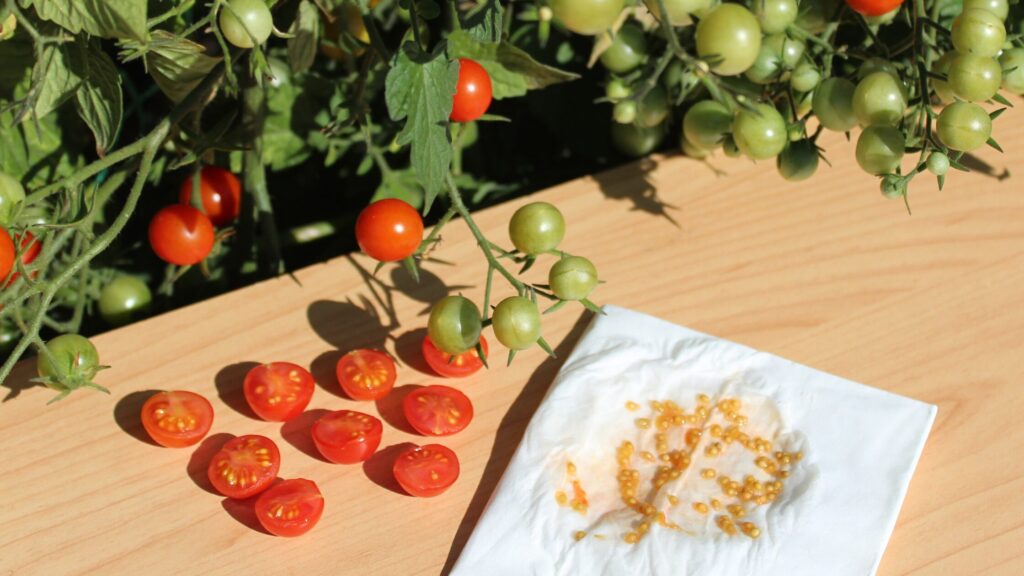
You thought you harvested every bean, but then you detect some of them hidden under some leaves? Don’t worry. Let them hang on the plant until the pod becomes dry and the beans rattle when you shake the pod. Peel them out of the pod, let them dry and store them in a paper bag in a cool and dark place. Congratulations! You’ve successfully grown next year’s harvest!
You can also harvest seeds now from lettuce, peas, celeriac, calendula, marigolds and many more, and here you can learn how to save tomato seeds.
Harvesting seeds from plants that already grew in your garden not only makes you independent from seed companies but also eventually develops plants that are better adapted to your garden’s microclimate.
11. Sowing and planting
✔️ Why it matters: Sowing and planting in August prepare our autumn and winter harvest.
With all that harvesting, we suddenly have a few gaps in our vegetable garden beds. But if you think August is too late to sow and plant anything, think again. Now is the perfect time to lay the foundation for our autumn and winter harvest. So let’s fill up all the gaps with seeds or seedlings. For a quick overview of what to sow now, check the list above or read this comprehensive list of vegetables we can sow and plant in August in our garden beds.
🌿 Gardener’s Tip: Always close gaps in the beds to keep the soil covered and harvest continually.
Sow broad beans
Broad beans are often sown in early spring, but this year, I’ll try sowing them already in August. They’re said to develop plants of 10 – 20 cm (4 – 8 inches) before the frost strikes, overwinter on the patch and produce a considerably earlier harvest the next season. I haven’t any experience with sowing broad beans in August yet, but stay tuned; I’ll keep you updated.
Sow green manure
If you’ve already sown and planted whatever you wanted for a later harvest but still have gaps or even whole patches lying empty, sowing green manure is a good solution. Not only will it cover the soil and keep it from eroding or leaching out, but it’ll also enrich the soil with nutrients, usually nitrogen. In fact, green manure plants like clover or phacelia, for example, build Rhizobiaceae at their roots, where they store nitrogen. When the plant dies in winter, the nitrogen stays in the soil, attached to the roots and is slowly released when it gets warm again in spring.
Read more about plant-based fertilisers in this article.
Frequently Asked Questions About Gardening in August
What vegetables can I still plant in August?
Many fast-growing vegetables can still be sown in August, including Swiss chard, radishes and rocket salad. August is also ideal for succession sowing to extend harvests into autumn.
Can I still start a vegetable garden in August?
Yes. While spring is the traditional planting season, many fast-growing vegetables such as radishes, Asian greens, spinach and Swiss chard can still be sown in August. You can also plant lamb’s ear and other late lettuce varieties like chicory, winter purslane and radicchio.
Should I keep fertilising tomatoes in August?
Continue feeding while the plants are actively producing fruit, but gradually reduce nitrogen-rich fertilisers towards the end of the month so the plant focuses on ripening existing tomatoes.
Should I prune tomato leaves in August?
Yes, remove yellow or diseased leaves and improve airflow around the plants. Avoid removing too many healthy leaves at once since they still feed developing fruit.
How often should I water my garden in August?
Water deeply whenever the soil becomes dry rather than giving plants small amounts every day. Containers and raised beds usually need watering much more frequently.
Can I plant strawberries in August?
Yes. August is one of the best planting times because the plants establish strong roots before winter and often produce an excellent crop the following year.
Should I remove old vegetable plants after harvest?
Yes. Once crops have finished producing, remove diseased plants promptly and compost healthy material. Replant the space with autumn vegetables or green manure whenever possible.
Common August Gardening Mistakes
Mistakes can happen, even when you’re an experienced gardener. To help you prevent them, I’ve listed the most common mistakes:
1. Watering little and often
Frequent shallow watering encourages shallow roots, making plants less drought-tolerant.
2. Forgetting to harvest regularly
Overripe beans, cucumbers and zucchini slow further production.
3. Leaving empty beds bare
Bare soil quickly dries out, and weeds move in.
Always sow another crop or green manure.
4. Continuing heavy fertilising into autumn
Too much nitrogen late in the season encourages leafy growth instead of ripening fruit.
5. Ignoring pests because the season is nearly over
Aphids, powdery mildew, tomato blight and cabbage pests remain active well into late summer.
6. Forgetting to preserve surplus harvest
August abundance disappears surprisingly quickly.
Freeze, ferment, dry or preserve fruits and vegetables while they’re at their peak.
7. Letting weeds go to seed
One neglected week in August can mean thousands of weed seeds for next year.
Focus on:
– Watering, mulching and fertilising actively growing plants
– Harvesting and preserving what’s in season
– Closing gaps in the beds by sowing and planting autumn veggies
Why Gardening in August Matters
Gardening in August is essentially based on three pillars:
- Harvesting and preserving what’s ready now
- Tending for what needs a bit more time
- Setting the foundation for our autumn and winter harvest.
Sometimes it may feel like doing a mad dance between watering, checking for pests, harvesting loadfuls of fresh fruit and preserving them at night in the kitchen. All while it’s still hot outside, but already sensing autumn around the corner.
August is a month of abundance. Learn which garden tasks to prioritise now—from harvesting and preserving to sowing autumn vegetables—so your garden stays productive well into the next season.
It’s busy for us gardeners now, I won’t deny it. But it’s also very rewarding. Not only can we eat fresh produce for every meal if we like, but we can also watch our pantry stock up. Every jar of jam, pickle or ferment, every package of frozen vegetables, every dried bunch of herbs provides for our and our families‘ well-being while at the same time linking us to all those generations before us who did exactly the same.
🌿 Enjoy slow seasonal gardening?
Join my newsletter for monthly garden guidance aligned with nature’s rhythm.
Seasonal inspiration for your garden, kitchen, and home—delivered with care every week.
Can’t get enough of gardening? These articles may also interest you:
Small garden, huge harvest: Maximising your small vegetable garden
Beginner’s Guide to Composting: How to make compost in 8 easy steps
Easy Vegetables for Beginners: 11 Foolproof Crops for Your First Garden in 2025
Browse my garden library for all gardening tutorials.
0 Comments