.
May is one of the best months to sow and plant vegetables.
The arrival of May brings warmer soil, longer days, and the perfect conditions for vegetable gardeners to truly kick their growing season into high gear. As spring firmly establishes itself across most regions, May represents that sweet spot in the gardening calendar—when the threat of frost has largely passed (at least after mid-month) but the scorching heat of summer hasn’t yet arrived. This golden window offers both beginner and experienced gardeners an opportunity to plant a wide variety of vegetables that will flourish in the months ahead.
If you’re short on time, scroll down for a quick planting checklist.
The vegetables you plant in May will form the backbone of your summer harvests, providing fresh, nutritious produce straight from garden to table during the peak growing months.
In this guide, we’ll explore which vegetables thrive when planted in May, how to give them the best start, and how to time your sowings for continuous harvests throughout the summer and into fall. Armed with this knowledge, you’ll be able to maximise your garden’s productivity during one of the most crucial planting months of the year.
Catching up from last month? Here’s what to sow and plant in April.
Vegetables to sow and plant in May (Quick overview)
Here’s a cheatsheet of what you can sow and plant in May:
| Sow indoors | Direct-sow outdoors | Plant outdoors |
|---|---|---|
| leeks brassicas cucumbers pumpkins zucchini | beans carrots radishes lettuce spinach chard corn | tomatoes peppers brassicas onions celery leeks |
🌱 Want gentle monthly reminders of what to sow and plant in the garden? Join here:
Adjusting May planting for your climate
These guidelines apply to most temperate climates in Europe and North America.
My garden here in Bavaria lies in a zone 7b (check out your USDA hardiness zone on this site) where we expect the last night frosts around mid-May.
If you live in a zone below that (6 and lower), you’ll want to add 2 – 3 weeks to that and thus sow and plant later.
If your zone is above that (8 and higher), you can plant several weeks earlier.
These data are based on average values. Please don’t just rely on them but always check your weather forecast before sowing or planting.
Vegetables to Sow Indoors in May
If you’re new to seed-starting, you may want to read up and learn about all the necessary steps and equipment. Let’s have a look at what can be sown indoors in May:
Leek
You can still sow winter leeks indoors in May. I either sow 2 – 3 seeds per small pot, or I take a larger container and sow them in rows that I will be thinning later.
Brassicas
May is a good time to think of our winter harvest. Late brassicas should be sown indoors at this stage of the season so that they are ready to plant out when the first spring vegetables like spinach, peas, or lettuce have been harvested.
You can start these brassicas indoors in May:
- Kale, palm kale and black cabbage (which is also a variety of kale)
- Savoy cabbage
- White and red cabbage (late varieties for making sauerkraut and storing)
- Kohlrabi
- Cauliflower
- Brussels sprouts
Lettuce
It’s good to seed-start lettuce indoors every four weeks. That way, we have a continuous supply of plants and will never run out of fresh lettuce during the growing season. Seeing that temperatures increase, however, we want to choose varieties that like warmer weather, like, for example, iceberg and oak leaf lettuce.
This method of sowing vegetables every 3 – 4 weeks is called succession planting which not only ensures a continuous harvest but also that our beds are always covered.
Cucurbitaceae
If you haven’t seed-started Cucurbitaceae yet, or if you want to have a second batch ready for later planting, you can sow the following plants out indoors now:
- Cucumbers
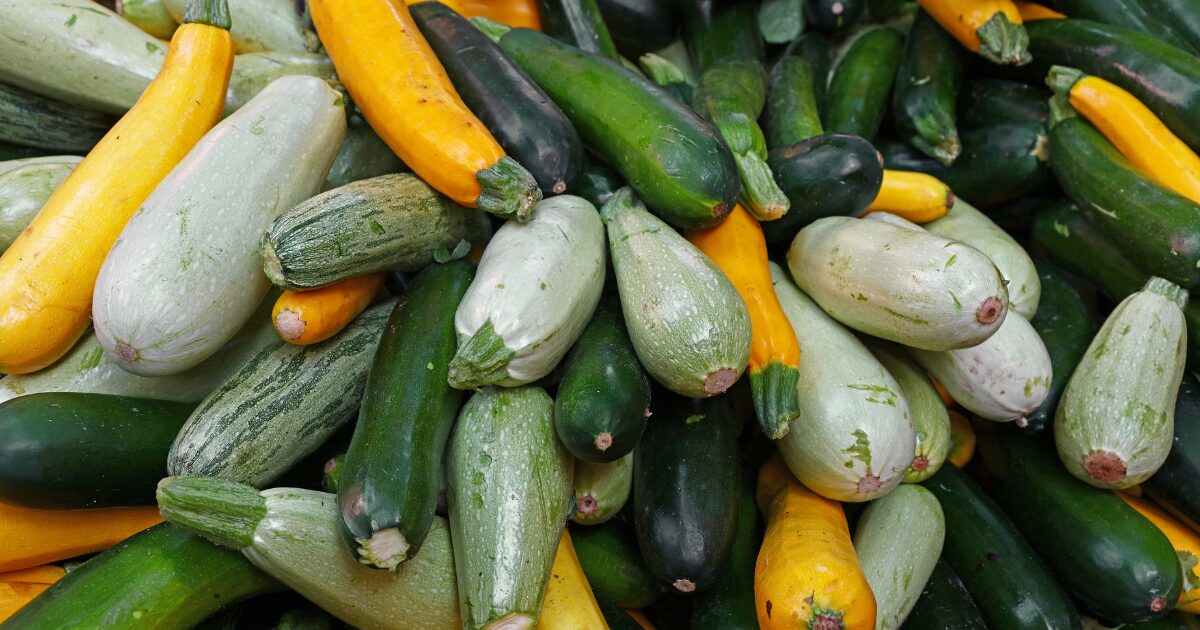
- Zucchini
- Pumpkins
Here, you’ll find a detailed guide on seed-starting cucumbers.
Vegetables to Sow Outdoors in May
Beans
Beans like it warm but as long as no nightly frosts are forecast, it’s safe at this stage of the season to sow bush and climbing beans.
Chicory
Chicory stays on the bed till autumn. Then we’re going to take it out with the roots and proceed to grow it indoors in small batches in the dark. If you want to have chicory in winter, sow it out now.
Carrots
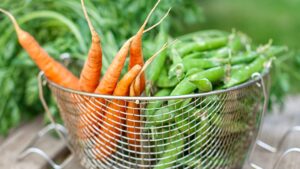
Once temperatures rise, it’s time to sow semi-late varieties. If you have planted onion bulbs in autumn, sow the carrots in the rows between the onions. That way, carrots and onions will protect one another from harmful pests.
Parsnips
May is the last good window for sowing parsnips. They love deep, loose soil where they can grow their long roots.
Radishes
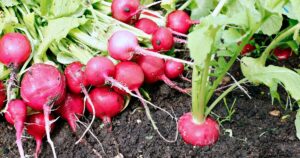
If you have radish varieties that are bolt-resistant, you can sow them how. The early varieties, however, will not work any more as they’ll only produce flowers and seeds now.
Radishes need only a few days to germinate and then not only show us the row but are a yummy vegetable for salads or as a ferment.
Lettuce
We still have some early varieties out that we can harvest, but the lettuce we want to sow in May must be summer-proof, that is, bolt-resistant varieties.
Rocket salad
Rocket salad is one of the easiest crops to grow. Sow it, harvest the leaves, and when you let it bloom, it will spread itself.
Spinach
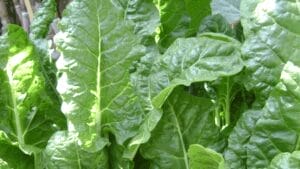
Again, make sure you sow bolt-resistant varieties now.
Swiss chard
can also be sown directly now.
Zucchini, pumpkins and cucumbers
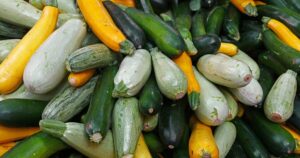
Most of us will have seed-started zucchini and pumpkins indoors and transplant them after the last night frosts, but it’s also possible to sow them directly. You can, in fact, combine both methods, and so have new plants when the older ones might get mildewy.
Learn how to grow, harvest and store pumpkins successfully in this complete guide.
Also, you can read up on how to grow cucumbers from seed in this guide.
Corn
Corn, like many other plants, likes it warm, but you can sow it outdoors 2 – 3 weeks before the last predicted frost date. That way, the plants will only show when it’s safe, and you needn’t fear that they might die from cold.
Vegetables to Plant Outdoors in May
Before we plant anything outdoors, it’s important to harden the seedlings off by gradually exposing them to outdoor temperatures. Start by putting your plants outside for 2 – 3 hours at first and prolong that time over a week before transplanting.
Lettuce
The lettuce that we started in March or April is now ready for transplanting outside. Make sure that the seedlings are not planted too deeply, or they may rot. As a rule of thumb, put them into the soil as deep as they were in the pot.
Brassicas
All brassica seedlings we have started indoors in March, like kohlrabi, early Savoy cabbage and cauliflower, as well as white and red cabbage, can be planted outdoors in May. Leave plenty of space between the seedlings so that you can plant celery in between later. Cabbage and celery are great companions in the patch and repel each other’s pests. Here you can find more great vegetable pals that love to be planted near each other.
Celery / Celeriac
Both vegetables can be safely planted outdoors in May, as I said, ideally in combination with brassicas to keep each other’s pests off.
Leek
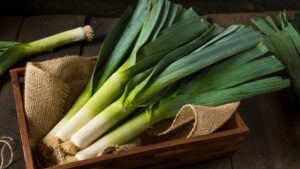
Plant leeks between the cabbage rows. That way, you not only make the best use of space here, seeing that cabbage grows on the ground and leek on the “first floor”, but they also deter pests from one another. For best protection, however, cover them with a pest protection net.
Another possibility to pair leeks is with carrots. As with brassicas and celery, they will keep each other’s pests at bay.
Onions
Whether you’ve seed-started them indoors or bought small bulbs, you can now plant them outdoors.
Zucchini / Pumpkins / Cucumbers
When it’s guaranteed that there will be no more night frosts (in my zone 7b that’s usually around mid-May), it’s safe to plant all the curcubitaceae out. Cucumbers thrive when planted together with nasturtium. Nasturtiums also help attract beneficial insects.
Tomatoes / Peppers / Eggplants
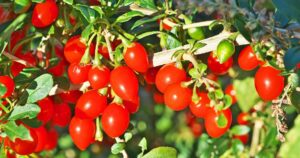
What goes for the cucumber family is also valid for the nightshades: when there will be no more night frosts, you can safely plant them outdoors. When planted together with basil, tomatoes will not only produce more fruit as the basil flowers attract pollinators, but they are also said to taste better.
Frequently Asked Questions About Planting in May
Planting in May raises many questions, especially about timing and frost protection. Here are the most common ones:
What vegetables can I plant in May?
In May, gardeners can plant warm-season and fast-growing vegetables. Popular choices include beans, carrots, lettuce, radishes, spinach, zucchini, pumpkins, cucumbers, tomatoes, and peppers. As soil temperatures rise and frost risk decreases, May becomes one of the most productive planting months of the year.
Is May too late to start a vegetable garden?
May is not too late to start a vegetable garden. Many vegetables grow quickly in warm soil and longer daylight hours. Crops such as beans, salads, zucchini, cucumbers, and herbs establish rapidly when planted in May and can still produce abundant harvests throughout summer.
What seeds should be started indoors in May?
Seeds commonly started indoors in May include leeks, late brassicas like kale and cabbage, cucumbers, pumpkins, and zucchini. Starting seeds indoors allows gardeners to raise strong seedlings that can replace earlier crops and extend harvests into late summer and autumn.
When can I plant tomatoes outside in May?
Tomatoes should be planted outdoors only after the last frost date has passed and nighttime temperatures remain consistently above 10 °C (50 °F). In many temperate regions, this occurs around mid-May. Hardening off seedlings for about one week helps prevent transplant shock.
Can I still plant carrots in May?
Absolutely, the warm soil accelerates germination. Just make sure you choose a later variety that’s suitable for this seed time.
Is May too late to plant potatoes?
Not at all, but I wouldn’t plant late varieties. The risk that frost hits early and before they’re fully ripe is too high. Instead, choose a variety that takes shorter until it can be harvested.
What vegetables grow fastest if planted in May?
Lettuce, rocket salad, a last batch of radishes and spinach are fast-growing vegetables. These crops are perfect for filling empty garden spaces between larger plants. They all have a relatively short time from sowing to harvest and can be easily used as gap fillers.
What flowers should be planted with vegetables?
Certain flowers can repel pests from veggies. Plant nasturtium with cucumbers or marigolds and blooming herbs like basil and thyme with tomatoes.
Do I need to wait until after the last frost in May?
You can sow and plant cool-hardy vegetables before the last frost (here’s a detailed guide about what to sow and plant in April, for example). However, heat-loving vegetables like tomatoes, eggplants, peppers, chillies, cucumbers, zucchini and pumpkins would die under frost. Before you plant them out, temperatures should not fall below 8 °C at night.
What vegetables should not be planted in May?
All vegetables that cannot cope with summer heat, for example
- peas
- early spinach
- cold-season brassicas
Common Gardening Mistakes in May
There are a few things that can be done wrong in the vegetable garden in May. Have a look and then avoid them.
- Planting tomatoes too early: wait until the last night frosts are over
- Forgetting to harden off seedlings: start about a week before you plan to transplant
- Overcrowding beds: check the indications on the seed packages for reference
- Stopping succession sowing: fill gaps in the beds by sowing and planting continuously
May Planting Summary
As we’ve explored, May offers an unparalleled opportunity to set the stage for a bountiful growing season. By carefully selecting what to sow and plant during this pivotal month, you’re not just gardening—you’re investing in months of fresh, homegrown produce and the satisfaction that comes with it. So get out and play in the dirt!
More garden talk? Read on here:
May Magic: Transform your Garden this Month with these 11 tasks
May Reflections: Growth Without Overwhelm
Seed-starting cucumbers: how to get healthy seedlings
For all articles on gardening, browse my garden library.
Missed the last edition of my year-round planting calendar? Here’s what to sow and plant in April.
Looking forward to next month? Read what to sow and plant in June.
0 Comments