.
August brings us an abundance of harvest. Tomatoes, cucumbers, peppers, beans, cauliflower, broccoli and many fruits are ripe now and not only want to be harvested but also preserved for the cold winter months. With all the garden tasks we have to do in August and the work in the kitchen, we can easily forget that what we sow and plant in August lays the foundation for our winter harvest. Preserved food is great, but having fresh produce even when the earth is covered in snow is even better!
What we began in July, we can continue in August: late summer sowing and planting a mixture of cool-season and fast-growing varieties that keep our garden patches covered and are the preparation for a productive garden even in autumn and winter.
While February and March are all about seed-starting indoors, August marks a turning point in the gardening year. By now, most vegetables are best sown directly into the soil, while the seedlings we started in July are ready to move into their final place in the garden.
Quick Reference: What to Sow and Plant in August
Here’s a cheat sheet of what you can sow and plant in August:
| Direct-sow outdoors | Plant outdoors | |
| Lamb’s lettuce | Broccoli | |
| Winter lettuce | Kale | |
| Spinach | Fennel | |
| Radishes | Kohlrabi | |
| Rocket lettuce | Spring onions | |
| Purslane | ||
| Broad beans | ||
| Green manure, e.g. phacelia, buckwheat, winter peas and others |
🌱 Prefer a printable version?
Download the printable August Garden Checklist & Planting Guide to keep beside you while you’re working outdoors.
Vegetables to sow in August directly outdoors
Broad Beans
While it’s too late in August to sow bush and runner beans (they need 8 – 10 weeks to mature), it’s the perfect time to sow broad beans. In fact, sowing them now will give them a head start, and we can harvest them earlier next year.
Prepare the garden patch by weeding it thoroughly and raking it smooth. Then sow the broad beans with a distance of 8 – 10 cm (3 – 4 inches) between plants and about 60 cm (2 feet) between rows. This may sound like a lot, but next May you can sow corn between the broad bean rows, like I did this season. The broad beans had largely finished by then, giving the young corn plenty of light and space.
Spinach
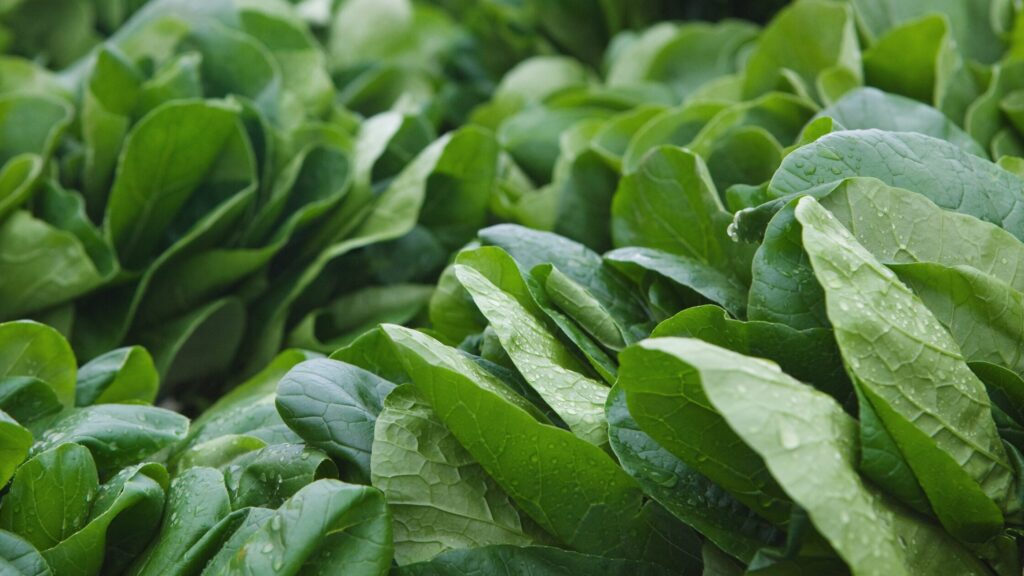
Spinach is always a good gap filler. It grows relatively fast, and it tastes delicious. That said, sow spinach now either in rows or broadcast and harvest as much as you can before the first frost. Spinach germinates best once temperatures begin to cool, making late August one of the best sowing times of the year.
Rocket salad
Now is the last chance this season to sow rocket salad. It’ll grow quickly and doesn’t require much. Just sow it, watch it grow quickly, harvest the leaves and – if it’s still time – let a few plants flower if you’d like it to self-seed naturally. That way, it will spread across your garden.
Radishes
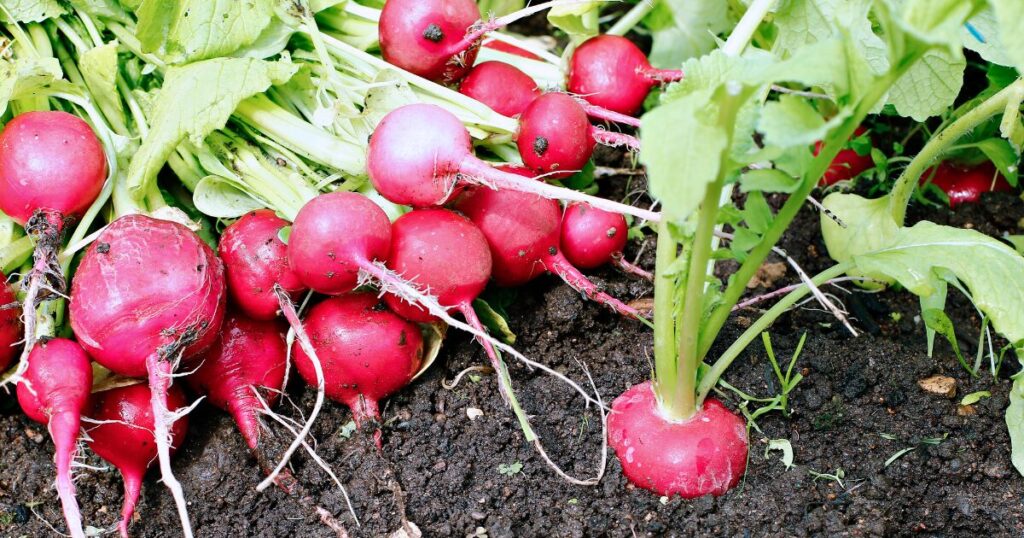
Radishes are one of the quickest vegetables, as they need only about 30 days from sowing to harvest. It’s still advisable to choose bolt-resistant varieties now. August may be late summer, but it can still be hot.
Radishes are great for filling empty spaces in the vegetable patch quickly, and they’re a wonderful addition to a salad or make a great staple as fermented radishes.
When harvest season arrives, you’ll want to know how to preserve all that abundance. My guides to fermenting, freezing, and preserving vegetables cover everything from canning to fermenting.
Lamb’s lettuce
If I had to choose only one vegetable for winter harvest, I’d take lamb’s lettuce. It’s my favourite winter salad. The rich green leaves, their velvety texture and the wonderful taste of nuts make for a perfect winter side or even main dish.
As lamb’s lettuce belongs to the valerian family, so it fits easily into almost any crop rotation.
Sow lamb’s lettuce in late August when temperatures have dropped. Either sow it in rows or just broadcast wherever there’s a gap in the patches, and look forward to all those delicious bowls of winter salad!
Cold-hardy lettuce
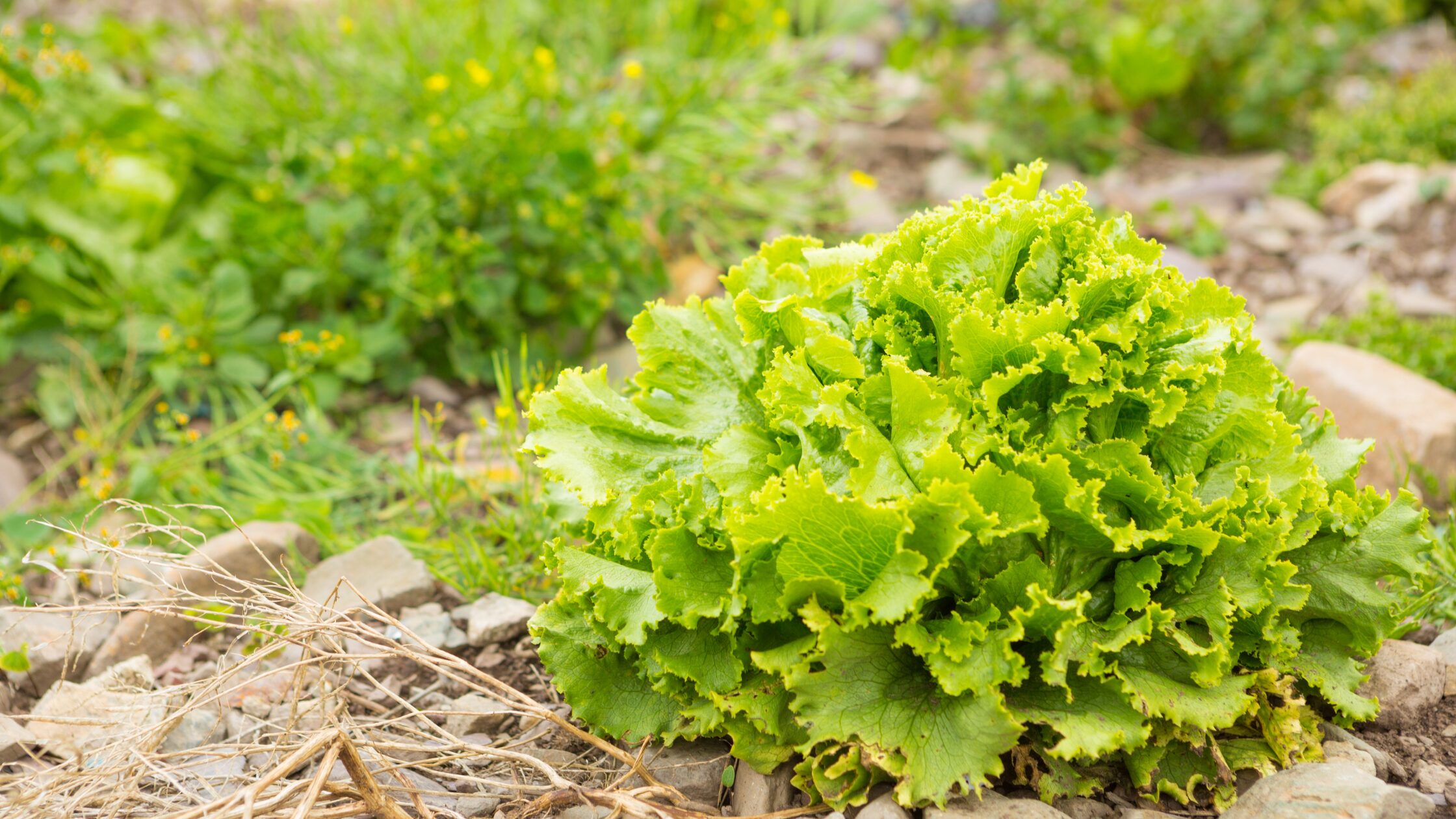
Lamb’s lettuce isn’t the only lettuce we can sow now. In fact, all cold-hardy varieties like romana, winter head lettuce or radicchio can be sown now. With a bit of planning, we can feast on fresh salad throughout the whole winter.
One of my favourite varieties that I sow every year is “Rouge d’Hiver”, but I also like “Bacquieu”.
Green manure
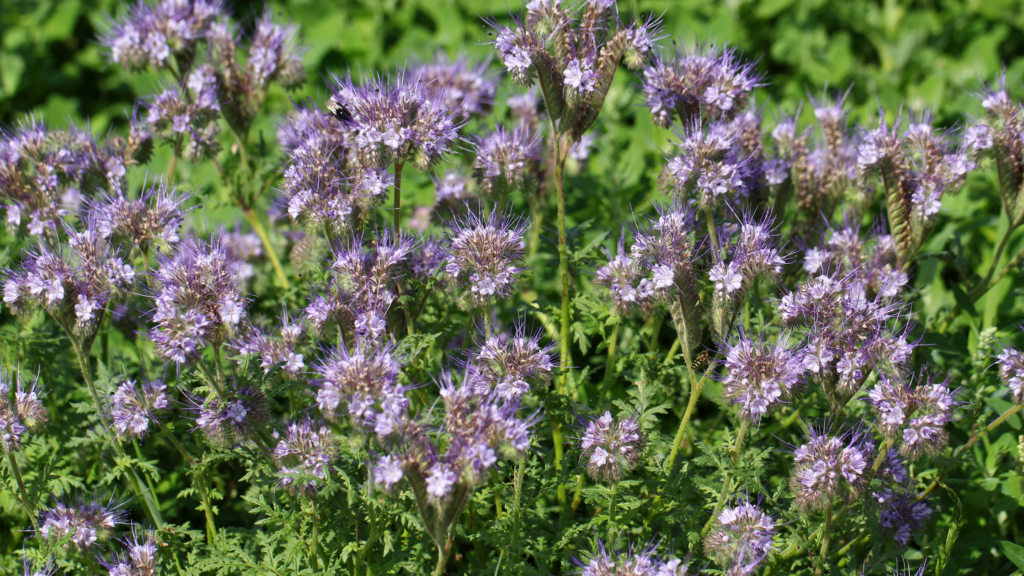
My garden is about 100 square metres (1076 square feet), 130 (1400) if I count the greenhouse as well. I don’t want to cultivate vegetables on the whole area during winter. Yet, I want the soil covered. Partly, I layer it thickly with mulch, and partly I cover it with green manure.
There are different plants you can use as cover crops now, for example, phacelia, buckwheat or winter peas. The plants will reach a good height before the first frost strikes, and sometimes even flower, but, fortunately, won’t have enough time to produce seeds. That way, you won’t have to worry about green manure plants self-sowing in your garden the next season.
Vegetables to Plant Outdoors in August
All vegetables we seed-started indoors or in the greenhouse in July should be planted out now. Remember to harden off the seedlings before transplanting them. For that purpose, put them outside for 2 – 3 hours a day and gradually increase the time over the course of a week. That way, they get used to the conditions outside and get well prepared for your garden.
Brassica
Brassica seedlings we started indoors earlier, such as broccoli, kale, or kohlrabi, should now be planted outdoors in August.
Just make sure you have them properly hardened off, and transplant them on a cloudy day so they don’t get too stressed.
Fennel
Last chance in August to plant the fennel you may have seed-started earlier in July. It should have a good height by now and isn’t prone to as many pests and diseases as spring-started plants. I don’t speak from experience here, as I haven’t had any luck with fennel so far. This year, though, I’ve tried planting it in autumn (that is: in August). I’ll keep you updated on the progress.
Spring onions
If you’ve grown spring onions from seeds (or bought a bunch at the nursery), August is the perfect time to plant them. In spring (as the name indicates), we can harvest the fresh green leaves and chop them into salads, soups or stews.
What Not to Sow in August
Although August is surprisingly productive, some vegetables simply don’t have enough time left to mature before autumn.
Avoid sowing:
- Bush beans
- Runner beans
- Sweet corn
- Pumpkins
- Winter squash
- Zucchini
- Cucumbers
- Melons
- Tomatoes
- Peppers
- Eggplants
Most of these warm-season vegetables need eight to twelve weeks of warm weather. By the time they begin flowering, temperatures and daylight are already declining.
If you’d still like to use the empty space, sow spinach, lamb’s lettuce, rocket or green manure instead.
Frequently Asked Questions
Can I still sow carrots in August?
Yes, but you must choose a late variety that can stand frost.
Can I grow vegetables in August if I missed spring sowing?
Yes, but as it’s already late in the season, choose cold-hardy vegetables like winter lettuce, spinach and radishes. August is a good month to plant and sow for winter harvest.
Should I seed-start indoors in August?
No, it’s too late by now. The plants wouldn’t ripen. Instead, sow directly into the patches or plant what you’ve seed-started earlier.
How late can I sow spinach?
Spinach can usually be sown until early September in mild climates. Late sowings often overwinter and produce an early spring harvest.
Can I sow lettuce in August?
Yes. Choose cold-hardy varieties that tolerate cool temperatures, such as winter lettuce or romaine types.
Which vegetables can survive winter?
Lamb’s lettuce, spinach, kale and many winter lettuces tolerate frost well and continue growing whenever temperatures rise above freezing.
Should I fertilise vegetables planted in August?
Usually not heavily. Too much nitrogen encourages soft growth that is more susceptible to frost. Well-prepared soil and mature compost are usually enough.
Can I still plant herbs in August?
Many perennial herbs can still be planted early in the month, but annual herbs like basil are nearing the end of their season.
General garden tasks in August
Here are some of the most important garden tasks now. For a full list, read my comprehensive guide on garden tasks in August
Water your plants deeply during dry spells. Although August borders on autumn, it can still be rather hot, at least here in Bavaria. If it hasn’t rained for some time, check the garden soil and water your plants if necessary. It’s better to water once a week deeply, instead of daily, but only on the surface.
Add another layer of mulch to your beds, either with grass clippings, straw or shredded leaves. Mulch keeps the soil cooler, reduces evaporation and suppresses weeds during hot weather.
Plant new strawberries or blueberries. They have time to settle and grow stable roots so they can produce already in the next season.
Harvest whatever is ready in your garden. August is still a great time to harvest and dry herbs for later use. If you know what else you can do with herbs, read this article on six ways to preserve herbs.
Preserve everything you can’t eat at once. You may want to try pickled zucchini, for example, one of our favourite summer preserves. Or you tackle the gherkins and either pickle them in a vinegar brine, as well, or you ferment them and make classic fermented gherkins for your pantry.
August Planting Summary
Although August is still quite busy in the garden and kitchen, it also has this air of timelessness and endless days we often remember from our childhood. It’s easy to get lost in thought while picking berries, weeding or just stopping to watch the clouds rolling by and imagining seeing all sorts of things in them. I used to try putting myself back on track whenever I caught myself wool-gathering. Nowadays I just smile and try to grasp that last thought I had before falling out of them and into reality. Sometimes it’s prettier in cloud cuckoo land.
If you feel stressed by all you “must” do, you have my permission to relax. This is the summer we waited for all winter. Grab it and enjoy every minute of it. That doesn’t mean doing nothing, but you could try doing every task intentionally and with all your focus. And if you lose yourself in thoughts while weeding or preparing your vegetables for a cold summer lunch, all the better!
If you’d like to read more about the slower and more reflective side of this season, you may also enjoy my August reflections.
🌿 Enjoy slow seasonal gardening?
Join my newsletter for monthly garden guidance aligned with nature’s rhythm.
Still not enough garden talk? Then these posts may interest you:
Beginner’s guide on how to make a vegetable patch
The beginner’s guide to composting
How to plant, grow and harvest tomatoes in 14 steps
For all things garden, browse my library of gardening posts.
0 Comments