
.
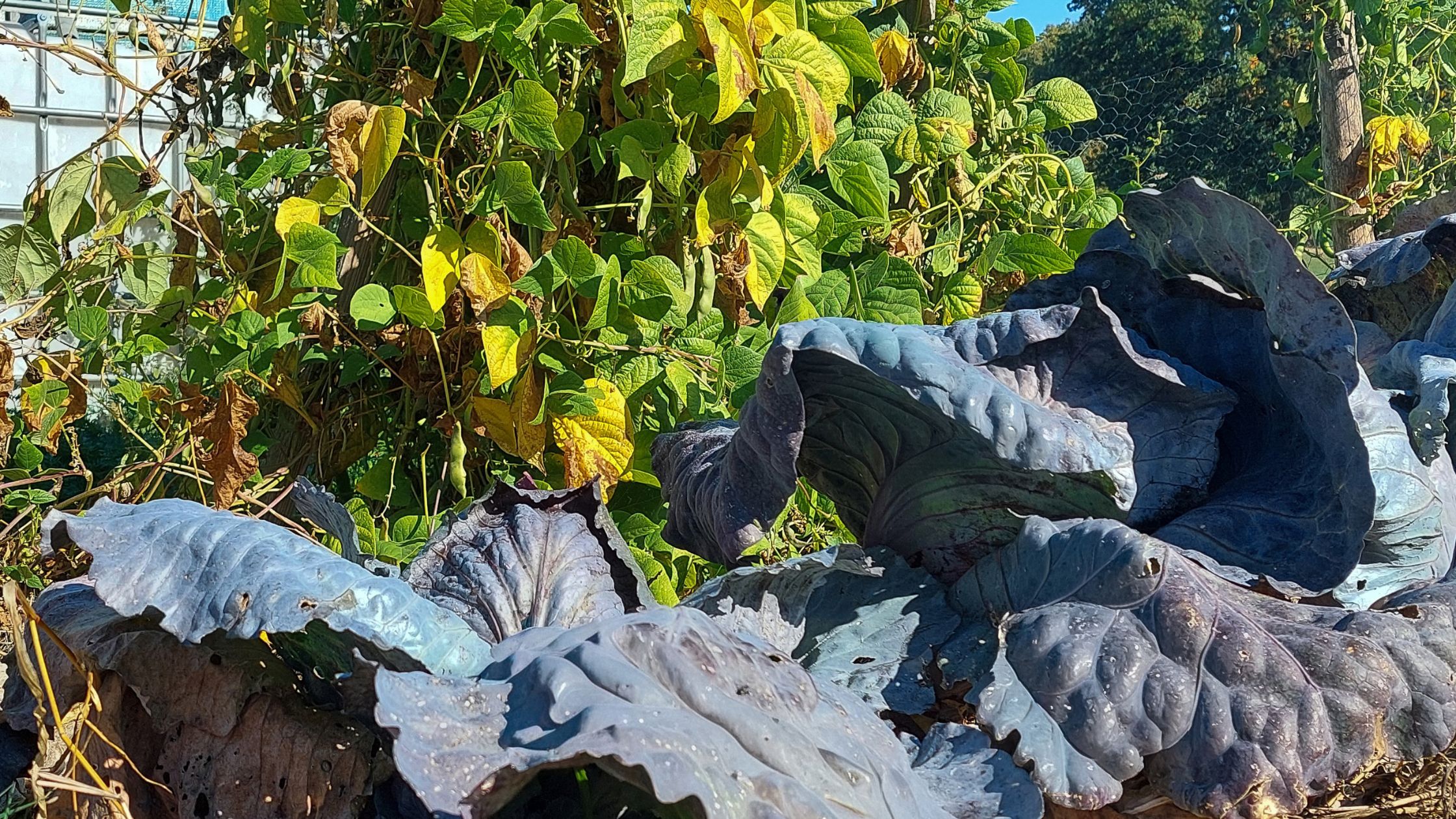
October can still bring sunny, warm days and the proverbial golden autumn. But the first autumn winds are picking up, too, and the weather can quickly turn rainy, chilly and rather unpleasant.
The garden, however, still needs our attention. From harvesting frost-sensitive crops to protecting the soil and preparing for winter, there are several important garden tasks to tackle in October.
Climate note: These October garden tasks are based on my garden in Bavaria (roughly zone 7b) and are generally suitable for temperate climates. Frost dates and sowing conditions vary considerably, so adjust the timing to your local climate and weather.
October Garden Checklist: Essential Tasks at a Glance
If you only have time for a few things, focus on these essential October garden tasks:
- Harvest frost-sensitive crops before frost
- Sow winter greens and plant garlic/onions
- Protect remaining crops from cold
- Weed and cover bare soil with mulch
- Clear finished summer crops
Here’s a quick overview of the most important garden tasks to tackle in October:
| Garden task | Best time in October | Priority |
|---|---|---|
| Sow and plant | Beginning of October | High |
| Harvest | Before first frost | High |
| Protect overwintering crops | Before first frost | High |
| Weeding and mulching | Before first frost | High |
| Remove plants from greenhouse | mid-October | Medium |
| Clean greenhouse | after plants have been removed | High |
| Save seeds | When seeds are ripe | Medium |
| Turn compost | Beginning of October | Medium |
| Empty water containers | Before first frost | High |
Still catching up on late-summer jobs? Have a look at my September garden tasks to see what may still need doing in your garden.
Sow and Plant
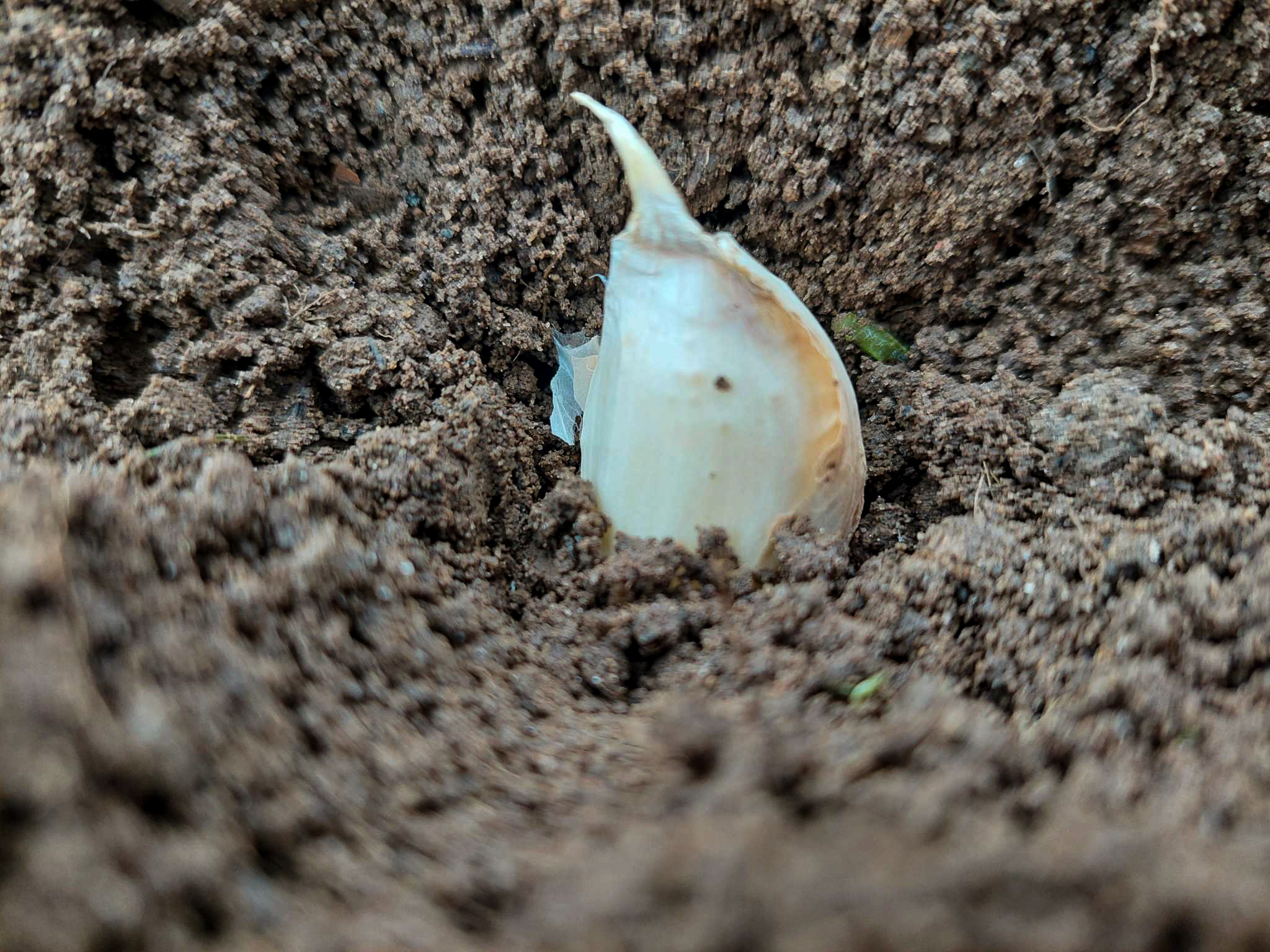
Yes, you read that right. Although the season is galloping toward frosty nights and colder weather, there are still some vegetables we can sow and plant in October, either for a winter harvest or for the next season.
Garlic and overwintering onion sets should be planted now outdoors to give them a head start for the next season.
And you can still sow cold-hardy lettuce, lamb’s lettuce and other greens in October. In my zone 7b, it’s better to sow in the greenhouse as temperatures can already be too low for seeds to germinate. In the greenhouse or cold frame, however, they have enough protection from the cold that they’ll start growing.
In this article, I have included a full list of what you can still sow and plant in October.
Water When Necessary
In a rainy month, this may be overlooked, but vegetables in the greenhouse or cold frame, especially seedlings, may need to be watered. Check your plants twice a week and water them if necessary.
Harvest
Autumn lettuces like endives and radicchio should either be harvested now or protected with a winter fleece from the cold. Although many autumn varieties tolerate some cold, repeated or harder frosts can damage the leaves.
Pumpkins, on the other hand, should definitely be harvested before the first frost. Prolonged exposure to cold temperatures can damage the fruits and reduce their storage life.
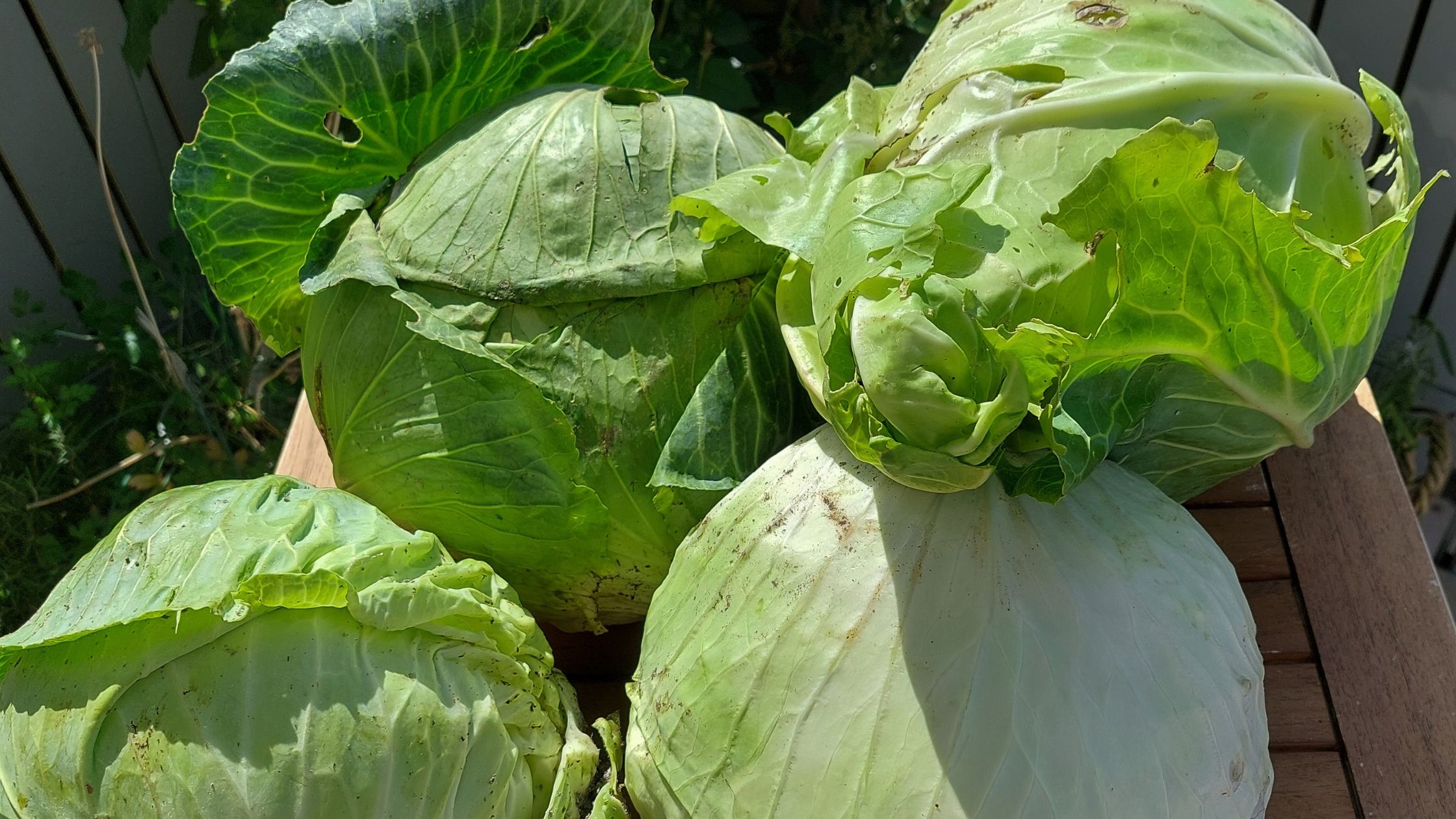
I also harvest white and red cabbage now and make different ferments from them. If you’re new to fermentation, you may want to read this simple guide to lacto-fermented vegetables first.
And if you want to turn some of your cabbage harvest into sauerkraut, my easy homemade sauerkraut recipe will show you how.
Protect Cold-hardy Crops
Tender young plants and leafy vegetables like spinach, cold-hardy lettuce, lamb’s lettuce and other leafy greens should be protected from frost with a protective fleece.
When the weather forecast predicts (night) frosts, I head out to the garden and cover my precious greens with horticultural fleece. Lay it loosely over the plants rather than pulling it tight, and weigh down the edges with stones, boards or branches so that the wind can’t carry it away.
Keep Weeding
I know it’s tempting to let the weeds grow on the bed. After all, whether the soil is covered by weeds or green manure doesn’t make a difference, right?
Unfortunately, it does.
Many weeds continue growing surprisingly well in cool weather.
If you leave them now, they’ll compete with your remaining crops and may set seed or establish strong root systems before spring arrives.
Pull them while they’re still manageable. You can compost most weeds that haven’t gone to seed or — my preferred method — simply leave suitable pulled weeds on the bed as mulch.
Which brings us neatly to the next October garden task.
Mulching
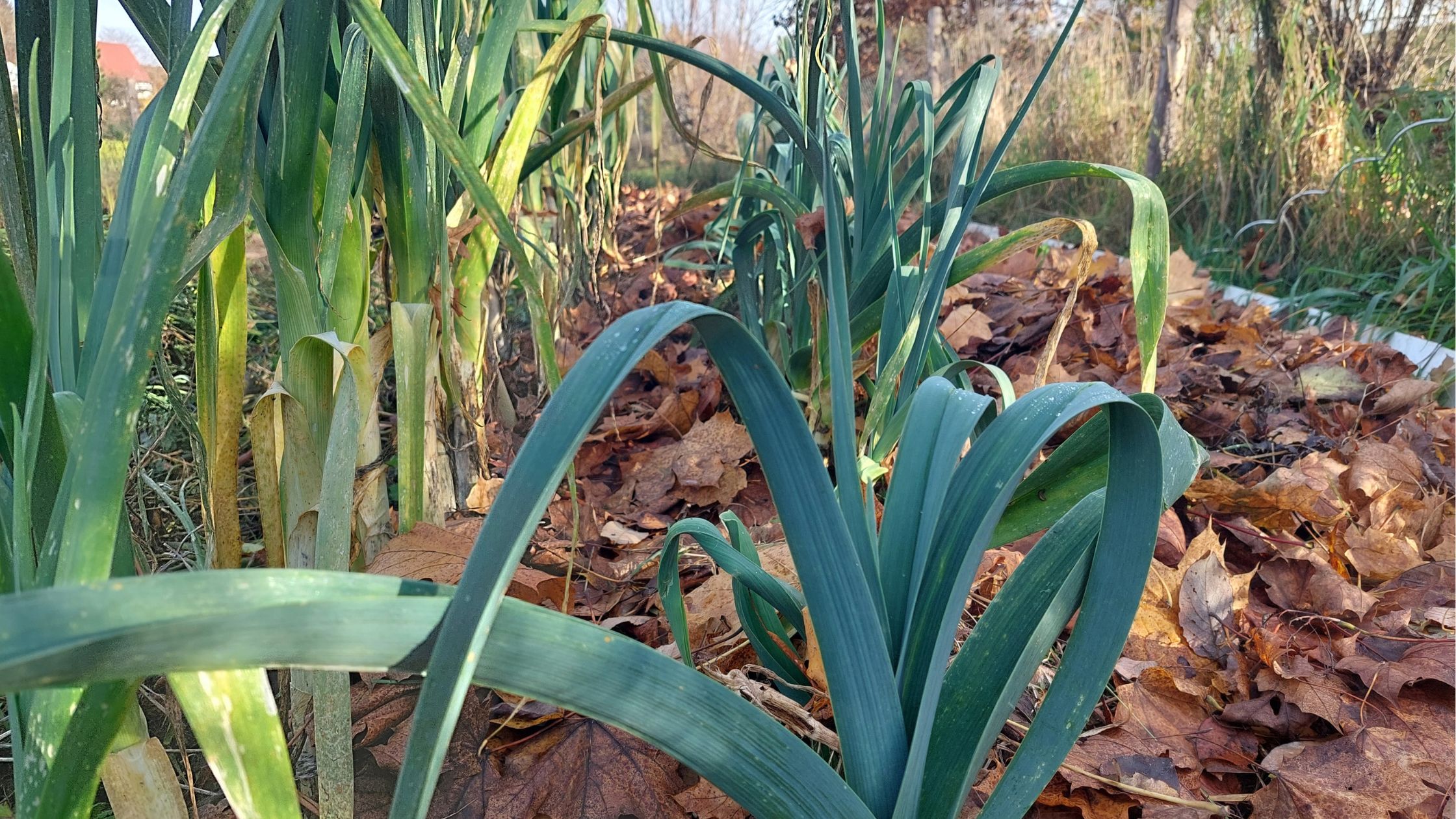
I never like leaving my soil unprotected in winter. Either there are still vegetables growing in a bed, I’ve sown green manure, or I cover the soil with a generous layer of mulch.
Keeping the soil covered helps protect it from heavy autumn and winter rain, reduces erosion and provides food and shelter for soil organisms.
Pulled weeds make perfectly good mulch as long as they haven’t gone to seed and aren’t carrying problematic diseases. Dry grass clippings, straw and partly decomposed compost are other useful materials you may already have around the garden.
Fallen leaves are another valuable source of mulch at this time of year. I use healthy leaves on my beds or add them to a separate pile to break down into leaf mould. If you’re gradually putting your whole garden to bed now, my autumn garden cleanup guide takes you through the process step by step.
There’s no need to make it complicated. The important thing is simply not to leave living soil naked throughout winter.
Want a reminder of what to do in the garden each month?
Get seasonal garden tasks, sowing ideas and practical tips delivered straight to your inbox — so you always know what needs doing next.
Compost Care
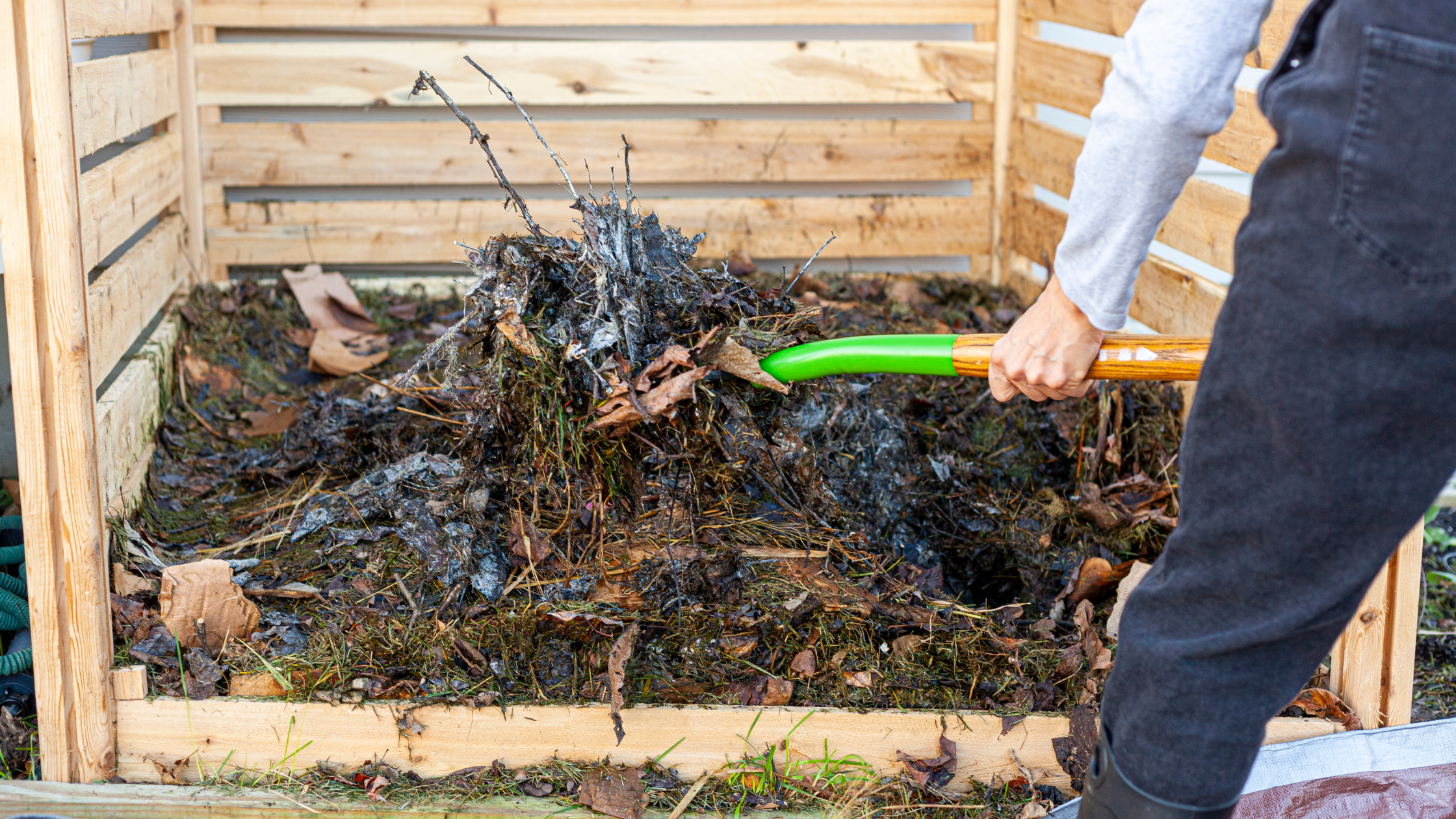
If you have a compost heap, October is a good time to check it and turn it if necessary. Material that hasn’t broken down yet can be mixed with dry “brown” material such as straw or autumn leaves. This helps balance a heap that’s become too wet and prevents dense layers of green material from becoming compacted and soggy.
Mature compost can be spread over empty beds now. I like to loosen compacted soil gently with a digging fork first: simply push the fork into the soil, wiggle it slightly and pull it out again without turning the soil over. Then spread the compost on top and let worms and other soil organisms gradually incorporate it for you.
Lastly, cover the bed with mulch to protect the soil throughout winter.
Remove Tomato Plants
By October, the tomatoes still hanging on my plants are unlikely to ripen properly outdoors. Rather than waiting for cold weather to damage them, I remove the remaining fruits and let suitable mature green tomatoes ripen indoors.
Some years, this means we’re still eating our own tomatoes well into November — occasionally even December.
Once the fruits have been harvested, I remove the plants. Healthy tomato plants can go onto the compost heap. Plants showing signs of serious disease, however, are better kept out of a home compost system if you’re not confident that it gets hot enough to destroy the pathogens.
Clear And Clean The Greenhouse
When all those tomato and pepper plants have been cleared from the greenhouse, it’s time to give it a thorough cleaning, as well. This is especially vital if some plants had diseases. But even if all the plants had been healthy to the last day, I always wash the greenhouse walls inside. You wouldn’t believe how much dirt and plant residue are on the plastic film covering my greenhouse. I usually spray them with diluted soft soap and wash them off with clear water. The remaining soap won’t do any harm to the soil’s microorganisms.
I also clean all stakes I used for tomatoes and peppers thoroughly with a disinfectant. Again, this can help to prevent diseases from spreading.
Two years ago, the dreaded blight found its way into my greenhouse, and by October every single plant in there was infected. I removed every plant part I could find and discharged it in the communal recycling bin. Afterwards, I washed down the greenhouse film with soft soap and disinfected all stakes and tools I had used in there. And lastly, I exchanged the soil. It was a hell of a job to remove all 3 cubic meters of soil from the house, store it on a large film on the meadow, get “new” soil from the garden and finally fill up the garden with the greenhouse soil.
It worked, though. No sign of the blight until today.
Save Seeds For Next Year
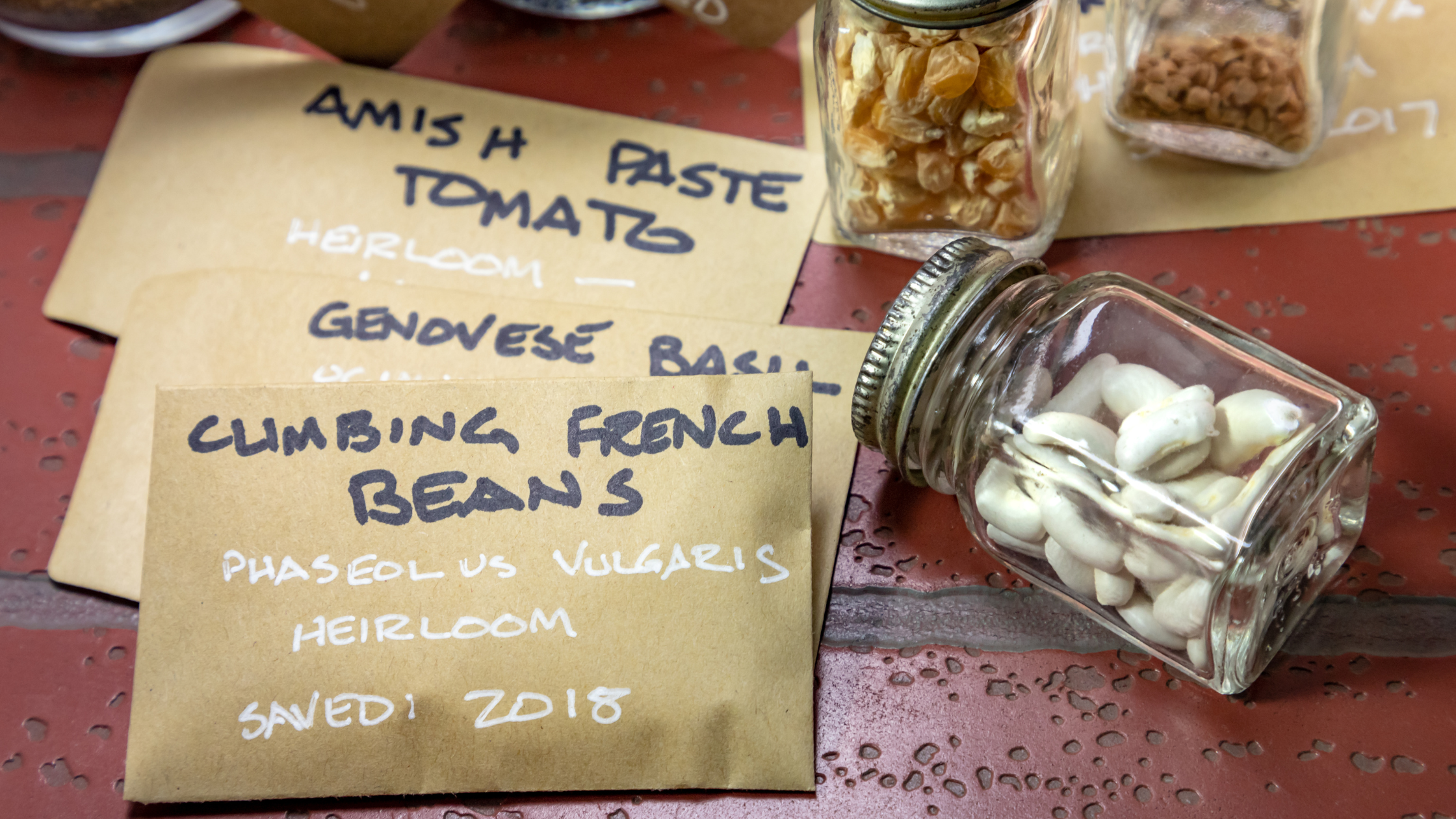
Vegetables aren’t the only things you can harvest in October — it’s also time to collect some of next year’s seeds.
Lettuce plants that were allowed to flower and set seed earlier in the season may now have mature seeds ready to collect. Let them dry thoroughly before storing them in labelled paper envelopes or bags somewhere cool and dry.
You can still save seeds from fully ripe tomatoes, too, although I usually do this in August and September. My guide on how to save tomato seeds takes you through the process step by step.
Seeds from ripe peppers and chillies can also be collected now. Let them dry thoroughly before storing them somewhere cool, dark and dry until it’s time to start them again next year.
Don’t have any chillies growing yet but want to change that next season? My guide to growing peppers and chillies from seed will help you get started.
One important note: saving seed is most reliable from open-pollinated varieties. Seeds collected from F1 hybrids won’t necessarily produce plants identical to their parents.
Empty Watering Equipment
I have a 1,000-litre water tank in my garden that collects rainwater from the greenhouse roof. Before temperatures drop below freezing, I empty the tank and leave the tap open. I also disconnect the downpipe so that rainwater is diverted onto the meadow instead of refilling the tank. Water expands when it freezes and could otherwise damage the container.
The same goes for watering cans and other containers that may still hold water. I empty mine and store them either in the greenhouse or in the basement until they’re needed again.
Create Winter Shelter for Wildlife
While we’re protecting plants and soil, let’s not forget the wildlife that shares our gardens.
Insects, birds, hedgehogs and many other creatures have spent the growing season pollinating flowers, eating pests and contributing to the garden ecosystem. In autumn, one of the best things we can do for them is actually to tidy up a little less.
Leave some flower and herb seed heads standing instead of cutting everything down. Birds can feed on the seeds, while hollow stems and dead plant material provide shelter for insects.
A pile of twigs, branches and leaves tucked into a quiet corner can become valuable winter shelter for insects and other small animals — and perhaps even a hedgehog.
You can also bundle hollow, dry plant stems and leave them in a sheltered spot. Rather than making the garden perfectly tidy for winter, leave a few places deliberately undisturbed.
Sometimes, one of the best October garden tasks is knowing what not to do.
Common Gardening Mistakes in October
October is a month of transition. The growing season isn’t quite over, but winter is getting closer. Here are some common mistakes to avoid when preparing your garden for the colder months.
Leaving frost-sensitive crops outside for too long
It’s tempting to leave pumpkins, tomatoes and other tender crops outside for just a little longer, especially when October brings a few warm and sunny days. Keep an eye on the weather forecast, though. One cold night can damage crops that would otherwise have stored or ripened perfectly well indoors.
Leaving the soil bare over winter
Once a bed is empty, don’t leave the soil exposed to autumn and winter weather. Heavy rain can cause erosion and nutrient loss, while a layer of mulch, green manure or overwintering vegetables protects the soil and supports soil life.
Stopping watering altogether
Cooler weather means plants need less water, but that doesn’t mean they need none at all. Crops growing in a greenhouse or cold frame are protected from autumn rain and can still dry out. Check the soil regularly rather than watering according to a fixed schedule.
Being too thorough with the autumn clean-up
Not everything needs to be cut down and cleared away. Seed heads can provide food for birds, hollow stems shelter insects, and piles of leaves and branches create valuable winter habitat. Remove diseased plant material and anything that causes problems, but leave a few untidy corners for wildlife.
Leaving weeds until spring
Weeds don’t necessarily stop growing just because summer is over. Many continue growing during mild autumn weather and may set seed or develop stronger root systems. Removing them now makes spring considerably easier.
Forgetting about water containers and watering equipment
Water expands when it freezes and can damage water butts, containers, hoses and watering equipment. Empty anything that could be damaged before persistent frosts arrive and store smaller items somewhere protected.
Saving seeds from unsuitable plants
Not every seed is worth saving. Seeds should come from healthy, mature plants, and open-pollinated varieties are the most reliable choice if you want plants similar to their parents next year. Seeds from F1 hybrids may produce very different results.
Frequently Asked Questions About October Garden Tasks
What should I do in the garden in October?
October is mainly about harvesting frost-sensitive crops, protecting vegetables that will remain in the garden, clearing finished plants, weeding and covering bare soil. It’s also a good time to clean the greenhouse, take care of the compost heap, save seeds and prepare watering equipment for freezing temperatures.
What vegetables can I still sow in October?
Depending on your climate, you can still sow cold-hardy crops such as lamb’s lettuce, spinach and winter lettuce. In colder climates, a greenhouse or cold frame provides more reliable conditions for germination and early growth. Garlic and overwintering onion sets can also be planted outdoors for next year’s harvest.
Should I clear my vegetable garden in October?
Not completely. Remove finished or diseased plants and weeds, but leave overwintering vegetables in place. Bare beds can be covered with mulch or green manure. And outside the vegetable beds, consider leaving some seed heads, stems, leaves and branches to provide food and shelter for wildlife.
Should I mulch my vegetable garden in October?
Yes. October is an excellent time to cover empty beds with organic material such as autumn leaves, straw, dry grass clippings, suitable pulled weeds or partly decomposed compost. Mulch protects the soil from heavy winter weather and provides habitat and food for soil organisms.
Do I still need to water my garden in October?
Possibly. Outdoor beds often receive enough autumn rain, but plants in greenhouses and cold frames may still need watering. Newly planted crops can also need water during dry spells. Check the soil before watering rather than assuming that cooler weather means watering is no longer necessary.
When should I protect vegetables from frost?
Keep an eye on your local weather forecast rather than relying on a particular date. When night frosts are expected, protect suitable cold-hardy leafy crops with horticultural fleece and harvest frost-sensitive crops beforehand.
Can I put old vegetable plants on the compost heap?
Healthy plant material can usually be composted. Be more cautious with plants showing signs of disease, particularly if your home compost heap doesn’t reach high temperatures. Diseased material may need to be disposed of separately to reduce the risk of carrying problems into next season.
Is October too late to prepare the garden for winter?
Not at all. October is actually an ideal time to begin preparing the garden for winter. You don’t have to do everything at once: harvest and protect vulnerable crops first, then gradually clear finished plants, cover empty beds and prepare equipment as the weather gets colder.
Follow the seasons with me
Get practical ideas for growing, preserving and making the most of each season — one project at a time.
0 Comments