If you have ever been to Southern Germany, I hope you have tried our Spätzle! If you have, I just know that you loved them. If not, let me explain what we’re talking about here: Spaetzle are a kind of pasta where the raw dough is pressed into boiling water. You can either eat them as a side dish to beef or veggies with sauce or as a main dish, for example, with cheese (“Kässpätzle”), homemade sauerkraut (“Krautspätzle) or herbs.
Here in Southern Germany, spaetzle (which translates as “little sparrows”) is a common traditional dish. Although there are ready-made spaetzle available in the supermarkets here, it’s so easy and way yummier to make them yourself. With this traditional spaetzle recipe, I’ll show you how you can make these yummy egg noodles at home and add a new dish to your collection of recipes.
Pro tips for great Spaetzle
Before we start, I’m going to share some pro tips that will help you create great Spaetzle! After all, when you go to all the length to try a new recipe, you want it to be a success!
Spaetzle recipe: Dough
The recipe for Spaetzle dough is quite simple, actually, as it only consists of flour, eggs, a pinch of salt and water or milk. Use all-purpose wheat flour or spelt flour. You can even take wholemeal wheat or spelt flour, but it requires more liquid.
The basic spaetzle recipe per person is
100 g flour
1 egg
1 pinch of salt
50 ml milk or water
That’s it. Easy, right? You’ll probably have all the ingredients at home already.
Many recipes use water for the dough, but in my opinion, spaetzle taste a lot better when made with milk. This spaetzle recipe, therefore, uses milk. If you don’t want to or can’t consume milk, feel free to substitute it with water.
Spaetzle dough is best made by hand in a large bowl with a wooden spoon. That way, you can feel how thick the dough is and add some liquid to make it thinner or flour to thicken it. You can, of course, also mix the dough with a hand mixer.
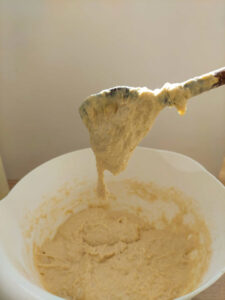
You can tell that the dough is ready when it is thick and falls slowly from the spoon. Now let it rest for about 15 minutes.
Further down in the recipe, you’ll find a detailed description of how to make Spaetzle.
Equipment
It’s easy to mix the Spaetzle dough, but to press it into the water, you have to use either a “Spaetzlehobel” or a kind of ricer with larger holes. If you have neither and just want to try out the recipe, take a sieve with large holes and scrape the dough through with a wooden spoon or a dough scraper. For completeness, let me tell you that you could also flatly spread the dough onto a cutting board and scrape it into the boiling water with the back of a knife. This method, however, requires experience and takes longer. But don’t let me keep you from trying it!
Spaetzle that are pressed through a ricer are long and thin, whereas Spaetzle formed with a “Spaetzlehobel” are short and round (sometimes, those are called “Knoepfle”, which means “buttons”).
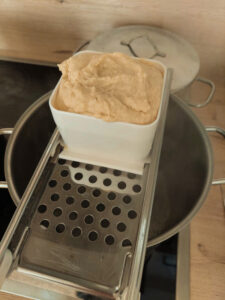
I prefer making our Spaetzle with a Spaetzlehobel. Put the device safely onto the pot, fill in a portion of the dough and move the sledge forward and backwards so that the dough will be scraped through the holes into the water.
How to make Spaetzle
Make sure the water is boiling before you press the dough in portions into it, the Spaetzle won’t be cooked through and become a slimy mass.
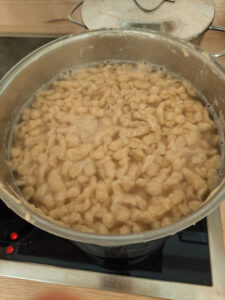
When the Spaetzle are ready, they’ll swim on the surface. It’s okay to make all the Spätzle before straining. The first batch can stand that.
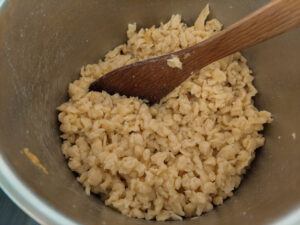
When all the dough is used up and all the Spaetzle are ready take them off with a skimmer or strain them through a colander and shortly rinse with hot or cold water.
Drying
Although Spaetzle are usually used immediately, you can also prepare them several hours up to one day in advance. Either way, it is necessary to dry off excess water or the Spätzle will become doughy and stick together.
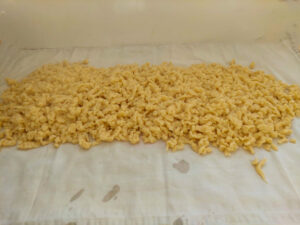
To dry the Spaetzle, put them onto a kitchen towel after straining them and distribute them evenly.
Let them dry for at least 5 minutes.
If you use them later, scrape them off the towel once they’re cool and dry and put them into a plastic container.
How long does raw Spaetzle dough last?
You can, of course, prepare Spaetzle dough and keep it in the fridge for several hours before using it. As it contains raw eggs, however, the raw dough shouldn’t be kept any longer.
It’s better to store the cooked Spaetzle. Dry and cool them as described above, and put them into plastic containers where they will last 2 – 3 days in the fridge.
Angela Braun
Spaetzle - A Traditional Recipe from Southern Germany
Making traditional Spaetzle, a traditional dish from Southern Germany, is easier than you might think and once you've tasted them you'll want to make them time and time again!
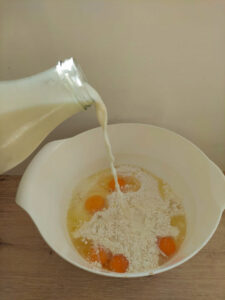
Put the flour, eggs and salt into a bowl. Slowly add the water and mix the ingredients with a wooden spoon or a hand mixer. The dough should be thick and fall slowly from the spoon. You may even observe small bubbles under the surface.
Once the dough is ready, let it rest for about 15 minutes. This time is necessary for the dough to hold together and become more stable.
Heat water in a pot. When it comes to a boil either press the Spaetzle in portions through a Spaetzle ricer or a Spätzlehobel. Make sure that the device is about 2 – 3 cm (1 inch) above the water surface which should only be simmering now. Make all the Spätzle until you’ve used up the whole dough.
Cook the Spaetzle in the open pot until they well up several times and swim on the surface. Depending on the size and amount of Spaetzle this takes 2 – 3 minutes.
When the Spaetzle are cooked, take them out of the pot with a skimmer or strain them through a colander and shortly rinse with hot or cold water.
Place a kitchen towel on your kitchen surface and dump the Spaetzle on it. Distribute them evenly on the towel to let them dry and cool off.
Melt butter in a large pot until it sizzles and brown the Spaetzle gently in the hot butter. Serve immediately.
Spaetzle dough variations
Once you’ve developed your taste for Spaetzle (that is: after the first bite 😉), you can try many different variations of the dough.
Mix finely ground hard cheese, like parmesan, for example or season the dough with spices like paprika or chilli powder. You can also add finely chopped herbs like bear’s garlic or parsley to alter the taste. Or take a mix of curd or sour cream and milk to serve as liquid for the dough.
There are almost no limits to the variations a Spaetzle dough provides.
Left-over Spaetzle
What to do with leftover Spaetzle? As you know, you can keep them in the fridge for a few days, and then you can re-heat them in a pan with hot butter and season with salt, pepper and nutmeg.
Basically, Spaetzle can be treated like pasta or rice as a side dish to beef dishes with sauce, like these beef rolls.
Or you layer them with cheese into a pan, fill in some milk and bake it in the oven for 25 – 30 minutes, which makes for a yummy main dish, called “Kässpätzle” (cheese Spaetzle). Served with fried onions and a salad, that’s a wonderful meal.
Spaetzle wrap-up
Congratulations! You’ve just mastered one of Southern Germany’s most beloved dishes. Now comes the fun part: experimenting with variations. Will you try the cheese version (Käsespätzle) first, or add herbs to the dough? Let me know how your first batch turns out—I remember mine being slightly wonky, but absolutely delicious!
In an ideal world, we would just take the time once to make a planting plan for our vegetable garden and then stick to it for all the years to come. That would be so convenient, wouldn’t it? Alas, it doesn’t work that way. Cultivating the same plants in the same place again and again would leach out the soil over the years and bring little to no harvest. The solution to this problem is to implement a rotational system where crops are planted on a different field every year until they reach that first field again. This concept is what we know as crop rotation.
But crop rotation isn’t just an old farming technique: In a vegetable garden where we intensively cultivate a small(ish) amount of soil for maximum harvest, we also use crop rotation to keep the soil fertile and our plants healthy. In this post, I’ll show you what crop rotation is, how it will help you to get healthier plants, fewer pests and more abundant harvests and how you can integrate it into your garden plan. Let’s dive into everything you need to know about this game-changing practice!
What is crop rotation, and what are its benefits?
Crop rotation is the concept of NOT cultivating the same plants in the same place year after year. That way, we avoid pests and diseases from getting the upper hand. Many pests and diseases specialise in one plant or plant family (see below). By rotating our crops, we keep them at bay and diminish the risk of them getting ground and permanently invading our garden.
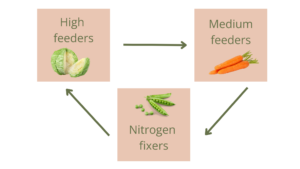
Another benefit of crop rotation is the soil’s nutrient content and thus its fertility. As you know, we can categorise vegetables as heavy, medium and light feeders, that is, plants with high, medium or low nutrient demands. Cultivating cabbage, for example, which is a heavy feeder, for years in a row would leach out the soil fast of the many nutrients cabbage needs to grow healthily.
However, nutrient supply by crop rotation is not as important for vegetable gardening as the disruption of pest and disease cycles. After all, we do add compost and fertilisers to supply nutrients. For the same reason, a fallow where we grow nothing but a cover crop on a bed will not be necessary in vegetable gardening.
Together with companion planting (mixed culture), the use of eco-friendly fertilisers and plant protection, crop rotation is an important pillar for the long-term sustainability of our gardens.
How to use crop rotation in your vegetable garden
First of all, we need to understand the different groups of vegetables. The best way to do so is to either categorise our vegetables by the “family” they belong to or by what we want to harvest from them.
Understanding Plant Families
Plants, like humans, belong to different families. It’s important to know which plants are members of the same family, as they usually show not only similar nutrient needs but also attract the same pests and diseases.
Here’s a short overview of the most common plant families and their requirements:
Family: Poaceae (sweet grass) Vegetables: Corn Nutrient uptake: medium
Understanding plant categories
Apart from plant families, we can also sort our vegetables depending on what we want to harvest from them.
There are five categories:
Category: Leafy vegetables Vegetables: Lettuce, spinach and Swiss chard Nutrient uptake: medium to high
Category: Brassicas Vegetables: Cabbage, Brussels sprouts, kale, broccoli, cauliflower, Savoy cabbage and kohlrabi. Nutrient uptake: high
Category: Fruiting vegetables Vegetables: Tomatoes, zucchini, pumpkins, peppers, eggplants, cucumbers, melons and potatoes Nutrient uptake: high (especially potassium and phosphorus)
Category: Root vegetables Vegetables: Carrots, turnips, parsnips, beetroots, radishes, parsley, onions and garlic Nutrient uptake: medium
Category: Legumes Vegetables: Beans, peas, lentils, chick peas, soy beans and peanuts Nutrient uptake: low; fixes nitrogen into the soil
Crop rotation in practice
With two possibilities of dividing vegetables into groups, we also have two options for planning our crop rotation. But first of all, we need to
Make a garden plan
Before the planting comes a plan. Make a list of all the vegetables you like and want to cultivate. If you’re a fledgling in vegetable gardening, start small and only take a few crops. Then, draw a map of your garden beds, raised beds or containers and divide them into sections for each crop group.
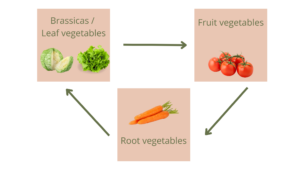
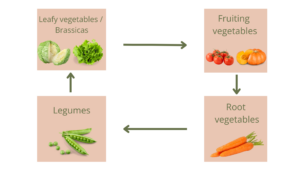
At the beginning of your garden journey, I’d recommend sorting the vegetables by category (leafy veggies + brassicas, fruit bearers, root vegetables and legumes). Divide your vegetable garden into quarters and cultivate one category per quarter.
If you choose to group your vegetables by family, think about how many plants per variety you’ll need and plan the size of the zones accordingly.
Crop Rotation by Category
Legumes have the extraordinary ability to gather nitrogen from the air and fix it in their roots. For that reason, we only cut legumes after harvesting and leave their roots in the soil to enrich it with nitrogen.
Plant leafy vegetables and brassicas after legumes, as they need the nitrogen the legumes have fixed.
Fruiting vegetables follow leafy veggies and brassicas. Fruiting vegetables don’t need as much nitrogen as leafy veggies and brassicas, but rather potassium and phosphorus. Too much nitrogen can even prevent them from producing many fruits. The leafies and brassicas will have consumed enough nitrogen in the season before, so there’ll be no problem on that front.
Plant root vegetables after fruiting vegetables. Root vegetables need even less nitrogen than fruiters. At the same time, they’ll break up the soil which legumes, that you should plant afterwards, love.
Rotating by plant category can be easily implemented. Divide your gardening space into quarters and plant a different category in each quarter. The next year, just rotate by one bed. That way, fruiters are followed by root vegetables. After that, we plant legumes and in the fourth year, leafy vegetables and brassicas.
Crop Rotation by Plant Family
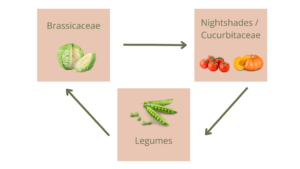
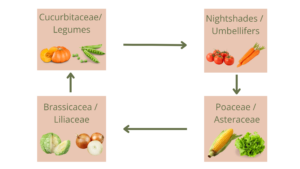
If you want to rotate your vegetables by plant family, you must first look at their nutrient needs. Basically, you plant medium feeders after heavy feeders and then cultivate nitrogen fixers to replenish the soil. This could look as follows:
Brassicaceae (cabbage family) need lots of nitrogen, so they are best planted after legumes, which are nitrogen-fixers.
Root vegetables break up the soil, which makes it great for potatoes and tomatoes that need to grow deep.
Legumes like peas and beans love the loose soil that, for example, potatoes leave behind.
Members of the umbelliferae family, like carrots and parsnips, are light to medium feeders and can follow vegetables of any other group.
Rotating by plant family can be a bit trickier at first, but it also gives you more alternatives to mix your vegetables, especially when it comes to succession planting and follow-up crops.
Nightshades and Umbellifers (tomatoes, pepper, eggplant, etc. and carrots, celery, parsley, etc.) – Poaceae (corn) and Asteraceae (lettuce, salsify) – Brassicaceae (cabbages, radish) and Liliaceae (onions, chives, garlic) – Cucurbitaceae (cucumbers, melons, pumpkins, zucchini) and Legumes (peas, beans)
Crop rotation and succession planting
Most vegetables don’t occupy the garden for the whole season, so we plant fast-growing crops before or after them. This is called succession planting, and we also need to observe the rules of crop rotation here. It’s not good to plant late cauliflower after early broccoli, for example, because, as you know by now, they are from the same family and category and thus have the same nutrient requirements and attract the same pests and diseases. You’ll find more details on succession planting over here.
A cleverly planned succession of vegetables will leave your soil healthy and nutrient-rich, while your plants will benefit from one another and produce a great harvest.
Here are some examples of succession planting that take crop rotation into account:
Plant late cabbage varieties, lettuce or onions after potatoes
Cultivate radishes, lamb’s lettuce, spinach or kohlrabi after broad beans
When you’ve harvested garlic, plant strawberries on that bed or sow broad beans; the year after that, the bed is ready for heavy feeders like cabbage or Cucurbitaceae.
After onions, you can sow endives, radicchio, beetroot, or Swiss chard.
Plant bush beans, spring onions, Swiss chard, spinach or late cabbage varieties after fennel.
How to rotate crops in small gardens
You may only have a small space for vegetable gardening, and that’s okay. In fact, most home gardens are not very large, and that may make it difficult to rotate and effectively space apart different veggies. Nevertheless, you should still try to do it as best as possible to keep pests and diseases at bay and help maintain soil fertility.
Here are a few tips on how to rotate crops in small gardens:
Raised beds
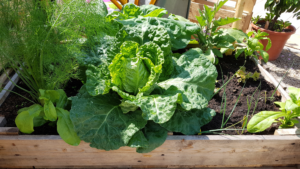
If you have only a small space for gardening, building three to four raised beds may be a good idea. That way, you can rotate your crops according to one of the plans above while having a solid barrier between each area, although they may be close to one another.
Container gardening
Using containers is similar to raised beds, and I especially recommend it for vegetables that are prone to diseases, like tomatoes. Like with raised beds, there is a physical barrier between the containers and the rest of your vegetable garden and the risk of spreading diseases across beds is minimal.
Scattered beds
Who says that all vegetables must be grown in one place? Admittedly, when it comes to watering or harvesting, it’s easier to have all vegetables in the same location, but you can also create “pockets” and grow veggies on beds scattered around your garden. That way, it’s easy to rotate crops and make sure that diseases do not spread.
Advanced Crop Rotation Strategies
Integrating cover crops into your rotation schedule
Cover crops are great for replenishing nutrients while at the same time covering the soil. Cultivating cover crops counts as fallow in the vegetable garden, whether it’s during the whole season or just a part of it. However, cover crops also belong to plant families and can be “siblings” of our veggies. It’s important to know, therefore, who is related to whom to avoid leaching the soil and spreading pests and diseases.
Here is an overview of common cover crops and their family membership:
Family: Legumes Members: Cowpea, red clover, white clover, crimson clover, sun hemp
Family: Brassicaceae Members: Rapeseed, yellow mustard, oilseed radish, field turnip
Make sure to consider these family memberships when planning your crop rotation. For example, don’t grow any cabbages in a bed where brassica cover crops like rapeseed or mustard were grown before. Also, cultivating corn after, for example, winter barley or oats, may be difficult.
Companion planting and crop rotation
Companion planting means planting those vegetables together (that is, alternating or in proximity to each other) that help each other grow better. For example, corn and beans are amazing plant buddies: corn provides a natural support for bean vines to climb, while beans add nitrogen to the soil, which helps corn grow stronger. Another great pair is tomatoes and basil – basil helps keep pesky insects away from tomato plants, acting like a natural bodyguard. If you want to learn more about companion planting, you’ll find a comprehensive guide here.
When we use companion planting within our crop rotation system, we’re basically creating a superhero team of plants. Each plant brings its own special power to the garden. Some plants, like marigolds, can chase away harmful insects, while others, like clover, can improve soil health by adding nutrients. This method is not just smart gardening – it’s a way of working with nature instead of fighting against it, helping to grow healthier crops and take better care of the earth.
Companion Planting in Crop Rotation: Four Strategic Examples
Nitrogen-Fixing Legume Rotation with Heavy Feeders
Rotation Sequence:
Year 1: Plant bush beans or peas (nitrogen-fixing legumes)
Year 2: Follow with heavy-feeding corn or brassicas
Companion Planting Strategy:
Interplant beans with carrots and radishes
Plant pumpkins with corn to cover the soil
Benefits: Beans naturally enrich soil with nitrogen, supporting next year’s nutrient-hungry crops
Brassica and Allium Rotation with Root Crops
Rotation Sequence:
Year 1: Grow cabbage family crops (broccoli, kale, etc.)
Year 2: Plant root crops like carrots and parsnips
Companion Planting Strategy:
Interplant onions and garlic with carrots to deter carrot flies
Use calendula as a trap crop to attract beneficial insects
Benefits: Breaks pest cycles, improves soil structure, reduces disease pressure
Nightshade Family Rotation with Soil-Building Crops
Rotation Sequence:
Year 1: Tomatoes and peppers
Year 2: Cover crops or green manure (like clover or buckwheat)
Companion Planting Strategy:
Plant basil near tomatoes to improve flavour and repel pests
Grow marigolds around nightshades to deter nematodes
Benefits: Restores soil health, interrupts pest and disease cycles
Cucurbit and Herb Companion Rotation
Rotation Sequence:
Year 1: Cucumbers, squash, and melons
Year 2: Grow nitrogen-fixing legumes
Companion Planting Strategy:
Plant dill and nasturtiums with cucumbers
Interplant radishes to deter cucumber beetles
Benefits: Enhances pollination, natural pest control, and soil nutrition improvement
How do you know if your rotation is working?
How would you know if your rotation system is working? Well, first of all, take a close look at your soil. It should have a deep brown to almost black colour, which indicates an increased amount of organic matter and a high nutrient content.
Secondly, track pests and diseases over several seasons and check if they have at least not spread, at best diminished.
The harvest yield, of course, is also a good indicator of whether your rotational system works. A good harvest shows good, rich soil, which will be a result of a well-working crop rotation.
Start crop rotation now!
Implementing crop rotation in your vegetable garden is one of the smartest decisions you can make for long-term gardening success! The guidelines in this post show you what to do to keep your soil healthy, diminish pests and diseases and have a great harvest year after year.
And remember that even small gardens benefit enormously from crop rotation!
Start planning your garden’s crop rotation right now, and I promise you that by this time next year, you’ll be amazed at the difference in its productivity and health! Your soil will be replenished with nutrients, you’ll have healthy plants and above all, you’ll gather an abundant harvest.
Wanna read more about vegetable gardening? Browse my gardening library for step-by-step guides on every aspect of vegetable growing, from planning to harvest.
Hearty German beef rolls, the so-called “Rouladen”, are a popular dish for Sunday lunch or holiday feasts here in Southern Germany. Traditional restaurants have this delicious comfort food on their menus, and although they may seem “vintage”, they are still a big hit.
When my mom made beef rolls – or Rouladen as we call them – I loved to watch her as she worked methodically, spreading mustard over thin slices of beef, tucking in bacon, onions and pickles and then rolling them into neat packages. She had been taught how to do it by her mom, who had it from her mother.
Rouladen aren’t just dinner – they’re history on a plate. Back in the days when times were lean, those beef rolls were a clever solution to transform ordinary ingredients and very thin slices of meat into something spectacular.
Many families have slight variations of the recipe, but these differences are more than just tweaks; they’re family legacies and regional identities.
So, when you slice into a perfectly cooked Roulade, you’re not only enjoying dinner, but you’re participating in a tradition that has nourished generations!
A few weeks ago, my brother slaughtered an ox, and I—like my siblings—got a mix of meat cuts, including beef rolls. Last Sunday, then, when the inevitable question of “What’s for lunch?” came up, I could tell my sons that I’d make Rouladen with Spaetzle. You should have seen how their eyes lit up, and they looked at me like starving men who are offered a feast. My eldest even delayed a trip for several hours so that he could have lunch at home! As if we only had water and bread all year round…
As it was such a hit, today, I’m going to share my variation of Rouladen with you. This simple recipe for classic German beef rolls doesn’t require many ingredients and is easy to make.
Classic Rouladen are really easy to make
Making beef rolls is super simple – a lot simpler than you may think. The most important ingredient is time for chopping vegetables and cooking the meat. But believe me: it’s so worth it! It’s also a great dish to serve guests or to impress the in-laws because, besides it being delicious, you’ll have plenty of time to make everything, including yourself, pretty while the beef is cooking.😉
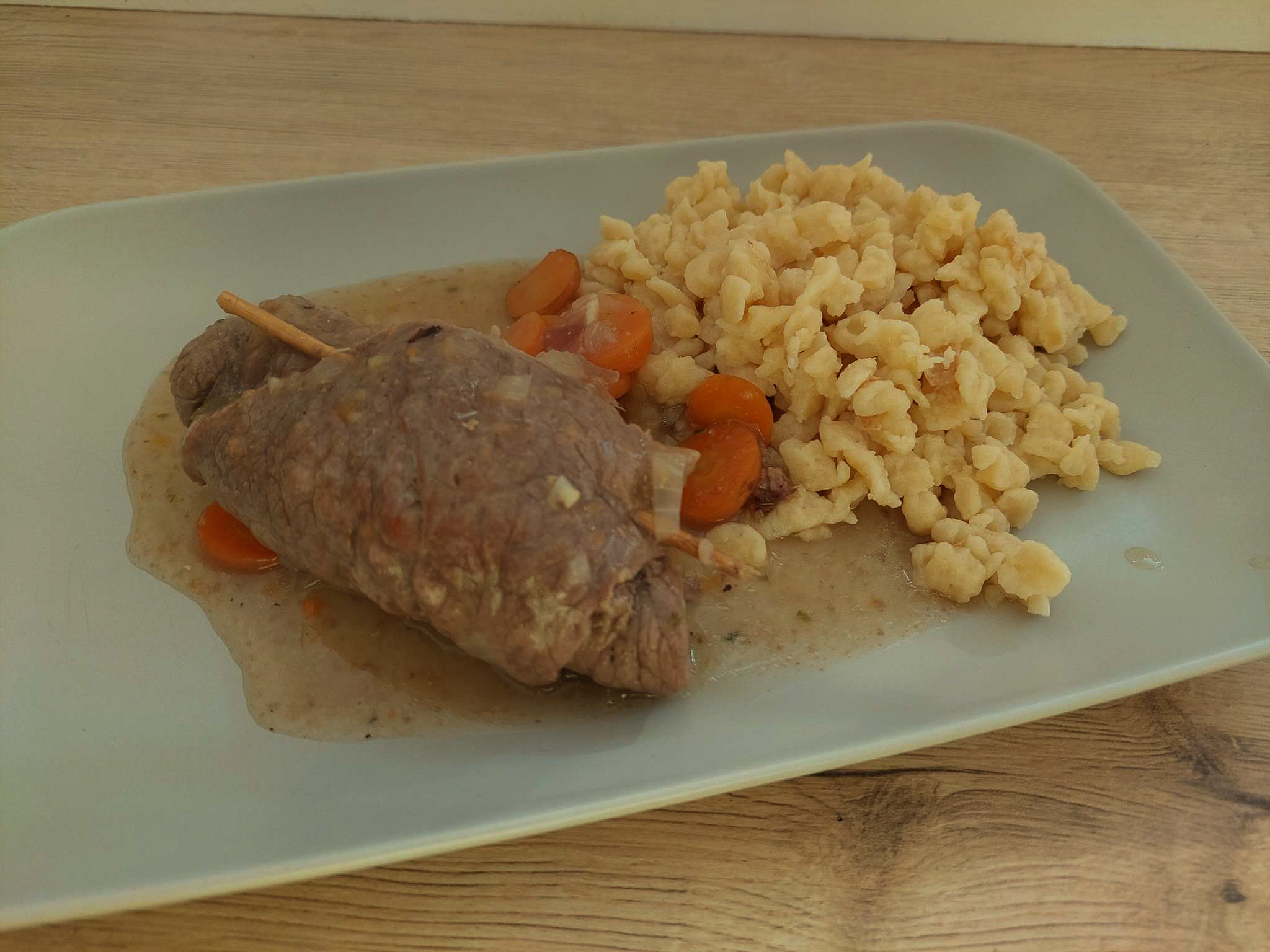
Beef rolls go well with bread dumplings or homemade spaetzle (a kind of Bavarian pasta) as well as mashed potatoes and vegetables.
What you need to know about my beef roll recipe
In some recipes, you get an exact amount of ingredients, but I find that very difficult to work with. After all, the size of the rolls differs from butcher to butcher and depends on which part of the meat they have been cut off. Please bear that in mind when you make this recipe and take more or fewer onions, pickles and mustard. You’ll see for yourself when the filling is too thick to roll.
There are lots of recipe variations, and every family has their own, I think. This is my favourite recipe for classic Bavarian beef rolls.
root vegetables like carrots, celery, parsnips, roughly chopped
1 tbsp tomato puree
¼ l red wine
¼ – ½ l vegetable broth
½ – 1 tbsp flour
Instructions
Carefully flatten the beef slices with a meat tenderiser or by pressing them with a pan.
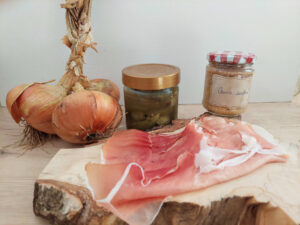
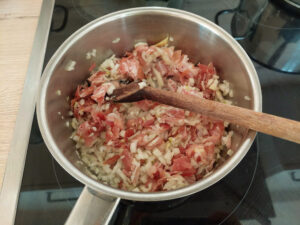
Prepare the filling: finely chop the onions, the bacon or smoked ham and the parsley. Sauté the mixture in a bit of butter or tallow.
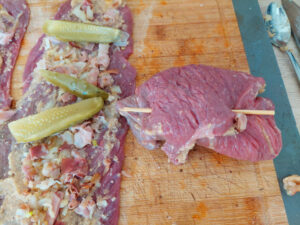
Spread each beef slice thinly with mustard, then with the filling.
Beef rolls in preparation: left with mustard, middle with onions and bacon and right with pickles, ready to be rolled.
Quarter the pickled gherkins lengthwise, or slice small ones in half and put them onto the beef slices.
Roll the filled slices carefully so the filling doesn’t spill out. Close the rolls by binding them with kitchen yarn or by fixing them with a skewer.
Salt and pepper the beef rolls and roll them in flour.
Chop the onion; heat tallow in a large pan or pot and sear the beef rolls until they are browned.
Add the onions, vegetables and tomato puree to the pot and brown them as well.
Deglaze it all with the wine and let it simmer for a few minutes. Then, add the broth and let the whole thing simmer for 1.5 hours (40 minutes if you have loin beef) or 25 – 30 minutes if you stew it in a pressure cooker.
After stewing, remove the rolls from the sauce and blend it with a hand-blender. If the sauce is too thin, mix a tbsp of flour with some water into a thin liquid and add it to the sauce. Bring it to the boil and thus thicken the sauce.
Classic Bavarian Beef Rolls go well together with Bavarian Spätzle (a kind of noodles), pasta, bread dumplings or mashed potatoes as well as steamed vegetables or salad.
German Beef rolls
Hearty German beef rolls, the so-called "Rouladen", are a popular dish for Sunday lunch or holiday feasts here in Southern Germany.
mustard to tastehomemade quince mustard for example
For the filling:
100gbacon or smoked ham
2onions
parsley
2– 4 pickled gherkins
For braising:
40– 50 g fat
1onion
root vegetables like carrotscelery, parsnips, roughly chopped
1tbsptomato puree
¼lred wine
¼ - ½lvegetable broth
½ - 1tbspflour
Equipment
1 Pressure cooker optional
Method
Carefully flatten the beef slices with a meat tenderiser or by pressing them with a pan.
Prepare the filling: finely chop the onions, the bacon or smoked ham and the parsley. Sauté the mixture in a bit of butter or tallow.
Spread each beef slice thinly with mustard, then with the filling.
Quarter the pickled gherkins lengthwise or slice small ones in halves and put them onto the beef slices
Roll the filled slices carefully so the filling doesn’t spill out. Close the rolls by binding them with kitchen yarn or by fixing them with a skewer.
Salt and pepper the beef rolls and roll them in flour.
Chop the onion; heat tallow in a large pan or pot and sear the beef rolls until they are browned.
Add the onions, vegetables and tomato puree to the pot and brown them as well.
Deglaze it all with the wine and let it simmer for a few minutes. Then, add the broth and let the whole thing simmer for 1.5 hours (40 minutes if you have loin beef) or 25 – 30 minutes if you stew it in a pressure cooker.
After stewing, remove the rolls from the sauce and blend it with a hand-blender. If the sauce is too thin, mix a tbsp of flour with some water into a thin liquid and add it to the sauce. Bring it to the boil and thus thicken the sauce.
Notes
Classic Bavarian Beef Rolls go well together with Bavarian Spaetzle (a kind of noodles), pasta, bread dumplings or mashed potatoes as well as steamed vegetables or salad.
There you have it—the Rouladen recipe that’s been warming German hearts (and bellies) for generations. Do you have your own family variation? Maybe your grandmother used a different mustard, or your mom had a secret ingredient? I’d be fascinated to hear how different families make this classic their own.
Looking for a dessert after this feast? Try this one:
Cultivating a vegetable garden is one of the most satisfying occupations in the world! However: sometimes it can be pretty frustrating, especially when you’ve invested a lot of time (and money) and the outcome is a meager – if any- harvest. I know because I’ve been there as well. During my first years in vegetable gardening I made many mistakes. Mistakes you won’t have to repeat as you can profit from what I learned. With the right knowledge, you can sidestep common pitfalls and cultivate a thriving garden that’ll make your neighbours green with envy.
Ready to avoid mistakes? Great! Here comes your shortcut to garden success!
#1 Planning too big
Every year when I browse through seed catalogues I think about enlarging my vegetable gardening space to make room for all the plants and varieties I want to try out. After some time in cloud-cuckoo-land, however, I usually come to my senses and remember that our garden’s size is well manageable now and every square foot larger would make it overwhelming.
Solution:
Especially when you are a beginner, I recommend thinking big but starting small. With growing experience, you can enlarge your garden space step-by-step until you’ve reached the garden size that’s manageable for you.
#2 Choosing the wrong spot
Before creating a vegetable garden you must make sure to pick the perfect spot. The key requirements to be met are
Sunlight: Vegetables need at least 8 hours of sunlight per day. Everything below that time is too shady.
Drainage: Make sure that the spot you choose is not water-logged but has good drainage.
Protection: Your garden should be protected from cold, harsh winds
Solution:
Choose the spot for your vegetable garden wisely. It should be sunny, well-drained and protected from cold winds.
Solution: There are soil test kits available online and in nurseries. Once you know what soil type your garden has, you know what plants will thrive there and what you can do to spruce it up for other vegetables.
#4 Not knowing your hardiness zone
Hardiness zones are determined by the annual minimum temperature of a region, thus telling you what plants will thrive and survive there. Not knowing your hardiness zone may tempt you to grow vegetables outside that will not have enough sun hours and high enough temperatures to mature fully and produce a good harvest.
Another important piece of information you’ll get is the last frost date for your region. After that date, it’s safe to plant sensitive veggies like tomatoes and cucumbers outdoors. Any earlier can kill your plants (see #10)
Solution: Go to plantmaps.com and check out your hardiness zone.
#5 Using the wrong plants
First of all: there is no such thing as “wrong” plants but rather plants not suitable for your hardiness zone. Once you know what zone you live in, you’ll know what plants you can grow in your region
Tempting as it may be to go for sun-loving tomatoes in zone 4, you won’t be happy with the outcome if you plant them outside. The time frame of optimal conditions will simply not be long enough for them to ripen all their fruit.
Solution: Check your hardiness zone and choose your plants accordingly. If necessary, make adjustments like adding a greenhouse or a cold frame to prolong your season and create a better climate for sensitive veggies like tomatoes and peppers if necessary.
Check your hardiness zone and, if necessary, make adjustments l. Alternatively, cultivate sensitive plants in pots and bring them indoors as soon as it gets too inhospitable for them outside.
#6 Sowing/planting in wet and/or cold soil
One year, spring wouldn’t come, and when around mid-April the sun finally started to come out, I was so anxious to make up for the “lost” time that I started to sow into the still-wet and cold soil. Needless to say, it didn’t work to smear the seeds in. Germination was practically zero, and I had to do it again a few weeks later when the soil was finally dry and warm.
Solution: Wait until the soil is sufficiently dry and warm in spring before sowing and planting.
#7 Poor soil preparation
Plants draw nutrients from the soil and to make sure that your garden is thriving next year, you’ll have to prepare your soil to fill it up with nutrients for the upcoming season. Gardeners who neglect this task, will soon have only weak plants with little to no harvest.
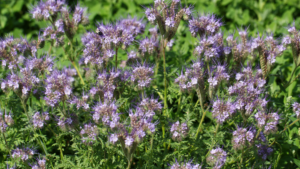
Solution: When everything is harvested in autumn, it’s time to put your garden to sleep under a thick blanket of mulch or green manure like phacelia. This not only protects the soil but adds nutrients when the organic matter decomposes.
Additionally, work in compost or well-rotted manure in spring before you start sowing and planting to further enrich the soil with nutrients.
#8 Poor weeding
Weeds compete with your veggies for nutrients, water and space and believe me: weeds clearly have the advantage! That said, it should go without saying that sowing and planting between weeds will neither make you nor your plants happy.
Solution: I know it’s tedious but your garden beds must be absolutely weed-free before you start sowing and planting. When you cover them with a thick layer of mulch, there won’t be many weeds and this task will be done in no time.
It’s best to weed at the same day you sow and plant. That way, the weeds need some time to start growing again and won’t compete with your vegetables for nutrients.
If you mark the sowing rows, you can weed in between without accidentally ripping out your soon-to-be-growing plants.
#9 Seed-starting too early or too late
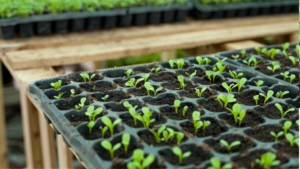
The first sunny days in January and I want to seed-start whatever seeds I’ve got in my storage boxes. But while there are some vegetables you can start as early as January, it would be too early for most of them. Take tomatoes for example. Seed-started in January they would only become leggy and too weak to hold their own weight by mid-May when we can finally plant them outdoors.
If, on the other hand, we seed-start them in April, there won’t be enough time for them to mature and produce a good harvest.
Solution: If in doubt when to seed-start vegetables, check your hardiness zone first and then have a good look at the seed packages where you’ll find the necessary information.
Sunlovers like tomatoes, peppers and eggplants cannot be planted outdoors before the last night frosts are over; otherwise, they will die. Spinach and some lettuce varieties, on the other hand, cannot stand temperatures above a certain degree without producing blooms.
The right timing when planting is equally important as with seed-starting.
Solution: Check your hardiness zone for the last frost dates and either look at seed packages for ideal planting time or ask in your local nursery.
#11 Planting too shallow /too deep
If you plant too shallow, your vegetables will have trouble with rooting and become prone to falling over. Planting too deep, on the other hand, will result in restrained growth and small plants.
Solution: As a rule of thumbs, plant your vegetables as deep as they were in the pots. Exceptions are tomatoes, which you can plant twice as deep as the pot they were in before and bulb celery which you should plant higher than the pot level.
#12 Ignoring spacing
Cabbages should be planted 50 cm (20 inches) apart, but nursery (or seed-started) plants look so small that sometimes we underestimate the space they require when fully grown and plant them too close together.
Solution: As with seed-starting and planting time, you’ll find the ideal spacing for your vegetables on the seed packages. Alternatively, ask in your local nursery.
#13 Not observing crop rotation
I get it: the plan for your vegetable garden has worked out wonderfully and you want to copy it every year. Never change a winning horse, right?
Wrong! Planting the same kind of vegetables in the same place will leach out the soil and result in reduced to no harvest.
Solution: Observe the plant families and rotate your crops every year. Where last year you got strong uptakers (like cabbage or tomatoes), you’ll put plants with low nutrient uptake this year (e.g. beans or peas). Next year, you’ll follow that with medium uptakers like carrots or onions.
#14 Monoculture
If you grow only one sort of vegetable in a bed (yes, that’s monoculture), they are more likely to get diseases or be slaughtered by pests. Mixed culture is the keyword here!
Watering, it seems, is the most favourite task of many gardeners. They water until their plants cry for their life jackets and start singing “My heart will go on”. Plants can drown, too, you know.
Not watering at all, however, is no solution either. Water is what keeps the plants’ metabolism running. If they get not enough water, plants will die.
Solution: Water thoroughly after sowing and planting and then: don’t. Only water again if the soil is really dry and your plants show signs of wilting. That way, they grow deeper roots which makes them sturdier and healthy.
Additionally, cover the soil between the plants with mulch (see next point).
#16 Not using mulch
My granny and my mom prided themselves with their “clean” vegetable gardens where there were only plants and (weed-free) soil. The amount of time it cost, however, to keep this soil weed-free and to water the plants – especially during hot summers – was immense.
In my garden today, the soil is almost always covered in mulch, even in winter. It keeps the weeds at bay, the soil moist and produces compost when it decomposes.
Solution: Mulch your beds thickly as soon as the plants are about 10 cm (4 inches) high. Good mulch material are wood chips, grass clippings, leaves and half-rotted compost.
#17 Improper fertilisation
“The more the better” is not true when it comes to fertilisation. Some plants need many nutrients, others not so many. Some need more nitrogen, while others need a healthy dose of phosphorus and potassium.
Also, the timing of fertilisation is important. Giving too much too soon or all in one dose will result in weak (or even dead) plants.
Solution: Add a healthy dose of organic or mineral fertiliser (for example, well-rotted manure or rock powder) when planting and get acquainted with your vegetables’ needs. Tomatoes, for example, want phosphorus and potassium about 4 – 6 weeks after planting to produce many fruits. When in doubt, rather use less fertiliser.
#18 Not using fencing
As you know, my vegetable garden is situated on a meadow at the outskirts of my village. If I hadn’t installed a (sturdy) fence, the deer, rabbits and even the foxes would eat my produce while the dogs and cats would be happily digging holes and misusing it as a loo.
Solution: Depending on where your garden is, set up a fence to keep off animals.
#19 Not controlling pests
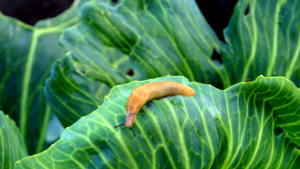
One snail is not the end of the world but have you ever seen just ONE snail? Me neither! When they come, they come in droves like every pest under the sun.
Solution: Regularly check on your garden so that you can intervene at the early stages of a pest invasion and prevent a plague.
Additionally, apply the rules of companion planting to repel certain pests.
#20 Not using pollinators
No fruit without pollinators, right? So make sure you’ve got plenty of those flowers in and around your garden that attract pollinating insects.
Solution: Flowers and herbs like nasturtium, basil and calendula are not only a beautiful sight in your garden but also help attract pollinators for all your fruit vegetables like tomatoes, peppers and cucumbers. Make sure to integrate bloomers in your vegetable garden.
#21 Not pruning
This mostly applies to fruit trees and bushes but also to vegetables like tomatoes. Letting them grow as they like will considerably reduce your harvest.
Solution: Fruit trees and bushes are best pruned in winter while they’re dormant. With fruit trees, cut off all branches that grow downwards, inwards or obstract each other. With fruit shrubs, cut off old branches at soil level. And here is a comprehensive guide on how to grow tomatoes successfully with a detailed explanation on how to prune them.
#22 Harvesting too late
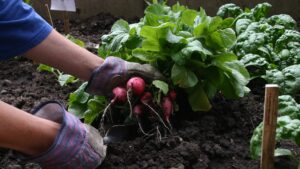
It’s interesting to see how many gardeners hesitate to harvest until it’s (almost) too late. If not harvested at the right time, radishes and kohlrabi will get “woody”, lettuce will suddenly sprout blooms and tomatoes will become mushy.
Solution: Always harvest as soon as your vegetables are ripe. That way, you’ll not only have nutrient-dense vegetables but often will induce your plants to produce more fruit.
#23 Not enjoying gardening
In my opinion, this is the most important point! Don’t get all uptight when it comes to gardening. There will always be something that won’t turn out quite as expected. After all, it’s Mother Nature we are working here with.
So relax and, while trying to do your best, enjoy your garden. Take your time to sit there in the sunshine, admire all that grows, listen to the birds and savour your harvest! Our gardens should always be our happy places.
Want to learn more about gardening?
Browse my complete gardening library for step-by-step guides on every aspect of vegetable growing, from planning to harvest.
Imagine having fresh vegetables from your garden throughout the entire growing season. With succession planting, you can transform your garden from a place with a one-time harvest to a continuous source of fresh produce!
When I started as a new gardener, I was overrun with harvest for a few weeks every season for the first couple of years. We couldn’t possibly eat or preserve everything that was ripe then and the neighbours started changing the roadside when they saw us coming from fear of being forced upon cucumbers or zucchini. Some weeks later, however, the situation was quite the opposite and we had to run to the supermarket to buy all those vegetables we had in abundance a short while before.
It took me a while to figure out how to ensure a continuous harvest throughout the whole season without any “gaps”. With a bit of smart planning, the next year’s harvest was a good deal more satisfying and we had almost no gaps between harvests. Over the years, I improved my planting plan and now I can proudly say that I can continually harvest from spring to late autumn.
The trick is to sow or plant vegetables whenever there is a gap where some other vegetables have been harvested.
I’ve been using these techniques for years, and I’m excited to share how you can maximize your garden’s potential.
Understanding Succession Planting
By cleverly sowing or planting whenever there are gaps in the beds after harvesting, we can ensure a continuous harvest throughout the whole season. This successive planting is called (drumroll, please!): “succession planting”. Apart from a continuous harvest, there are a lot more benefits and advantages of succession planting
Succession planting reduces weeds by constantly keeping the soil covered. Whenever we have harvested one kind of vegetable, we sow or plant right afterwards so that the gaps close fast and weeds don’t stand a chance. It also keeps the soil moist.
With clever planning and observing what plants go well together (i.e. mixed culture), staggered planting guarantees our soil’s health. For example: when we plant legumes like peas or beans which collect nitrogen before or after hungry plants like cabbages or tomatoes, we can ensure that the soil won’t be leached out.
Succession planting also helps control pests and diseases. By avoiding growing large numbers of the same vegetables at once, we create a natural barrier. Besides, different growth stages attract different beneficial insects.
When, due to the weather, pests or disease one crop fails, succession planting is our backup plan and reduces the risk of losing our entire harvest.
By spreading out planting and harvesting times, we prevent an overwhelming workload, either of planting or harvesting. As I told you before, I had this experience when I started gardening. I had lots to do in spring what with sowing and planting and then later with harvesting simply everything at once!
The different methods of succession planting
Succession planting is not only a season-long lettuce harvest. Instead, there are quite a few different methods to do it:
Same-crop succession
This covers the above-mentioned lettuce harvest. By planting the same crop every few weeks, for example lettuce, we ensure a constant harvest of this crop throughout the season. Make sure to always choose a different place for the same crop. Otherwise, the soil will get leached out of nutrients.
Different-crop succession
This means following one crop with a different crop, for example plant tomatoes after early peas.
Interplanting
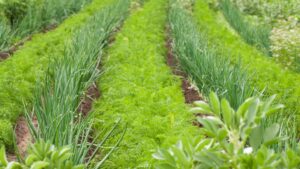
A clever way to make the best use of your space is to plant fast-growing vegetables between slow-growing ones. A good example for interplanting is to cultivate radishes between cabbage plants.
Relay planting
This means starting one crop before the other has finished. A good example of relay planting is the famous “three sisters” bed, where we plant winter squash (harvest in autumn) between corn rows (harvest in late summer).
Temperature-based succession
Some plants like it hot, others thrive in colder temperatures. Choose different varieties of your crops and plant them accordingly by cultivating cold-season crops that are “followed by warm-season crops.”
Catch cropping
No matter how well you plan your vegetable garden, there will always be gaps for a few weeks. In that case, we plant or sow fast-growing vegetables like radishes or spinach to close the gaps and cover the soil until the next main crop can be planted.
Succession planting misconceptions
There are some common misconceptions about succession planting that I want to rectify.
“I need a large garden space”
That’s not true. You can apply succession planting in a raised bed and even in large pots on your patio.
“Succession planting means planting the same crop repeatedly.”
As you can see above, there are different methods of succession planting, same-crop succession being only one of them.
“I need to follow a fixed calendar schedule”
Local climate and weather conditions matter far more than a strict schedule. While not leaving out the calendar completely, it’s more important to watch the weather at your place.
“All plants are suitable for succession planting”
Some main crops like tomatoes and peppers don’t work well with succession planting. Instead, stick to the tried and tested veggies that go well with this concept.
“It’s too complex for beginners”
Definitely not! Even as a fledgling gardener you can apply basic succession planting methods.
“Every planting will show the same results”
Unfortunately: no. Growth rates and harvest yield strongly depend on seasonal changes like temperature, moisture and sun hours.
What do we need for succession planting?
Well, first of all, time. Wait, don’t go yet! The time I’m talking of is mostly spent on planning your vegetable garden and especially what to plant and when. Additionally, it costs a bit of time to sow (indoors or outdoors) or plant every few weeks and regularly monitor for harvest timing.
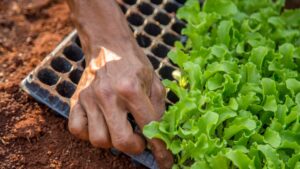
Another thing we need is a continuous supply of seeds or seedlings. You can either seed-start or sow your plants directly or plant seedlings from the nursery into the gaps.
Plants need nutrients, so you have to feed them with compost or other fertilisers.
If you want to extend your season, you’ll need row covers or a cold frame.
Although you have to constantly monitor your garden, the workload is spread throughout the whole season rather than concentrated in spring and fall. This makes gardening more manageable despite requiring consistent attention.
Planning Your Succession Garden
There are a few things you have to observe when planning your succession garden.
First of all, you should make a planting calendar where you indicate when to sow, seed-start and plant what vegetables. Don’t confuse a planting calendar with a planting plan. The first is about timing while the latter is about what veggies you want to plant and where.
The next step is to understand your actual growing season which is determined by frost dates, temperature, daylight hours and microclimate. Your growing season or hardiness zone, indicates the length of time you can grow crops outdoors. Cold frames, winter gardens and greenhouses prolong this growing season. Not sure about your hardiness zone? Find out at this site.
A further important factor to consider is maturity dates, i.e. the time different vegetables need until they can be harvested. This information is usually printed on seed packages or in seed catalogues. If you know, for example, that a certain variety of tomatoes you want to plant needs about 75 days to be harvested, you’ll want to write down when you planted them (for example: May 15th). Then, you can calculate the estimated date of the first harvest, in this case, July 29th. To adjust to local growing conditions, you might want to allow for a wiggle room of 7 – 10 days.
With all that planning, always keep a close eye on how far each of your plants needs to stand from each other. You’ll also find this information on the back of the seed packages or in seed catalogues. I know how tempting it is to reduce the space between plants, especially when they are still young and small. Every gardener has made that mistake at least once. (Some of us more often… ahem). However, vegetables that are planted too close compete for nutrients and space and will stay a good deal smaller than those planted with enough distance from one another.
During the season it’s helpful to keep a record of your gardening. Be it with a software/app or with a traditional handwritten gardening journal, there are a few things that should be covered:
The crops you choose
Crop varieties
Days to maturity
Expected and actual harvest date
Notes on the crops’ performance
Succession intervals
Space planning
This might look something like this:
Crop
Variety
Planting date
Days to maturity
Expected harvest
Actual harvest
Yield
Location
Notes
Feel free to use this chart as an example or create your own and remember to update your chart during the season.
Best Vegetables for Succession Planting
To get a good basis for planning succession planting, we must distinguish between fast-, medium- and slow-growing crops.
Fast-growing crops (30 – 40 days)
Radishes: Plant every 2 weeks March-September
Lettuce: Plant every 2-3 weeks March-September
Arugula: Plant every 2-3 weeks March-September
Baby Spinach: Plant every 2 weeks March-May, August-September
Baby Asian Greens: Plant every 2-3 weeks March-September
Make sure you choose the appropriate variety for the respective season (remember: there are cool- and heat-tolerant varieties!)
Medium-Speed Crops (50 – 60 days)
Bush beans: Sow every three weeks from May to July
Carrots: Sow every three weeks from April to August
Beets: Sow every three weeks from April to August
Kohlrabi: Sow every three weeks from April to August
Slow-Growing Crops (60 + days):
Tomatoes: staggered plantings 2 – 3 weeks apart in spring
Peppers: staggered plantings 2 – 3 weeks apart in spring
Broccoli: Early spring and late summer plantings
Cabbage: Early spring and late summer plantings
Brussels Sprouts: Late spring for fall/winter harvest
Winter Squash: Single planting in late spring
Either grow the Speedy Gonzales veggies between the sloths or let a fast-growing one follow a medium-growing crop.
Season-by-season guide
Depending on your hardiness zone, terms like “early spring” and “late summer” can vary considerably. For that reason, let’s define these seasons by their temperature:
– Early Spring (soil temp 5 – 10 °C / 40-50°F)
– Mid-Spring (soil temp 10 – 15 °C / 50-60°F)
– Late Spring/Early Summer (soil temp 15 – 20 °C / 60-70°F)
– Mid-Summer (soil temp 20 – 30 °C / 70-85°F)
– Late Summer/Early Fall (soil temp 15 – 20 °C / 60-70°F)
– Autumn (soil temp 10 – 15 °C / 50-60°F)
That defined, let’s have a look at exemplary tasks that’ll help you to keep your garden’s soil covered and harvest rolling in continually.
Spring succession tips
Prepare the soil as soon as you can work it without smearing it. Remove the mulch to let the soil warm up. Then, rip out all weeds that may have grown, loosen up the soil with a hoe and work in some compost to add nutrients.
Start with cool-season crops like peas, spinach, radishes, and lettuce in early spring (depending on your hardiness zone). Cold frames and low tunnels allow you to plant and sow a few weeks earlier than normal.
Let carrots, beets and Swiss chard follow in Mid-spring. Continue the succession of lettuce and radishes and plant the first bush beans. Now, it’s also time to seed-start indoors the warm-season crops like tomatoes, eggplants, peppers and so on.
In late spring, when the temperature rises, succession plants more quick-growing greens like lettuce, arugula and radishes every 2 weeks.
Continue the greens succession and plant the last cool-season crops before summer.
Summer planting strategies
When late spring changes into early summer, replace the bolting spring crops with heat-tolerant varieties. It’s also time now to plant, summer squash, cucumbers, tomatoes and peppers and other heat-loving vegetables. Continue to plant herbs and leafy greens every 2 – 3 weeks and seed-start fall crops like broccoli, cabbage and kale indoors. Plant out the last set of cucumbers.
In Mid-summer you can sow quick-maturing crops like bush beans directly into the bed.
By the end of August, you can plant a second round of cool-season vegetables like spinach, arugula and lettuce and sow fall root crops like turnips and radishes. Continually plant short-season crops.
Although it can still be hot, consider the first frost date for your region and choose your vegetables accordingly. It’s best now, to cultivate varieties which take no longer than 30 – 45 days to mature. That way you’ll make sure that they ripen before the first frost hits.
Autumn garden planning
Continue to plant cold-hardy greens and root vegetables, always considering the first frost date. If necessary, you can use row covers to protect your vegetables from cold temperatures and thus extend the growing season.
Plant your last batch of quick-maturing crops like spinach and lettuce by mid-September. Now is also the best time to plant garlic for next year’s harvest.
Sow cover crops in every gap that arises when you have harvested or cover the soil with mulch.
Winter preparations
Protect your perennials, like certain herbs as well as vegetables like leek, kale and winter lettuce with covers from the cold.
Winter is the time for planning next year’s garden and succession planting. If you have recorded your garden year in a journal, you can see what worked well and where you can make improvements next year.
In January, you can seed-start the first vegetables for the upcoming season.
Soil Management
As the soil is always covered with crops that take nutrients out of it, it is our task as gardeners to provide exactly those nutrients. After all, we not only want to maintain our soil’s fertility but also to ensure the healthy growth of our plants.
To do that, we start with working compost into the soil in early spring.
When planting strong uptakers like cabbage or tomatoes, we can add well-rotted manure or compost into the plant hole.
During the season, we need to make sure to add organic or mineral fertiliser to give the plants what they need when they need it.
When we have harvested one crop it’s good to loosen the now uncovered soil and work in some compost, well-rotted manure or another long-term fertiliser before sowing or planting the next crop.
Always keep in mind which plants grow great together (and which don’t) and apply the rules of companion planting. That way, we can prevent soil depletion.
Like in nature, our garden’s soil should always be covered, either by plants or by mulch. The cover not only holds the weeds at bay but also retains moisture and prevents the soil from being washed away by rain.
Advanced Succession Strategies
Beyond the basics, there are some advanced strategies you can use that will make you look like a succession planting pro in no time:
Intercropping Techniques
Plant crops together that complement each other, for example, tall corn and low-growing beans. That way you make the most use of your space, keep pests at bay and improve nutrient cycling
Companion Planting
Companion planting means knowing which crops support each other’s growth and strategically placing them together. The combination of tomatoes and basil or carrots and onions are good examples of companion planting. A clever combination of “best buddies” helps to repel pests, enhances nutrients and supports soil health.
Vertical Gardening Methods
Make the most of your space and let your vegetables grow upwards. You can use trellises, for example, where cucumbers, pole beans or winter squash can climb. Or you try hanging pots from carport ceilings or patio canopies and plant them with vegetables. On your balcony or patio, you can also use wall-mounted planters or buy stackable growing systems. Vertical gardening is ideal for small spaces.
Season Extension
With cold frames or a greenhouse, you can extend your region’s growing period. You can sow and plant weeks earlier than outdoors and, depending on your hardiness zone, ensure a year-round harvest, if necessary with a bit of additional protection.
Especially for the first crops outdoors, row covers are a game-changer. They protect the seedlings from harsh weather and temperature variations. Hoop houses create a microclimate that’s beneficial for growing and great for keeping pests out.
Microclimate Creation
With a bit of clever planning, you can create a beneficial microclimate in your garden and thus manipulate your local growing conditions in your favour! My garden, for example, has a slight slope. To prevent the soil from being washed off, I have created the beds at a 90 ° angle to the slope. That way, water is kept longer at the beds’ edges and has more time to seep in.
It’s important to place your plants strategically to create a good microclimate. Large or climbing plants, like corn or pole beans, should be planted at the back of the garden so that they don’t cast a shadow on other plants.
Or you use them as a wind-breaker to protect other, more sensitive plants from harsh winds. A side effect may be the retention of warmth that benefits heat-loving plants like tomatoes and peppers.
Succession in Small Spaces
Gardening in containers is no reason to give up on succession planting. On the contrary: what works in a garden works in containers as well. However, given that we only have a limited amount of soil in containers, fertilising is more important to keep the soil nutritious enough to ensure the healthy growth of your vegetables. Also, use smaller varieties that are better for being grown in containers, like dwarf plant varieties. As with a garden, make a planting and a growing plan.
Succession Planting Wrap-up
You see: a good succession planting strategy can easily provide you with fresh produce during the whole growing season. Just observe the following points:
To get started with succession planting, begin small by focusing on quick-growing crops like lettuce, radishes, and bush beans.
Keep a calendar to track planting dates and expected harvest times, taking into consideration your hardiness zone.
Make sure that you’ve always new crops ready to replace any gaps where plants have been harvested.
Match the crops to the seasonal temperature ranges. Make sure to plant cold-hardy veggies in spring and late summer and heat-loving ones in late spring / early summer.
Maintain your soil’s health by working in compost in late winter and spring, fertilising according to your plants’ needs during the growing season and making sure that the soil is continually covered through successive planting.
Start planning your succession schedule now, and you’ll be amazed at how much food you can grow in even a modest garden space.