
.
October is the time of pumpkins, cold nights and shorter days. Many of our vegetables that have produced fruit abundantly throughout summer slow down or stop growing now, and the fruit they’re still bearing won’t have a chance to ripen. You see, one of the main garden tasks in October is harvesting what’s still there and preparing our gardens for winter. But if you think that the time for sowing is over now, think again. There are still several vegetables we can (and must!) sow and plant in October – either for winter harvest or to prepare for the next season.
Quick reference: What to sow and plant in October
Here’s a cheat sheet of what you can sow and plant in October:
| Vegetable | Outdoors | Greenhouse / Cold frame | Harvest |
|---|---|---|---|
| Spinach | Early October, hardy varieties | Yes | Late autumn / early spring |
| Winter lettuce | Only with protection / mild areas | Yes | Winter / early spring |
| Winter cress | Yes, depending on conditions | Yes | Winter / spring |
| Asian salad leaves | With protection | Yes | Autumn / winter |
| Lamb's lettuce | Rather late outdoors | Yes | Winter / early spring |
| Green manure | Yes | -- | Soil protection |
| Garlic | Plant outdoors | Summer | |
| Overwintering onions | Plant outdoors | -- | Early summer |
Climate note: October looks very different depending on where you garden. In my zone 7b garden in southern Germany, early October can still be mild, but frost is increasingly likely as the month progresses. In warmer climates, you may still be able to sow some of these vegetables outdoors, while gardeners in colder regions will need to move under cover sooner.
With daylight declining by the, well, day, plants grow much more slowly now. Temperature is another important factor: while October days can still be surprisingly warm, nights are increasingly chilly, and the first frosts may arrive.
Want to know what to do in the garden each month?
Join the Seasonal Simple Life newsletter for seasonal growing, preserving and cooking ideas — delivered straight to your inbox.
Vegetables to Sow in October
Spinach
Spinach is wonderfully undemanding once established. Just make sure to choose a cold-hardy variety and sow it in rows.
In my garden, I still sow hardy spinach into gaps in early October, especially after harvesting crops such as beetroot, carrots or cabbage. Later in the month, however, I prefer sowing it in the greenhouse or cold frame. With the added protection against low temperatures, you can harvest spinach growing there even when temperatures drop below freezing.
Cold-hardy Lettuce
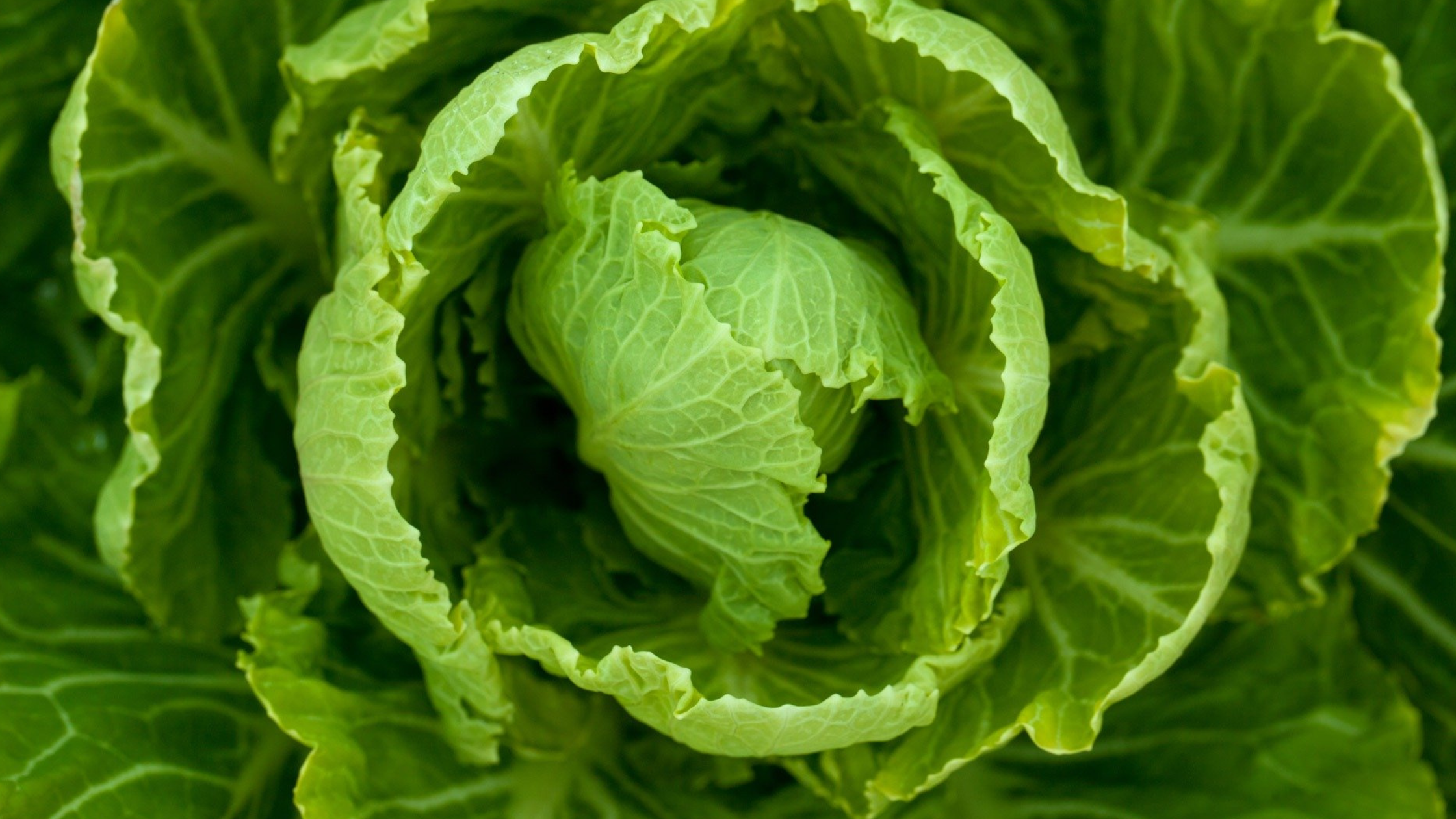
You can still sow cold-hardy winter lettuce in October, although in my climate I prefer to grow it in the greenhouse or cold frame now. It won’t grow into large heads anymore, though. Instead, I sow it more closely than I would for full heads, leaving about 10 cm (4 inches) between plants. That way, it will grow more tightly together, and I can harvest the outer leaves, just like a cut-and-come-again salad.
Winter cress
Winter cress tastes similar to the cress we often grow on the window sills in spring, and I love it in stews or as an addition to salad. It’s not the same plant as spring cress, though, so don’t simply use the familiar cress we sow indoors.
Sow winter cress now in the greenhouse or cold frame, so that you can harvest it during winter.
Asian greens
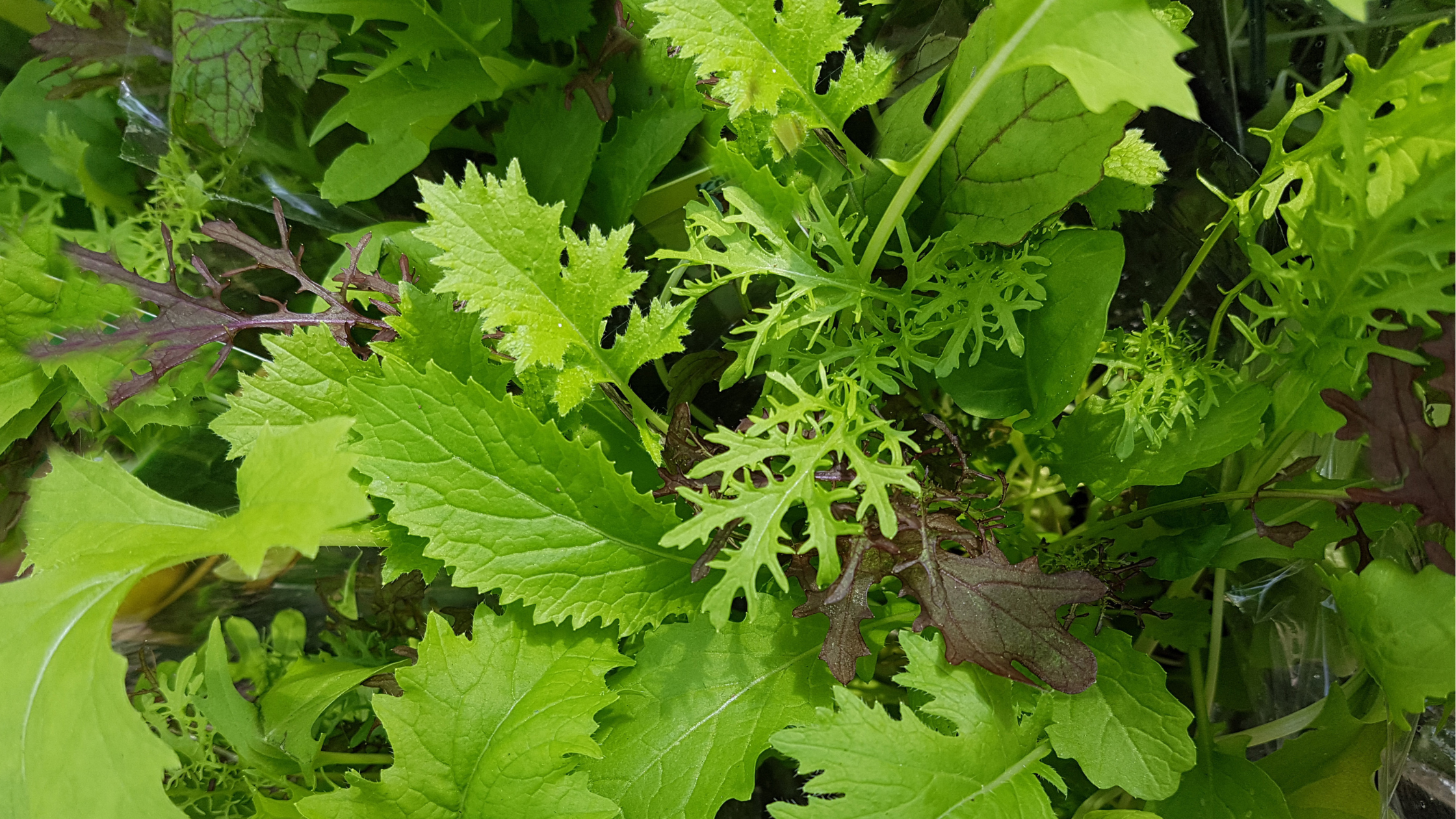
If you like salad leaves with a little more heat, you’ll probably enjoy Asian salad greens. Mizuna, mibuna and various mustards are good options. Besides their spicy taste, they also add some colour to your salad bowl, as many Asian greens have red and/or intricately shaped leaves.
Sow them like cut-and-come-again salad in rows with about 10 cm (4 inches) between the plants.
Lamb’s lettuce
In my climate, October is generally too late to sow lamb’s lettuce outdoors reliably, but I still sow it in the greenhouse or cold frame. With the additional protection from cold temperatures, it still has time to germinate and grow, and you can harvest it even when there’s snow outside.
Green manure
In my garden, I don’t want to cover every inch with vegetables during the winter. On the other hand, the soil should never lie bare either. A good method to make sure it’s covered is by sowing green manure wherever there are gaps in the beds. Good varieties you can still sow in October are grazing rye and winter field beans.
Unlike many vegetables, these crops aren’t grown primarily for harvest. They protect bare soil from erosion and nutrient loss over winter, while their roots help maintain soil structure.
What to Plant in October
While it may sound unusual, you can still plant in October. Not much, admittedly, but now is the optimal time to plant garlic and overwintering onions.
Garlic
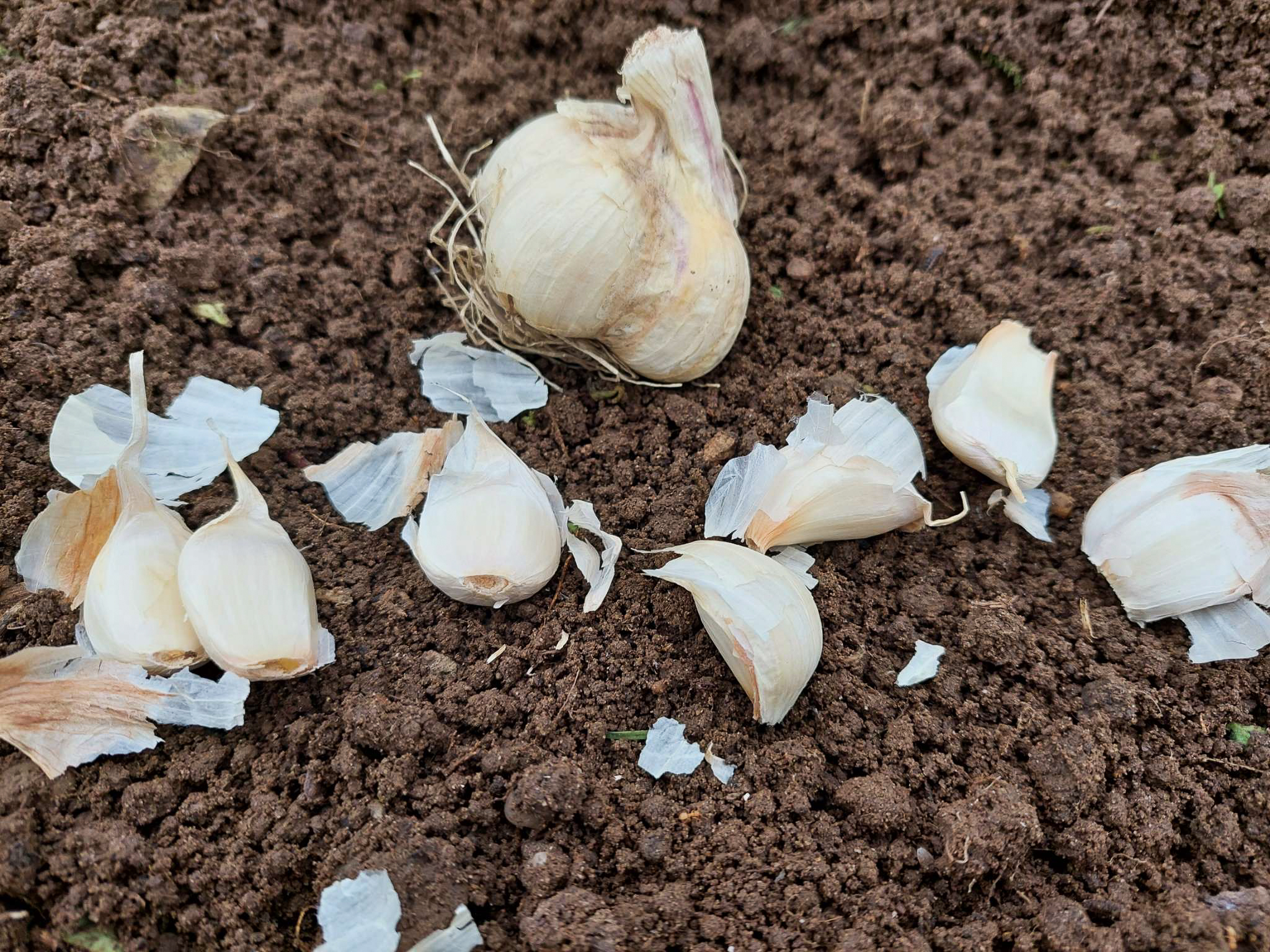
Break up the bulb so that you get out the single cloves.
Choose garlic bulbs that have ideally been cultivated near where you live. That way, you can be sure that the plants are adapted to your climate. I mostly use garlic bulbs I’ve grown myself. After the harvest, I set aside some bulbs with large cloves for October planting.
Break open the bulbs and remove the cloves. Put them into the soil with the pointed end facing upwards, cover them with soil and water them. Once they’ve sprouted, I cover the plants with mulch and “forget” them until next spring. In my detailed guide on how to grow garlic, you’ll find the process described in detail.
Garlic planted in October is usually ready to harvest the following summer — in my garden, that’s typically in July.
Onions
Like garlic, overwintering onion varieties can also be planted in autumn. Make sure you buy autumn-planting onion sets, as summer varieties won’t survive the winter outdoors.
Plant the onion sets into the bed (pointy end upwards) and cover them with soil. When the shoots are about 10 cm (4 inches), I cover them with mulch during the winter to keep them and the surrounding soil protected.
Frequently Asked Questions
Is October too late to sow vegetables?
No, but growth slows considerably as temperatures and daylight levels decrease. Choose cold-hardy varieties and don’t expect the fast growth you would see in spring or summer. In colder climates, a greenhouse, cold frame or fleece can extend the sowing season considerably.
What vegetables can I sow in October?
In October, you can still sow several cold-hardy leafy vegetables, including spinach, winter lettuce, winter cress and Asian salad leaves. In colder climates, many of these crops will grow more reliably in a greenhouse, cold frame or under a cloche. You can also sow winter-hardy green manure on empty beds to protect the soil over winter.
What can I plant in October for next year?
October is an excellent time to plant garlic and overwintering onion sets for harvesting the following summer. In milder climates, broad beans can also be sown in autumn for an earlier crop the following year.
Can I sow spinach in October?
Yes, especially early in the month and if you choose a hardy overwintering variety. In colder regions, sowing spinach in a greenhouse or cold frame is more reliable. Late-sown spinach may produce only a small amount of growth before winter, then start growing again when temperatures and daylight increase in spring.
Is it too late to sow lamb’s lettuce in October?
For outdoor sowing, October can be too late in colder climates because germination and growth become very slow. However, you can still sow lamb’s lettuce in a greenhouse or cold frame, where the additional protection gives it a better chance to establish and provide winter or early-spring harvests.
What green manure can I sow in October?
Cold-hardy green manures such as grazing rye and winter field beans can still be sown in October. They cover otherwise bare beds during winter, help reduce erosion and nutrient loss, and can improve the soil for the following growing season.
Do I need to protect October sowings from frost?
It depends on the crop and your climate. Hardy vegetables can tolerate cold conditions once established, but young seedlings are generally more vulnerable. Fleece, cloches, a cold frame or an unheated greenhouse can provide useful protection and help plants establish before winter.
General garden tasks in October
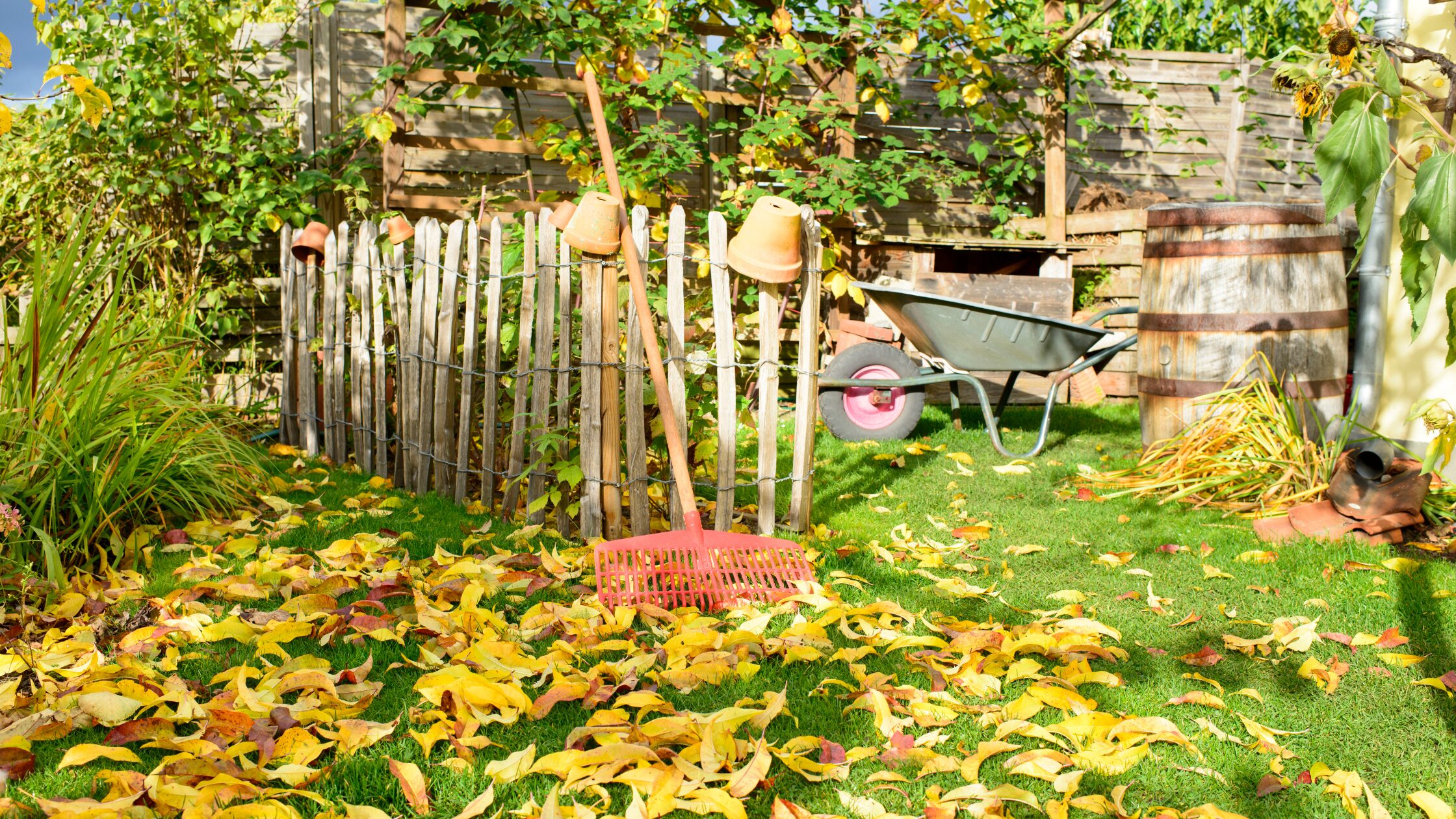
Here are some of the most important garden tasks now. For a full list, read my comprehensive guide on garden tasks in October.
Harvest
Harvest late brassicas like red and white cabbage, radicchio, endives and – if you still have – pumpkins. While the former can tolerate light frosts, pumpkins should be harvested before the first frost if you want to store them. Watch the weather forecast like a hawk and bring those precious fruits in before the frost destroys them.
Protect vegetables
Vegetables like spinach and lamb’s lettuce benefit from some protection now, especially if you want to keep harvesting them well into winter. For that purpose, I throw a protective garden fleece over them and weigh it with stones or sticks so that the wind can’t blow it away. That way, the vegetables can be harvested for a prolonged time, sometimes even right into winter.
Mulching
Some of my beds are still covered with late vegetables like Brussels sprouts, savoy cabbage or leeks or newly sown spinach, lettuce or green manure. Yet, not every inch of my garden is full of vegetables and herbs like in spring and summer. Where there are gaps from newly harvested plants (or where I missed the sowing gap for winter veggies), I cover the soil thickly with mulch to protect it from the cold and rain. Dried grass clippings, leaves, healthy crop residues or half-rotted compost are perfect to use as mulch on our beds.
October sowing summary
One day it’s still sunny and bright, and the next day, harsh autumn winds and cool temperatures make us hurry indoors. Even though it can still be very warm and lovely in October, the receding daylight reminds us that summer’s over and darker and colder times lie ahead.
Depending on your climate, you can still sow (and even plant) vegetables in October, but most of them will do better in the protected environment of a greenhouse or a cold frame. Admittedly, the plants will take longer to germinate and grow, but every fresh leaf we can devour in winter will not only contribute to a healthy diet but also be a welcome change from preserved food.
Grab your seed packets, bulbs and cloves and head out to the garden. A little sowing and planting now can mean fresh leaves through winter and the first harvests of next year’s growing season. And when you’re picking that first bowl of fresh salad on a cold winter day, you’ll be rather grateful to your October self.
Keep growing through the seasons
Get seasonal garden reminders, growing guides and simple ideas for making the most of each month’s harvest straight to your inbox.
0 Comments