
.
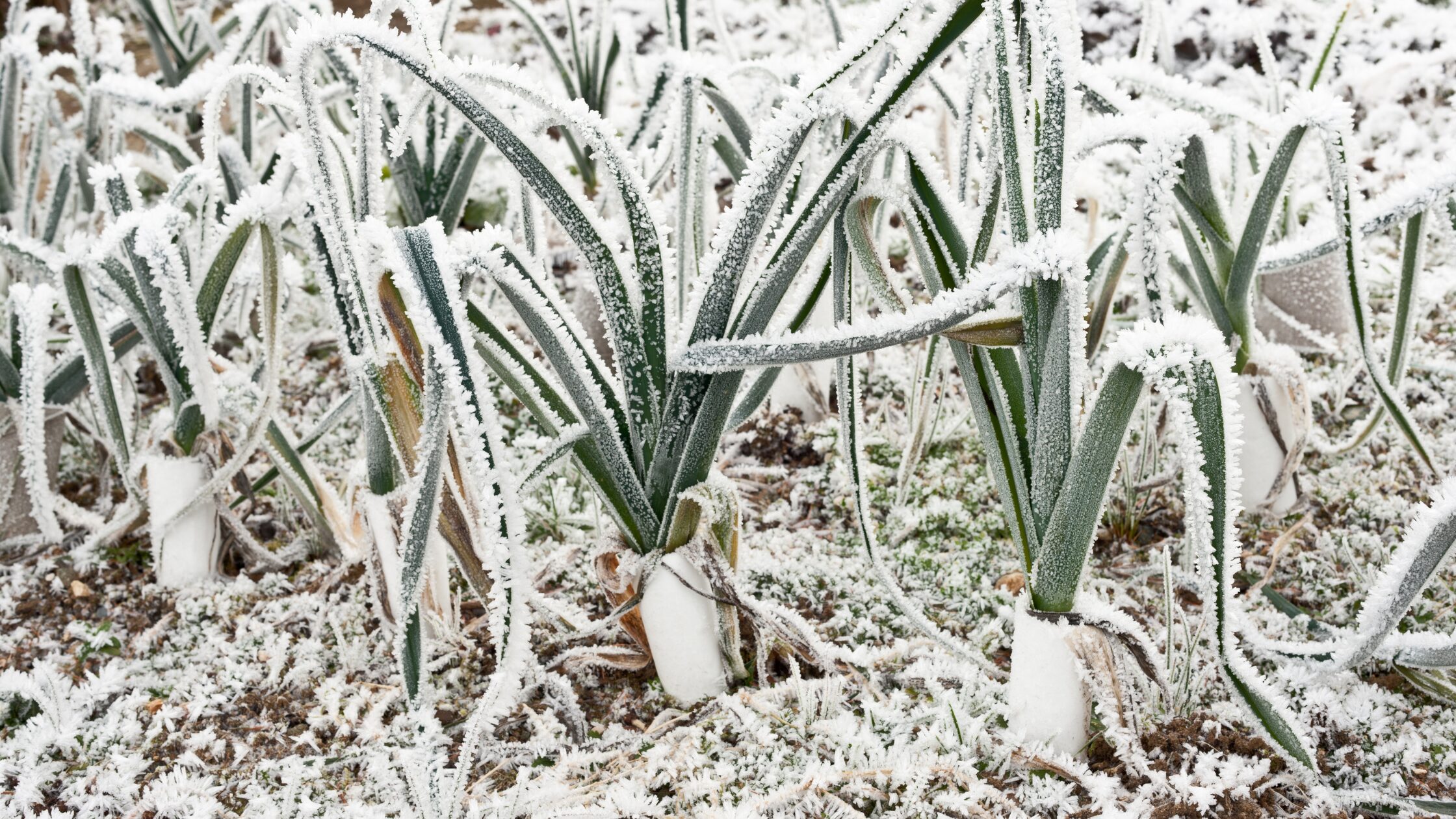
Although our gardens are sleeping right now, that doesn’t mean that we gardeners have nothing to do! Garden tasks in January keep dedicated gardeners busy even during winter’s quiet months. Admittedly, it won’t be so many outdoor tasks like weeding and planting, but more indoor chores like maintenance and planning. However, these are not the only garden tasks in January. Below, I’ve listed 12 actionable tasks you should think about.
Note: My garden is in a USDA zone 7b, and these tasks are timed for zones 6-8. If you’re in a warmer or colder region, adjust timing accordingly based on your last frost date.
#1 Planning your garden in January
If you’re new to gardening and just starting, this may seem a bit overwhelming, but don’t worry, I’ve got you covered! Whether you have a large backyard you want to turn into a veggie paradise or just a patio or balcony with a few containers to cultivate in, planning is always the first step. This is also valid if you already have a garden or if you want to expand. Let’s dive in and start planning our dream garden step by step.
Drawing

- Grab a piece of square paper and draw the patches you have or want to have. Just don’t get overambitious, but start small, especially as a beginner.
- It’s best to start with one or two beds of about 1.2 x 1.2 metres (4 x 4 feet). Leave room for paths and future expansion.
- Imagine what you’d want your garden to look like. Do you want a cottage garden with flower borders and herbs? Will you start with raised beds? Do you want to have a greenhouse and/or cold frames? Or is a permaculture garden what you’d like?
- Dream big first – then adjust your ideas to your available space, budget, and time. Expansion is always possible later.
Creating your vegetable wishlist
The next step is to make a wish list of all the vegetables you’ll want to grow.
- Focus on crops you and your family actually enjoy eating. It’s no use to grow spinach if you loathe it, but you should plant more of those radishes that your children are so fond of.
- Add a few new varieties you’d like to experiment with. If you’ve already dipped your toe into gardening, you may want to try out new types of crops; put them on your list.
- Adjust choices based on your space and experience level. If you’re a garden greenhorn, start with these easy vegetables for beginners. With more experience, you can try other, more complicated crops.
Ordering seeds in January
- When you know which vegetables you want to grow, check the seeds you already have to see if they’re still germinable (see “2. Seed checking)”.
- For new seeds, browse seed catalogues (my favourite garden task in January!) and order what you need and want.
January is an ideal time for ordering seeds, as widely popular varieties sell out later in the season.
Make a planting plan.
This can be tricky, especially if you are a first-time gardener, but with some basic knowledge, especially about what plants go well with one another and crop rotation, you’ll have it up in no time.
If you want to learn more about starting a vegetable garden, this beginner’s guide will tell you everything you need to know on that topic.
#2 Check your seeds for germination
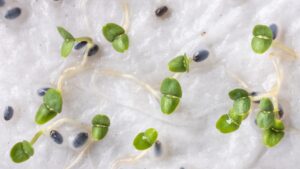
Among the most important January garden jobs is checking if your seeds are still able to grow.
If you have seeds left, especially when they are more than two years old, you’ll want to check if they are still capable of germination. Some plants, like parsnips and celery, can be a bit finicky when it comes to germinating.
To find out if they’re still good, put some seeds between moist kitchen paper and observe for a few days if they germinate. If two-thirds or more sprout, the seeds are good to use; if it’s less, order new seeds.
Testing old seeds now prevents disappointment later when trays stay empty.
#3 Create new patches
January is a good time to build new patches. Don’t worry, you won’t have to dig up your garden (which would be especially tedious with frozen ground).
My favourite method of building new patches only requires cardboard and good planting soil or compost.
- Gather enough cardboard to cover the ground of your new garden bed.
- Peel off any plastic from the cardboard and lay it flat on the ground where you want to have the patch.
- Distribute well-rotted compost or planting soil about 10 – 15 cm (4 – 6 inches) on it.
Done! If you want a detailed step-by-step guide on how to make these easy no-dig garden beds, hop over to this article.
#4 Prepare your indoor growing station
Another January garden task is to clean trays, pots, and tools with hot water to remove pathogens and pests before sowing season begins.
Also, sterilise your growing soil by baking it at 150 °C (300 °F) for 30 minutes. This will kill, for example, fungus gnats but also pathogens that can be a real danger for seedlings.
If you don’t have any planting lights already, consider buying some. They’re a real game changer when it comes to indoor sowing, as the natural light usually isn’t sufficient to help develop healthy plants.
#5 Seed-starting
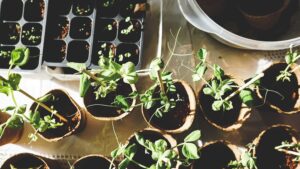
Toward the end of January, you can start sowing slow-growing crops indoors, especially in regions with long growing seasons. Remember: I’m talking about zones 6 – 8 here; if you live in a warmer or colder climate, adjust timing accordingly based on your last frost date.
Some vegetables, for example chillies and peppers, are real sloths when it comes to growth. To give them enough time to become large enough to plant them out eventually, sow them indoors at the end of January. Cabbage, cauliflower, leeks and onions can also be sown indoors at the end of the month. Want to read more about what vegetables you can seed-start in January? This complete guide to seed-starting in January contains a comprehensive list.
#6 Protect your plants

Whenever you’re out in winter, you’ll probably be covered up from head to toe to be protected from the harsh weather. Your plants need the same treatment.
One of our garden tasks in January, then, is covering them with frost protection fleece, which not only protects them from the cold but also from drying winds.
Still got any root crops in the ground? Cover them with an extra layer of mulch to protect them from the freezing weather.
You can also use the branches of your Christmas tree to cover your root crops or herbs, BUT ONLY if it hasn’t been treated with pesticides! We don’t want that in our gardens, do we? Always choose organic trees if you plan to use them in your garden.
#7 Harvesting
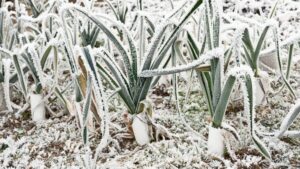
If you’ve ever harvested frozen vegetables in winter, you’ll know that, for example, lettuce becomes soft and slimy once it has thawed. The reason for that is that the plant you harvested can’t recover from the frost once its roots are cut off.
Rule of thumb: Never harvest frozen vegetables unless they are protected from frost or temperatures are above freezing.
#8 Watering
This may sound weird, but your plants can suffer from dryness even in winter, especially when it’s sunny and windy. This phenomenon is called frost drought.
When the ground is frozen, your plants can’t take up water, but they still evaporate moisture through their leaves, especially on sunny and/or windy days. Frost drought occurs when frozen soil prevents water uptake, but plants continue losing moisture through their leaves.
To protect your plants from drying out, you have to water them. This is best done in the mornings when temperatures will still rise, and the plants will get a chance to snatch up the water during the day.
#9 Pruning
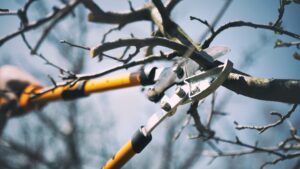
January is an ideal time to prune:
Fruit trees
raspberries and blackberries
blueberries
currants and gooseberries
The best time to do that is while the plants are still dormant. If you haven’t done so earlier (ahem… yes: guilty), cut out any old growth from your fruit trees and berry shrubs to maintain their productivity in the upcoming season.
#10 Tool inventory and maintenance

Check if you’ve got everything ready for the upcoming season:
- Frost protection and nets
Do you have enough frost protection fleece? Winter may go on a bit longer, or frost may hit even after some warm days. In that case, you’ll want some spare fleece at hand. - Pest control supplies
Stock up on pest protection nets for spring and summer if you don’t want to share your harvest with maggots. Also, if you have as many slugs in your garden as I have, make sure you have enough barriers like snail collars and snail fences to keep them off your vegetables.
By the way: Companion planting, which means planting vegetables together that support and protect each other, also helps to keep pests and diseases at bay. If you want to learn more about some foolproof pairs for your vegetable garden, you can explore proven companion planting combinations in this article.
- Tool cleaning and repairs
If you haven’t done it already, clean up your garden tools by scraping off the dirt and washing them thoroughly. Afterwards, it’s good to sharpen them, if necessary, and oil them. If something’s broken, repair it.
#11 Build what you need (and want)
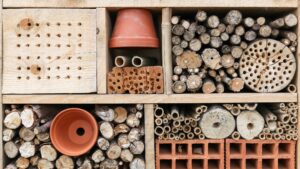
The garden is still dormant, so why not head into your workshop and build what you’d like to have?
Whether it be a
- trellis
- raised beds
- a scarecrow or
- an insect hotel,
Now is a good time to put your designs into reality.
#12 Support the animals
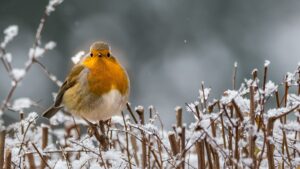
Our feathery friends will be grateful for food, so hang up bird feeders and fill them with appropriate food for wild birds.
If you have squirrels in your garden, you can also hang a squirrel feeder with balanced squirrel food in one of your trees. Install the feeder far from the house and at least 2 metres (6.5 feet) above the ground.
Leave dead plant stems and fallen leaves on the ground as they offer hedgehogs and insects a great winter home. You can clean it all up later in spring when they’ve woken up from hibernation.
January Garden Task Checklist
Instructions
Indoor Tasks
- ☐ Plan garden layout:- Vegetable Wishlist- Order Seeds- Create and Draw plan
- ☐ Check seeds for germination
- ☐ Prepare indoor growing station: ☐ Clean trays, pots and tools with hot water ☐ Sterilise growing soil by baking at 150 °C (300 °F) for 30 minutes ☐ Consider investing in planting lights
- ☐ Seed-starting: See the full list here
- ☐ Clean and repair tools
- ☐ Stock up on frost protection
- ☐ Stock up on pest control supplies
- ☐ Build cold frames, trellises, insect hotels or raised beds
Outdoor tasks
- ☐ Protect plants with frost protection fleece
- ☐ Harvest when temperatures are above freezing or veggies are protected with fleece
- ☐ Water outdoor plants to prevent frost drought
- ☐ Create new beds with the no-dig method.
- ☐ Prune fruit trees and berry shrubs
- ☐ Feed the birds and squirrels
Frequently Asked Questions About January Garden Tasks
Can I really start seeds in January?
Yes! Cold-season crops like cabbage and cauliflower can be started indoors at the end of January. Peppers and chillies also need an early start due to their slow growth rate.
What if I live in a different climate zone?
These tasks are timed for USDA zones 6-8. Gardeners in warmer zones (9-11) can start earlier, while colder zones (3-5) should wait 2-4 weeks. Always check your last frost date.
Is it too cold to work in the garden in January?
Many January garden tasks can be done indoors (planning, seed starting, tool maintenance). Outdoor tasks like pruning should be done on milder days when plants are dormant.
Do I need to water my garden in winter?
Yes, plants can suffer from frost drought during sunny, windy winter days. Water in the morning when temperatures are rising so plants can absorb moisture before nightfall.
When should I order seeds for my garden?
January is ideal for seed ordering. Popular varieties often sell out by late winter, so ordering early ensures you get what you want.
A quiet month with a big impact
You see, even if almost nothing’s growing outside right now, there are still some garden tasks in January that we can do. And although the tasks seem different, they can be mostly summed up as: Preparation. Whether it’s planning new patches and crops, maintaining and repairing tools, building new things or seed-starting indoors, these are all steps that lead to the next season’s garden. Have fun and enjoy the (relative) calm. We’ll soon be digging in the soil again!
Want to learn more about gardening? This site lists all the articles on this topic: Gardening – seasonalsimplelife.com
0 Comments