
Welcome to Seasonal Simple Life
Join me in creating a self-sufficient, sustainable life through gardening, preserving, and simple living.
Every season offers fresh opportunities to grow your skills and reconnect with nature’s rhythms. 
Latest Posts
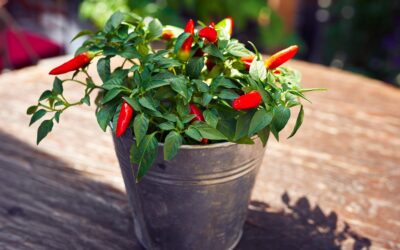
How to Grow Peppers and Chillies in Pots (Complete Container Growing Guide)
Growing peppers and chillies in pots is easier than many gardeners think. Whether you have a sunny balcony, a small patio or only a windowsill, container-grown peppers can thrive and produce abundant harvests. In this complete guide, you’ll learn how to choose the right varieties, pots and soil, plus practical care tips for watering, fertilising, harvesting and even overwintering your plants.
What to Sow and Plant in May: Complete Vegetable Garden Guide
May is one of the most exciting months in the gardening calendar — the soil has warmed, frost risk has mostly passed, and it’s prime time to build the foundation for a bountiful summer harvest. 🌱☀️ In this guide, you’ll learn which vegetables you can sow directly outdoors (think beans, carrots, radishes, and heat-loving squash), which crops are still worth starting indoors for later planting, and how to time your sowings so your garden stays productive throughout the season. With tips on when to transplant seedlings like tomatoes and cucumbers and how to succession-sow leafy greens for continuous harvests, this article helps you make the most of May’s planting window and set your garden up for months of fresh, homegrown goodness.
Garden Tasks in May: Essential Jobs for Your Vegetable Garden
May brings warm sunshine and the end of frost—finally! Your garden explodes with growth, but success depends on 11 essential tasks this month. Learn how to protect seedlings from hungry slugs, harden off indoor starts for transplanting, fertilize heavy feeders with homemade nettle manure, and time your sowings perfectly. From mulching techniques to pest protection and smart watering schedules, this guide ensures your May garden thrives all summer long.
From the Garden
April Reflections: Learning From Spring’s Unpredictability
April doesn’t ease you in gently. One day you’re in shorts, the next you’re back in your down jacket — and somehow the cherry trees are blooming through all of it. In these April reflections, I share how to live with April’s restless energy rather than against it: in the garden, at home, and in yourself.
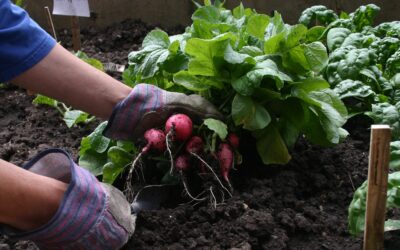
What to Sow and Plant in April: Kickstarting Your Vegetable Garden
April marks the thrilling moment when your vegetable garden truly springs to life. As soil temperatures warm and the danger of frost diminishes, this month offers a prime opportunity to sow seeds and plant out a wide range of crops that will sustain your harvest through spring and into summer. For gardeners of all skill levels, April is ideal for both indoor seed-starting—think leeks, brassicas, lettuce, tomatoes and members of the cucurbit family—and direct sowing outdoors of cool-season favourites like broad beans, peas, carrots, radishes, rocket, spinach, beetroot and salsify. It’s also a great time to transplant hardy seedlings such as lettuce, cabbage and leeks, and to set out bulbs and roots like garlic, onions and potatoes once they’ve been hardened off. With thoughtful timing and a little soil preparation, you’ll be well on your way to a productive growing season.
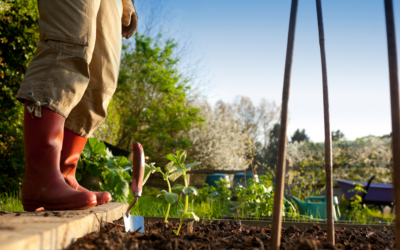
10 Essential Garden Tasks for April (What to Plant, Sow & Protect Now)
April marks the true beginning of the gardening season. Discover the most important garden tasks to tackle now — from sowing vegetables and hardening off seedlings to protecting young plants from frost and pests.
From the Pantry

Pickled Zucchini: From Garden Surplus to Flavour-Packed Treasure
Every gardener knows the cycle: the first zucchini of the season is a celebrated trophy, but by number ten, the family is in full revolt. If you’re watching your zucchini plants with a mix of pride and panic, this pickled zucchini recipe is your salvation. This simple preservation method transforms your garden surplus into flavor-packed jars that will brighten winter meals for months to come. The best part? No salting required, any size zucchini works (even those that have grown into baseball bats), and the recipe comes together in under an hour. With a tangy brine infused with curry, dill, and mustard seeds, these pickles are perfect for sandwiches, cheese boards, or mixed into potato mash for an unexpected flavor boost. Stop letting those zucchini go to waste—turn your overflow into a pantry treasure you’ll actually be excited to use all year long.Claude is AI and can make mistakes. Please double-check responses.

Channel Your Inner Oma: Simple Homemade Sauerkraut That Actually Tastes Amazing
Every autumn, when the sharp, tangy scent of fermenting cabbage fills the kitchen, you know winter comfort food season has officially begun. If you’ve been settling for mediocre store-bought sauerkraut, it’s time to discover how ridiculously simple it is to make your own at home. With just cabbage, salt, and a little patience, you can create sauerkraut that’s tangier, crunchier, and infinitely more satisfying than anything from a jar. This traditional German recipe requires no special equipment—just a bowl, some jars, and the willingness to knead some cabbage. Whether you’re piling it alongside creamy mashed potatoes, tucking it into a flaky strudel, or serving it as a wine-braised side dish, homemade sauerkraut transforms simple meals into something special. Watch this ancient preservation method work its magic right on your countertop, and channel your inner German Oma as you create jars of probiotic-rich goodness that will last all winter long. Once you see how easy it is, you’ll wonder why you ever bought it from the store.
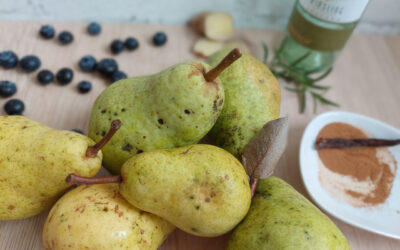
From Orchard to Jar: 4 Heavenly Pear Jam Variations
When my colleague brought over two buckets of freshly harvested pears, I knew I wanted to create something special beyond classic pear jam. These four heavenly pear jam variations capture everything from warm autumn spices to bright summer flavours, each bringing its own unique character to your breakfast table. Try the velvety Pear Jam with Spices featuring vanilla, ginger, and cardamom for cosy autumn mornings. The Pear Jam with Rosemary offers a fresh, herbaceous twist that’s perfect for cheese boards. For something sophisticated, the Pear Jam with Riesling adds subtle fruitiness and depth. And the kid-friendly Pear-Blueberry Jam with Cinnamon combines three seasons in one jar. Each recipe follows the same simple process and uses just a handful of ingredients. Whether you’re working with freshly picked pears or windfall fruit that needs quick processing, these creative variations will help you preserve the harvest in delicious new ways.
From the Kitchen
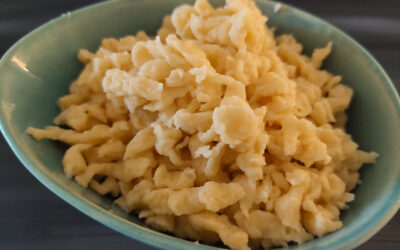
Authentic Spaetzle Recipe: German Egg Noodles in 20 Minutes
If you’ve ever visited Southern Germany, you’ve likely encountered Spaetzle—and if you have, you know how delicious they are! These traditional egg noodles, whose name translates to “little sparrows,” are a beloved staple in Southern German cuisine. The best part? They’re surprisingly easy to make at home with just four simple ingredients: flour, eggs, salt, and milk (or water). Unlike store-bought versions, homemade Spaetzle have an unbeatable tender texture and fresh flavor. The dough is pressed through a special tool (or even a colander) into boiling water, where the noodles cook in just 2-3 minutes. Serve them as a side dish with beef and gravy, or turn them into a main course like cheesy Kässpätzle. With this traditional recipe and helpful pro tips, you’ll master this classic German dish on your first try.

Savory Rouladen: Germany’s Timeless Beef Rolls That Tell a Story
When my mom made Rouladen, I watched as she spread mustard over thin beef slices, tucked in bacon and pickles, and rolled each one into a perfect package. She learned it from her mother, who learned it from hers. These German beef rolls aren’t just Sunday dinner; they’re edible family history.
Back when times were lean, Rouladen were ingenious—a way to stretch thin cuts of meat into something magnificent.
The beauty lies in their simplicity: flatten beef, spread with mustard, layer with sautéed onions and bacon, tuck in pickles, then roll and braise until tender. It’s not complicated—it just needs time, patience, and the willingness to carry a tradition forward.

Authentic Bavarian Apple Strudel (with Vanilla Sauce)
When my siblings and I were children, we used to play outside a lot (those were the days), even in...
Home and Hearth
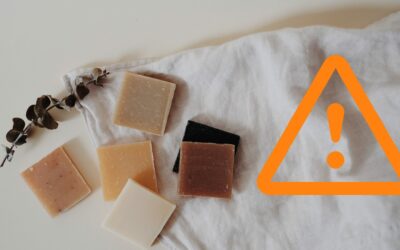
Soapmaking Safety Guidelines
Soapmaking is a wonderful and rewarding occupation! We can be creative and invent our own recipes,...

Soapmaking Step-by-Step
Before you start making your very first batch of soap, you should be familiar with the process....
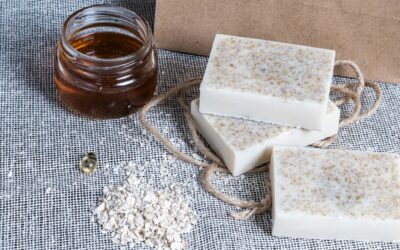
The Science behind Soapmaking
Soap is the oldest and most used washing detergent in the history of mankind. The oldest soap...
About Me
Imagine growing your own herbs on a windowsill, turning summer tomatoes into winter comfort, or creating your own gentle soaps with ingredients you can pronounce.
These aren’t impossible dreams—they’re your next small steps toward a more self-sufficient life.
Whether you’re planting your first seeds or you’ve been gardening for years, every season offers fresh opportunities to grow your skills, reduce your footprint, and reconnect with the natural rhythms that sustain us all.

Hi, I’m Angela, the “face” behind Seasonal Simple Life. Welcome to this blog!
Do you dream of creating a colourful and lively vegetable garden where you’ll cultivate all the vegetables you want?
Without chemistry but diversity and many tried and tested varieties that will fill your harvest basket with healthy and tasty fruit and vegetables?
In the evenings, the flavour of freshly cooked tomato sauce flows through the house; winter will come, eventually, and your pantry won’t fill on its own…
Do you want to live a seasonal simple life, decorate your house, craft things that make you happy and add beauty to your home?
Let’s do this together!
If you want to learn more about me, click here.