
The Art of Preserving: Capture Nature’s Bounty
There’s something truly magical about opening a jar of tomato sauce in the dead of winter or gifting homemade preserves to friends and family. Discover how this rewarding practice brings sustainability, savings, and incredible flavour to your kitchen!
From water bath canning vibrant jams and pickles to pressure canning hearty soups and sauces, I guide you through safe, tested methods to store nature’s bounty. Learn how simple techniques like freezing and fermenting can transform fresh produce into pantry treasures that last for months.
Beginners will find step-by-step instructions that take the mystery out of preserving, while experienced canners can explore unique flavour combinations and international preserving traditions.

How to Do a Pantry Audit: Step-by-Step Organisation and Rotation System
When my son brought me a six-year-old jar of brown, sluggish pumpkin from our pantry, I knew something had to change. A proper pantry audit and rotation system isn’t just about organisation—it saves money, reduces food waste, and ensures you’re always eating fresh ingredients. Learn how to transform your pantry chaos into an efficient system that actually works in real life.

13 Ways to Use Orange Peels at Home — From Food to Cleaning
Discover 13 creative zero-waste uses for organic orange peels! From candied treats and flavored oils to natural cleaners and body scrubs, learn how to transform orange peels into useful products that save money and reduce waste. Never throw away an orange peel again!
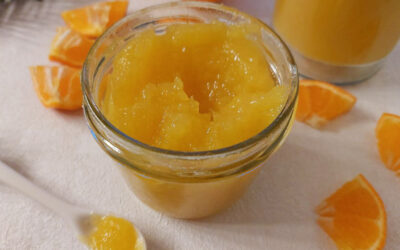
Non-Bitter Orange Marmalade (Just 3 Ingredients!)
Traditional marmalade too bitter for you? This easy orange marmalade recipe changes everything. With just fresh orange juice, zest, and sugar—no pith, no bitterness—you’ll have sweet, glossy marmalade in about 30 minutes. Perfect on toast, in yoghurt, or as homemade gifts!

How to Preserve Quince: 5 Easy Methods for Beginners
Quince may seem intimidating at first—hard, tart, and inedible when raw—but this golden autumn fruit transforms into something magical when preserved. Whether you’re making fragrant quince paste, jewel-toned jelly, or simple quince compote, preserving this heirloom fruit is easier than you think. In this beginner-friendly guide, you’ll discover simple techniques to capture quince’s unique flavour and fill your pantry with homemade preserves that will last for months.

Pickled Zucchini: From Garden Surplus to Flavour-Packed Treasure
Every gardener knows the cycle: the first zucchini of the season is a celebrated trophy, but by number ten, the family is in full revolt. If you’re watching your zucchini plants with a mix of pride and panic, this pickled zucchini recipe is your salvation. This simple preservation method transforms your garden surplus into flavor-packed jars that will brighten winter meals for months to come. The best part? No salting required, any size zucchini works (even those that have grown into baseball bats), and the recipe comes together in under an hour. With a tangy brine infused with curry, dill, and mustard seeds, these pickles are perfect for sandwiches, cheese boards, or mixed into potato mash for an unexpected flavor boost. Stop letting those zucchini go to waste—turn your overflow into a pantry treasure you’ll actually be excited to use all year long.Claude is AI and can make mistakes. Please double-check responses.

Channel Your Inner Oma: Simple Homemade Sauerkraut That Actually Tastes Amazing
Every autumn, when the sharp, tangy scent of fermenting cabbage fills the kitchen, you know winter comfort food season has officially begun. If you’ve been settling for mediocre store-bought sauerkraut, it’s time to discover how ridiculously simple it is to make your own at home. With just cabbage, salt, and a little patience, you can create sauerkraut that’s tangier, crunchier, and infinitely more satisfying than anything from a jar. This traditional German recipe requires no special equipment—just a bowl, some jars, and the willingness to knead some cabbage. Whether you’re piling it alongside creamy mashed potatoes, tucking it into a flaky strudel, or serving it as a wine-braised side dish, homemade sauerkraut transforms simple meals into something special. Watch this ancient preservation method work its magic right on your countertop, and channel your inner German Oma as you create jars of probiotic-rich goodness that will last all winter long. Once you see how easy it is, you’ll wonder why you ever bought it from the store.
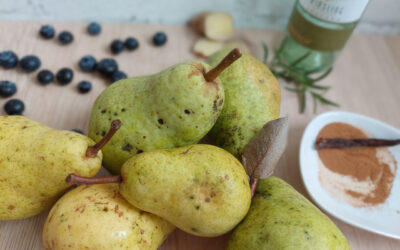
From Orchard to Jar: 4 Heavenly Pear Jam Variations
When my colleague brought over two buckets of freshly harvested pears, I knew I wanted to create something special beyond classic pear jam. These four heavenly pear jam variations capture everything from warm autumn spices to bright summer flavours, each bringing its own unique character to your breakfast table. Try the velvety Pear Jam with Spices featuring vanilla, ginger, and cardamom for cosy autumn mornings. The Pear Jam with Rosemary offers a fresh, herbaceous twist that’s perfect for cheese boards. For something sophisticated, the Pear Jam with Riesling adds subtle fruitiness and depth. And the kid-friendly Pear-Blueberry Jam with Cinnamon combines three seasons in one jar. Each recipe follows the same simple process and uses just a handful of ingredients. Whether you’re working with freshly picked pears or windfall fruit that needs quick processing, these creative variations will help you preserve the harvest in delicious new ways.
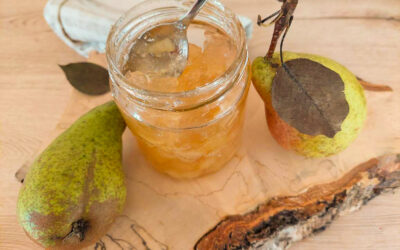
How to Make Perfect Pear Jam: From Tree to Jar
Autumn’s bounty doesn’t last forever — and that’s exactly why making pear jam feels like capturing sunshine in a jar. 🍐✨ Unlike water-rich berries, pears need a little extra technique to turn into a rich, velvety jam, and this step-by-step guide walks you through it from orchard to pantry. You’ll peel and prepare ripe pears, mix them with sugar and a touch of lemon, then let the fruit rest so it naturally releases its juices before a short, fragrant boil brings everything together. The result? A beautifully balanced preserve with a subtle sweetness and delicate texture that’s perfect on toast, paired with cheese, or tucked into holiday baking. Plus, once you’ve mastered the basics, there’s room to play with spices or herbs to make your own signature jar of pear goodness.
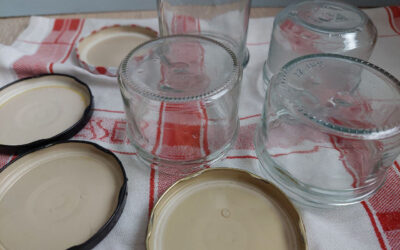
How to Sterilise Jars: 4 Simple Methods for Safe Home Canning
Home canning has surged in popularity, and for good reason: making your own preserves is more economical than buying them, gives you complete control over ingredients, and there’s nothing more sustainable than preserving food from your own garden. But there’s one crucial step that ensures your homemade preserves stay safe for months or even years: proper jar sterilization. Without it, harmful bacteria can thrive in the oxygen-free environment of sealed jars, potentially causing serious illness like botulism, especially in low-acid foods. The good news? You don’t need fancy equipment to sterilize jars at home—you already have everything you need. This guide explains four simple yet effective sterilization methods: the classic water bath (easiest for beginners), oven sterilization (perfect for multiple jars), dishwasher method (ideal for large quantities), and microwave technique (fastest option). Each method includes step-by-step instructions, timing guidelines, and important safety notes about which components can be sterilized together. Once you understand these straightforward techniques, you’ll have complete peace of mind knowing that your beautiful homemade jams, pickles, and preserves are not only delicious but perfectly safe to enjoy throughout the year.
4. June Garden Tasks
The promises of May are kept in June! Gone is the threat of frost—now everything grows wild, and we’re already harvesting armfuls of vegetables, herbs, and fruits. With summer solstice approaching, the days are long, hot, and gloriously busy in the garden. This is peak growing season, when your earlier planning and planting pays off in abundance, but it’s also when your plants need you most. From daily watering and strategic mulching to monitoring for aphids and slugs, June brings ten essential tasks that keep your garden thriving. You’ll be harvesting sweet peas, broad beans, kohlrabi, and those irresistible strawberries while simultaneously sowing succession crops to fill any gaps. Tomatoes demand regular pruning to channel energy into fruit production rather than leaves. Berry shrubs need feeding and mulching. And if you’re growing last year’s vegetables, their flowers are forming seeds you can harvest for next season. This guide breaks down each task with practical tips for success, from the best times to water (and why mulching matters more than you think) to natural pest control methods that protect your harvest without chemicals. June gardening is part science, part art, and part wishful thinking—but with these ten tasks prioritized, you’ll watch your little green kingdom flourish into summer’s bounty.
5. How to Get Rid of Aphids Naturally
One day your garden looks perfect, and the next day aphids seem to have staged a full invasion. These tiny yellow, green, red, or black insects multiply with alarming speed, forming massive colonies that damage leaves and young shoots with their piercing-sucking mouthparts. Worse, they often transmit dangerous plant viruses. But before reaching for chemical pesticides that harm beneficial insects along with the pests, try these proven natural household remedies that actually work. This comprehensive guide covers both prevention and treatment, starting with cultural practices like companion planting and avoiding nitrogen over-fertilization that makes plants irresistible to aphids. Learn how to attract natural predators like ladybugs, lacewings, and hoverflies by creating habitat they love. For active infestations, discover over ten household remedies ranging from simple water jets to soft soap solutions, nettle brews, oregano spray, and garlic tea—most using ingredients you already have at home. Each remedy includes specific mixing ratios, application instructions, and notes on which plants benefit most. The truth is, some level of aphid presence is normal in any garden, and in a balanced ecosystem where beneficial insects thrive, nature typically handles the problem by early summer. But when infestations get out of hand, these cheap or free natural solutions let you protect your harvest without compromising the health of your garden’s ecosystem.
6. Spaetzle Recipe
If you’ve ever visited Southern Germany, you’ve likely encountered Spätzle—and if you have, you already know they’re irresistible. These traditional egg noodles, whose name translates to “little sparrows,” are a beloved staple throughout Bavaria and beyond. The best news? They’re surprisingly easy to make at home with just four simple ingredients you probably already have: flour, eggs, salt, and milk (or water). While store-bought versions line supermarket shelves here in Southern Germany, nothing compares to the tender texture and fresh flavor of homemade Spätzle. The dough comes together quickly by hand or with a mixer, requiring just a 15-minute rest before pressing it through a special tool (or even a colander) into boiling water. Within 2-3 minutes, the noodles float to the surface, ready to be drained and crisped in sizzling butter. Serve them as a comforting side dish alongside beef and gravy, or transform them into a main course by layering them with cheese for Käsespätzle—a Bavarian favorite topped with fried onions. This recipe includes pro tips for achieving the perfect dough consistency, equipment alternatives if you don’t have traditional tools, storage instructions for advance preparation, and creative variations to customize the flavor with cheese, herbs, or spices. Once you taste homemade Spätzle, you’ll understand why they’ve remained a treasured tradition for generations.
7. German Beef Rolls (Rouladen)
When my mother made Rouladen, I would watch mesmerized as she worked methodically—spreading mustard over thin beef slices, tucking in bacon, onions, and pickles, then rolling them into neat packages. This wasn’t just dinner; it was history on a plate, a recipe passed down through generations. Rouladen aren’t simply food—they’re a clever culinary solution born from leaner times, when families transformed thin slices of meat and ordinary ingredients into something spectacular for Sunday dinners and holiday feasts. Every family has slight variations that represent more than recipe tweaks; they’re legacies and regional identities rolled into each savory bundle. When my brother recently slaughtered an ox and shared the cuts with our family, I announced to my sons that Rouladen with Spätzle were on the menu. Their eyes lit up like starving men offered a feast, and my eldest even delayed a trip just to be home for lunch. Making these classic German beef rolls is surprisingly simple—simpler than you might think. The recipe requires just a handful of ingredients and mostly needs time for the meat to braise until fork-tender. It’s also an impressive dish for entertaining guests or impressing in-laws, since the beef cooks mostly unattended while you make yourself presentable. This traditional recipe walks you through every step, from pounding the meat to creating a rich, flavorful sauce that pairs perfectly with bread dumplings, homemade Spätzle, or mashed potatoes.
8. Bavarian Apple Strudel
When my siblings and I spent long winter days sledding down the small but glorious hill in our back garden, building snowmen and launching snowball battles, we’d eventually trudge inside—cold, wet, and exhausted. Sometimes, my mother had made authentic Bavarian apple strudel waiting to warm us up and restore our strength. It was pure heaven. Even today, every bite of apple strudel transports me back to those childhood afternoons, and I swear I can still smell the snow. But apple strudel isn’t just for winter—it’s a year-round sweet treat or dessert that’s traditionally served with homemade vanilla sauce. This Bavarian version features slightly thicker dough than its Austrian cousin, creating a crispier texture that’s more forgiving for beginners who find the traditional paper-thin pulling process intimidating. The recipe includes comprehensive instructions for making elastic strudel dough from scratch (with a crucial resting period that makes all the difference), preparing the classic apple filling with cinnamon, raisins, and toasted nuts, and creating silky vanilla sauce with real vanilla beans and a light, airy texture from folded egg whites. You’ll learn techniques for rolling the dough without tearing, preventing apples from browning, and achieving that beautiful golden crust. Multiple variations are included, from adding cream cheese to the filling to a milk-soaked baking method. Fair warning: make plenty, because there won’t be any leftovers.
9. Calendula Soap
Calendula has been treasured for centuries for its skin-soothing and wound-healing properties, making it perfect for gentle homemade soap that’s even suitable for babies and sensitive skin. This beginner-friendly recipe simplifies the soapmaking process without sacrificing quality, using homemade calendula-infused oil, calendula tea as the liquid base for the lye solution, and dried calendula petals for texture and natural color. The combination creates a beautiful yellow-tinted bar without needing additional colorants or clay. If you’re new to soapmaking, this recipe provides an excellent introduction with straightforward measurements, clear instructions, and a superfat percentage of 7% that ensures moisturizing properties. The process walks you through every step: preparing calendula tea and letting it cool, melting and combining oils to the correct temperature, carefully mixing lye solution (with essential safety reminders), blending to trace, incorporating dried petals, and the curing process that transforms raw soap into gentle, long-lasting bars. Optional geranium essential oil adds a lovely floral scent that complements the calendula, though the recipe works beautifully without it for truly sensitive skin or baby soap. After 4-6 weeks of curing, you’ll have luxurious handmade soap that moisturizes while soothing irritation—a world away from harsh commercial bars, and made with ingredients you can pronounce and understand.

Mastering Fermented Gherkins: Small Pickles, Big Flavor
Fermented gherkins are a delicious way to make the most of summer’s bounty — and far more flavorful than the typical store-bought jars. 🍶🥒 In this guide, you’ll learn how to turn fresh gherkins into crisp, tangy lacto-fermented pickles using just salt, water, and a few aromatics like dill, garlic, and spices. The process relies on a salty brine and tannin-rich leaves to keep those little cucumbers crunchy, and a cool fermentation period lets the flavors develop beautifully without getting overly sour. Whether you’re a fermentation novice or a preserving pro, this step-by-step recipe walks you through preparing the veggies, making the brine, and letting nature work its magic — resulting in jars of vibrant, probiotic-rich gherkins that’ll keep for months.

Fermentation vs. Pickling: Two Paths to Perfectly Preserved Food
At first glance, a jar of bright, tangy cucumbers might look the same whether it’s fermented or simply pickled — but the way each jar gets its flavor and texture tells a different story. While pickling is a chemical method that uses vinegar and acidity to quickly preserve vegetables, fermentation is a living, biological process where beneficial bacteria transform sugars into lactic acid over time. Fermented foods develop a complex, tangy flavor and offer probiotic benefits, while vinegar-based pickles deliver a bright, acidic taste and are ready in a matter of hours or days. Both are delicious preservation techniques — they just take different paths to get there!

Homemade Gherkin Pickles Recipe – Crisp and Tangy in 3 Days
Making homemade gherkin pickles is easier than you might think! With just a few simple ingredients—fresh gherkins, vinegar, salt, sugar, and aromatic herbs—you can create pickles that are far superior to store-bought versions. The secret to that perfect satisfying crunch? An overnight salt brine soak that dehydrates the gherkins slightly, ensuring they stay crisp during preservation. Whether you’re topping burgers, adding to sandwiches, or simply snacking straight from the jar, these tangy, flavorful pickles are incredibly versatile. Follow this straightforward recipe to create delicious gherkin pickles that can be stored in the fridge for months or preserved for up to a year.
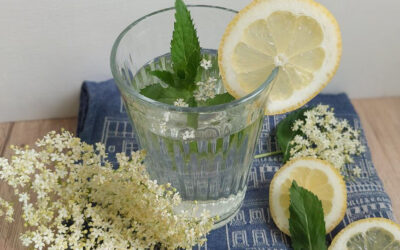
Homemade Elderflower Syrup (simple recipe)
There’s a moment in early summer when the air turns fragrant with the delicate scent of elderflowers — and that’s your cue to make homemade elderflower syrup, a bright and floral classic that captures the season in a bottle. 🌼🍋 This simple recipe walks you through harvesting fresh blossoms, infusing them with a basic sugar-and-lemon syrup, and letting the flavours develop over a couple of days into a versatile cordial. Whether you’re stirring it into sparkling water for a refreshing drink, adding a splash to cocktails, drizzling it over ice cream, or using it in baking, this syrup brings a touch of sunshine to everything you pour it on. With just a handful of ingredients and easy steps, it’s a wonderful way to preserve summer’s joy.

Lilac syrup
There’s something magical about lilac season — those fragrant clusters of blooms signal spring’s peak — and this homemade lilac syrup is a gorgeous way to capture that fleeting moment in a bottle. 🌸🍯 This recipe shows you how to infuse fresh, unsprayed lilac flowers into a simple syrup, gently coaxing out their delicate flavour and pairing it with natural colour from blueberries and brightness from lemon. The result is a floral, lightly sweet syrup that elevates drinks, desserts, breakfasts, and more with a subtle botanical touch — perfect for lemonade, cocktails, iced tea, ice cream, and beyond.Makeit it pullthem,pour ,,

Sweet-sour pumpkin
Let’s be honest: there comes a point every autumn when we hit “peak pumpkin spice”. You know, when even your neighbour’s cat seems to wear a pumpkin spice collar. But wait: before you swear off anything pumpkin for the rest of your life, let me introduce you to this...