
Discover the Joy of Gardening
Are you ready to get your hands dirty and create your own little piece of paradise? Gardening is more than just a hobby – it’s a rewarding journey that connects you with nature and the seasons and brings beauty to your everyday life.
Whether you’re a complete beginner looking to grow your first tomato plant or an experienced green thumb, this section has something for everyone. Learn practical tips for soil preparation, plant selection, and seasonal care that will help your garden thrive year-round.
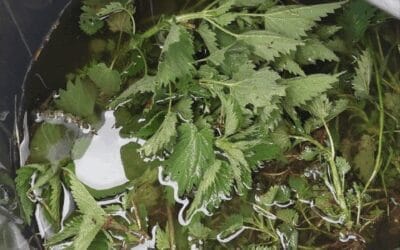
How To Make Nettle Manure
Nettle manure is the ultimate free fertilizer for your vegetable garden—and it’s ridiculously easy to make. This powerful plant tonic fertilizes hungry crops like tomatoes and pumpkins, strengthens weak seedlings, and naturally repels aphids and pests. Learn how to harvest and ferment stinging nettles into liquid gold using just water, a bucket, and two weeks of patience. Your garden will thank you!
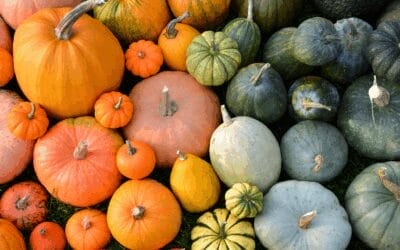
The Complete Pumpkin Grower’s Guide: From Seed Selection to Harvest
Ready to grow your own pumpkins but not sure where to start? This complete beginner’s guide covers variety selection, seed starting, spacing requirements, fertilizing schedules, and pest prevention. Discover when to plant for Halloween harvest, how to support heavy fruits, and proper harvesting techniques for maximum storage life. From tiny decorative varieties to massive competition pumpkins, learn everything you need for a successful pumpkin patch!
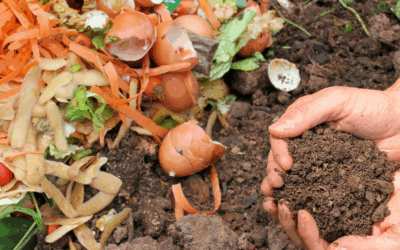
Beginner’s Guide to Composting: How to Make Compost In 8 Easy Steps
Compost is the gardener’s “brown gold”—the magic solution for poor soil, drainage problems, and nutrient deficiencies. This beginner-friendly guide walks you through 8 easy steps to transform kitchen scraps and garden waste into rich, crumbly humus. Learn which composting system suits your space (even apartments!), the perfect carbon-to-nitrogen ratio, how to troubleshoot common problems, and when your compost is ready to use. Turn waste into wealth!
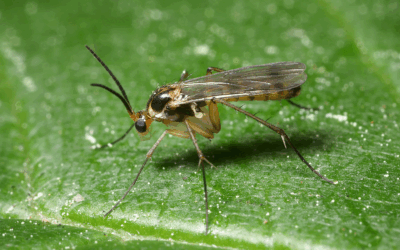
How to get rid of fungus gnats
Those tiny black flies swarming around your seedlings aren’t just annoying—they’re fungus gnats, and their larvae are eating your plants’ roots! Learn how to identify these common indoor pests and eliminate them using natural methods like nematodes, predatory mites, yellow sticky traps, and proper watering techniques. From prevention (sterilizing soil) to treatment (biological controls that actually work), discover chemical-free solutions to protect your precious seedlings.
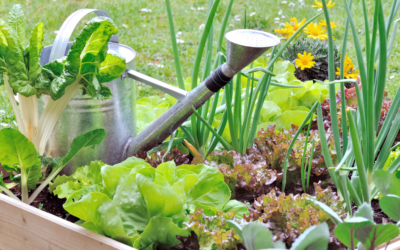
Small garden, huge harvest: Maximising your small vegetable garden
When I was a child, we had a vegetable garden of about 40 square meters. Seeing that we were six people and Granny also had a patch for her and Gramps, it was a relatively small garden. Yet, it produced most of our vegetables, and we rarely had to buy any from the...
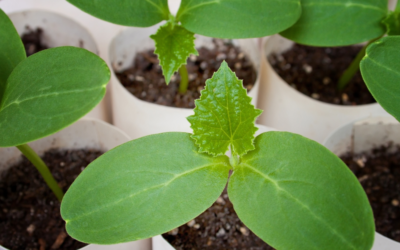
Seed-starting cucumbers: how to get healthy seedlings
Starting cucumbers from seed indoors is a rewarding way to ensure strong, productive plants for your summer garden, balcony, or greenhouse. Cucumbers thrive in warm conditions, and getting a head start by sowing seeds early allows you to enjoy crisp, homegrown fruits throughout the season. The process begins with choosing the right varieties for your growing space—compact or pickling types for outdoor beds and parthenocarpic (female-flowering) ones for greenhouse cultivation. Begin sowing in early April or in succession through mid-June to extend your harvest. Using adequately sized pots filled with mature compost or quality seed-starting mix ensures healthy root development, and maintaining warmth and light helps seedlings grow sturdy rather than leggy. Proper watering and a gradual hardening-off routine prepare your cucumber starts for transplanting outdoors once the weather is reliably warm.
Ultimate Guide to Crop Rotation in Vegetable Gardening
Crop rotation is a foundational practice for thriving vegetable gardens, designed to keep soil fertile, reduce pest and disease pressure, and boost overall harvests. Rather than planting the same crops in the same spot year after year—which can deplete nutrients and encourage pests and diseases that specialize in particular plant families—crop rotation moves different groups of vegetables around your beds in a planned sequence. By understanding how vegetables are grouped by botanical family or by their nutrient needs, you can create rotation plans that cycle legumes, leafy greens, fruiting crops, root vegetables and more across your garden space. The guide also offers practical layouts for 3- and 4-year rotation cycles, tips on implementing rotation in small gardens with raised beds or containers, and ways to integrate companion planting and cover crops to further enhance soil health and plant performance.
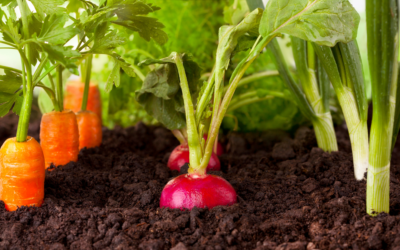
23 Common Vegetable Gardening Mistakes (And How to Fix Them!)
I’ve made every gardening mistake—planting in cold soil, overcrowding beds, overwatering. You don’t have to repeat them.
Start small and choose a sunny, well-drained spot. Know your hardiness zone before selecting plants. Wait for warm, dry soil before sowing. Weed thoroughly, respect plant spacing, and rotate crops annually to avoid depleting soil.
Water deeply but only when dry, then mulch thickly. Time your seed-starting right—too early makes leggy plants, too late means no harvest.
Most importantly? Relax. Something will always go wrong. Enjoy the sunshine, savor your harvest, and let your garden be your happy place.
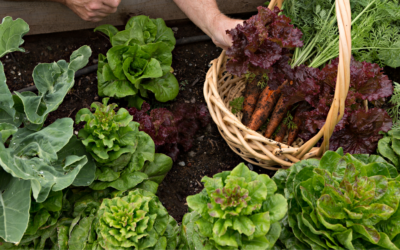
Succession Planting Guide: Maximize Your Vegetable Garden Harvest Year-Round
Imagine having fresh vegetables from your garden throughout the entire growing season. With succession planting, you can transform your garden from a place with a one-time harvest to a continuous source of fresh produce! When I started as a new gardener, I was overrun...
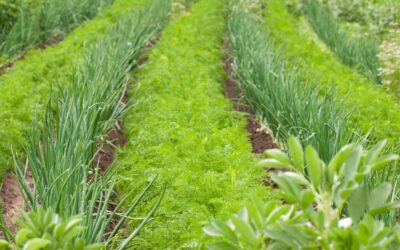
10 Surefire Companion Planting Pairs for First-Time Gardeners
When my youngest son was in 7th grade, his school grades suddenly worsened and he became quieter and more introverted. At first, I thought it was probably normal, what with puberty and all, but one day he told me that he “didn’t get along with” (read: was bullied by)...
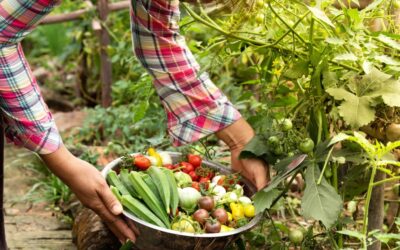
Easy Vegetables for Beginners: 11 Foolproof Crops for Your First Garden in 2025
Did you know that over 67% of households started gardening during recent years? As you’ve found this article, I gather you’re a newbie, too, and you’re finally ready to start growing your own food. That's wonderful! And don’t you let yourself become anxious that you...
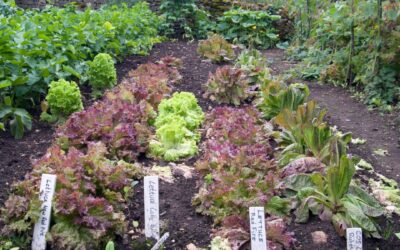
Beginner’s Guide: How to Start A Vegetable Garden
Hey there future garden guru! Are you excited to try your hand at vegetable gardening, but feeling a bit nervous about where to start? Don't worry - you're in the right place! Whether you have a large garden you want to start cultivating or just a small patio, in this...
What vegetables to sow and plant in July
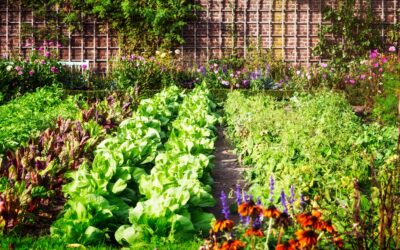
In July it’s time to sow many vegetables we want to harvest later in the year. In this post, I’ve created an overview to show you what to do in the garden and what vegetables to sow (indoors and outdoors) and plant in July. What vegetables to sow indoors in July You...

Natural Fertilisers From Humans
After talking about natural fertilisers from animals and natural fertilisers from plants, it’s only logical that we follow this path and get to natural fertilisers from humans. Urine To put it bluntly, this is certainly the best and most useful tip of this whole...
Natural Fertilisers From Plants
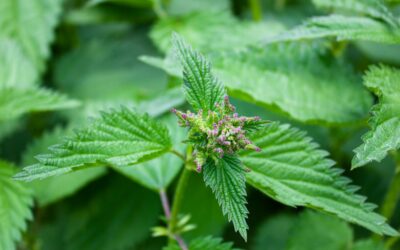
The cheapest and easiest way to make natural fertiliser for your vegetables is by using plants that already grow in and around your garden. No transportation is required, (almost) no processing is involved and most of it won’t cost a penny! Just rip out the weeds – or...