
.
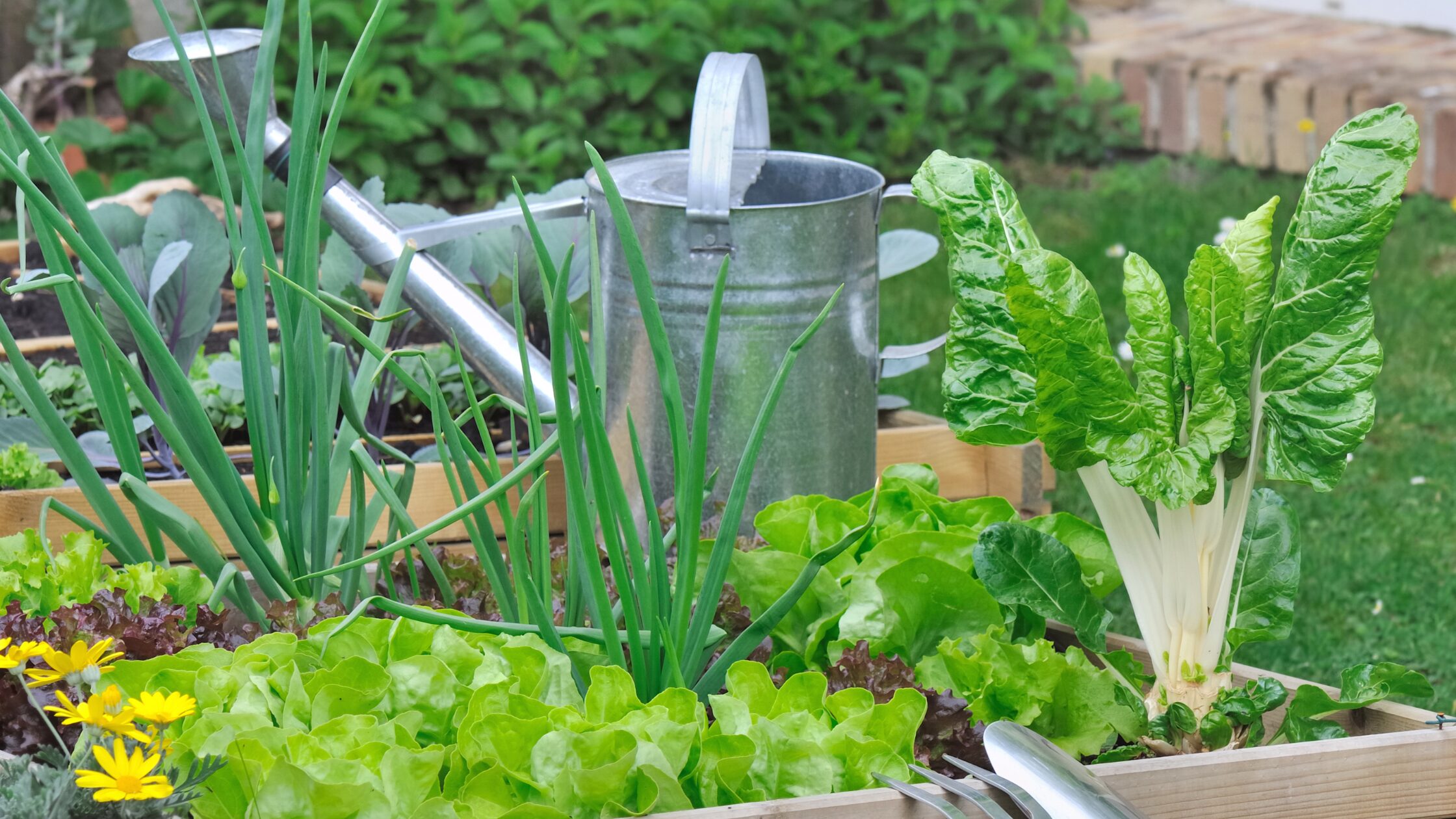
In July, the vegetable garden is at its peak. Raised beds and vegetable patches are overflowing with ripe produce, and every day brings something new to harvest. While we’re busy watering, harvesting and preserving the summer abundance, it’s easy to overlook one important fact: July is one of the best months to start vegetables for autumn and winter.
Now we can maximise our growing season with strategic planting. In fact, July presents ideal conditions for both cool-season succession plantings and fast-growing vegetables that still have plenty of warm weeks left to mature.
The key idea here is succession planting. After all, we don’t want to have an overwhelming harvest once, only to find our patches empty for the rest of the season. Smart planning this month sets the foundation for a productive garden that bridges the gap between summer’s abundance and winter harvest.
Instead of leaving empty spaces after harvesting early crops, we immediately replace them with new plants. That way, every square metre continues producing food well into autumn.
Quick Reference: What to Sow and Plant in July
Here’s a cheatsheet of what you can sow and plant in July:
| Sow indoors | Direct-sow outdoors | Plant outdoors |
| Kohlrabi | Spinach | Brassicas |
| Chinese cabbage | Beans | Zucchini |
| Brussels sprouts | Rocket salad | Lettuce |
| Autumn lettuce, like Radicchio | Radishes | Leek |
| Fennel | Swiss chard | |
| Welsh Onions |
🌱 Prefer a printable version?
Download the free July Garden Checklist & Planting Guide — a calm, practical companion for what to sow, plant, and harvest this month.
Vegetables to Seed-Start Indoors in July
If you’re new to seed-starting, you may want to learn more in my beginner’s guide to seed starting. I’ve gone back to seed-starting indoors again because the greenhouse is already fully covered with vegetables. If you have room there, however, the greenhouse is a wonderful place to seed-start the following veggies:
Brassicas
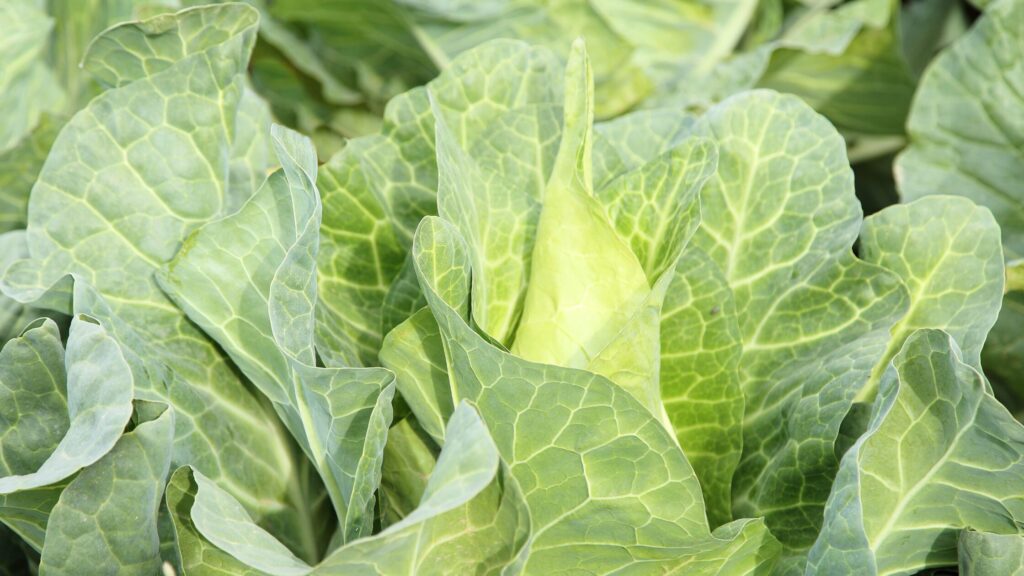
July is the last chance to seed-start Brussels sprouts, Chinese cabbage and a second batch of kohlrabi indoors. That way, whenever there’s a gap in a patch, you can fill it up with these plants.
Lettuce
As you’ll know by now, I’m a strong advocate for regularly seed-starting lettuce. A four-week rhythm has worked well in my own garden. By seed-starting lettuce every four weeks, I have a continuous supply of plants and never run out of fresh lettuce during the growing season.
In July, it’s time to think about autumn and winter harvest. We can now seed-start lettuce varieties like radicchio, romana and bolt-resistant oak leaf lettuce.
Keep a few seed trays going throughout July.
Succession planting becomes much easier when young seedlings are always ready to fill empty gaps.
Fennel
I have to admit that fennel has never been one of my gardening successes. Every attempt so far has failed. Many experienced gardeners recommend sowing it in July instead of spring, though, so that’s exactly what I’m trying this year. I’ll let you know how it goes.
Welsh onions (Winterheckenzwiebeln)
Welsh onions, also known as bunching onions, can be sown in July to prepare a harvest for the following year. These hardy perennial onions tolerate frost well and can remain in the garden for many years.
Vegetables to sow directly outdoors in July
Beans
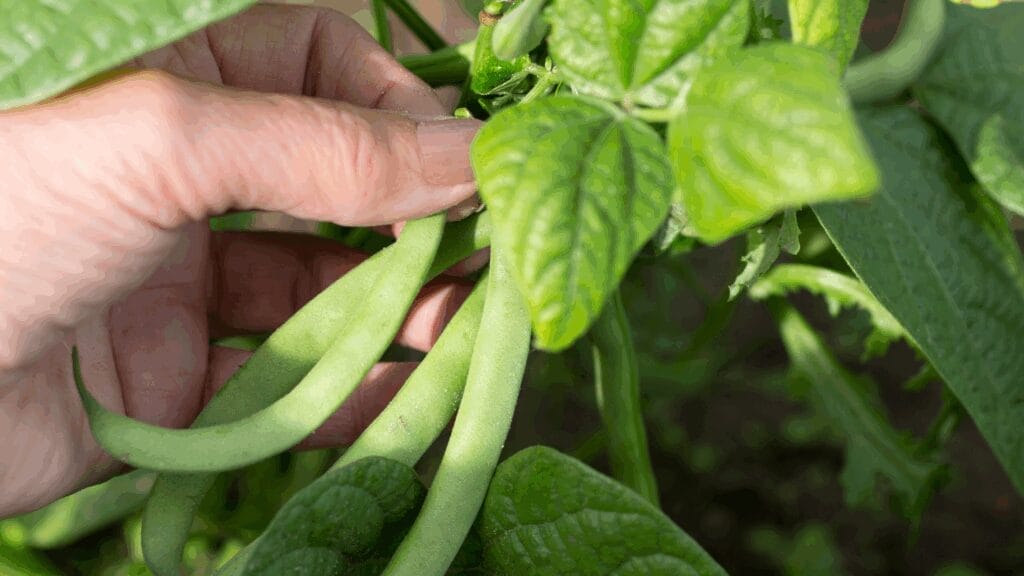
Both bush and runner beans can still be sown in July, either as a gap filler when some other vegetables are harvested or between heavy feeders like cabbages, cucumbers or tomatoes. This is the last chance to sow them, though, (at least in my zone) as they need 8 – 10 weeks to produce.
Spinach, Swiss chard
Both vegetables are wonderful gap fillers that grow fast and thus cover the ground. Additionally, they taste delicious and – mostly in the case of the Swiss chard – are a very pretty sight.
Sow little and often every two or three weeks rather than all at once.
Rocket salad
Sow it, watch it grow quickly, harvest the leaves and let it bloom. That way, it will spread across your garden.
Radishes
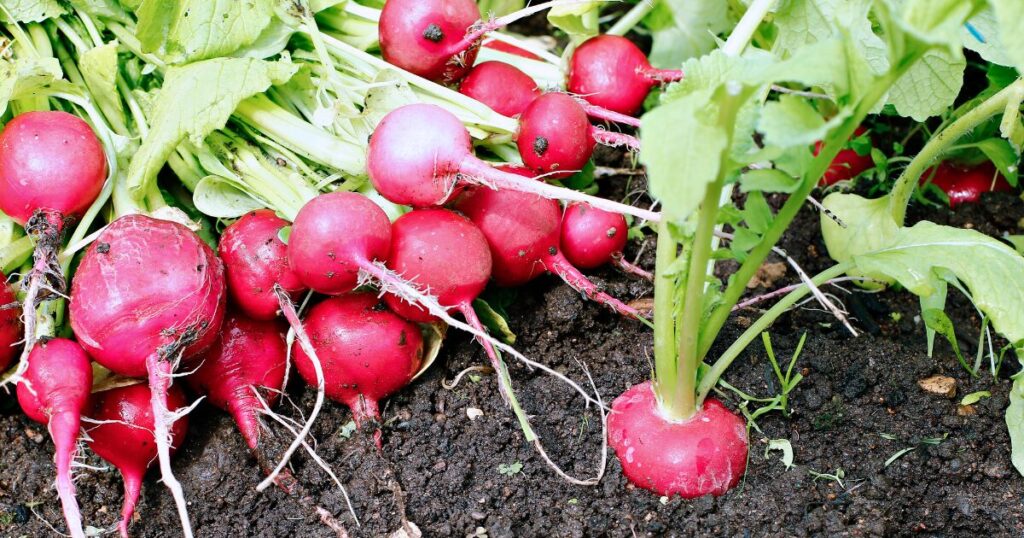
Like in June, choose bolt-resistant varieties of radishes and sow them directly into the soil. As radishes need only about 30 days from sowing to harvest, they’re great for filling empty spaces in the vegetable patch quickly. And they’re a wonderful addition for a lunch salad, a cool supper or as fermented radishes for storage.
When harvest season arrives, you’ll want to know how to preserve all that abundance. My guides to fermenting, freezing, and preserving vegetables cover everything from canning to fermenting.
Vegetables to Plant Outdoors in July
All seed-started vegetables, whether you grew them in your house or the greenhouse, must be hardened off before they can be transplanted outdoors. Start by putting your plants outside for 2 – 3 hours at first and gradually increase that time over a week. That way, you make sure that your veggies will cope with being outside.
Grow a few extra seedlings in pots.
When an early crop finishes or a plant fails, you can quickly fill empty spaces and keep your garden productive.
Brassica
Brassica seedlings we started earlier indoors, like broccoli, Savoy cabbage, Brussels sprouts and cauliflower, can still be planted outdoors in July.
Just make sure you have them properly hardened off and transplant them on a cloudy day so that they don’t get stressed too much.
Lettuce
As in the weeks before, our monthly batch of lettuce wants to be planted outside.
Zucchini
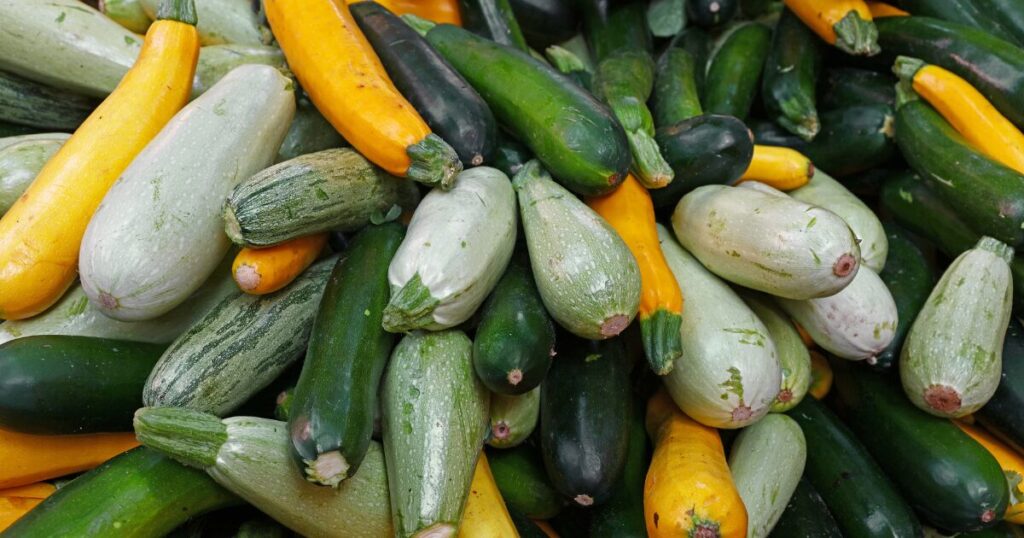
Depending on the weather, zucchini in the garden may have developed diseases like powdery mildew or downy mildew by July. It comes in handy, then, if you have seed-started another batch of zucchini a few weeks earlier. Instead of trying to keep the infected plants alive, remove them completely and discard them and any leaves or remains of fruits in the household garbage. Never throw them in the compost, where the disease would spread the next year!
Fill the gaps where the zucchini were with any plants or seeds I mentioned earlier, and transplant the young zucchini plants into another patch.
That way, you’ll have a continuous harvest of healthy zucchini right until the first frost.
Leek
If you still have some winter leek plants left, now’s the last chance to plant them outdoors. Great companions for leeks are carrots or parsnips, as they both keep each other’s pests away.
Water leek thoroughly after transplanting.
What Not to Sow in July
Some cool-season vegetables struggle in July heat and tend to bolt quickly, especially in warmer climates. Avoid sowing:
- early spinach varieties
- spring radishes
- peas
- lamb’s lettuce (Wait until temperatures begin to cool again in late August or September.)
Instead, wait until late summer or early autumn.
Frequently Asked Questions
Can I still sow carrots in July?
Yes, but you must choose a late variety that can stand frost.
Can I grow vegetables in July if I missed spring sowing?
Absolutely. In fact, July is the perfect month to prepare for autumn and winter harvest.
Which vegetables grow fastest from a July sowing?
Radishes, rocket salad, lettuce, spinach and Swiss chard grow fast.
Should I seed-start indoors in July?
Yes. Many brassicas and lettuces benefit from indoor seed-starting in July, especially for autumn and winter harvests.
General garden tasks in July
Here are some of the most important garden tasks now. For a full list, read my comprehensive guide on garden tasks in July.
Fertilise all heavy-feeders like tomatoes, cucumbers, zucchini, pumpkins and cabbage plants regularly. That way, they get all the nutrients they need to produce healthy fruits. At the same time, they stay strong and sturdy and can better fight off diseases and pests.
A great homemade fertiliser with plenty of nitrogen for hungry veggies is nettle manure. It’s free and easy to make. You’ll find a detailed description on how to make nettle manure here.
Water your plants deeply during dry spells. Here in Bavaria, July can get pretty hot and dry, but we also know temperate and humid Julys. When it’s too dry for too long, though, check the garden soil and water your plants thoroughly. It’s better to water them once a week deeply instead of daily, but only on the surface.
If you haven’t already, mulch your beds with grass clippings, straw or shredded leaves. Mulch keeps the soil cooler, reduces evaporation and suppresses weeds during hot weather.
Harvest whatever is ready in your garden. July is still a great time to harvest and dry herbs for later use. If you know what else you can do with herbs, read this article on six ways to preserve herbs.
Preserve all surplus harvest. You may want to try pickled zucchini, for example, one of our favourite summer preserves. Or you tackle the gherkins and either pickle them in a vinegar brine, as well, or you ferment them and make classic fermented gherkins for your pantry.
July Planting Summary
July is quite a busy month in the garden with sowing, planting and harvesting almost constantly.
It’s the circle of life in fast motion.
Don’t forget to pause intentionally from time to time and just admire what Nature – with your support – produces for us each year. Isn’t it marvellous to step into the greenhouse and snack on some fresh tomatoes? The plants we started and tended earlier, and transplanted eight weeks ago, are now bursting with fruits of the best flavour you can imagine. It’s a miracle every year!
If you’d like to explore the slower and more reflective side of this season, you may also enjoy my July reflections.
Everything we harvest now makes room for new seedlings, and every gap in the patch becomes another opportunity to extend the season. Good planning now is the basis for a good autumn harvest.
🌿 Enjoy slow seasonal gardening?
Join my newsletter for monthly garden guidance aligned with nature’s rhythm.
Still not enough garden talk? Then these posts may interest you:
Beginner’s guide on how to make a vegetable patch
The beginner’s guide to composting
How to plant, grow and harvest tomatoes in 14 steps
For all things garden, browse my library of gardening posts.
0 Comments