
.
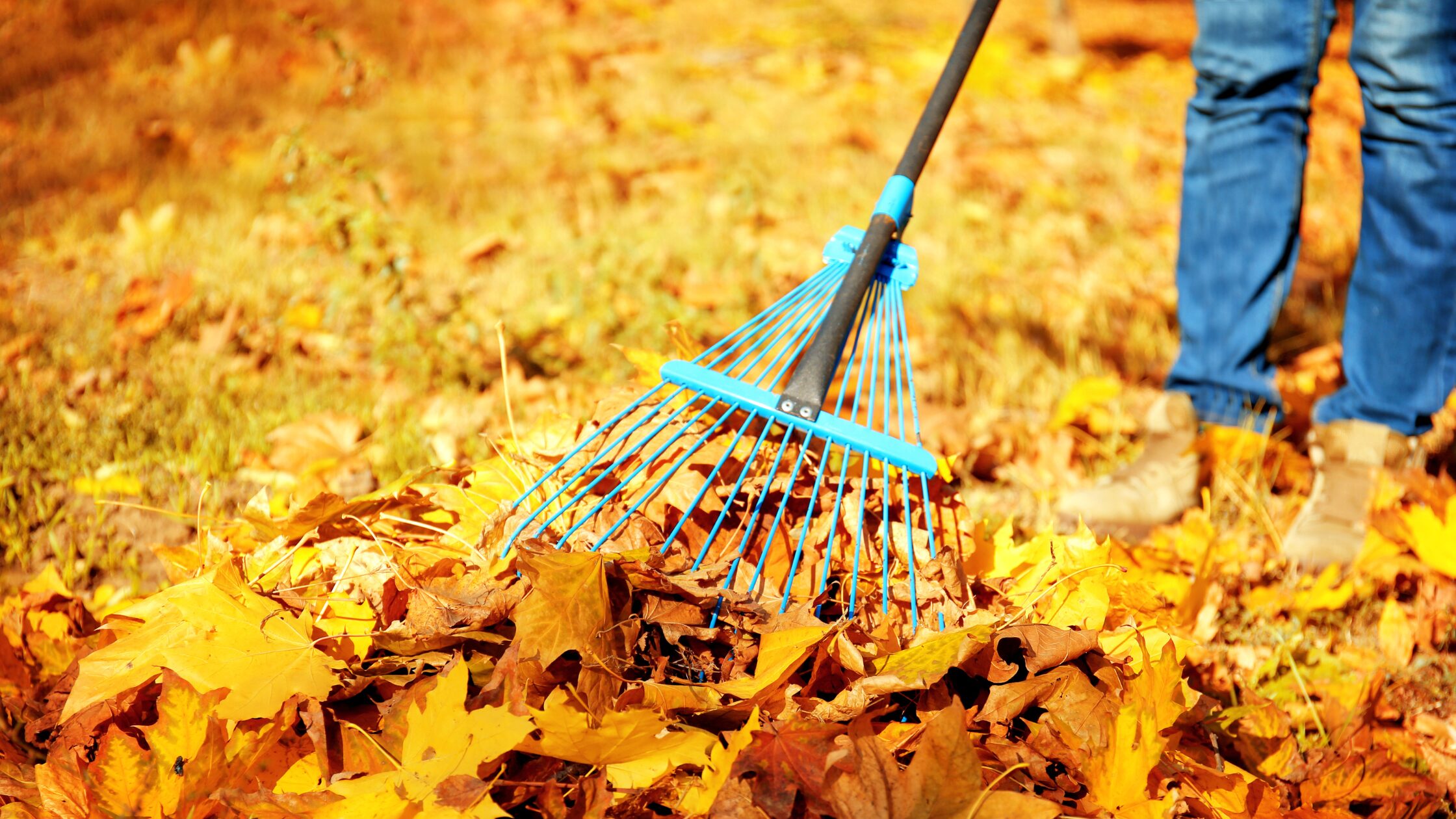
When the leaves start to paint warm hues on the landscape, it’s time for us gardeners to roll up our sleeves for the last time this year and do an autumn garden cleanup.
But what does autumn garden cleanup mean? In short, it’s the process of preparing your garden for its winter rest. Just like preparing a child for bedtime by brushing their teeth, giving them a bath and putting on their PJs, we clear out dead plants from our garden, manage fallen leaves and protect it from cold weather damage.
In this guide, I’ll walk you through the essential steps of autumn garden cleanup, from timing your efforts to sustainable practices that benefit both your garden and local wildlife.
Importance of an autumn garden cleanup
An autumn garden cleanup isn’t just for appearances, but helps our garden to stay healthy for the seasons to come.
It prevents the overwintering of pests and diseases and improves soil health for the next growing season.
Additionally, an autumn cleanup enhances our garden’s appearance during the winter months.
And lastly, it will reduce our workload next spring.
Timing your autumn cleanup

It’s important to choose the right timing for your autumn cleanup. Starting too early may deprive beneficial insects of their habitat, while starting too late may make cleaning up more difficult.
Roughly put, an autumn garden cleanup typically takes place between late September and early November. There is no one-size-fits-all date, though; it rather depends on the climate you live in:
Northern regions have earlier frost dates, starting in September to early October, while southern regions have their first frost later in the year, sometimes not before November or even December. In coastal areas, frost also comes late.
Also, growing seasons are shorter in northern areas and longer the nearer you get to the equator.
An additional factor is the altitude of our region: the higher we live, the earlier the first frost may come.
If you’re not sure about your climate zone, check it out on this website.
Knowing all that, we’ll want to start cleaning up our garden early in colder and/or wet climates. The warmer the climate we live in and the drier, the later we may leave the time to clean up.
Keep in mind, however, that these are general guidelines. Local weather patterns, microclimate variations, and specific plant needs should always be considered when determining the optimal timing for autumn garden cleanup.
Signs that indicate it’s time to begin
There are several signs that indicate it’s time to start a garden cleanup:
- Nighttime temperatures consistently drop below 10 °C (50 °F).
- The first frost date is approaching.
- The leaves change colour and start to fall.
- Annual plants finish their life cycle.
- Perennials begin to die back.
Tasks for autumn garden cleanup
I always recommend a gradual approach over several weeks to cleaning up your garden. It’s way better than trying to do everything at once, which will only lead to overwhelm. Besides, a longer cleanup time allows for a longer enjoyment of all those beautiful late-blooming plants.
Vegetable garden
✅Harvest late vegetables like beetroots, carrots, celery, parsnips and parsley roots.
✅Before the first frost, cover spinach and winter lettuce like lamb’s lettuce with a special gardening mesh that will protect your vegetables from the cold.
✅ Remove late-season weeds before they set seed.
✅ Add compost or well-rotted manure to your beds and work it in.
✅ Plant garlic and winter onions to give them a head start for next year’s harvest. Look here for a comprehensive guide on cultivating garlic: How To Grow Garlic: Complete Planting Guide
✅ If you haven’t sown cover plants in August or early September, cover the soil with mulch.
Orchard
✅ Harvest the last fruits from the trees to avoid pests and diseases from overwintering and spreading.
✅ Remove and destroy any mummified fruits, that is, dried, shrivelled fruits that are still on the branches. Also, clean up fallen fruit to prevent disease spread.
✅ Check for and remove pest egg masses or cocoons.
✅ Trim dead, diseased or crossing branches from trees and shrubs. For the overall pruning of fruit trees and bushes, late winter is a better time.
✅ If your area is prone to winter sunscald, consider whitewashing the tree trunks. The white colour will reflect the sunlight so that the bark will not heat up too much. The tree temperature changes only slightly, which is great, considering that extreme temperature fluctuations are the cause of sunscald.
✅ Rake fallen leaves and remove those with a disease. Use the remaining leaves as mulch, either under the trees or in the vegetable garden. You can also create a leaf compost. The leaves will rot very fast, and the compost will be available in spring. Additionally, this compost heap will make a shelter for hedgehogs and insects.
✅ Spread compost or well-rotted manure under fruit trees and shrubs. Make sure to avoid direct contact with the trunks.
✅ Cover the soil beneath the trees and shrubs with mulch and make sure to extend the mulch to the trees’ drip line, which means the radius of the treetops.
Ornamental garden

✅ Remove spent annual flowers and compost any disease-free plant material.
✅ Cut back the dead foliage of perennials but leave some stalks for wildlife habitat. Note that some plants, like ornamental grasses, can be left standing for winter interest and wildlife habitat as well.
✅ If necessary, divide overcrowded perennials.
✅ Remove any weeds and compost them.
✅ Apply compost to your flower beds.
✅ Spread mulch around perennials and shrubs, and give sensitive plants insulation with extra mulch.

Remember, a thorough fall cleanup doesn’t mean creating a sterile environment. Leaving some areas slightly untamed can provide crucial winter habitats for beneficial insects and wildlife. That way, we can strike a balance between garden health and ecological responsibility.
Protecting sensitive plants
Depending on your hardiness zone, some plants require special protection to survive cold winters. In my garden, for example, I need to care especially for Mediterranean herbs like rosemary, thyme, and oregano, as well as the artichokes in my DIY greenhouse.
I mulch the plants with leaves, hay or straw. Then, I put straw onto them so that they are covered with it and fix that with twigs. You can also use protective wrapping made of non-woven material or jute. Do not use plastic, though, as moisture will build up beneath it and cause the plant to rot.
During winter, especially when it’s wet, you should check the plants for rotting. In that case, remove the mulch and protective layers and replace them with new, dry material.
Tool maintenance
Once you’re finished with cleaning up your garden, it’s time to care for your garden tools.
✅ First, clean all your garden tools thoroughly by removing any dirt and debris. Soak the tools in warm, soapy water, then scrub the dirt off and rinse. Let them dry well.
✅ If necessary, sharpen your tools with a file or a sharpening stone.
✅ Repair any damage (if possible), tighten loose screws, bolts and nuts and replace any broken or worn parts.
✅ Apply vegetable or machine oil to the metal parts to prevent rust and keep them moving smoothly.
✅ For wooden handles, use linseed oil to protect and nourish the wood
✅ Lastly, store your tools in a dry space, for example a garden shed, a garage or the basement, to prevent moisture build-up.
Conclusion

A garden cleanup in autumn is more than just tidying up: it’s an investment in the health and vitality of our garden.
By removing spent plants, protecting sensitive specimens and using fallen leaves as mulch or compost, we not only prevent pests and diseases from overwintering but also create a fertile environment for the next growing season.
Your garden has given you months of joy and abundance; now is the time to return the favour by preparing it for its winter rest. So, embrace the crisp autumn air, put on your gardening gloves, and tackle your autumn cleanup with enthusiasm.
Happy gardening, and here’s to a productive autumn cleanup and a glorious garden in the year to come!
Can’t get enough of gardening? On this site you’ll find all the articles on this topic: Gardening – seasonalsimplelife.com
0 Comments